Lung Cancer: 854 Real Stories

854 stories match lung cancer. 428 of them mention chemotherapy.

A patient, who was diagnosed with Stage IV Lung AdenocarcinomaLung Cancer

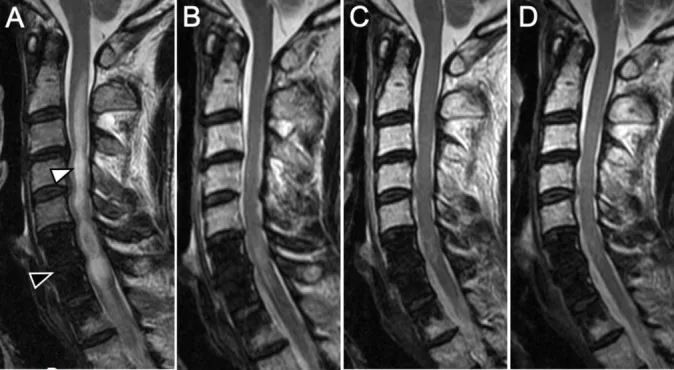
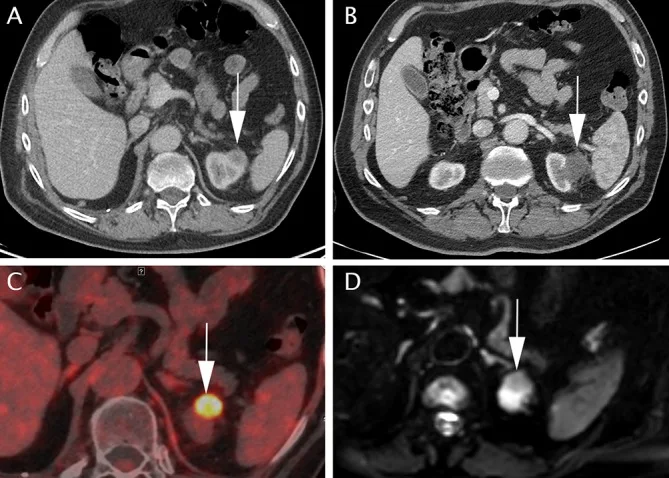
Osimertinib Improved Spinal Cord Metastases in Long-Standing Lung Cancer

Patient Info: Anonymized, Male, 50s | Stage IV

Biomarkers: Initial surgical specimen: no detected EGFR mutation and ALK-negative. Later pleural-fluid tumor: acquired EGFR T790M mutation with no other detected EGFR mutation.

Metastatic Site: cervical and mediastinal lymph nodes; bone; brain;…

Osimertinib improved neurologic function and kept the lung cancer stable for 14 months; he later died from bacterial pneumonia.

PubMed Central
OutcomeIn Memory
A patient, who was diagnosed with Lung AdenocarcinomaLung Cancer

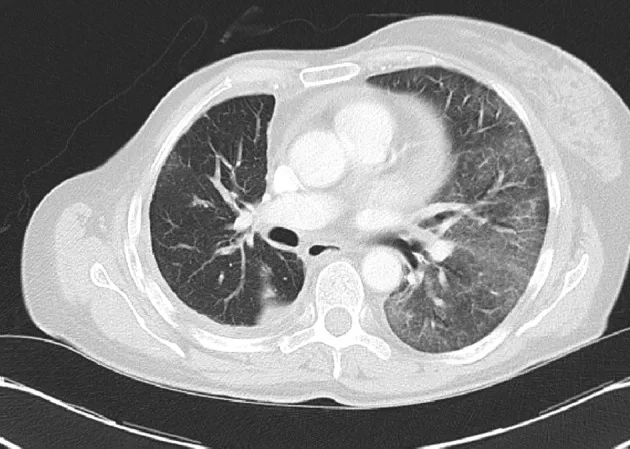
Pembrolizumab Produced a Complete Response but Multiple Immune Side Effects

Patient Info: Anonymized, Female, 70+

Biomarkers: PD-L1 expression 100%. Seronegative for acetylcholine-receptor and listed paraneoplastic antibodies during myasthenia-gravis evaluation.

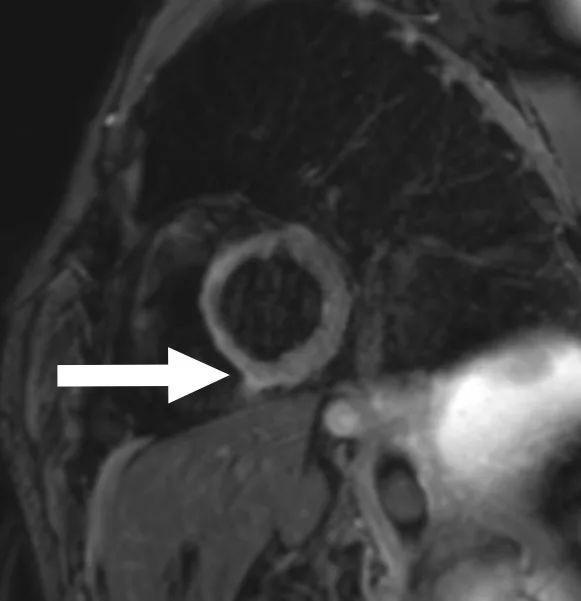
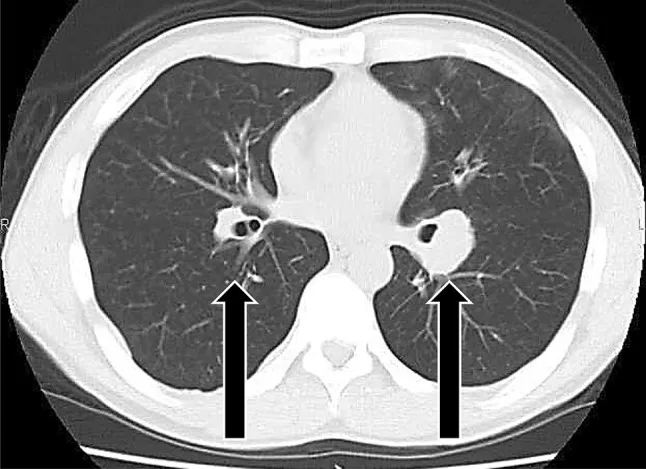
Imaging showed a complete oncologic response that persisted for at least six months after pembrolizumab stopped, while the immune complications resolved after intensive treatment.

PubMed Central
OutcomeCancer-Free / NED
A patient, who was diagnosed with Stage IV Lung AdenocarcinomaLung Cancer

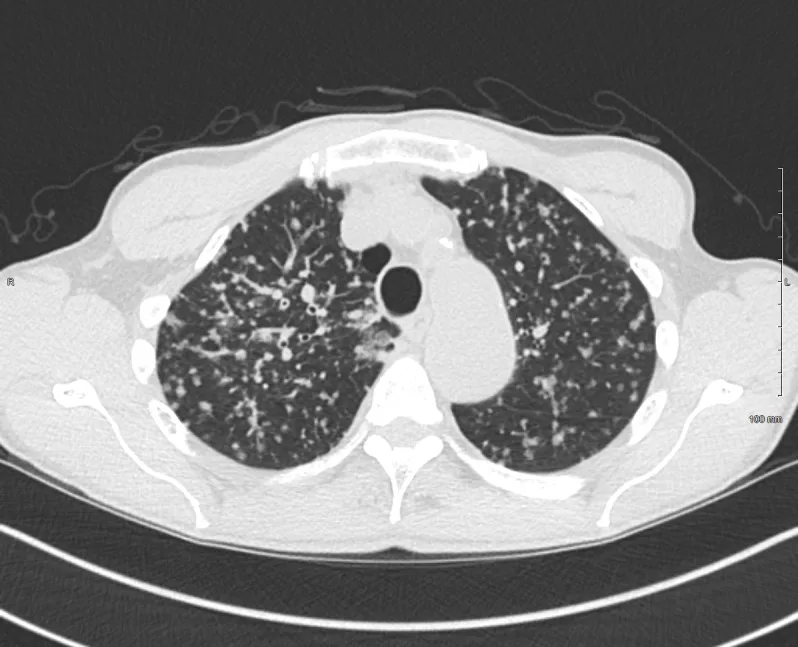
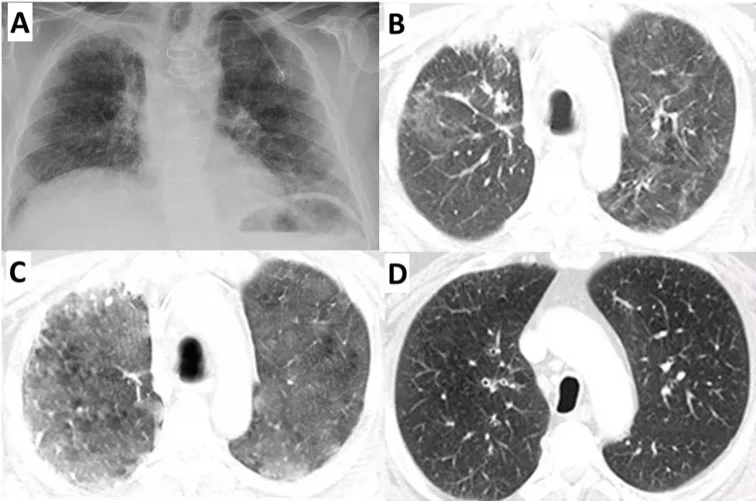
Rapidly Progressive Stage IV Lung Adenocarcinoma With a Miliary Imaging Pattern

Patient Info: Anonymized, Male, 60s | Stage IV

Biomarkers: TTF-1-positive; p40-negative; chromogranin-negative; synaptophysin-negative; EGFR-negative; ALK-negative; ROS1-negative; PD-L1 expression 5%–10%.

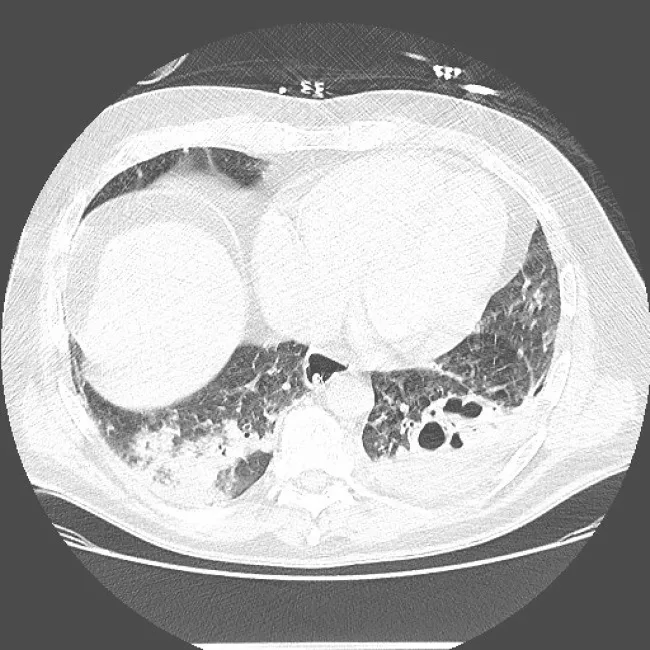
The cancer progressed rapidly, and he died approximately four months after diagnosis while being transported to inpatient hospice.

PubMed Central
OutcomeIn Memory
SA
Lung Cancer

Speech and Swallowing Support After Lung Cancer Relapse

Patient Info: Anonymized, 70+ | Stage Metastatic/Advanced

Metastatic Site: both lungs

The lung cancer relapsed with mediastinal and supraclavicular lymph-node involvement and metastases in both lungs. Ongoing speech and swallowing support prevented reported dysphagia complications.

PubMed Central
OutcomeSetback / Progression
A patient, who was diagnosed with Stage IV Lung AdenocarcinomaLung Cancer

Hormone Problems During Nivolumab Treatment for Advanced Lung Cancer

Patient Info: Anonymized, Female, 60s | Stage IV

Biomarkers: EGFR/ALK/ROS1/BRAF wild type

Metastatic Site: abdominal wall|brain

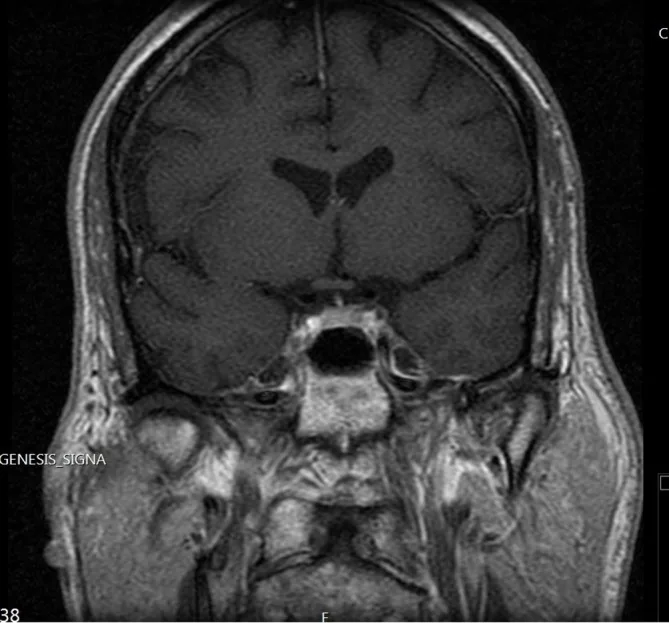
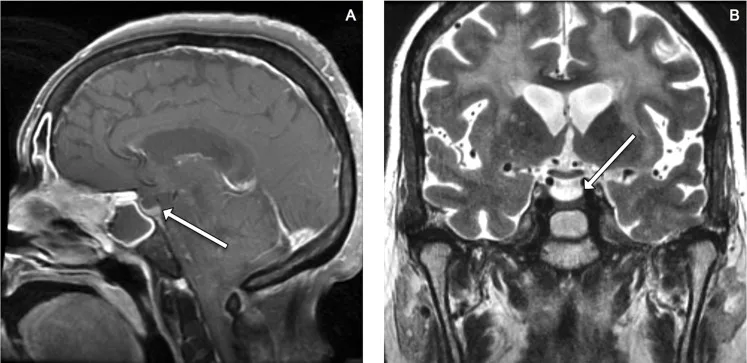
She was living with Stage IVA lung cancer after about 1 year of nivolumab. Thyroid levels normalized after levothyroxine adjustment, and continued endocrine monitoring was planned for treatment-related pituitary dysfunction.

PubMed Central
OutcomeLiving With Cancer
A patient, who was diagnosed with Lung AdenocarcinomaLung Cancer

Lung Cancer Treatment Complicated by Atezolizumab-Related Pneumonitis

Patient Info: Anonymized, Male, 70+

Biomarkers: EGFR mutation not detected; BRAF mutation not detected; ALK rearrangement not detected

The cancer progressed after chemoradiation. Atezolizumab was stopped because of pneumonitis, and he later began pemetrexed after a right adrenal mass became highly suspicious for malignancy.

PubMed Central
OutcomeSetback / Progression
Amanda, who was diagnosed with Stage IV Lung AdenocarcinomaLung Cancer

Stage IV ALK Lung Adenocarcinoma: Amanda's Survivor Story

Patient Info: Amanda Nerstad, Under 40 | Stage IV

Biomarkers: ALK-positive

She achieved a complete metabolic response on alectinib and had shown no evidence of disease since November 2017 while continuing treatment.

MD Anderson
OutcomeCancer-Free / NED
A patient, who was diagnosed with Stage I Lung CancerLung Cancer

A Rare Airway Lung Cancer in a 31-Year-Old Woman

Patient Info: Anonymized, Female, Under 40 | Stage I

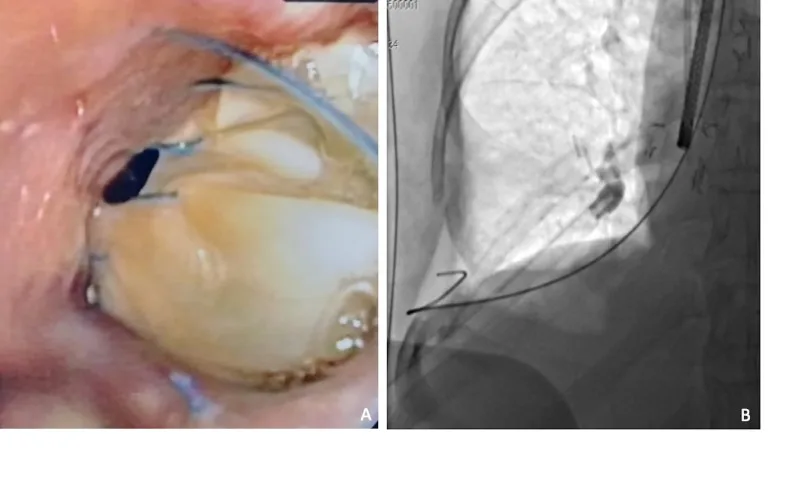
A 31-year-old non-smoker had a rare high-grade lung tumor that obstructed a bronchus after 2 years of cough, wheezing, and breathlessness.

PubMed Central
OutcomeNot reported
A patient, who was diagnosed with Lung AdenocarcinomaLung Cancer

Metastatic Lung Adenocarcinoma Presenting After Kidney Transplant

Patient Info: Anonymized, Male, 50s | Stage Metastatic/Advanced

Biomarkers: TTF-1 positive

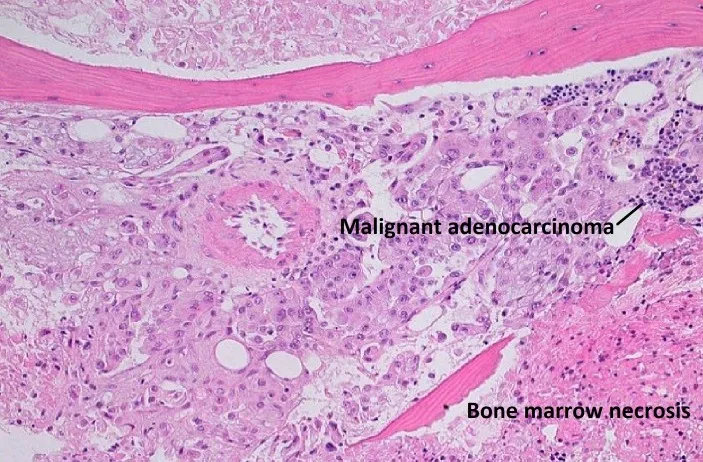
Metastatic Site: bone marrow|spine|bony pelvis

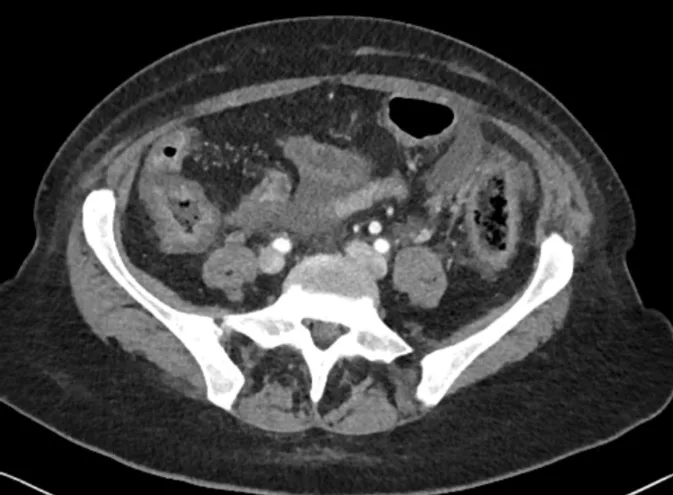
His condition deteriorated rapidly, and he died 1 week after the lung-cancer diagnosis.

PubMed Central
OutcomeIn Memory
A patient, who was diagnosed with Stage IV Non-Small Cell Lung CancerLung Cancer

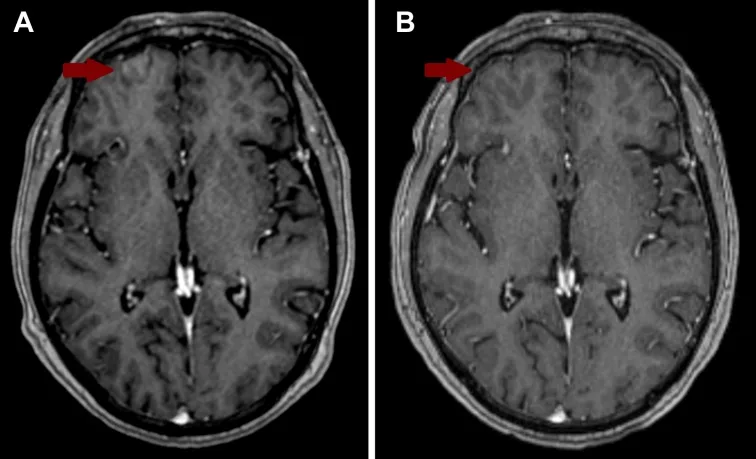
Durable brain and leptomeningeal response to pembrolizumab in Stage IV lung cancer

Patient Info: Anonymized, Female, 70+ | Stage IV

Biomarkers: PD-L1 high positive; EGFR negative; BRAF negative; KRAS negative; ROS1 negative; ALK negative

Metastatic Site: right adrenal gland, left sixth rib, brain,…

After 29 pembrolizumab cycles over 20 months, imaging showed no leptomeningeal disease, resolution of 3 brain lesions and marked reduction of the dominant frontal lesion; she remained neurologically intact and radiographically stable.

PubMed Central
OutcomeResponding Well
Cynthia, who was diagnosed with Stage IV Lung CancerLung Cancer

Stage IV Lung Cancer: Cynthia's Patient Story

Patient Info: Cynthia Hess, Female | Stage IV

Metastatic Site: Spine

As of October 2018, Cynthia’s spine metastasis had stopped growing after one stereotactic spinal radiosurgery treatment, her neck pain had subsided and future MRI scans were planned for monitoring.

Cleveland Clinic
OutcomeCare Ongoing
A patient, who was diagnosed with Stage IV Small Cell Lung CancerLung Cancer

Stage IV Small Cell Lung Cancer Causing Severe Cushing Syndrome

Patient Info: Anonymized, Male, 40s | Stage IV

Biomarkers: Ectopic ACTH secretion with markedly elevated ACTH and cortisol

Metastatic Site: liver|bones

The cancer and hormone syndrome progressed after an initial response, and he died after cardiopulmonary arrest 1 year after diagnosis.

PubMed Central
OutcomeIn Memory
A patient, who was diagnosed with Stage IV Lung AdenocarcinomaLung Cancer

Delayed Adrenal Insufficiency After Nivolumab for Stage IV Lung Cancer

Patient Info: Anonymized, Male, 70+ | Stage IV

Biomarkers: EGFR unmutated; ALK unmutated; ROS1 unmutated

His weakness, fatigue, weight loss, and orthostatic hypotension resolved after hormone replacement, and he returned home independently.

PubMed Central
OutcomeNot reported