SBRT for Lung Cancer: 44 Real Stories

44 stories match lung cancer and SBRT. 20 of them mention chemotherapy.

Mary, who was diagnosed with Stage IV Lung CancerLung Cancer

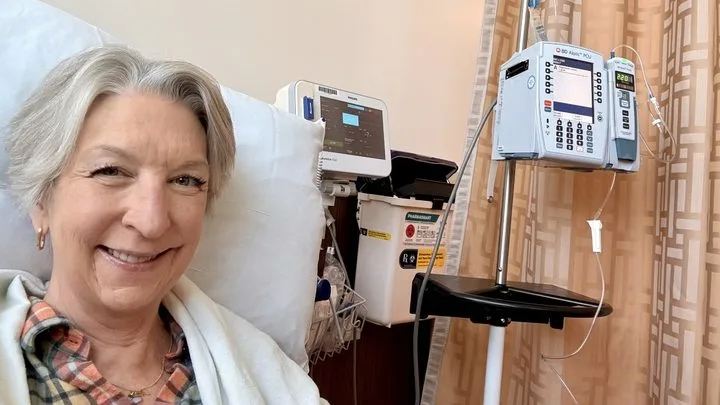
Stage IV Lung Cancer: Mary's Patient Story

Patient Info: Mary Lynn Moser, Female | Stage IV

Metastatic Site: brain

Mary Lynn wrote this message before her death after nearly 10 years with lung cancer and more than 5 years with brain metastases, while receiving aggressive immunotherapy and chemotherapy.

LUNGevity
OutcomeIn Memory
Robert, who was diagnosed with Stage I Non-Small Cell Lung CancerLung Cancer

Stage I Non-Small Cell Lung Cancer: Robert's Survivor Story

Patient Info: Robert Tumanic, Male | Stage I

After SBRT, follow-up scans showed the treated tumors resolved and no additional tumors requiring treatment; as of May 2019, the treated sites were stable and no further lung-cancer therapy was required.

LUNGevity
OutcomeSurvivorship / Surveillance
Amy, who was diagnosed with Stage IV Non-Small Cell Lung CancerLung Cancer

Stage IV Non-Small Cell Lung Cancer: Amy's Patient Story

Patient Info: Amy, Female | Stage IV

Metastatic Site: Neck lymph node; bones — hips, femurs, foot; adrenal…

Living 5 years after Stage IV squamous NSCLC diagnosis, after Keytruda did not work and treatment included bone radiation, SBRT to the lung nodule, and adrenal cryoablation.

Lung Cancer Research Foundation
OutcomeLiving With Cancer
Maggie, who was diagnosed with Stage IV Non-Small Cell Lung CancerLung Cancer

Stage IV EGFR Non-Small Cell Lung Cancer: Maggie's Patient Story

Patient Info: Maggie, Female, 60s | Stage IV

Biomarkers: EGFR mutation; MET amplification resistance mutation; MET overexpression

Metastatic Site: Brain

Maggie initially reached no evidence of disease on EGFR-targeted therapy, but later had repeated progression, including MET-amplification resistance and MET overexpression, requiring SBRT, a clinical trial, chemotherapy, and later-line targeted treatment.

The Patient Story
OutcomeSetback / Progression
A patient, who was diagnosed with Stage IV Lung AdenocarcinomaLung Cancer

Stage 4 lung cancer: never-smoker with complete remission

Patient Info: Anonymized, Female, 50s | Stage IV

Biomarkers: EGFR20ins mutation; TP53 p.Q192 mutation; PD-L1 TPS 0%; CPS 0%

Metastatic Site: bilateral lungs, mediastinal lymph nodes, bilateral…

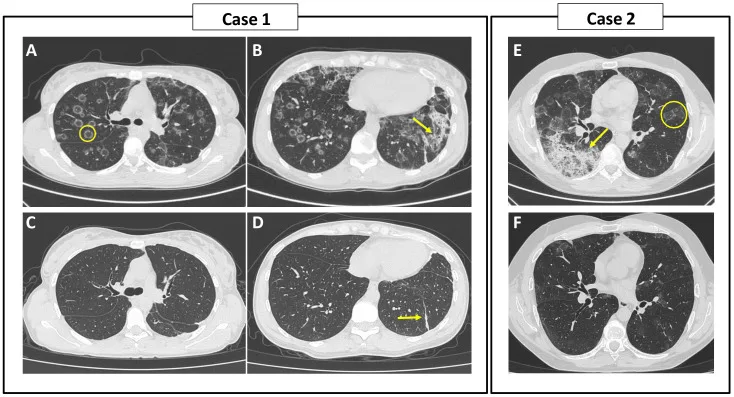
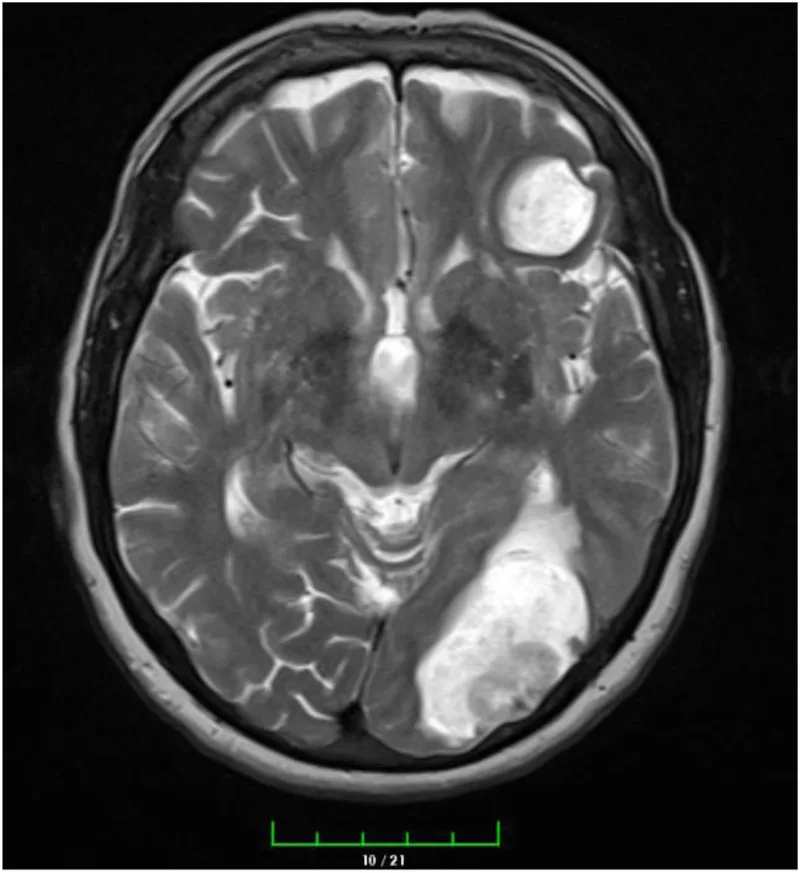
The patient had a durable response to high-dose furmonertinib, later developed a right cerebellar metastasis treated with stereotactic radiation, and continued to benefit from furmonertinib as of April 2025 with 27 months of progression-free survival reported.

PubMed Central
OutcomeResponding Well
Jennifer, who was diagnosed with Stage IV Non-Small Cell Lung CancerLung Cancer

Stage IV EGFR Non-Small Cell Lung Cancer: Jennifer's Patient Story

Patient Info: Jennifer, Female | Stage IV

Biomarkers: EGFR genomic mutation

Metastatic Site: Not reported

Jennifer is alive more than 5.5 years after a Stage IV adenocarcinoma diagnosis, continuing EGFR-targeted treatment and living with ongoing side effects and surveillance needs.

The Patient Story
OutcomeLiving With Cancer
A patient, who was diagnosed with Stage IV Lung AdenocarcinomaLung Cancer

Stage IV METex14 lung adenocarcinoma: responding well to capmatinib and SBRT

Patient Info: Anonymized, Male, 70+ | Stage IV

Biomarkers: MET exon 14 skipping mutation; PD-L1 >80%. EGFR/RAS/MEK wild type; lung-origin markers present.

Metastatic Site: brain; bone (thoracic/lumbar vertebrae, right iliac…

At 24 months after diagnosis, he was alive, asymptomatic, and continuing capmatinib with no evidence of progression and excellent tolerance.

PubMed Central
OutcomeResponding Well
A patient, who was diagnosed with Stage IV Non-Small Cell Lung CancerLung Cancer

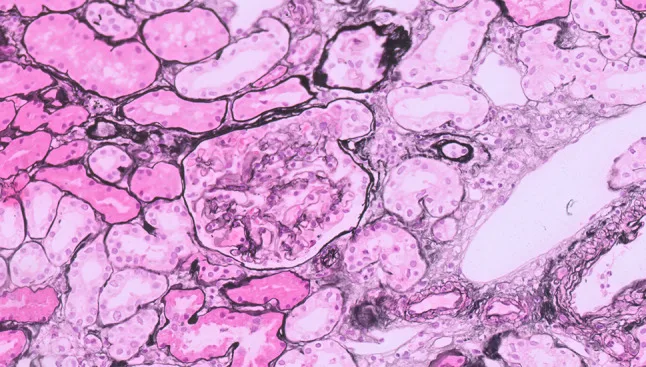
Stage IV lung adenocarcinoma with paraneoplastic nephrotic syndrome during pembrolizumab therapy

Patient Info: Anonymized, Male, 60s | Stage IV

Biomarkers: PD-L1 tumor proportion score >50% by Roche SP263 assay; KRAS exon 3 mutation; NGS/FISH did not identify targets for first-line targeted therapy

Metastatic Site: brain, bone

Pembrolizumab produced partial response and improved nephrotic-syndrome parameters, but bone metastases progressed in September 2022 and the right upper-lobe target lesion progressed 2 months later, leading to carboplatin plus pemetrexed.

PubMed Central
OutcomeSetback / Progression
A patient, who was diagnosed with Lung AdenocarcinomaLung Cancer

Man in his 80s with Stage IA1 lung cancer treated with adapted SBRT

Patient Info: Anonymized, Male

Biomarkers: CEA and CA19-9 not elevated; molecular biomarkers not reported

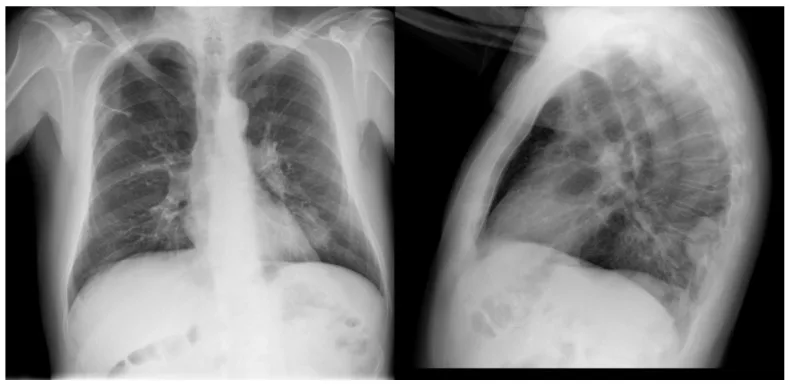
At 1 year after SBRT, CT showed radiation fibrosis and complete metabolic response, with no enlarging mass suggesting local recurrence; ongoing follow-up continued.

PubMed Central
OutcomeCancer-Free / NED
Alisa, who was diagnosed with Stage IV Non-Small Cell Lung CancerLung Cancer

Stage IV ALK Non-Small Cell Lung Cancer: Alisa's Patient Story

Patient Info: Alisa Secaida, Female, Under 40 | Stage IV

Biomarkers: ALK-positive / ALK-rearranged

Metastatic Site: Brain; lymph nodes

As of May 2025, after alectinib and lung surgery, pathology still showed active tumor and lymph-node cancer cells, and Alisa was receiving IMRT for remaining disease.

City of Hope
OutcomeCare Ongoing
Leah, who was diagnosed with Stage IV Lung CancerLung Cancer

How We Got Here: 6 Young Lung Cancer Patients & Their Paths To Surgery- Part 1

Patient Info: Leah Phillips, Female | Stage IV

Biomarkers: EGFR exon 19 deletion

Metastatic Site: bone (pelvis; spine; ribs)

As of April 2025, Leah was living with Stage IV EGFR exon 19 deletion lung cancer while continuing Tagrisso after SBRT and right middle lobe lobectomy.

YouTube (JA search)
OutcomeLiving With Cancer
A patient, who was diagnosed with Stage IV Lung AdenocarcinomaLung Cancer

Stage 4 ALK-rearranged lung cancer: complete response with alectinib and SBRT

Patient Info: Anonymized, Female, 70+ | Stage IV

Biomarkers: Initial tumor: EML4-ALK fusion, EGFR wild type. Later tumor: EGFR L858R/T790M and TP53 L194R, without ALK rearrangement.

Metastatic Site: pleura, lymph nodes

As of March 2025, the original ALK-rearranged metastatic disease had responded to alectinib, the separate EGFR-mutant right upper-lobe lesion had responded to SBRT, and PET-CT showed no hypermetabolic lung lesion.

PubMed Central
OutcomeCancer-Free / NED
A patient, who was diagnosed with Stage IV Small Cell Lung CancerLung Cancer

EGFR-Mutant Lung Adenocarcinoma That Transformed to Small Cell Lung Cancer

Patient Info: Anonymized, female, 40s | Stage IV

Biomarkers: EGFR exon 19 deletion; acquired EGFR T790M mutation

Metastatic Site: liver

The cancer progressed after transformation to small cell lung cancer, and she died 49 months after the original diagnosis.

PubMed Central
OutcomeIn Memory
A patient, who was diagnosed with Lung AdenocarcinomaLung Cancer

Treating Lung Adenocarcinoma Alongside a Separate Esophageal Cancer

Patient Info: Anonymized, male, 60s

Biomarkers: PD-L1 negative; ALK negative; no mutations detected on lung-cancer testing

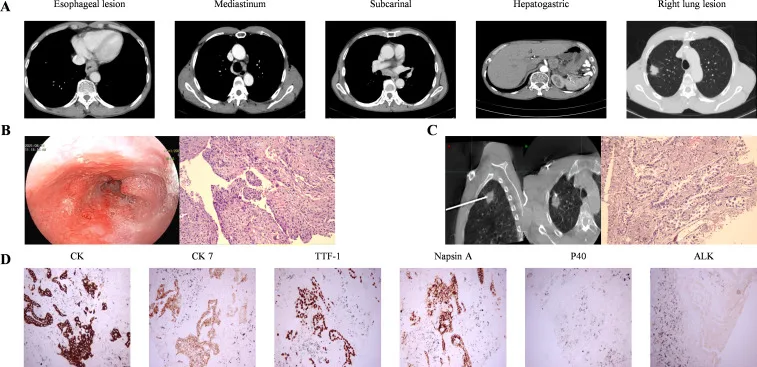
By July 2024, the lung lesion remained in partial response and he was alive 36 months after the synchronous cancer diagnoses, eating well and gaining weight.

PubMed Central
OutcomeResponding Well
A patient, who was diagnosed with Stage IV Lung AdenocarcinomaLung Cancer

ALK-Positive Metastatic Lung Cancer Responding to Lorlatinib During Hemodialysis

Patient Info: Anonymized, female, 70+ | Stage IV

Biomarkers: ALK rearrangement 80%; EGFR and BRAF negative; ROS1 negative; PD-L1 negative

Metastatic Site: brain

After about 1 year of lorlatinib, imaging was almost compatible with a complete response, brain MRI showed no active lesions, and she continued treatment with manageable high cholesterol as the main reported side effect.

PubMed Central
OutcomeResponding Well
Leah, who was diagnosed with Stage IV Lung CancerLung Cancer

Stage IV EGFR Lung Cancer: Leah's Patient Story

Patient Info: Leah Phillips, Female, 40s | Stage IV

Biomarkers: EGFR mutation

Metastatic Site: Not reported

As of December 2024, Leah was recovering well a few weeks after right-middle-lobe lobectomy, but remained a Stage IV EGFR-mutated lung cancer patient needing ongoing treatment and follow-up.

MD Anderson
OutcomeCare Ongoing
Filipe, who was diagnosed with Stage IV Non-Small Cell Lung CancerLung Cancer

Stage IV EGFR Non-Small Cell Lung Cancer: Filipe's Patient Story

Patient Info: Filipe, Male, Under 40 | Stage IV

Biomarkers: EGFR exon 19 deletion

Metastatic Site: brain, bone, left lung, kidney

As of November 2024, Filipe was living with ongoing Stage IV EGFR exon 19-mutated lung cancer after initial response to osimertinib, later progression and current amivantamab plus chemotherapy.

The Patient Story
OutcomeLiving With Cancer
A patient, who was diagnosed with Stage I Lung AdenocarcinomaLung Cancer

Stage I lung adenocarcinoma treated with SBRT after pacemaker relocation

Patient Info: Anonymized, Female, 70+ | Stage I

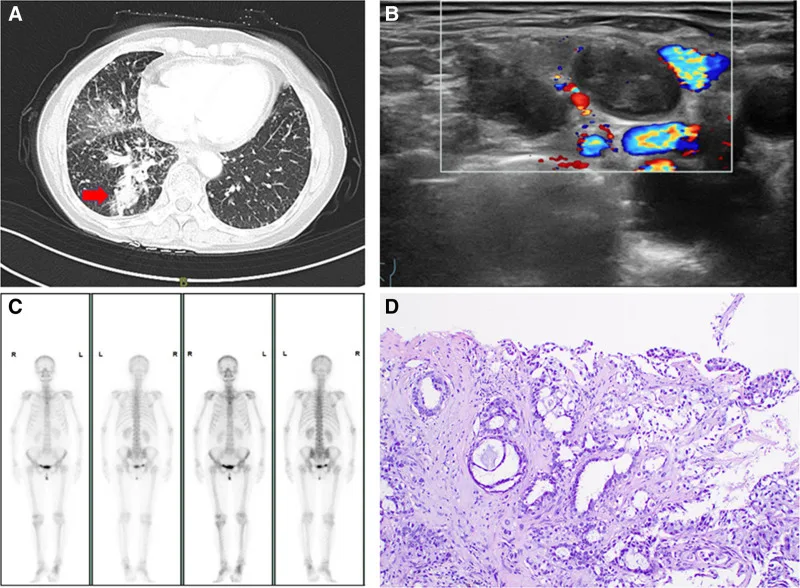
As of December 2024, CT showed complete resolution of the lung ground-glass lesion and no recurrence 4 years and 10 months after SBRT for Stage I lung adenocarcinoma, with stable pacemaker function.

PubMed Central
OutcomeCancer-Free / NED
A patient, who was diagnosed with Stage IV Lung AdenocarcinomaLung Cancer

Lung Adenocarcinoma With Immune-Related Abdominal Inflammation and Later Bone Progression

Patient Info: Anonymized, male | Stage IV

Biomarkers: PD-L1 30%; KRAS G13X mutation; EGFR/ALK/ROS1 negative

Metastatic Site: bone

After several periods of response or stability, lymph-node progression recurred and bone progression was documented in July 2024. Another treatment line was being planned.

PubMed Central
OutcomeSetback / Progression
A patient, who was diagnosed with Stage IV Non-Small Cell Lung CancerLung Cancer

Stage 4 ALK-positive lung cancer: remission on lorlatinib

Patient Info: Anonymized, Male, Under 40 | Stage IV

Biomarkers: ALK-positive rearrangement; TTF-1-positive

Metastatic Site: bilateral lungs, mediastinal lymph nodes, bone, liver,…

Metastatic ALK-positive lung adenocarcinoma remained in radiologic and clinical remission on lorlatinib after CNS progression on earlier ALK-directed therapy and stereotactic radiosurgery.

PubMed Central
OutcomeLiving With Cancer
A patient, who was diagnosed with Stage IV Non-Small Cell Lung CancerLung Cancer

Stage 4 lung cancer with brainstem metastasis: complete remission on chemotherapy

Patient Info: Anonymized, Male, 50s | Stage IV

Metastatic Site: pons, right parietal lobe, brain

Stage IV NSCLC with pontine and right parietal brain metastases achieved complete remission after 2 years of chemotherapy with an anti-VEGF drug; the pontine lesion remained stable, and severe SRS-related central neuropathic pain improved after methadone escalation.

PubMed Central
OutcomeCancer-Free / NED