EGFR Mutation Lung Cancer: 124 Real Stories

124 stories match lung cancer and EGFR mutation. 108 of them mention targeted therapy.

SI
Lung Cancer

Stage IV EGFR Non-Small Cell Lung Cancer: Rachael's Patient Story

Patient Info: Rachael Malmberg, Female | Stage IV

Biomarkers: EGFR-positive; specific alteration not reported

Rachael remained highly active, working full time, leading radon-advocacy organizations, and raising her 6-year-old daughter while living with Stage IV EGFR-positive NSCLC.

LUNGevity
OutcomeLiving With Cancer
Marnie, who was diagnosed with Stage IV Lung CancerLung Cancer

Stage IV EGFR Lung Cancer: Marnie's Patient Story

Patient Info: Marnie Clark, Female | Stage IV

Biomarkers: EGFR-positive

Metastatic Site: brain

Two years after diagnosis, Marnie reported that the brain tumor was gone, her leg was almost back to normal, and her first targeted medication continued to control the lung cancer.

LUNGevity
OutcomeResponding Well
A patient, who was diagnosed with Non-Small Cell Lung CancerLung Cancer

The Pervasive Stigma Associated With Lung Cancer

Patient Info: Anonymized

Biomarkers: EGFR exon 19 deletion

After right upper lobectomy and chemotherapy, the patient continued a daily targeted-therapy tablet for EGFR exon 19-deleted lung adenocarcinoma.

LUNGevity
OutcomeCare Ongoing
Donna, who was diagnosed with Non-Small Cell Lung CancerLung Cancer

EGFR Non-Small Cell Lung Cancer: Donna's Patient Story

Patient Info: Donna Thompson, Female, 40s

Biomarkers: EGFR-positive lung cancer reported during recurrence; initial tumor biomarker status not reported

Recurrent NSCLC after earlier Stage II surgery and limited chemotherapy; later EGFR-targeted therapy caused kidney failure, 2 new spots were radiated in July 2025, and new nodules are under watchful monitoring.

GO2 Foundation
OutcomeSetback / Progression
Lexi, who was diagnosed with Stage IV Non-Small Cell Lung CancerLung Cancer

Stage IV EGFR Non-Small Cell Lung Cancer: Lexi's Patient Story

Patient Info: Lexi, Female, Under 40 | Stage IV

Biomarkers: EGFR exon 20 mutation

Metastatic Site: Bone — left leg and hip

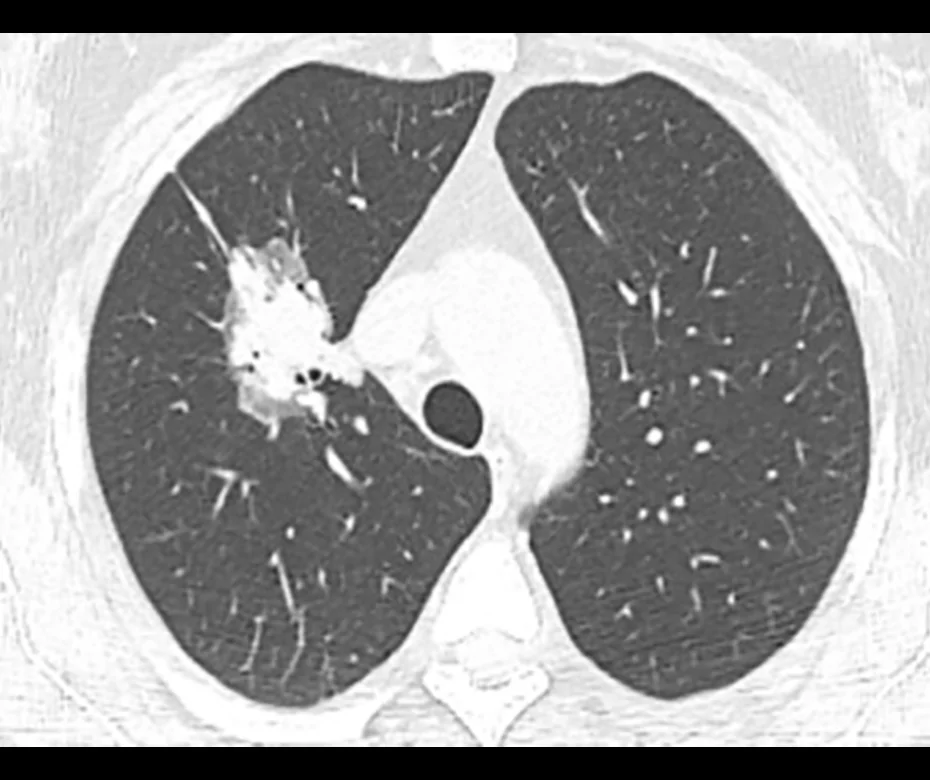
Living with Stage IV EGFR exon 20 metastatic NSCLC involving bone, after chemotherapy, targeted therapy, a drug trial, and surgery to remove the primary lung mass; latest disease-control status is not clearly stated.

Lung Cancer Research Foundation
OutcomeLiving With Cancer
Lauren, who was diagnosed with Stage III Non-Small Cell Lung CancerLung Cancer

Stage III EGFR Non-Small Cell Lung Cancer: Lauren's Survivor Story

Patient Info: Lauren, Female, Under 40 | Stage III

Biomarkers: EGFR mutation

No evidence of cancer on 1-year scan after fertility preservation, chemotherapy, radiation, and removal of half the left lung for Stage III EGFR-mutated lung cancer.

Lung Cancer Research Foundation
OutcomeCancer-Free / NED
Bill, who was diagnosed with Stage IV Non-Small Cell Lung CancerLung Cancer

Stage IV EGFR Non-Small Cell Lung Cancer: Bill's Patient Story

Patient Info: Bill, Male | Stage IV

Biomarkers: EGFR exon 21 mutation

Metastatic Site: Spine; brain; hips/bone

Stage IV EGFR exon 21 lung cancer improved in brain and spine on osimertinib, but later lung-mass growth led to clinical-trial treatment; Bill remained active in advocacy and felt positive about progress.

Lung Cancer Research Foundation
OutcomeSetback / Progression
Joanne, who was diagnosed with Non-Small Cell Lung CancerLung Cancer

EGFR Non-Small Cell Lung Cancer: Joanne's Patient Story

Patient Info: Joanne, Female, 60s

Biomarkers: EGFR exon deletion 19 mutation

Ongoing care after right upper-lobe resection, 4 rounds of chemotherapy, and daily Tagrisso for EGFR exon 19 deletion lung adenocarcinoma; formal stage is not stated in the story.

Lung Cancer Research Foundation
OutcomeCare Ongoing
Julie, who was diagnosed with Stage I Lung AdenocarcinomaLung Cancer

Stage I EGFR Lung Adenocarcinoma: Julie's Patient Story

Patient Info: Julie, Female, 40s | Stage I

Biomarkers: EGFR exon 19 deletion

Ongoing care after Stage IB EGFR exon 19 lung adenocarcinoma treated with lower left lobectomy and Tagrisso/osimertinib, with CT and MRI surveillance; no recurrence/NED statement is explicitly provided.

Lung Cancer Research Foundation
OutcomeCare Ongoing
Gerri, who was diagnosed with Stage IV Non-Small Cell Lung CancerLung Cancer

Stage IV EGFR Non-Small Cell Lung Cancer: Gerri's Patient Story

Patient Info: Gerri, Female | Stage IV

Biomarkers: EGFR-positive / EGFR-mutated

Metastatic Site: Not reported

Living actively with Stage IV EGFR-positive NSCLC after wedge resection and unnamed EGFR-directed targeted therapy, with major hiking and travel goals continuing after diagnosis.

Lung Cancer Research Foundation
OutcomeLiving With Cancer
Ivy, who was diagnosed with Lung CancerLung Cancer

EGFR Lung Cancer: Ivy's Patient Story

Patient Info: Ivy Elkins, Female

Biomarkers: EGFR-mutated

Ivy Elkins passed away and is remembered for her EGFR-mutated lung cancer advocacy, co-founding EGFR Resisters, patient representation, fundraising, and research-community bridge building.

Lung Cancer Research Foundation
OutcomeIn Memory
Dann, who was diagnosed with Stage IV Lung CancerLung Cancer

Stage IV EGFR Lung Cancer: Dann's Patient Story

Patient Info: Dann Wonser, Male, 40s | Stage IV

Biomarkers: EGFR mutation; T790M mutation

Metastatic Site: Not reported

Dann Wonser passed away on June 30, 2024, 18 years after being diagnosed at age 49 with Stage IV EGFR/T790M-mutated lung cancer.

Lung Cancer Research Foundation
OutcomeIn Memory
Rhonda, who was diagnosed with Stage IV Non-Small Cell Lung CancerLung Cancer

Stage IV EGFR Non-Small Cell Lung Cancer: Rhonda's Patient Story

Patient Info: Rhonda Martin, Female | Stage IV

Biomarkers: EGFR-positive mutation

Metastatic Site: Brain; spine; hip bone; lymph nodes; cerebrospinal…

Rhonda Martin passed away on January 9, 2023 from complications of Stage IV EGFR-positive lung cancer, nearly 5 years after diagnosis in March 2018.

Lung Cancer Research Foundation
OutcomeIn Memory
A patient, who was diagnosed with Stage IV Lung AdenocarcinomaLung Cancer

More than 5 years living with metastatic lung adenocarcinoma after stepwise molecular testing

Patient Info: Anonymized, Female, 50s | Stage IV

Biomarkers: HER2 amplification, EGFR L858R mutation, PD-L1 <1%

Metastatic Site: brain, lung

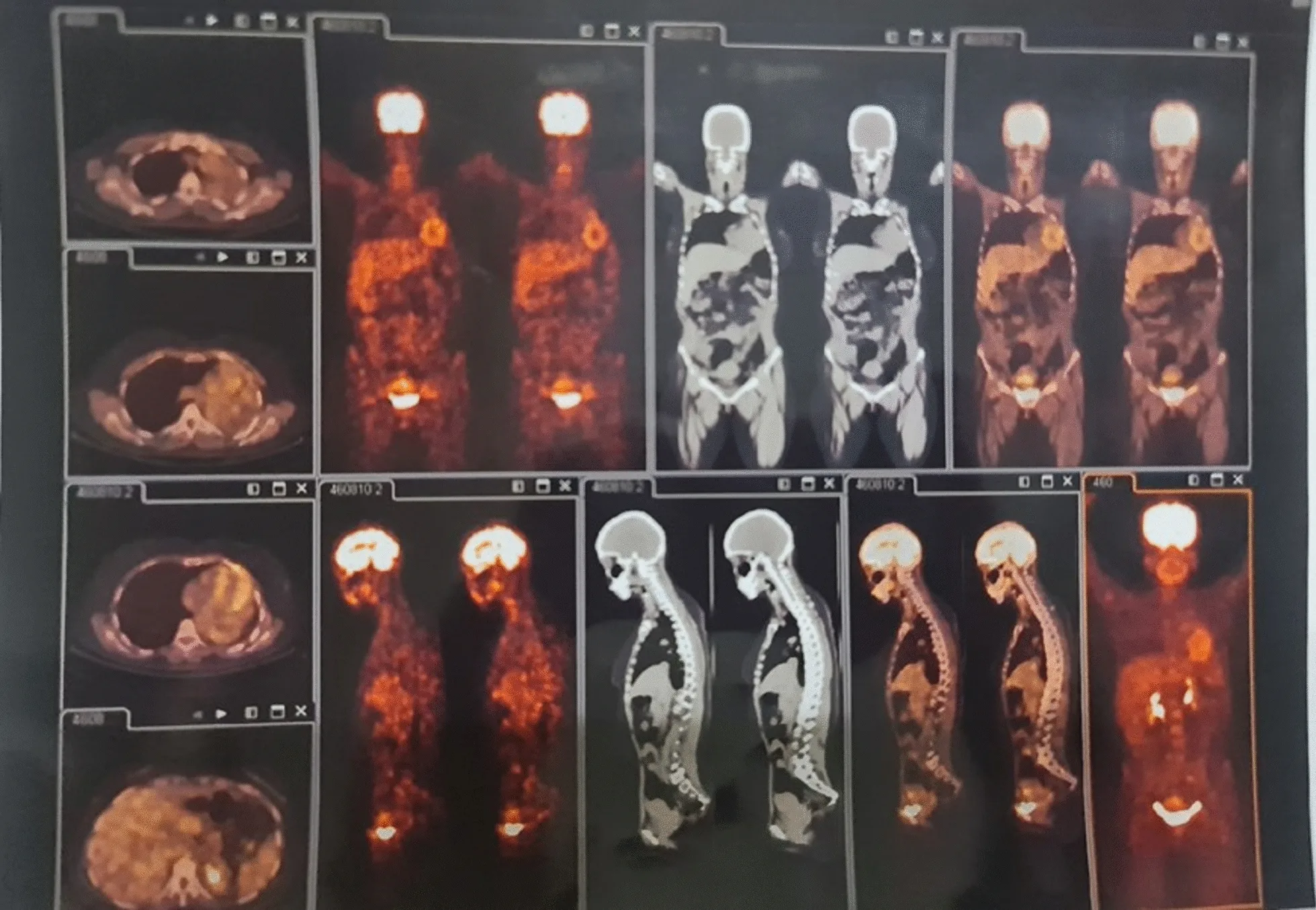
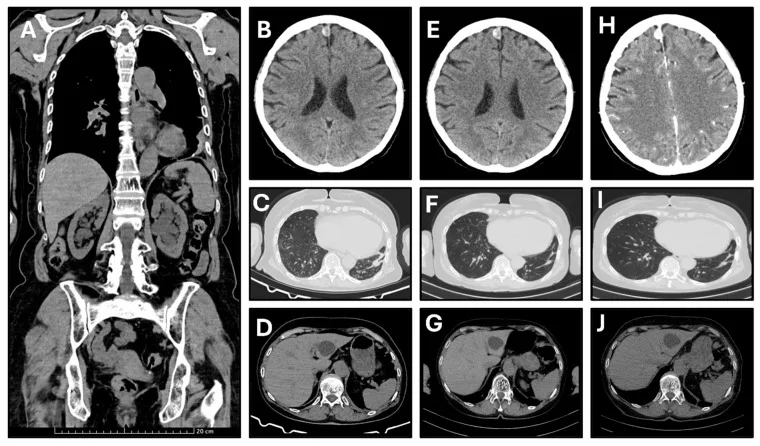
As of April 2026, she remained on gefitinib with no active tumor lesions after complete regression of lung metastases, more than 5 years (66 months) after her original diagnosis.

PubMed Central
OutcomeResponding Well
A patient, who was diagnosed with Stage IV Lung Squamous Cell CarcinomaLung Cancer

EGFR-mutated Stage IV squamous lung cancer treated with osimertinib

Patient Info: Anonymized, Male, 70+ | Stage IV

Biomarkers: EGFR L858R mutation; PD-L1 TPS 5%

Metastatic Site: pleura, bone

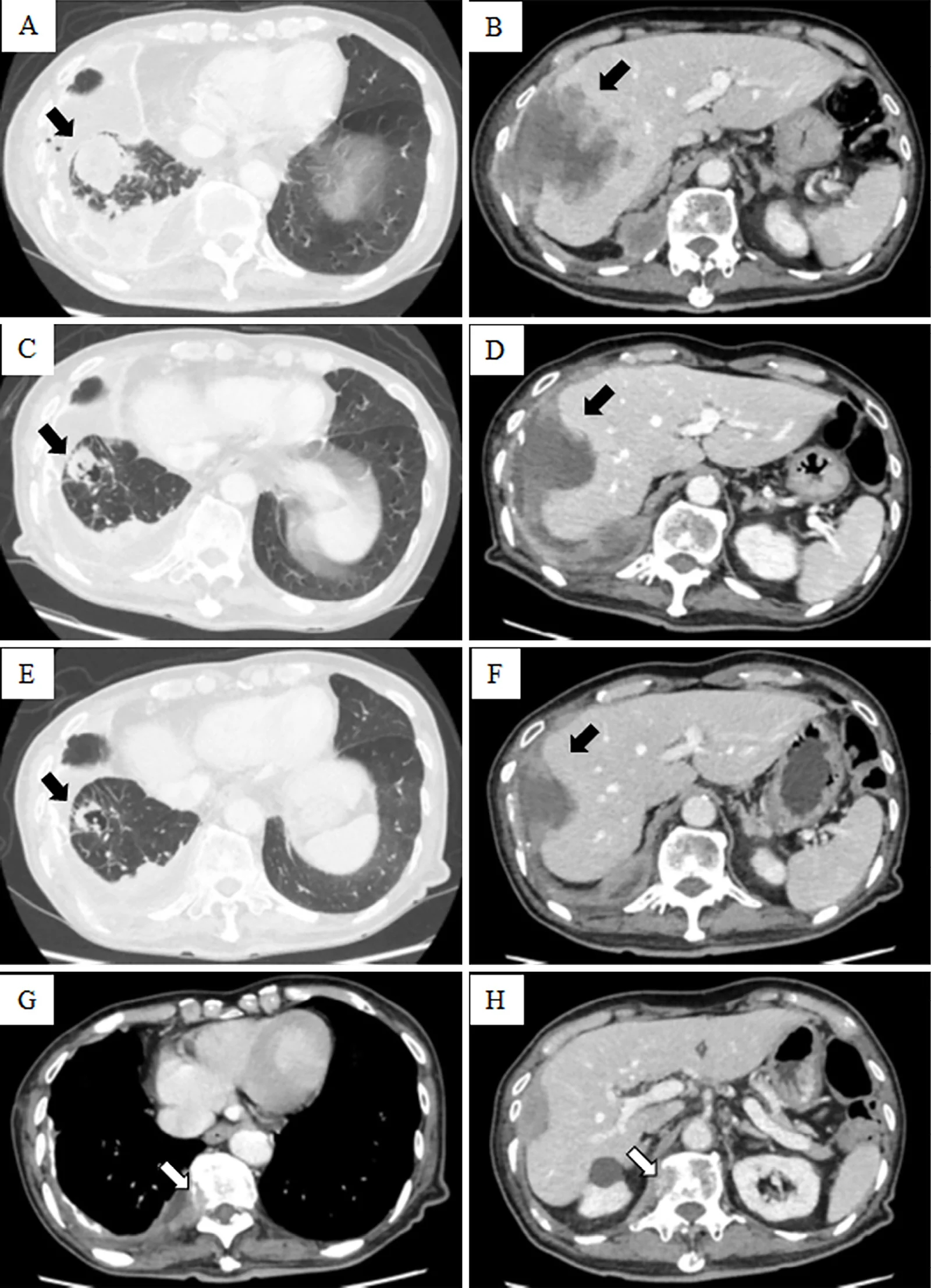
Osimertinib produced an early partial response, but new vertebral bone metastases appeared after 12 weeks. He declined cytotoxic chemotherapy and continued osimertinib.

PubMed Central
OutcomeSetback / Progression
Anne, who was diagnosed with Stage IV Lung CancerLung Cancer

Stage IV EGFR Lung Cancer: Anne's Patient Story

Patient Info: Anne, Female | Stage IV

Biomarkers: EGFR-positive

Metastatic Site: spine; hips; lymph nodes; liver

Anne maintained a good quality of life for about 1 year on an oral EGFR-targeted medicine and later entered a clinical trial while continuing lung-cancer advocacy.

The Patient Story
OutcomeLiving With Cancer / Clinical Trial
Rosee, who was diagnosed with Stage IV Non-Small Cell Lung CancerLung Cancer

Stage IV EGFR Non-Small Cell Lung Cancer: Rosee's Patient Story

Patient Info: Rosee, Female | Stage IV

Biomarkers: EGFR mutation; specific variant not reported

Metastatic Site: brain

Within weeks of starting osimertinib, Rosee’s tumors shrank significantly, migraines and vertigo resolved, and hearing began to return; she remained on treatment and active in advocacy.

Lung Cancer Research Foundation
OutcomeResponding Well
Shannon, who was diagnosed with Stage IV Lung CancerLung Cancer

Stage IV EGFR Lung Cancer: Shannon's Survivor Story

Patient Info: Shannon, Female, Under 40 | Stage IV

Biomarkers: EGFR mutation; TP53 mutation

Metastatic Site: cervical spine (C1/C2 and C4/C6), liver

As of June 2026, Shannon described no evidence of active disease: visible tumors were gone, the original lung mass had decreased from 10.8 cm to a 3.8 cm cavity, and targeted therapy continued to suppress possible remaining cells.

The Patient Story
OutcomeCancer-Free / NED
A patient, who was diagnosed with Stage IV Lung AdenocarcinomaLung Cancer

EGFR-mutated lung cancer responds after acquired ROS1 resistance

Patient Info: Anonymized, Female, 50s | Stage IV

Biomarkers: EGFR L858R mutation; acquired ROS1 rearrangement

Metastatic Site: pleura

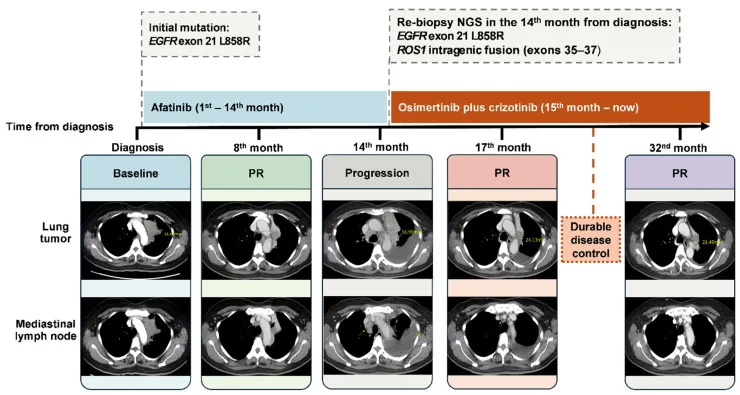
She remained on osimertinib plus crizotinib with a sustained clinical and radiologic response for more than 18 months.

PubMed Central
OutcomeResponding Well
A patient, who was diagnosed with Stage IV Lung AdenocarcinomaLung Cancer

Stage IV EGFR-mutated lung cancer responds after targeted therapy intolerance

Patient Info: Anonymized, Female, 50s | Stage IV

Biomarkers: EGFR L858R mutation; PIK3CA E545K mutation; acquired ROS1 rearrangement

Metastatic Site: pleura|pericardium|bone|lungs

Chemotherapy produced a partial response that remained sustained for 7 months at the latest follow-up.

PubMed Central
OutcomeResponding Well
A patient, who was diagnosed with Stage IV Lung AdenocarcinomaLung Cancer

EGFR-mutated Stage IV lung cancer with later brain progression

Patient Info: Anonymized, Female, 60s | Stage IV

Biomarkers: EGFR exon 19 deletion; acquired EGFR C797S mutation; acquired ROS1 rearrangement

Metastatic Site: brain|bone

She died about 20 months after diagnosis after brain progression and a severe postoperative stroke.

PubMed Central
OutcomeIn Memory
A patient, who was diagnosed with Stage IV Lung AdenocarcinomaLung Cancer

Stage IVA EGFR-mutated lung adenocarcinoma: stable disease on first-line osimertinib

Patient Info: Anonymized, Female, 70+ | Stage IV

Biomarkers: EGFR exon 19 deletion; baseline EGFR exon 20 T790M mutation; ALK IHC negative; PD-L1 TPS 30%; TTF-1-positive

Metastatic Site: pleura; malignant pleural-pericardial adhesions

As of April 2026, she had stable disease for more than 9 months on first-line osimertinib, with no progressive disease, no recurrent pleural effusion, ECOG improvement from 2 to 0, and no treatment-related adverse events.

PubMed Central
OutcomeResponding Well