Crizotinib for Lung Cancer: 14 Real Stories

14 stories match lung cancer and crizotinib. 7 of them mention chemotherapy.

A patient, who was diagnosed with Stage IV Lung AdenocarcinomaLung Cancer

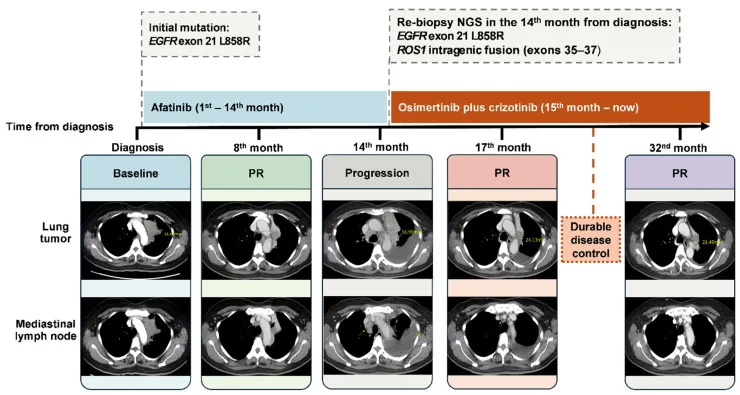
EGFR-mutated lung cancer responds after acquired ROS1 resistance

Patient Info: Anonymized, Female, 50s | Stage IV

Biomarkers: EGFR L858R mutation; acquired ROS1 rearrangement

Metastatic Site: pleura

She remained on osimertinib plus crizotinib with a sustained clinical and radiologic response for more than 18 months.

PubMed Central
OutcomeResponding Well
A patient, who was diagnosed with Stage IV Lung AdenocarcinomaLung Cancer

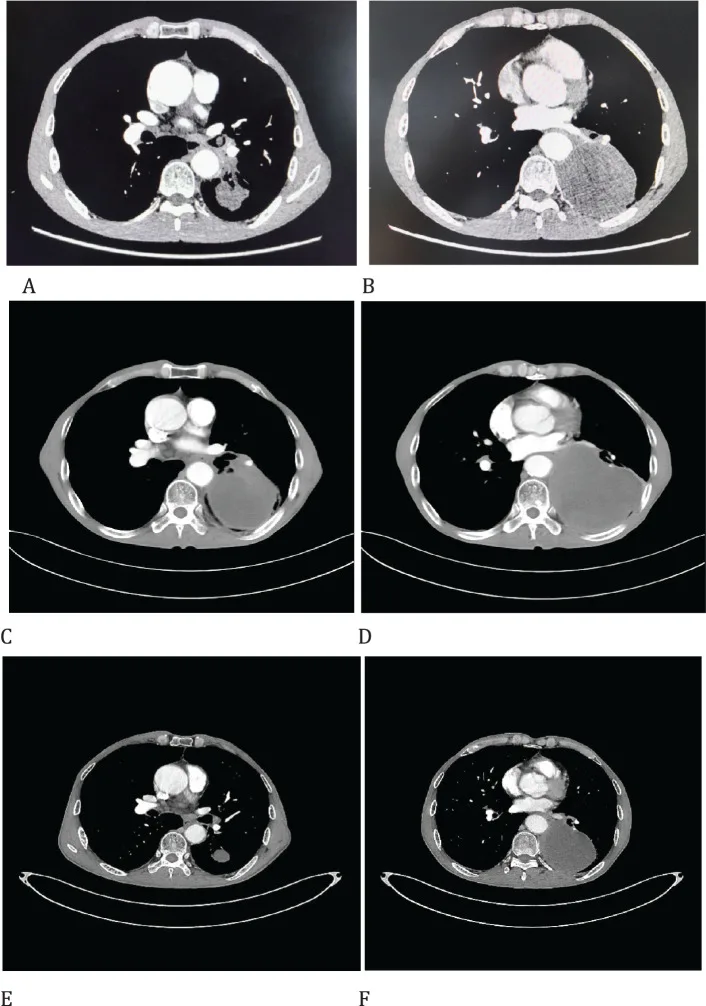
Stage IV EGFR-mutated lung cancer responds after targeted therapy intolerance

Patient Info: Anonymized, Female, 50s | Stage IV

Biomarkers: EGFR L858R mutation; PIK3CA E545K mutation; acquired ROS1 rearrangement

Metastatic Site: pleura|pericardium|bone|lungs

Chemotherapy produced a partial response that remained sustained for 7 months at the latest follow-up.

PubMed Central
OutcomeResponding Well
A patient, who was diagnosed with Stage IV Lung AdenocarcinomaLung Cancer

EGFR-mutant lung adenocarcinoma with acquired ROS1 rearrangement after EGFR-TKI resistance

Patient Info: Anonymized, Female, 50s | Stage IV

Biomarkers: EGFR exon 19 deletion; acquired EGFR T790M; acquired EZR exon10-ROS1 exon34 rearrangement

Metastatic Site: bone (distal femur); contralateral lung;…

After fourth-line crizotinib for acquired EZR-ROS1 rearrangement, response evaluation on August 27, 2025 showed partial response, and September 2025 bone scan showed stable bone lesions.

PubMed Central
OutcomeResponding Well
A patient, who was diagnosed with Stage IV Non-Small Cell Lung CancerLung Cancer

ROS1-rearranged Stage IV lung adenocarcinoma: sequential targeted therapy and 73-month survival

Patient Info: Anonymized, Female, 60s | Stage IV

Biomarkers: CD74-ROS1 C6:R33 fusion; CTNNB1 p.Thr41Ala; APC p.Glu601fs; acquired ROS1 resistance mutation; mTOR p. mutation; FGFR3 gene amplification

Metastatic Site: contralateral lung nodules, brain, pleura

She died on October 6, 2024, after sequential crizotinib, lorlatinib, and cabozantinib for Stage IV ROS1-rearranged lung adenocarcinoma, with total overall survival of 73 months from diagnosis.

PubMed Central
OutcomeIn Memory
Luna, who was diagnosed with Stage IV Lung AdenocarcinomaLung Cancer

Stage IV ROS1 Lung Adenocarcinoma: Luna's Patient Story

Patient Info: Luna, Female, 50s | Stage IV

Biomarkers: ROS1 rearrangement; EGFR negative; ALK negative

Metastatic Site: liver; bones

Luna had Stage IV ROS1-positive lung adenocarcinoma with liver and bone metastases. After progression on initial chemotherapy, crizotinib led to tumor shrinkage and controlled her cancer for almost 12 years as of March 2025.

The Patient Story
OutcomeResponding Well
A patient, who was diagnosed with Stage IV Lung AdenocarcinomaLung Cancer

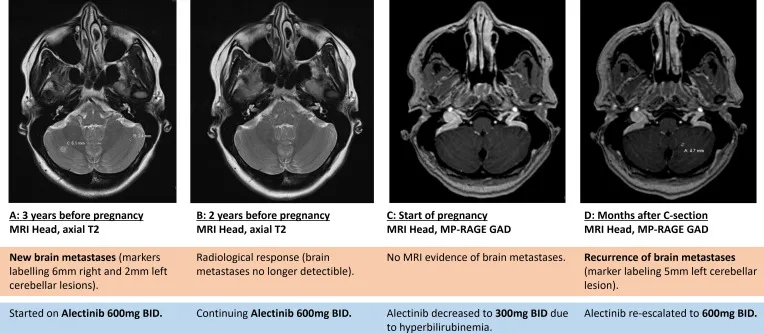
ALK-positive lung cancer treated with alectinib throughout pregnancy

Patient Info: Anonymized, Female | Stage IV

Biomarkers: ALK rearrangement / fusion-positive

Metastatic Site: pleura; liver; bone; brain

Alectinib produced a complete radiologic response and maintained intracranial control through pregnancy. She delivered a healthy infant at 37 weeks, with normal development at 26 months.

PubMed Central
OutcomeResponding Well
Amy, who was diagnosed with Stage IV Lung Squamous Cell CarcinomaLung Cancer

Living with Stage 4 Lung Cancer (Plus Radiation & My Follow Up!) | Amy’s Story (3 of 3)

Patient Info: Amy, Female | Stage IV

Biomarkers: MET amplification

Metastatic Site: Bone/femur and hips; adrenal gland

As of July 2022, Amy was 3.5 years after Stage IV squamous cell lung cancer diagnosis, not NED but stable for about 3 years on Crizotinib with ongoing imaging and local treatment to lung/adrenal sites.

The Patient Story
OutcomeLiving With Cancer
Amy, who was diagnosed with Stage IV Lung Squamous Cell CarcinomaLung Cancer

Stage IV MET Lung Squamous Cell Carcinoma: Amy's Patient Story

Patient Info: Amy, Female | Stage IV

Biomarkers: MET amplification

Metastatic Site: Bone/femur; lymph nodes; shoulder; adrenal glands;…

As of July 2022, Amy had a rapid and strong response to Crizotinib after MET amplification was found, with pain and lumps improving within about 2 weeks after Keytruda had failed.

The Patient Story
OutcomeResponding Well
A patient, who was diagnosed with Lung AdenocarcinomaLung Cancer

ROS1-positive lung adenocarcinoma presenting with cancer spread across the abdomen

Patient Info: Anonymized, Male, 50s | Stage Metastatic/Advanced

Biomarkers: ROS1 rearrangement-positive; high PD-L1 expression.

Metastatic Site: peritoneum and omentum; pleura

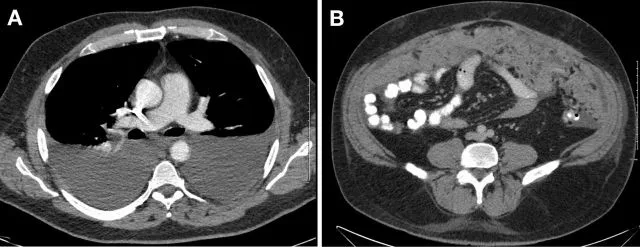
Crizotinib relieved his respiratory and abdominal symptoms, and six-month imaging showed no residual disease or progression while treatment continued.

PubMed Central
OutcomeResponding Well
James, who was diagnosed with Stage IV Non-Small Cell Lung CancerLung Cancer

Stage IV ALK Non-Small Cell Lung Cancer: James's Patient Story

Patient Info: James “Rocky” Lagno, Male | Stage IV

Biomarkers: ALK-positive

Metastatic Site: brain

After starting ceritinib through compassionate use, Rocky reported stable disease from the middle of 2013 with quality of life close to his pre-diagnosis level, while recognizing that he was not in remission or cancer-free.

AACR
OutcomeStable Disease
Amanda, who was diagnosed with Stage IV Lung AdenocarcinomaLung Cancer

Stage IV ALK Lung Adenocarcinoma: Amanda's Survivor Story

Patient Info: Amanda Nerstad, Under 40 | Stage IV

Biomarkers: ALK-positive

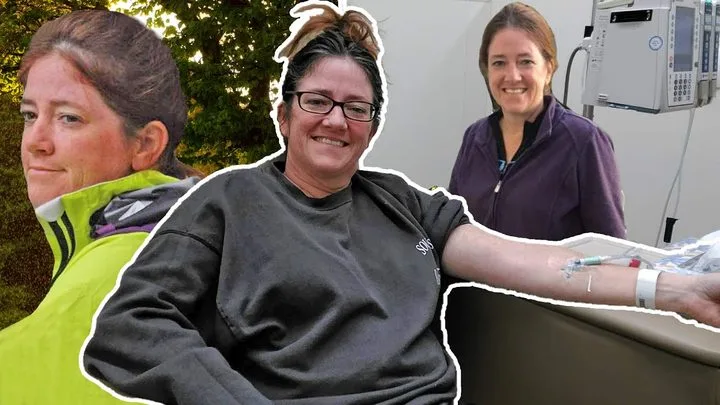
She achieved a complete metabolic response on alectinib and had shown no evidence of disease since November 2017 while continuing treatment.

MD Anderson
OutcomeCancer-Free / NED