Etoposide for Lung Cancer: 46 Real Stories

46 stories match lung cancer and etoposide. 45 of them mention chemotherapy.

A patient, who was diagnosed with Small Cell Lung CancerLung Cancer

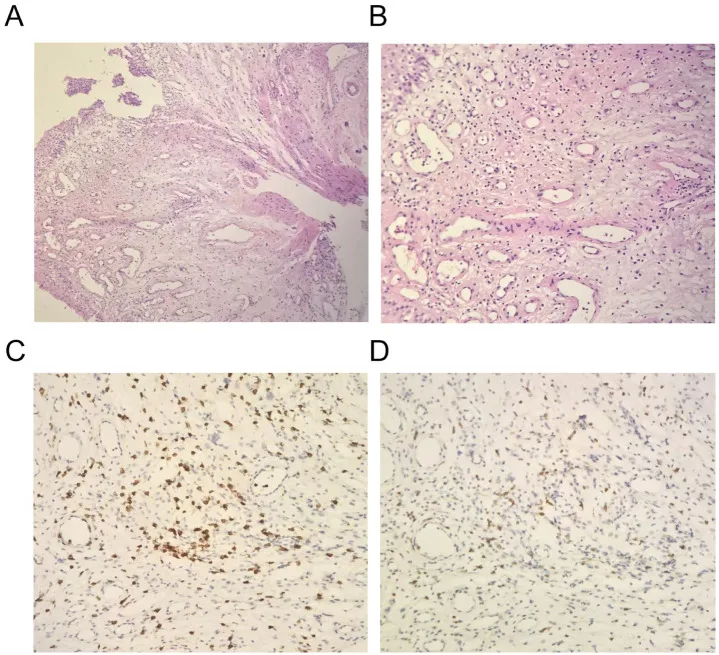
Extensive-stage small cell lung cancer: multi-line treatment complicated by glucocorticoid-refractory immune-related cystitis

Patient Info: Anonymized, Male, 50s

Biomarkers: No molecular biomarkers reported for SCLC. Bladder biopsy during cystitis showed mostly CD3/CD8-positive T-cell inflammation.

As of December 2025, the cancer had progressed through multiple systemic lines, new brain metastasis had appeared, and care had shifted to palliative symptomatic treatment; immune-related cystitis had resolved after prednisone plus mycophenolate mofetil.

PubMed Central
OutcomeSetback / Progression
Montessa, who was diagnosed with Small Cell Lung CancerLung Cancer

Small Cell Lung Cancer: Montessa's Survivor Story

Patient Info: Montessa, Female, Under 40

As of June 2026, Montessa was sharing her recovery after limited-stage small cell lung cancer treatment with concurrent chemotherapy and radiation followed by brain radiation.

The Patient Story
OutcomeSurvivorship / Completed Treatment
A patient, who was diagnosed with Small Cell Lung CancerLung Cancer

Stage IIIA small-cell lung cancer with anti-NMDAR encephalitis: initial complete response, recurrence, and death

Patient Info: Anonymized, Male, 60s

Biomarkers: CSF positive for anti-NMDAR antibodies; no tumor molecular biomarkers reported

The patient initially had rapid neurologic recovery and complete radiologic response after carboplatin, etoposide, and atezolizumab, but the primary lung lesion recurred 7 months later and he died 21 months after disease onset.

PubMed Central
OutcomeIn Memory
A patient, who was diagnosed with Small Cell Lung CancerLung Cancer

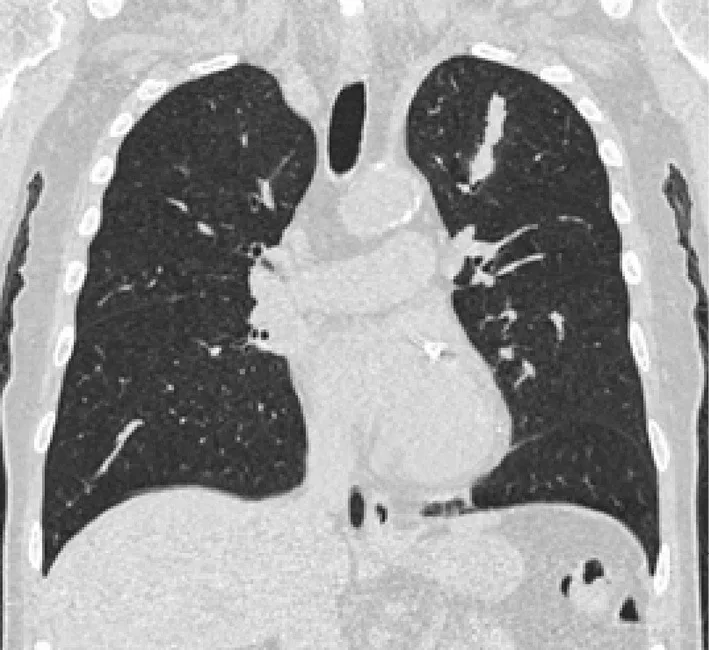
Small-cell lung cancer: envafolimab response complicated by immune-related diabetes, pneumonitis, and later submandibular progression

Patient Info: Anonymized, Male, 60s | Stage Metastatic/Advanced

Biomarkers: ProGRP and NSE were elevated at diagnosis. Tumor molecular biomarkers were not reported; diabetes antibodies were negative.

Metastatic Site: left submandibular region / adjacent lymph nodes

After initial partial response on envafolimab, carboplatin, etoposide, and thoracic radiotherapy, he developed immune-related diabetes, pneumonitis, and progressive left submandibular metastatic disease requiring iodine-125 seeds and later anlotinib.

PubMed Central
OutcomeSetback / Progression
A patient, who was diagnosed with Stage IV Small Cell Lung CancerLung Cancer

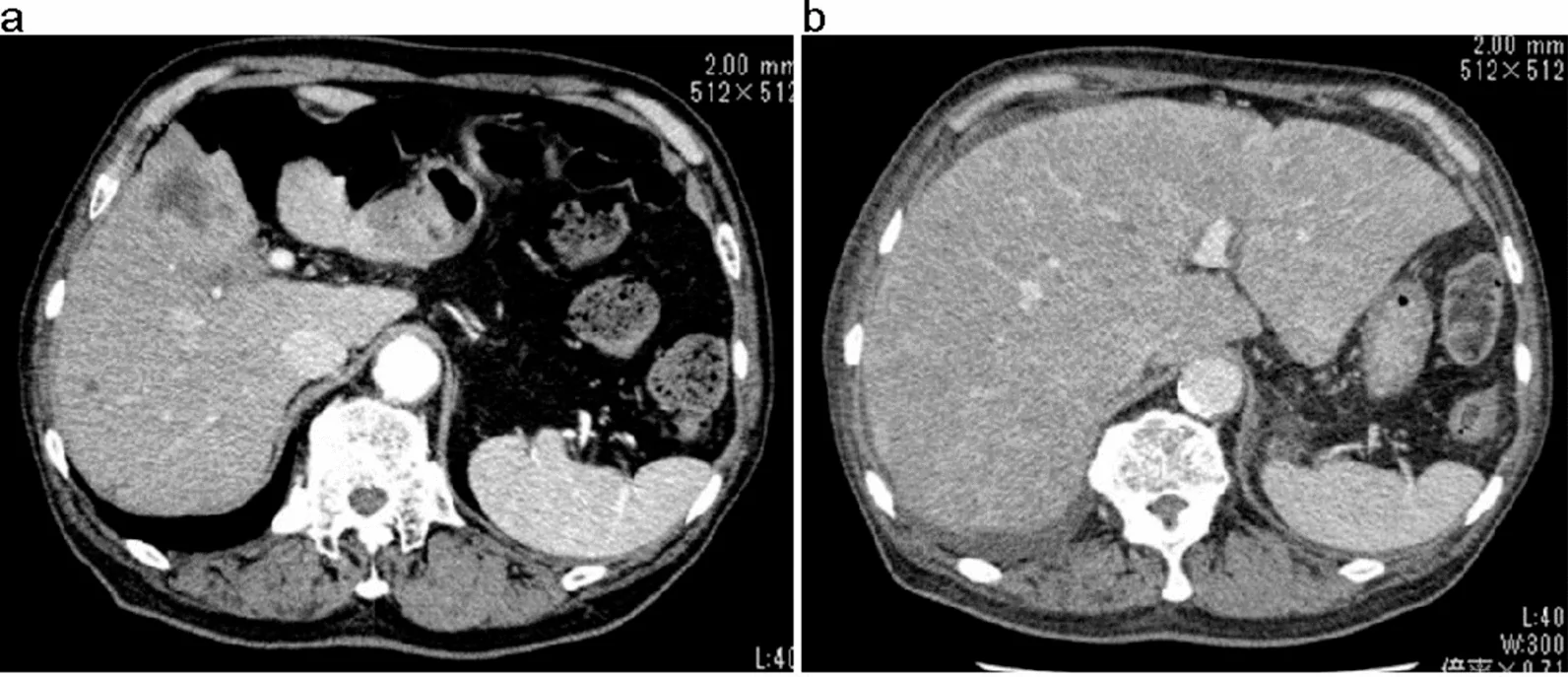
Stage IV small cell lung cancer: complete tumor response with recovery from paraneoplastic limbic encephalitis

Patient Info: Anonymized, Male, 60s | Stage IV

Biomarkers: Small-cell lung cancer markers included TTF-1/chromogranin-A with Ki-67 90%. Paraneoplastic testing showed GABA-B receptor IgG positive.

Metastatic Site: adrenal glands, diaphragmatic lymph nodes, lungs,…

After 4 cycles of chemotherapy, PET showed complete tumor response. He was alive, clinically well, fully recovered from neurologic symptoms, and April 2025 brain MRI showed improvement of limbic encephalitis changes with evolution toward hippocampal atrophy.

PubMed Central
OutcomeResponding Well
A patient, who was diagnosed with Stage IV Small Cell Lung CancerLung Cancer

Extensive-stage small-cell lung cancer with serplulimab-associated diabetes: care ongoing

Patient Info: Anonymized, Male, 60s | Stage IV

Biomarkers: Tumor biomarkers not reported. Diabetes workup after immunotherapy: autoantibodies negative, C-peptide very low.

After 11 days in the hospital, diabetic ketoacidosis was controlled; he continued insulin therapy with good glucose control and resumed serplulimab plus levothyroxine.

PubMed Central
OutcomeCare Ongoing
A patient, who was diagnosed with Stage IV Small Cell Lung CancerLung Cancer

Extensive-stage small-cell lung cancer with serplulimab-associated diabetes

Patient Info: Anonymized, Male, 70+ | Stage IV

Biomarkers: Tumor biomarkers not reported. Diabetes autoantibodies were negative, C-peptide was low, and hypothyroidism labs were severe.

After 10 days of hospitalization, diabetic ketoacidosis was controlled; he was discharged on insulin therapy and resumed serplulimab immunotherapy.

PubMed Central
OutcomeCare Ongoing
A patient, who was diagnosed with Stage IV Small Cell Lung CancerLung Cancer

Extensive-stage small-cell lung cancer with immune-related diabetes and stable disease at 2 years

Patient Info: Anonymized, Female, 60s | Stage IV

Biomarkers: Tumor PD-L1 not reported. Immune-related diabetes showed very low C-peptide and negative diabetes autoantibodies; thyroiditis also occurred.

Metastatic Site: pancreas; pleura/pleural effusion; mediastinal lymph…

Two years after the SCLC diagnosis, she was alive with stable oncologic disease after later brain metastases were treated with whole-brain radiotherapy, and she remained insulin-dependent.

PubMed Central
OutcomeLiving With Cancer
A patient, who was diagnosed with Stage IV Small Cell Lung CancerLung Cancer

Stage IVA lung cancer with small-cell and adenocarcinoma components: mixed response before infection halted treatment

Patient Info: Anonymized, Male, 70+ | Stage IV

Biomarkers: PD-L1 <1%

Metastatic Site: bone (C2, T10, sacral vertebrae); malignant pleural…

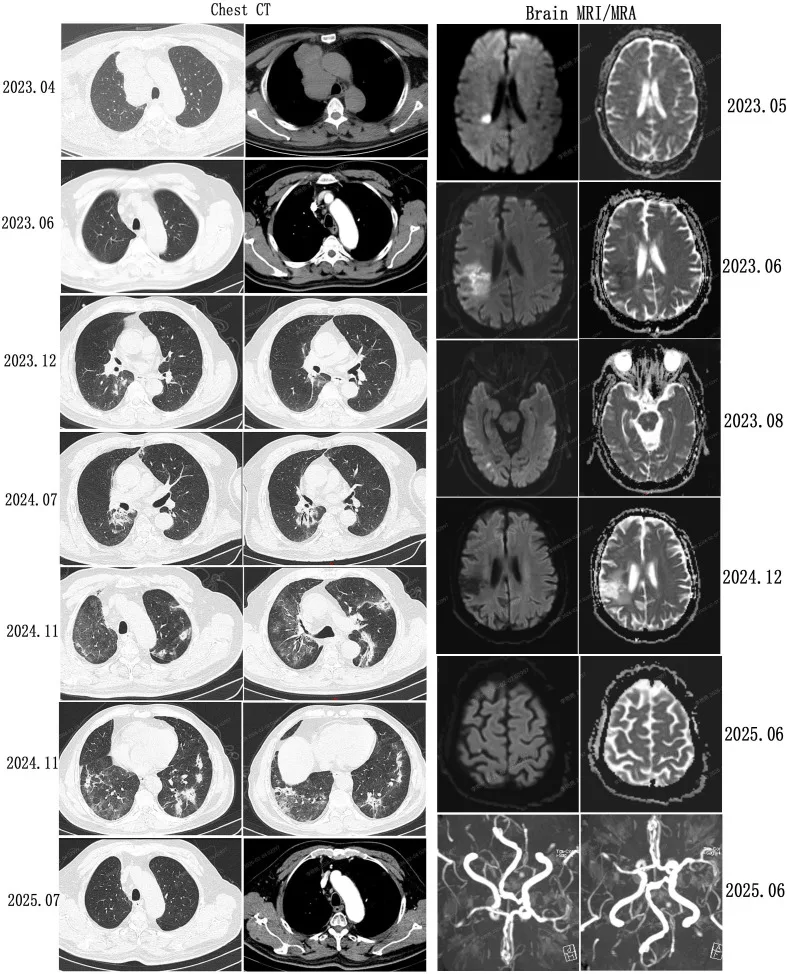
The lung cancer showed mixed responses, with right-lung small-cell progression after chemotherapy/immunotherapy and later treatment interruption because of severe lung infection and respiratory failure.

PubMed Central
OutcomeSetback / Progression
A patient, who was diagnosed with Stage IV Small Cell Lung CancerLung Cancer

Extensive-stage small cell lung cancer with brain and adrenal progression after prolonged disease control

Patient Info: Anonymized, Male, 50s | Stage IV

Biomarkers: Small-cell lung cancer markers included CD56, CgA and TTF-1; Ki-67 was 80%.

Metastatic Site: brain, right adrenal gland, left adrenal gland

After 31 months of stability on second-line anlotinib with palliative chemoradiotherapy, disease progressed in July 2024 with new brain lesions and adrenal progression; the patient declined additional systemic options and continued anlotinib.

PubMed Central
OutcomeSetback / Progression
A patient, who was diagnosed with Small Cell Lung CancerLung Cancer

Limited-stage small cell lung cancer with no recurrence after 14 years

Patient Info: Anonymized, Female, 60s

Biomarkers: SCLC markers: CD56/TTF-1 positive. Essential thrombocythemia had JAK2 . Cancer predisposition gene testing was negative.

More than 14 years after limited-stage SCLC diagnosis, surveillance imaging confirmed no recurrence, while essential thrombocythemia remained controlled with weekly Pegasys.

PubMed Central
OutcomeCancer-Free / NED
A patient, who was diagnosed with Stage IV Small Cell Lung CancerLung Cancer

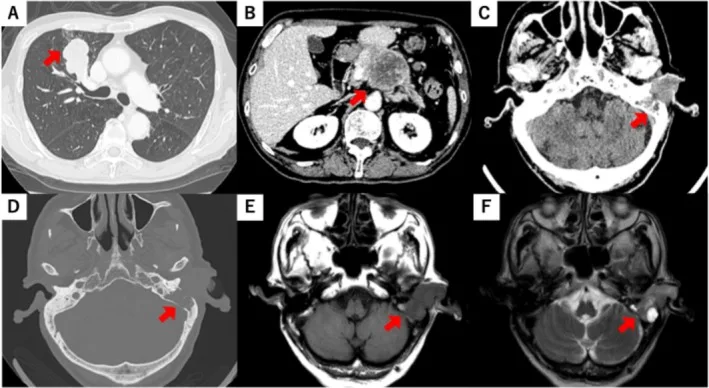
Small Cell Lung Cancer That Spread to the Ear Canal

Patient Info: Anonymized, male, 70+ | Stage IV

Metastatic Site: external auditory canal, middle ear, pancreas, bone

The metastatic lesions initially shrank and his hearing and ear pain improved, but he died 15 months after diagnosis.

PubMed Central
OutcomeIn Memory
A patient, who was diagnosed with Stage IV Small Cell Lung CancerLung Cancer

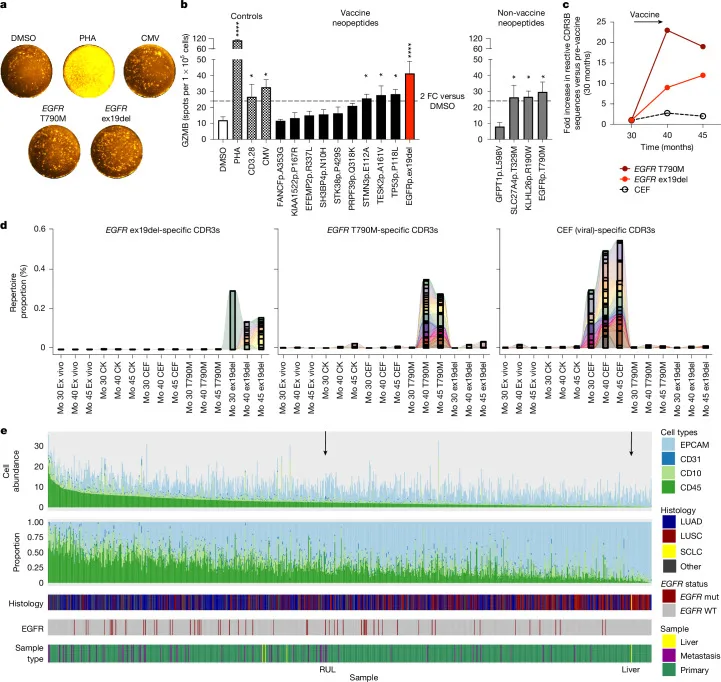
EGFR-Mutant Lung Adenocarcinoma That Transformed to Small Cell Lung Cancer

Patient Info: Anonymized, female, 40s | Stage IV

Biomarkers: EGFR exon 19 deletion; acquired EGFR T790M mutation

Metastatic Site: liver

The cancer progressed after transformation to small cell lung cancer, and she died 49 months after the original diagnosis.

PubMed Central
OutcomeIn Memory