Afatinib for Lung Cancer: 38 Real Stories

38 stories match lung cancer and afatinib. 37 of them mention targeted therapy.

Carla, who was diagnosed with Stage IV Lung CancerLung Cancer

Stage IV Lung Cancer: Carla's Patient Story

Patient Info: Carla, Female | Stage IV

Metastatic Site: brain

After repeated resistance and a serious episode involving a brain lesion and extensive fluid around the lung, Carla recovered and was stable without new symptoms on her eighth line of treatment.

LUNGevity
OutcomeResponding Well
A patient, who was diagnosed with Stage IV Lung AdenocarcinomaLung Cancer

Stage IV EGFR-mutated lung cancer responds after targeted therapy intolerance

Patient Info: Anonymized, Female, 50s | Stage IV

Biomarkers: EGFR L858R mutation; PIK3CA E545K mutation; acquired ROS1 rearrangement

Metastatic Site: pleura|pericardium|bone|lungs

Chemotherapy produced a partial response that remained sustained for 7 months at the latest follow-up.

PubMed Central
OutcomeResponding Well
A patient, who was diagnosed with Stage IV Lung AdenocarcinomaLung Cancer

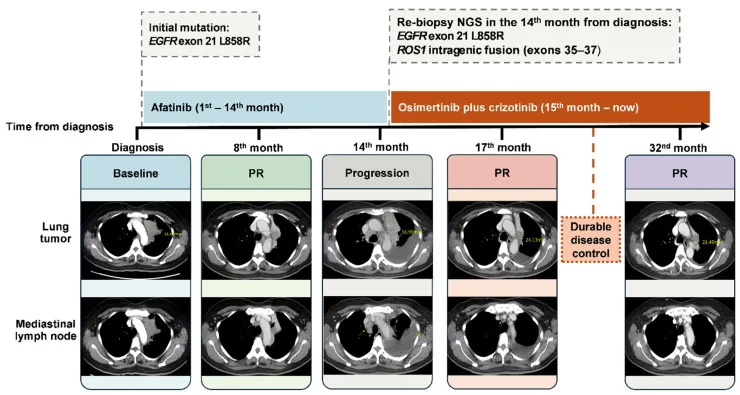
EGFR-mutated lung cancer responds after acquired ROS1 resistance

Patient Info: Anonymized, Female, 50s | Stage IV

Biomarkers: EGFR L858R mutation; acquired ROS1 rearrangement

Metastatic Site: pleura

She remained on osimertinib plus crizotinib with a sustained clinical and radiologic response for more than 18 months.

PubMed Central
OutcomeResponding Well
A patient, who was diagnosed with Lung CancerLung Cancer

EGFR R252C multifocal lung cancer responding to afatinib

Patient Info: Anonymized

Biomarkers: EGFR R252C extracellular-domain mutation

Afatinib was associated with suppression of primary tumor growth and extended progression-free survival in a patient with multifocal lung cancer and glioma driven by EGFR R252C. Stage and metastatic sites were not established from the available case summary.

PubMed Central
OutcomeResponding Well
A patient, who was diagnosed with Stage IV Lung AdenocarcinomaLung Cancer

EGFR-Mutant Lung Adenocarcinoma With Bone and Leptomeningeal Metastases

Patient Info: Anonymized, male, 40s | Stage IV

Biomarkers: EGFR exon 19 deletion; acquired EGFR T790M mutation

Metastatic Site: bone, leptomeninges

In May 2025, leptomeningeal disease remained present and he continued combination chemotherapy with bevacizumab and high-dose furmonertinib, leaving hospital in stable condition after cycle 8.

PubMed Central
OutcomeCare Ongoing
A patient, who was diagnosed with Stage IV Non-Small Cell Lung CancerLung Cancer

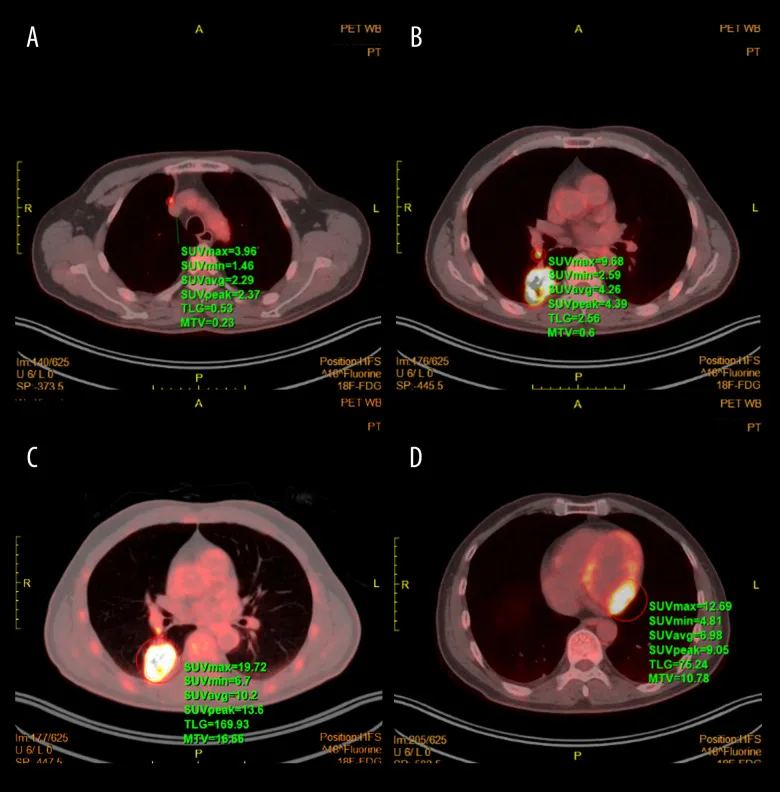
Stage IV EGFR-mutated lung adenocarcinoma with suspected myocardial metastasis responding to afatinib plus chemotherapy

Patient Info: Anonymized, Male | Stage IV

Biomarkers: EGFR L861Q; PD-L1 TPS/CPS 65%. TP53, MET and PIK3CA alterations also reported.

Metastatic Site: left ventricular myocardium; mediastinal lymph nodes…

As of December 2025, the suspected left-ventricular myocardial metastasis had shrunk after 2 courses of afatinib plus pemetrexed/cisplatin, and the patient had no cardiovascular events during monitoring.

PubMed Central
OutcomeResponding Well
A patient, who was diagnosed with Stage IV Lung AdenocarcinomaLung Cancer

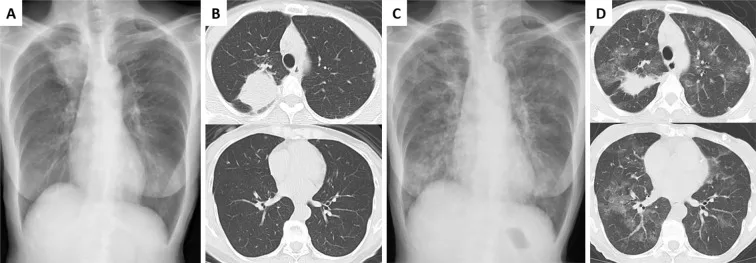
EGFR-Mutant Stage IV Lung Cancer Treated After Osimertinib-Related Lung Toxicity

Patient Info: Anonymized, female, 60s | Stage IV

Biomarkers: EGFR exon 19 deletion; later EGFR T790M resistance mutation

Metastatic Site: brain, lungs, bones, left adrenal gland, meninges

The latest documented treatment was a lower-dose osimertinib rechallenge with corticosteroids, which reduced the tumor without recurrence of the prior interstitial lung disease.

PubMed Central
OutcomeResponding Well
A patient, who was diagnosed with Stage IV Small Cell Lung CancerLung Cancer

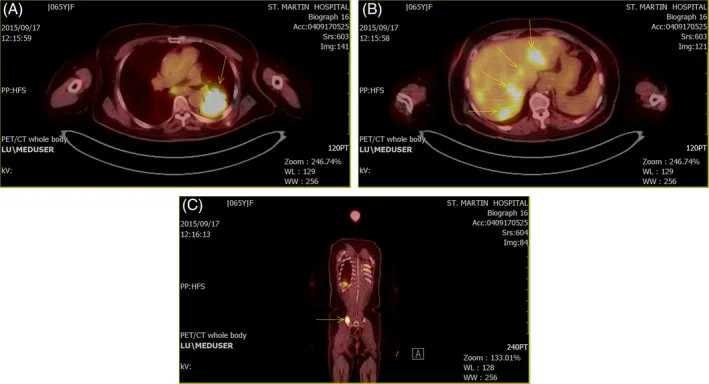
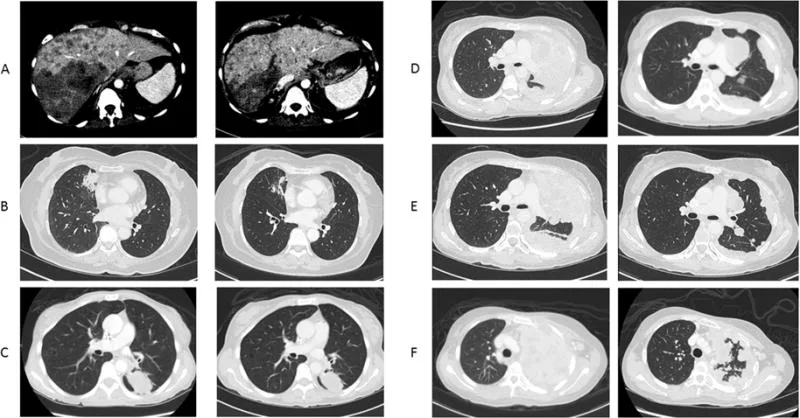
EGFR-Mutant Lung Adenocarcinoma That Transformed to Small Cell Lung Cancer

Patient Info: Anonymized, female, 40s | Stage IV

Biomarkers: EGFR exon 19 deletion; acquired EGFR T790M mutation

Metastatic Site: liver

The cancer progressed after transformation to small cell lung cancer, and she died 49 months after the original diagnosis.

PubMed Central
OutcomeIn Memory
A patient, who was diagnosed with Lung AdenocarcinomaLung Cancer

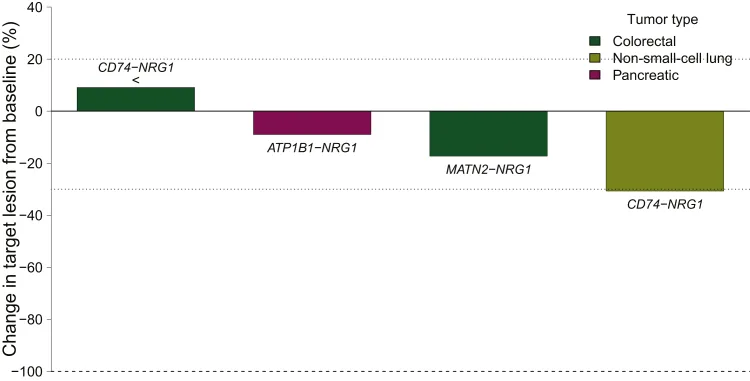
NRG1-Fusion Lung Cancer With a 24-Month Response to Afatinib

Patient Info: Anonymized, Female, 50s | Stage Metastatic/Advanced

Biomarkers: NRG1 fusion; KRAS/EGFR/ALK/ROS1/ERBB2 alterations not detected

Metastatic Site: left lung

Her cancer progressed during atezolizumab, and she died in May 2019.

PubMed Central
OutcomeIn Memory
A patient, who was diagnosed with Lung AdenocarcinomaLung Cancer

Metastatic NRG1-Fusion Lung Cancer Responding to Long-Term Afatinib

Patient Info: Anonymized, Female, 60s | Stage Metastatic/Advanced

Biomarkers: CD74-NRG1 fusion

Metastatic Site: lungs

As of February 2020, she remained on afatinib 30 mg daily with an ongoing partial response after 27 months.

PubMed Central
OutcomeResponding Well
A patient, who was diagnosed with Stage IV Lung AdenocarcinomaLung Cancer

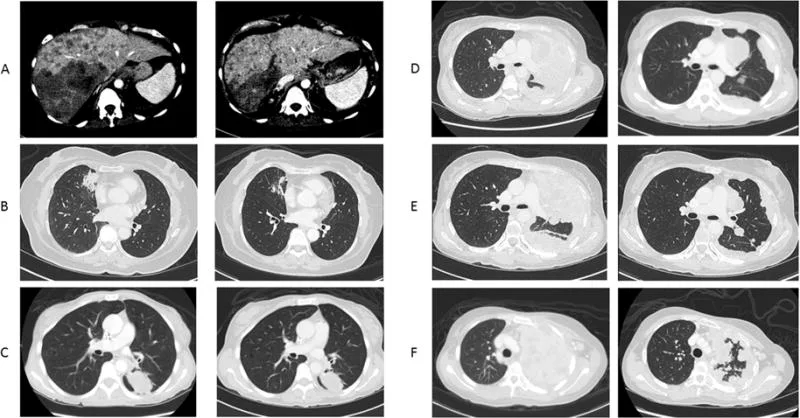
Stage IV Mucinous Lung Cancer Treated With Afatinib and Surgery

Patient Info: Anonymized, Female, 40s | Stage IV

Biomarkers: CD74-NRG1 fusion; ALK/ROS1/EGFR/BRAF/KRAS/MET/HER2 wild type; PD-L1 initially not expressed and later 0%-20%

Metastatic Site: bilateral lungs|bone|right adrenal gland

She was alive and receiving treatment after bone and right-adrenal progression at the latest follow-up.

PubMed Central
OutcomeCare Ongoing
A patient, who was diagnosed with Lung AdenocarcinomaLung Cancer

Recurrent Mucinous Lung Cancer With Dose-Dependent Afatinib Responses

Patient Info: Anonymized, Female, Under 40 | Stage Metastatic/Advanced

Biomarkers: SDC4-NRG1 fusion; PD-L1 not expressed; low tumor mutation burden

Metastatic Site: bilateral lungs

She had progressive lung disease after several targeted-treatment attempts and was receiving paclitaxel with bevacizumab as of February 2020.

PubMed Central
OutcomeCare Ongoing
A patient, who was diagnosed with Small Cell Lung CancerLung Cancer

Small Cell Lung Cancer With Unusual Colon Metastases After Afatinib

Patient Info: Anonymized, Female, 60s | Stage Metastatic/Advanced

Biomarkers: EGFR exon 19 deletion

Metastatic Site: liver|adrenal glands|bone|brain|ascending…

The cancer progressed after an initial response to afatinib, with new brain and colon metastases. She died from respiratory failure on August 1, 2016.

PubMed Central
OutcomeIn Memory
A patient, who was diagnosed with Stage IV Lung AdenocarcinomaLung Cancer

Long response to afatinib in EGFR-mutated lung cancer

Patient Info: Anonymized, Male, 60s | Stage IV

Biomarkers: EGFR L861Q mutation; EGFR G719X mutation

Metastatic Site: multiple bilateral ribs

CT at 30 months showed no recurrence, and he remained well 32 months after starting afatinib.

PubMed Central
OutcomeResponding Well
A patient, who was diagnosed with Stage IV Lung AdenocarcinomaLung Cancer

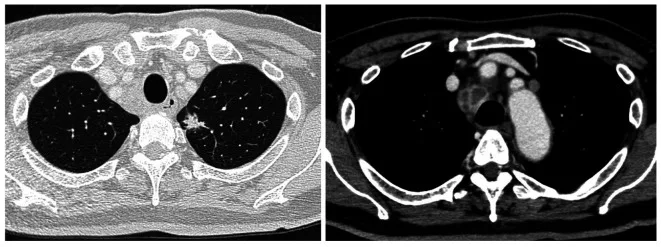
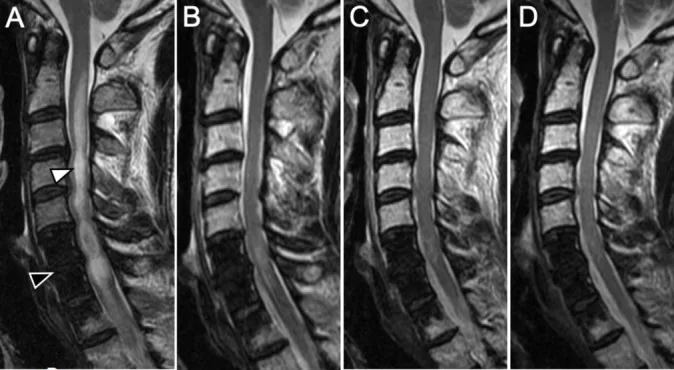
Osimertinib Improved Spinal Cord Metastases in Long-Standing Lung Cancer

Patient Info: Anonymized, Male, 50s | Stage IV

Biomarkers: Initial surgical specimen: no detected EGFR mutation and ALK-negative. Later pleural-fluid tumor: acquired EGFR T790M mutation with no other detected EGFR mutation.

Metastatic Site: cervical and mediastinal lymph nodes; bone; brain;…

Osimertinib improved neurologic function and kept the lung cancer stable for 14 months; he later died from bacterial pneumonia.

PubMed Central
OutcomeIn Memory
A patient, who was diagnosed with Stage IV Lung AdenocarcinomaLung Cancer

Stage IV ERBB2-Mutated Lung Adenocarcinoma With Brain Metastases and Multiple Targeted Therapies

Patient Info: Anonymized, female, Under 40 | Stage IV

Biomarkers: ERBB2 exon 20 insertion, exact sequence not specified. ERBB2 copy-number gain was identified during progression on afatinib.

Metastatic Site: brain, adrenal gland, liver

The final documented afatinib plus bevacizumab rechallenge produced a mixed response followed by liver progression after 3 months.

PubMed Central
OutcomeSetback / Progression