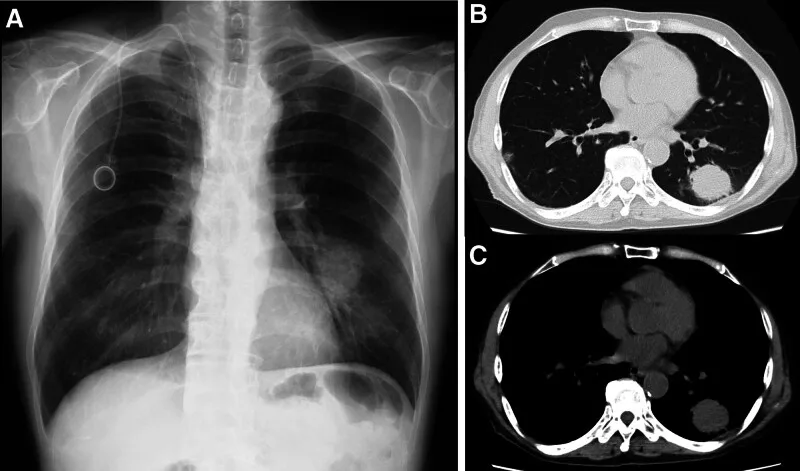
Lung Cancer: 854 Real Stories

854 stories match lung cancer. 428 of them mention chemotherapy.

A patient, who was diagnosed with Stage IV Non-Small Cell Lung CancerLung Cancer

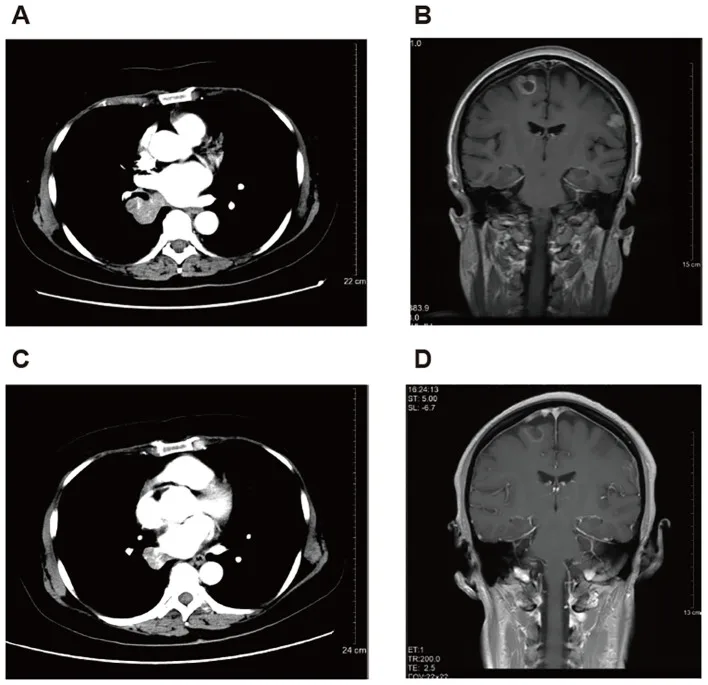
ROS1-rearranged Stage IV lung adenocarcinoma: sequential targeted therapy and 73-month survival

Patient Info: Anonymized, Female, 60s | Stage IV

Biomarkers: CD74-ROS1 C6:R33 fusion; CTNNB1 p.Thr41Ala; APC p.Glu601fs; acquired ROS1 resistance mutation; mTOR p. mutation; FGFR3 gene amplification

Metastatic Site: contralateral lung nodules, brain, pleura

She died on October 6, 2024, after sequential crizotinib, lorlatinib, and cabozantinib for Stage IV ROS1-rearranged lung adenocarcinoma, with total overall survival of 73 months from diagnosis.

PubMed Central
OutcomeIn Memory
A patient, who was diagnosed with Stage IV Non-Small Cell Lung CancerLung Cancer

Stage IV lung adenocarcinoma with gelatinous malignant pleural effusion managed with PleurX catheter and hyaluronidase

Patient Info: Anonymized, Female, 40s | Stage IV

Biomarkers: TTF-1-positive; Napsin A-positive; non-small-cell carcinoma consistent with adenocarcinoma; next-generation sequencing pending

Metastatic Site: pleura / malignant pleural effusion

Her Stage IV lung adenocarcinoma symptoms improved through pleural drainage with PleurX catheter and intrapleural hyaluronidase while oncology planned definitive chemoradiation and possible biomarker-guided therapy.

PubMed Central
OutcomeCare Ongoing
A patient, who was diagnosed with Stage IV Lung AdenocarcinomaLung Cancer

EGFR-Mutant Stage IV Lung Cancer Treated After Osimertinib-Related Lung Toxicity

Patient Info: Anonymized, female, 60s | Stage IV

Biomarkers: EGFR exon 19 deletion; later EGFR T790M resistance mutation

Metastatic Site: brain, lungs, bones, left adrenal gland, meninges

The latest documented treatment was a lower-dose osimertinib rechallenge with corticosteroids, which reduced the tumor without recurrence of the prior interstitial lung disease.

PubMed Central
OutcomeResponding Well
A patient, who was diagnosed with Stage IV Lung AdenocarcinomaLung Cancer

Stage IV lung adenocarcinoma with Aspergillus-associated empyema: disease control after chemotherapy and antifungal therapy

Patient Info: Anonymized, Male | Stage IV

Biomarkers: Pathogenic NF1 mutation; CEA elevated in pleural fluid; Aspergillus fumigatus cultured from bronchoalveolar lavage fluid

Metastatic Site: pleural disease/effusion (M1a)

After 6 cycles of pemetrexed/cisplatin and 6 months of antifungal therapy for Aspergillus-associated empyema, 12-month follow-up showed disease stability without recurrence.

PubMed Central
OutcomeResponding Well
A patient, who was diagnosed with Stage IV Non-Small Cell Lung CancerLung Cancer

Metastatic lung adenocarcinoma presenting with central diabetes insipidus

Patient Info: Anonymized, Male, 50s | Stage IV

Biomarkers: Weak TTF-1-positive; weak Napsin A-positive; weak p63-positive; CK5/6-negative; molecular testing not performed because of financial constraints

Metastatic Site: brain lesions, cervical spine bone lesions

He died shortly after the second cycle of platinum-based chemotherapy for metastatic lung adenocarcinoma that presented with central diabetes insipidus and brain/bone lesions.

PubMed Central
OutcomeIn Memory
A patient, who was diagnosed with Stage IV Small Cell Lung CancerLung Cancer

Stage IVA lung cancer with small-cell and adenocarcinoma components: mixed response before infection halted treatment

Patient Info: Anonymized, Male, 70+ | Stage IV

Biomarkers: PD-L1 <1%

Metastatic Site: bone (C2, T10, sacral vertebrae); malignant pleural…

The lung cancer showed mixed responses, with right-lung small-cell progression after chemotherapy/immunotherapy and later treatment interruption because of severe lung infection and respiratory failure.

PubMed Central
OutcomeSetback / Progression
A patient, who was diagnosed with Stage IV Non-Small Cell Lung CancerLung Cancer

Metastatic lung adenocarcinoma with HER2 V659E/amplification responding to trastuzumab deruxtecan

Patient Info: Anonymized, Female, 50s | Stage IV

Biomarkers: Initial lung testing showed no EGFR/ALK/ROS1 and PD-L1 TPS 3%. Later biopsy found HER2 V659E plus HER2 amplification.

Metastatic Site: liver, bone, brain

As of September 2024, metastatic lung adenocarcinoma had a sustained partial response to trastuzumab deruxtecan after HER2 V659E mutation and HER2 amplification were identified.

PubMed Central
OutcomeResponding Well
A patient, who was diagnosed with Lung AdenocarcinomaLung Cancer

Man in his 80s with Stage IA1 lung cancer treated with adapted SBRT

Patient Info: Anonymized, Male

Biomarkers: CEA and CA19-9 not elevated; molecular biomarkers not reported

At 1 year after SBRT, CT showed radiation fibrosis and complete metabolic response, with no enlarging mass suggesting local recurrence; ongoing follow-up continued.

PubMed Central
OutcomeCancer-Free / NED
Clara, who was diagnosed with Stage IV Lung CancerLung Cancer

Stage IV Lung Cancer: Clara's Patient Story

Patient Info: Clara, Female, Under 40 | Stage IV

Biomarkers: Biomarker found but specific mutation not stated

Metastatic Site: Bone and joints; brain; liver/other organs

Clara was living with Stage IV metastatic lung cancer involving bone/joints, brain, and other organs. As of August 2025, she had received brain radiation and first-line chemotherapy plus immunotherapy, with ongoing lifelong immunotherapy planned.

The Patient Story

OutcomeLiving With Cancer
A patient, who was diagnosed with Stage IV Lung AdenocarcinomaLung Cancer

Recurrent lung adenocarcinoma with bevacizumab-associated glomerular microangiopathy

Patient Info: Anonymized, Male, 50s | Stage IV

Biomarkers: No tumor molecular biomarkers reported. Kidney biopsy and complement/immune deposits supported bevacizumab-related kidney microangiopathy.

Metastatic Site: pleura

He was living with recurrent metastatic lung adenocarcinoma after pleural spread and had persistent renal dysfunction and severe proteinuria from bevacizumab-associated glomerular microangiopathy despite stopping bevacizumab.

PubMed Central
OutcomeLiving With Cancer
Jenny, who was diagnosed with Lung CancerLung Cancer

Lung Cancer: Jenny's Patient Story

Patient Info: Jenny, Female

Jenny died from lung cancer in November 2023. As of August 2025, her husband Kyle was raising their children, continuing her advocacy around lung cancer awareness, and preserving her legacy.

The Patient Story
OutcomeIn Memory
A patient, who was diagnosed with Stage III Non-Small Cell Lung CancerLung Cancer

Stage IIIB non-squamous NSCLC on chemoimmunotherapy: alcohol-related hypertonic hyponatremia corrected during oncology follow-up

Patient Info: Anonymized, Male, 50s | Stage III

Biomarkers: Tumor biomarkers not reported. Severe hyponatremia workup showed high serum osmolality and ethanol level.

He remained under oncology follow-up for Stage IIIB non-squamous NSCLC while alcohol-related hypertonic hyponatremia improved after detoxification and alcohol cessation.

PubMed Central
OutcomeCare Ongoing
Wyatt, who was diagnosed with Stage IV Non-Small Cell Lung CancerLung Cancer

Stage IV KRAS Non-Small Cell Lung Cancer: Wyatt's Patient Story

Patient Info: Wyatt, Male, Under 40 | Stage IV

Biomarkers: KRAS

Wyatt was living with Stage IV KRAS G12D non-small cell lung cancer and ongoing oncology follow-up. As of July 2025, the source did not state remission, NED, progression, or specific treatment response.

The Patient Story
OutcomeCare Ongoing
A patient, who was diagnosed with Stage IV Non-Small Cell Lung CancerLung Cancer

BRAF V600E stage IV lung adenocarcinoma with complete radiologic remission on dabrafenib-trametinib

Patient Info: Anonymized, Female, 70+ | Stage IV

Biomarkers: BRAF lung cancer with PD-L1 TPS 95%, and TMB 6.3. TP53 and CHEK2 changes were also reported.

Metastatic Site: left adrenal gland, right adrenal gland,…

As of February 2024, she had ECOG performance status 0, no need for oxygen therapy, no radiologic evidence of active oncologic disease, no visible adrenal lesions, and only residual scarring at the primary lung site.

PubMed Central
OutcomeCancer-Free / NED
Kristen, who was diagnosed with Stage IV Small Cell Lung CancerLung Cancer

Stage IV Small Cell Lung Cancer: Kristen's Patient Story

Patient Info: Kristen, Female | Stage IV

Metastatic Site: liver, abdominal wall, bone

Kristen had metastatic small cell lung cancer with liver, abdominal wall, and bone involvement. As of July 2025, she had completed chemotherapy, had organ-tumor shrinkage, had immunotherapy on hold because of shortness of breath, and was planning bone-directed treatment and possible immunotherapy restart.

The Patient Story
OutcomeCare Ongoing
A patient, who was diagnosed with Stage IV Lung AdenocarcinomaLung Cancer

ALK-rearranged Stage IVA lung adenocarcinoma: partial response to pembrolizumab as eighth-line treatment

Patient Info: Anonymized, Male, 70+ | Stage IV

Biomarkers: ALK strongly positive by IHC 3+; ALK rearrangement confirmed by FISH; PD-L1 expression 95% by 22C3 immunostaining; CEA 2.3 ng/mL at diagnosis

Metastatic Site: brain

Nine months after pembrolizumab was started as eighth-line therapy, he maintained a partial response after prior progression on multiple ALK inhibitors and chemotherapies.

PubMed Central
OutcomeResponding Well
Kathrin, who was diagnosed with Stage IV Lung CancerLung Cancer

Stage IV ALK Lung Cancer: Kathrin's Patient Story

Patient Info: Kathrin, Female | Stage IV

Biomarkers: ALK-positive

Metastatic Site: bones including left foot, liver, abdomen/belly

Kathrin had Stage IV ALK-positive lung cancer with metastases including left foot/bone, liver, and abdomen. Radiation and targeted therapy worked quickly, with PET imaging after about 8 weeks showing almost everything gone; she remained on lifelong targeted therapy and did not describe being cured.

The Patient Story
OutcomeResponding Well
A patient, who was diagnosed with Stage III Non-Small Cell Lung CancerLung Cancer

Stage IIIA EGFR lung adenocarcinoma: no recurrence after early osimertinib stop

Patient Info: Anonymized, Female, 70+ | Stage III

Biomarkers: EGFR exon 19 deletion mutation; elevated KL-6 and SP-D during interstitial lung disease episode

During 9 months of follow-up after osimertinib was stopped, she had no recurrence of interstitial lung disease, pulmonary embolism, or non-small cell lung cancer.

PubMed Central
OutcomeCancer-Free / NED