Chemotherapy for Stage 4 Lung Cancer: 217 Real Stories

217 stories match lung cancer, stage 4 and chemotherapy. 119 of them mention immunotherapy.

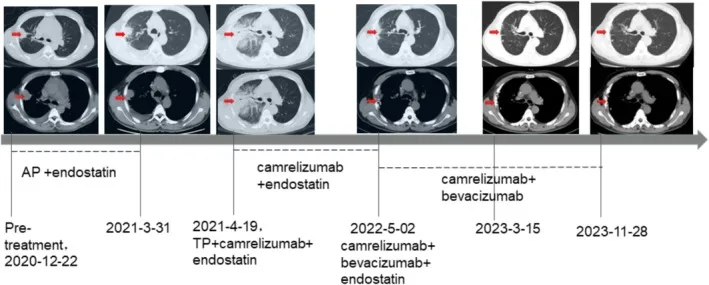
A patient, who was diagnosed with Stage IV Lung Squamous Cell CarcinomaLung Cancer

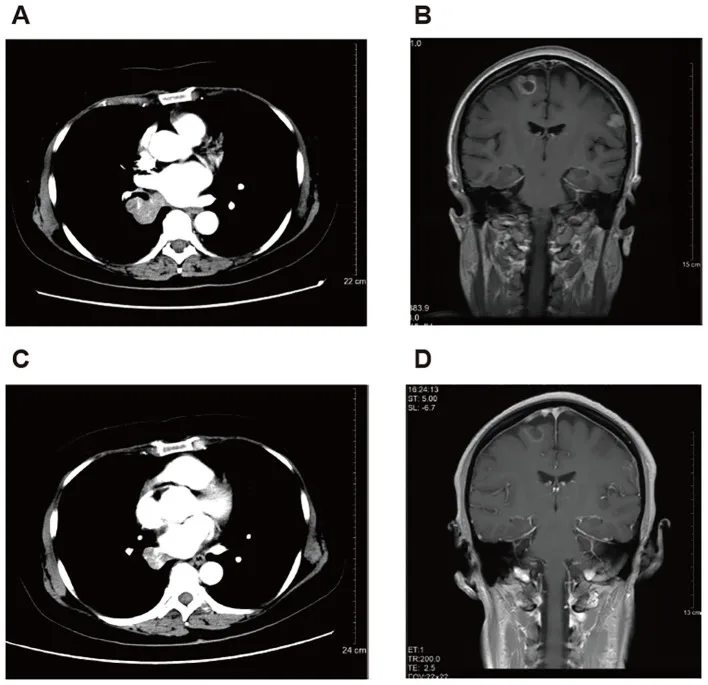
Stage IVA right lung squamous cell carcinoma: partial response complicated by camrelizumab-related pneumonitis and pulmonary bullae

Patient Info: Anonymized, Male, 70+ | Stage IV

Biomarkers: Squamous lung cancer marker profile: P40/CK5/6 positive, TTF-1/Napsin A negative. CEA/CYFRA tumor markers were elevated. PD-L1 not reported.

Metastatic Site: suspected pleural involvement / right pleural effusion

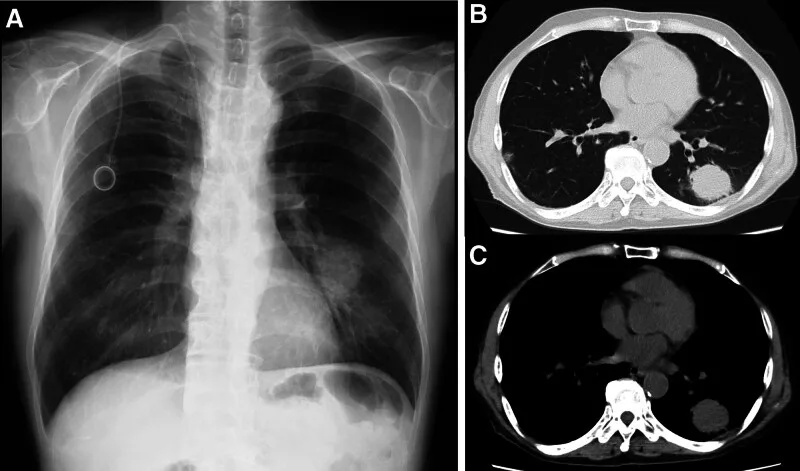
The cancer had a partial response to albumin-bound paclitaxel, carboplatin, and camrelizumab; camrelizumab was stopped after suspected immune-related pneumonitis, pulmonary embolism, and reversible pulmonary bullae, which improved after methylprednisolone was resumed.

PubMed Central
OutcomeResponding Well
Emily, who was diagnosed with Stage IV Lung CancerLung Cancer

Stage IV EGFR Lung Cancer: Emily's Patient Story

Patient Info: Emily, Female, 40s | Stage IV

Biomarkers: EGFR mutation

Metastatic Site: Right lung; right 8th rib; sacrum; pancreas; brain

Emily had Stage IV EGFR-mutated lung cancer treated with daily targeted therapy, 4 rounds of chemotherapy, and later radiation. As of September 2025, she felt well and described being almost/basically in remission, but her cancer remained treatable rather than curable and she continued daily targeted therapy.

The Patient Story
OutcomeResponding Well
Lauren, who was diagnosed with Stage IV Non-Small Cell Lung CancerLung Cancer

Stage IV HER2-Positive Non-Small Cell Lung Cancer: Lauren's Patient Story

Patient Info: Lauren, Female, Under 40 | Stage IV

Biomarkers: HER2 mutation

Metastatic Site: Bones/ribs/shoulder; liver

As of September 2025, after about 4 months of targeted therapy, Lauren reported better quality of life, resolved bone pain, improved liver pain, improved liver enzymes, and manageable infusion-week side effects.

The Patient Story
OutcomeResponding Well
A patient, who was diagnosed with Stage IV Small Cell Lung CancerLung Cancer

Extensive-stage small-cell lung cancer with immune-related diabetes and stable disease at 2 years

Patient Info: Anonymized, Female, 60s | Stage IV

Biomarkers: Tumor PD-L1 not reported. Immune-related diabetes showed very low C-peptide and negative diabetes autoantibodies; thyroiditis also occurred.

Metastatic Site: pancreas; pleura/pleural effusion; mediastinal lymph…

Two years after the SCLC diagnosis, she was alive with stable oncologic disease after later brain metastases were treated with whole-brain radiotherapy, and she remained insulin-dependent.

PubMed Central
OutcomeLiving With Cancer
A patient, who was diagnosed with Stage IV Non-Small Cell Lung CancerLung Cancer

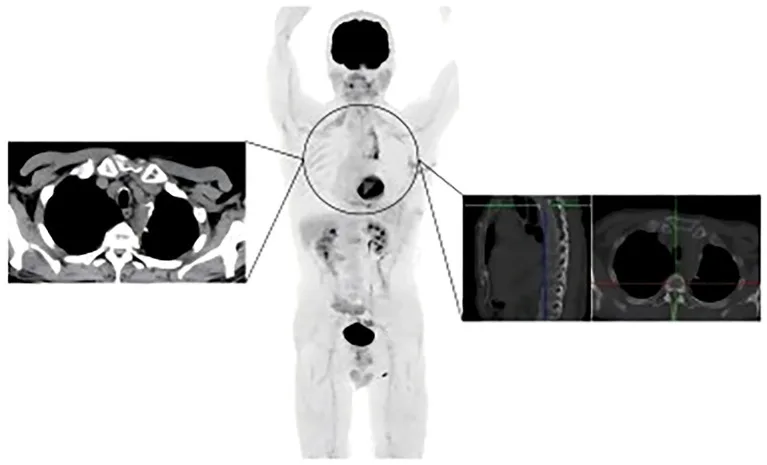
Metastatic lung adenocarcinoma with brain and iliac bone response to chemoimmunotherapy

Patient Info: Anonymized, Male, 60s | Stage IV

Biomarkers: PD-L1-negative; no EGFR, ALK, ROS1, RET, KRAS, BRAF, MET, HER2, or NTRK alteration detected; TP53 mutation found.

Metastatic Site: left iliac bone, brain

Brain metastases achieved complete remission without cranial irradiation, and lung, bone, and brain lesions remained stable at last follow-up, with PFS of 35 months and OS exceeding 40 months.

PubMed Central
OutcomeResponding Well
A patient, who was diagnosed with Stage IV Non-Small Cell Lung CancerLung Cancer

Metastatic lung adenocarcinoma presenting with central diabetes insipidus

Patient Info: Anonymized, Male, 50s | Stage IV

Biomarkers: Weak TTF-1-positive; weak Napsin A-positive; weak p63-positive; CK5/6-negative; molecular testing not performed because of financial constraints

Metastatic Site: brain lesions, cervical spine bone lesions

He died shortly after the second cycle of platinum-based chemotherapy for metastatic lung adenocarcinoma that presented with central diabetes insipidus and brain/bone lesions.

PubMed Central
OutcomeIn Memory
A patient, who was diagnosed with Stage IV Small Cell Lung CancerLung Cancer

Stage IVA lung cancer with small-cell and adenocarcinoma components: mixed response before infection halted treatment

Patient Info: Anonymized, Male, 70+ | Stage IV

Biomarkers: PD-L1 <1%

Metastatic Site: bone (C2, T10, sacral vertebrae); malignant pleural…

The lung cancer showed mixed responses, with right-lung small-cell progression after chemotherapy/immunotherapy and later treatment interruption because of severe lung infection and respiratory failure.

PubMed Central
OutcomeSetback / Progression
A patient, who was diagnosed with Stage IV Lung AdenocarcinomaLung Cancer

Stage IV lung adenocarcinoma with Aspergillus-associated empyema: disease control after chemotherapy and antifungal therapy

Patient Info: Anonymized, Male | Stage IV

Biomarkers: Pathogenic NF1 mutation; CEA elevated in pleural fluid; Aspergillus fumigatus cultured from bronchoalveolar lavage fluid

Metastatic Site: pleural disease/effusion (M1a)

After 6 cycles of pemetrexed/cisplatin and 6 months of antifungal therapy for Aspergillus-associated empyema, 12-month follow-up showed disease stability without recurrence.

PubMed Central
OutcomeResponding Well
A patient, who was diagnosed with Stage IV Non-Small Cell Lung CancerLung Cancer

Metastatic lung adenocarcinoma with HER2 V659E/amplification responding to trastuzumab deruxtecan

Patient Info: Anonymized, Female, 50s | Stage IV

Biomarkers: Initial lung testing showed no EGFR/ALK/ROS1 and PD-L1 TPS 3%. Later biopsy found HER2 V659E plus HER2 amplification.

Metastatic Site: liver, bone, brain

As of September 2024, metastatic lung adenocarcinoma had a sustained partial response to trastuzumab deruxtecan after HER2 V659E mutation and HER2 amplification were identified.

PubMed Central
OutcomeResponding Well
Clara, who was diagnosed with Stage IV Lung CancerLung Cancer

Stage IV Lung Cancer: Clara's Patient Story

Patient Info: Clara, Female, Under 40 | Stage IV

Biomarkers: Biomarker found but specific mutation not stated

Metastatic Site: Bone and joints; brain; liver/other organs

Clara was living with Stage IV metastatic lung cancer involving bone/joints, brain, and other organs. As of August 2025, she had received brain radiation and first-line chemotherapy plus immunotherapy, with ongoing lifelong immunotherapy planned.

The Patient Story
OutcomeLiving With Cancer
A patient, who was diagnosed with Stage IV Lung AdenocarcinomaLung Cancer

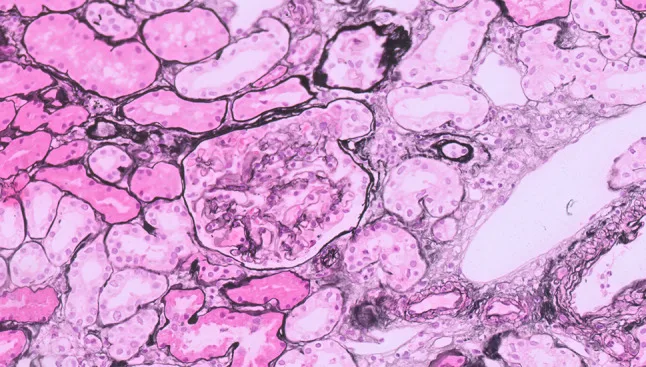
Recurrent lung adenocarcinoma with bevacizumab-associated glomerular microangiopathy

Patient Info: Anonymized, Male, 50s | Stage IV

Biomarkers: No tumor molecular biomarkers reported. Kidney biopsy and complement/immune deposits supported bevacizumab-related kidney microangiopathy.

Metastatic Site: pleura

He was living with recurrent metastatic lung adenocarcinoma after pleural spread and had persistent renal dysfunction and severe proteinuria from bevacizumab-associated glomerular microangiopathy despite stopping bevacizumab.

PubMed Central
OutcomeLiving With Cancer
Kristen, who was diagnosed with Stage IV Small Cell Lung CancerLung Cancer

Stage IV Small Cell Lung Cancer: Kristen's Patient Story

Patient Info: Kristen, Female | Stage IV

Metastatic Site: liver, abdominal wall, bone

Kristen had metastatic small cell lung cancer with liver, abdominal wall, and bone involvement. As of July 2025, she had completed chemotherapy, had organ-tumor shrinkage, had immunotherapy on hold because of shortness of breath, and was planning bone-directed treatment and possible immunotherapy restart.

The Patient Story
OutcomeCare Ongoing
A patient, who was diagnosed with Stage IV Lung AdenocarcinomaLung Cancer

ALK-rearranged Stage IVA lung adenocarcinoma: partial response to pembrolizumab as eighth-line treatment

Patient Info: Anonymized, Male, 70+ | Stage IV

Biomarkers: ALK strongly positive by IHC 3+; ALK rearrangement confirmed by FISH; PD-L1 expression 95% by 22C3 immunostaining; CEA 2.3 ng/mL at diagnosis

Metastatic Site: brain

Nine months after pembrolizumab was started as eighth-line therapy, he maintained a partial response after prior progression on multiple ALK inhibitors and chemotherapies.

PubMed Central
OutcomeResponding Well
A patient, who was diagnosed with Stage IV Lung AdenocarcinomaLung Cancer

Stage IVA EGFR L858R lung adenocarcinoma with malignant effusions and thrombosis

Patient Info: Anonymized, Male, Under 40 | Stage IV

Biomarkers: EGFR exon 21 L858R mutation; TTF-1 weak positive; Napsin A positive; p40 negative; Ki-67 about 10%

Metastatic Site: malignant pleural effusion; malignant pericardial…

As of May 2025, abdominal pain had resolved, splenic infarction had not progressed, thromboembolic events were regressing, no new thrombus formation was seen, and outpatient follow-up continued while he remained on cancer and anticoagulation management.

PubMed Central
OutcomeCare Ongoing
A patient, who was diagnosed with Stage IV Non-Small Cell Lung CancerLung Cancer

Metastatic NSCLC with ATM mutations: 28-month response to olaparib before progression

Patient Info: Anonymized, Male, 70+ | Stage IV

Biomarkers: cfDNA showed ATM and ATM mutations. Common NSCLC drivers were negative; initial tumor markers were negative.

Metastatic Site: liver, left pubic bone, bilateral pulmonary nodules,…

After 28 months of remission and improved quality of life on olaparib, June 2024 PET-CT showed progression with a new 1.2 cm hypermetabolic left lower-lobe pulmonary nodule; olaparib was still being continued at the October 2024 clinic visit.

PubMed Central
OutcomeSetback / Progression
A patient, who was diagnosed with Stage IV Small Cell Lung CancerLung Cancer

Extensive-stage small cell lung cancer with brain and adrenal progression after prolonged disease control

Patient Info: Anonymized, Male, 50s | Stage IV

Biomarkers: Small-cell lung cancer markers included CD56, CgA and TTF-1; Ki-67 was 80%.

Metastatic Site: brain, right adrenal gland, left adrenal gland

After 31 months of stability on second-line anlotinib with palliative chemoradiotherapy, disease progressed in July 2024 with new brain lesions and adrenal progression; the patient declined additional systemic options and continued anlotinib.

PubMed Central
OutcomeSetback / Progression
A patient, who was diagnosed with Stage IV Lung CancerLung Cancer

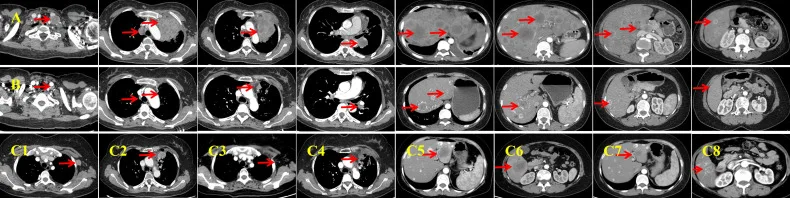
Stage IVA lung adenosquamous carcinoma: complete response after paclitaxel, nedaplatin, and tislelizumab

Patient Info: Anonymized, Male, 60s | Stage IV

Biomarkers: Adenosquamous lung cancer markers; PD-L1 TPS 18%; KRAS, BRAF, PIK3CA, FLT1 mutation; TMB 3.7

Metastatic Site: pleura/chest wall, cervical lymph nodes, axillary…

As of March 30, 2025, he maintained complete response with normal tumor markers, no radiologic evidence of progression or recurrence, and progression-free survival of 46.5 months after paclitaxel/nedaplatin/tislelizumab followed by maintenance tislelizumab.

PubMed Central
OutcomeCancer-Free / NED
Jenny, who was diagnosed with Stage IV Non-Small Cell Lung CancerLung Cancer

Stage IV EGFR Non-Small Cell Lung Cancer: Jenny's Patient Story

Patient Info: Jenny Apple, Female | Stage IV

Biomarkers: EGFR exon 20 mutation

Metastatic Site: brain

Jenny Apple had nonsmoking lung adenocarcinoma with an EGFR exon 20 mutation. Her cancer was first found at Stage IIIA / near IIIB and later progressed to Stage IV with brain metastases. She died before the June 2025 story from her husband Kyle.

The Patient Story
OutcomeIn Memory
A patient, who was diagnosed with Stage IV Lung CancerLung Cancer

Stage I Pleomorphic Lung Cancer Recurring With Bone Metastasis Within Five Months

Patient Info: Anonymized, male, 60s | Stage IV

Biomarkers: PD-L1 high; no detected driver mutation

Metastatic Site: bone

PET-CT in December 2024 showed a partial response. As of February 2025, he remained on sintilimab and bevacizumab maintenance with about 9 months of progression-free survival after recurrence treatment.

PubMed Central
OutcomeResponding Well
Alisa, who was diagnosed with Stage IV Non-Small Cell Lung CancerLung Cancer

Stage IV ALK Non-Small Cell Lung Cancer: Alisa's Patient Story

Patient Info: Alisa Secaida, Female, Under 40 | Stage IV

Biomarkers: ALK-positive / ALK-rearranged

Metastatic Site: Brain; lymph nodes

As of May 2025, after alectinib and lung surgery, pathology still showed active tumor and lymph-node cancer cells, and Alisa was receiving IMRT for remaining disease.

City of Hope
OutcomeCare Ongoing