Chemotherapy for Stage 4 Lung Cancer: 217 Real Stories

217 stories match lung cancer, stage 4 and chemotherapy. 119 of them mention immunotherapy.

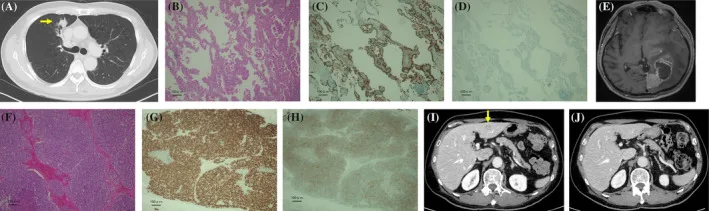
A patient, who was diagnosed with Stage IV Lung AdenocarcinomaLung Cancer

Metastatic Lung Adenocarcinoma With a Serious Immune-Therapy Pituitary Complication

Patient Info: Anonymized, male, 60s | Stage IV

Biomarkers: No detected EGFR, ALK, ROS1, RET, MET or HER2 alterations

Metastatic Site: brain, meninges, skull, bone, pituitary

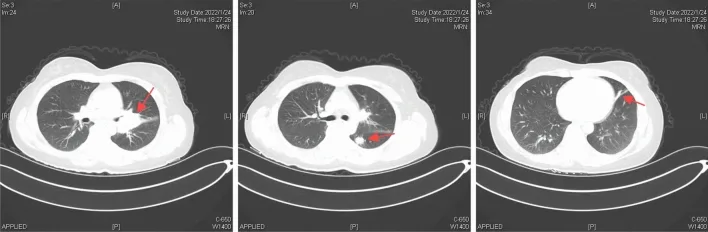
The cancer had progressed to extensive brain, skull and bone involvement after several treatments. Steroid treatment improved the severe thirst, high urine output and other symptoms from immune-related hypophysitis.

PubMed Central
OutcomeSetback / Progression
A patient, who was diagnosed with Stage IV Small Cell Lung CancerLung Cancer

Stage IV small cell lung cancer: no abnormality after chemotherapy, radiotherapy, and TCM follow-up

Patient Info: Anonymized, Male, 60s | Stage IV

Metastatic Site: bilateral lungs; left supraclavicular lymph nodes;…

After chemotherapy, radiotherapy, supportive care, and longitudinal TCM follow-up, imaging showed disappearance of the main lung, nodal, and intrapulmonary lesions, with no abnormality found after 4 years of follow-up.

PubMed Central
OutcomeCancer-Free / NED
A patient, who was diagnosed with Stage IV Lung Squamous Cell CarcinomaLung Cancer

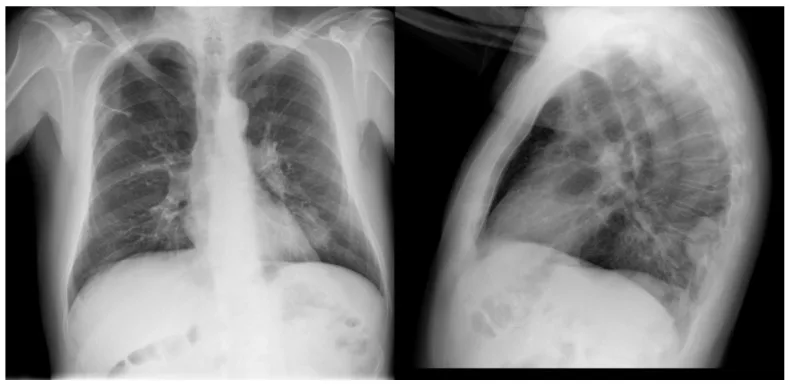
Stage IV Squamous Lung Cancer Complicated by an Esophageal-Mediastinal Fistula

Patient Info: Anonymized, male, 70+ | Stage IV

Metastatic Site: brain, bone

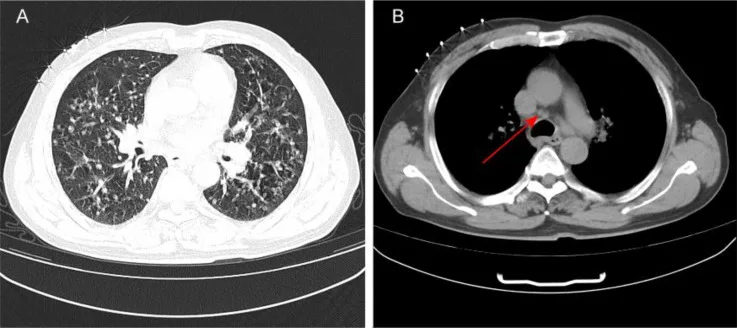
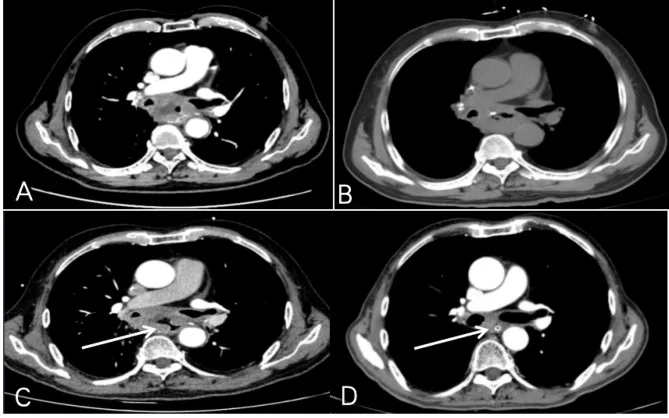
Four months after the fistula was treated conservatively, imaging showed the fistula had resolved and the lung tumor and metastatic hilar nodes had decreased despite no additional antitumor treatment during that interval.

PubMed Central
OutcomeResponding Well
A patient, who was diagnosed with Stage IV Small Cell Lung CancerLung Cancer

Small Cell Lung Cancer With Rapidly Progressive Paraneoplastic Neuropathy

Patient Info: Anonymized, male, 50s | Stage IV

Metastatic Site: adrenal glands

Despite a partial tumor response, severe ascending motor and sensory neuropathy progressed to respiratory compromise. He chose supportive care and died 3 weeks after the neurologic symptoms began.

PubMed Central
OutcomeIn Memory
A patient, who was diagnosed with Stage IV Small Cell Lung CancerLung Cancer

Lung Adenocarcinoma That Transformed to Small Cell Cancer After Recurrence

Patient Info: Anonymized, male, 60s | Stage IV

Biomarkers: PD-L1 1%-24%; no druggable driver alteration identified

Metastatic Site: brain, liver

After treatment for the small-cell-transformed recurrence, the liver metastases showed sustained regression and progression-free survival had reached 13 months by September 2024.

PubMed Central
OutcomeResponding Well
A patient, who was diagnosed with Stage IV Lung AdenocarcinomaLung Cancer

MET Y1003N-Mutant Lung Adenocarcinoma Responding to Tepotinib

Patient Info: Anonymized, female, 60s | Stage IV

Biomarkers: MET mutation

Metastatic Site: bone

Tepotinib produced an 8-month response after many earlier treatments, but the cancer later recurred and she died about 3 years after treatment began.

PubMed Central
OutcomeIn Memory
A patient, who was diagnosed with Stage IV Lung Squamous Cell CarcinomaLung Cancer

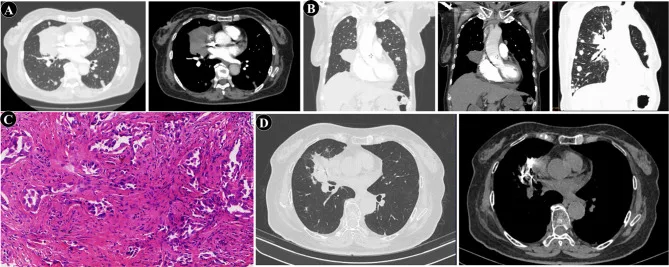
Stage IVA pulmonary squamous cell carcinoma with nasal and bone metastases: response after paclitaxel, carboplatin, and tislelizumab

Patient Info: Anonymized, Male, 50s | Stage IV

Biomarkers: PD-L1 15%

Metastatic Site: nasal region/skin; bone (left acromion)

The lung tumor and nasal metastasis regressed after paclitaxel/carboplatin plus tislelizumab, symptoms improved, no immune-related pneumonitis/colitis/hepatitis occurred, and progression-free survival exceeded 12 months.

PubMed Central
OutcomeResponding Well
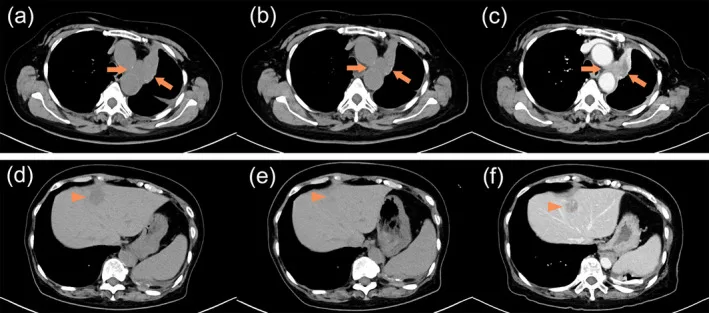
A patient, who was diagnosed with Stage IV Lung Squamous Cell CarcinomaLung Cancer

Stage 4 lung cancer: complete response to chemoimmunotherapy and surgery

Patient Info: Anonymized, Male, 50s | Stage IV

Biomarkers: EGFR exon 20 duplication with PD-L1 TPS 70%; P40/CK5/6 positive squamous markers; Ki-67 60%.

Metastatic Site: right adrenal gland; possible adjacent…

As of May 7, 2024, CT follow-up showed no evidence of disease after chemoimmunotherapy, conversion surgery with pathologic complete response, and pembrolizumab maintenance.

PubMed Central
OutcomeCancer-Free / NED
Shirley, who was diagnosed with Stage IV Lung AdenocarcinomaLung Cancer

Stage IV ALK Lung Adenocarcinoma: Shirley's Patient Story

Patient Info: Shirley, Female, Under 40 | Stage IV

Biomarkers: ALK mutation

As of December 2024, Shirley was living with Stage IV ALK-positive lung adenocarcinoma and had stable disease on a fourth-generation ALK inhibitor clinical trial that began in July 2024.

The Patient Story
OutcomeLiving With Cancer
A patient, who was diagnosed with Stage IV Non-Small Cell Lung CancerLung Cancer

How Clinical Trials Helped Me Fight Stage 4 Cancer

Patient Info: Anonymized, Female | Stage IV

Biomarkers: ALK-positive / ALK-rearranged

Metastatic Site: Not specified

As of December 2024, this anonymized patient described living 10.5 years with Stage IV non-small cell lung cancer and said her current clinical-trial treatment was working, with tumors shrinking.

The Patient Story
OutcomeResponding Well
A patient, who was diagnosed with Stage IV Non-Small Cell Lung CancerLung Cancer

Stage IV lung cancer: brain metastasis complete response after chemoimmunotherapy

Patient Info: Anonymized, Male, 60s | Stage IV

Biomarkers: KRAS-mutated; BRG-1 partial loss; PD-L1 TPS 5%; CPS 20

Metastatic Site: brain (right cerebellar hemisphere)

The right cerebellar brain metastasis completely resolved and chest CT showed only postsurgical changes after carrelizumab plus paclitaxel/carboplatin; immune-mediated adrenal insufficiency improved with systemic glucocorticoids.

PubMed Central
OutcomeResponding Well
Shirley, who was diagnosed with Stage IV Lung AdenocarcinomaLung Cancer

Doctors Assured Me It Wasn’t Cancer!

Patient Info: Shirley, Female, Under 40 | Stage IV

Biomarkers: ALK-rearranged

Metastatic Site: mediastinum, pleura

Shirley was living with Stage IV ALK-positive lung cancer on a phase 2 ALK clinical trial; scans remained stable after 2 scan sets, but the large mass persisted.

The Patient Story
OutcomeLiving With Cancer
A patient, who was diagnosed with Stage IV Small Cell Lung CancerLung Cancer

Small Cell Lung Cancer With Paraneoplastic Cushing Syndrome Treated With Immunochemotherapy

Patient Info: Anonymized, male, 60s | Stage IV

Biomarkers: PD-L1 negative; low tumor mutation burden; microsatellite stable

Metastatic Site: liver, abdominal wall, left ilium

He lived 20 months after diagnosis. After repeated treatment responses and later progression, he died in September 2023 from respiratory and cardiac failure during a severe infection following treatment-related myelosuppression.

PubMed Central
OutcomeIn Memory
A patient, who was diagnosed with Stage IV Lung AdenocarcinomaLung Cancer

Stage IV lung adenocarcinoma: ROS1 fusion detected after immunotherapy resistance and partial response to entrectinib

Patient Info: Anonymized, Female, 60s | Stage IV

Biomarkers: Initial lung adenocarcinoma markers supported lung origin; PD-L1 <1%, no target found at first. Later testing found CD74-ROS1 fusion.

Metastatic Site: brain, bilateral lung lesions

As of December 2024, repeat imaging after entrectinib showed partial response in lung disease and regression of brain metastases, with the patient stable and willing to continue treatment.

PubMed Central
OutcomeResponding Well
Natalie, who was diagnosed with Stage IV Lung CancerLung Cancer

Stage IV Lung Cancer: Natalie's Patient Story

Patient Info: Natalie, Female | Stage IV

Metastatic Site: lungs, lymph nodes

As of December 2024, Natalie had restarted chemotherapy after progression, and the current chemotherapy had stopped growth for the moment while she continued transplant evaluation.

The Patient Story
OutcomeResponding Well
A patient, who was diagnosed with Stage IV Lung AdenocarcinomaLung Cancer

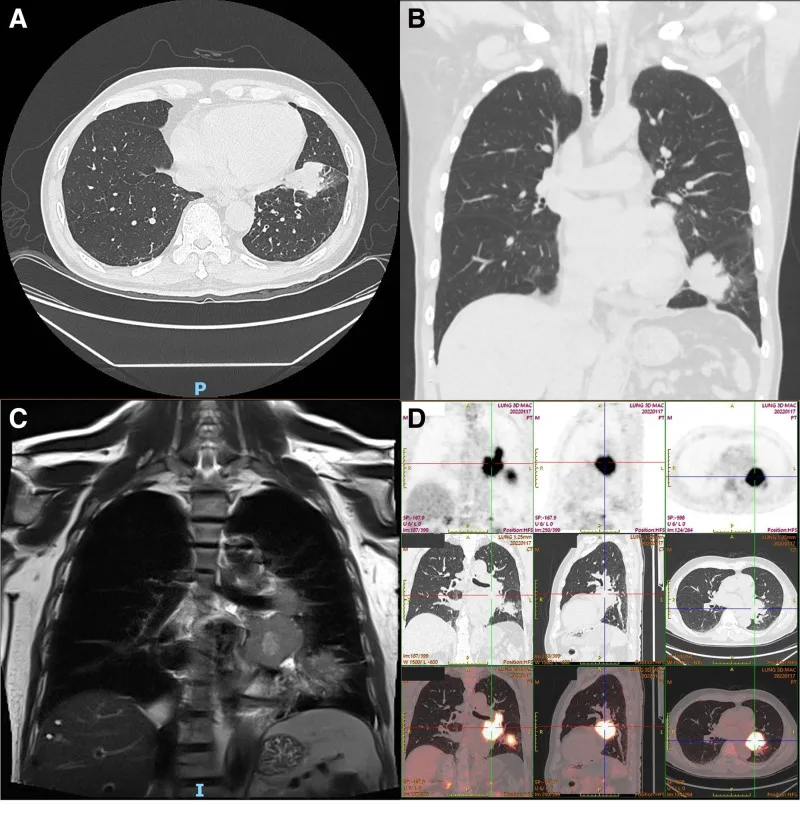
Stage IV Lung Adenocarcinoma With Delayed Pembrolizumab-Related Pneumonitis

Patient Info: Anonymized, female, 70+ | Stage IV

Metastatic Site: contralateral lung

After brachytherapy and continued pembrolizumab, imaging 1 year later showed a smaller right hilar lesion with otherwise stable disease. She later recovered from delayed pembrolizumab-related pneumonitis after immunotherapy had been stopped.

PubMed Central
OutcomeStable Disease
Filipe, who was diagnosed with Stage IV Non-Small Cell Lung CancerLung Cancer

Stage IV EGFR Non-Small Cell Lung Cancer: Filipe's Patient Story

Patient Info: Filipe, Male, Under 40 | Stage IV

Biomarkers: EGFR exon 19 deletion

Metastatic Site: brain, bone, left lung, kidney

As of November 2024, Filipe was living with ongoing Stage IV EGFR exon 19-mutated lung cancer after initial response to osimertinib, later progression and current amivantamab plus chemotherapy.

The Patient Story
OutcomeLiving With Cancer
A patient, who was diagnosed with Stage IV Lung AdenocarcinomaLung Cancer

Lung Adenocarcinoma With Immune-Related Abdominal Inflammation and Later Bone Progression

Patient Info: Anonymized, male | Stage IV

Biomarkers: PD-L1 30%; KRAS G13X mutation; EGFR/ALK/ROS1 negative

Metastatic Site: bone

After several periods of response or stability, lymph-node progression recurred and bone progression was documented in July 2024. Another treatment line was being planned.

PubMed Central
OutcomeSetback / Progression
Samantha, who was diagnosed with Stage IV Non-Small Cell Lung CancerLung Cancer

Stage IV HER2-Positive Non-Small Cell Lung Cancer: Samantha's Patient Story

Patient Info: Samantha, Female | Stage IV

Biomarkers: HER2 mutation

Metastatic Site: Lungs/pleural fluid; liver

As of November 2024, Samantha reported a 55% reduction across the board on chemotherapy plus immunotherapy, few side effects, improved energy, and enough function to hike, work, and feel more like herself.

The Patient Story
OutcomeResponding Well
A patient, who was diagnosed with Stage IV Small Cell Lung CancerLung Cancer

Stage 4 small-cell lung cancer: ongoing response to immunotherapy

Patient Info: Anonymized, Male, 50s | Stage IV

Biomarkers: PD-L1-negative

Metastatic Site: liver, bone, brain

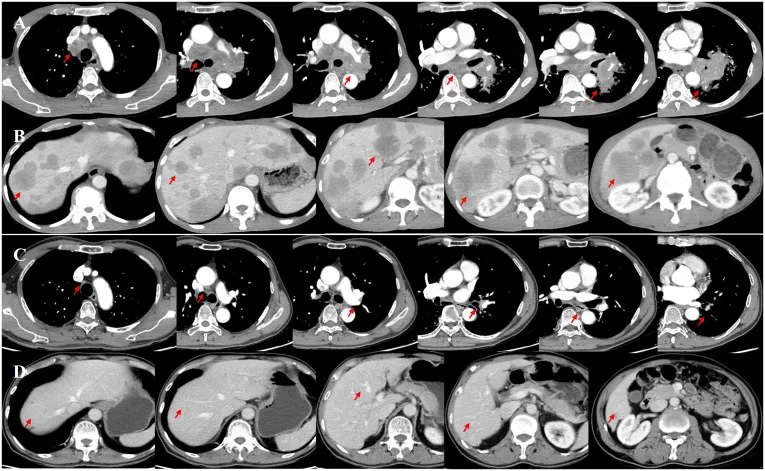
Extensive-stage small-cell lung cancer had complete response in the primary lung, liver, bone, and treated brain lesions, with partial response in hilar/mediastinal nodes; after about 20 months of serplulimab-based first-line therapy, the patient had no deterioration, no immunotherapy-related adverse effects, and high quality of life.

PubMed Central
OutcomeResponding Well
Ashley, who was diagnosed with Stage IV Non-Small Cell Lung CancerLung Cancer

Stage IV Non-Small Cell Lung Cancer: Ashley's Survivor Story

Patient Info: Ashley Vasallo, Female, Under 40 | Stage IV

Biomarkers: No actionable driver biomarker identified; rare fusion reported

Metastatic Site: spine, hip/bone, chest cavity

As of October 2024, Ashley reported clear labs and scans after radiation for small chest-cavity and hip lesions, with scans planned every 3 months.

The Patient Story
OutcomeCancer-Free / NED
A patient, who was diagnosed with Stage IV Lung CancerLung Cancer

Metastatic Lung Cancer With Morphine-Induced Fever During Palliative Radiation

Patient Info: Anonymized, female, 50s | Stage IV

Metastatic Site: brain, bone

She remained on dacomitinib while receiving radiation for painful metastatic disease in 2022. After morphine was identified as the cause of recurrent fever and stopped, her symptoms resolved and she was discharged in satisfactory condition.

PubMed Central
OutcomeCare Ongoing
Florence, who was diagnosed with Stage IV Lung CancerLung Cancer

Stage IV Lung Cancer: Florence's Patient Story

Patient Info: Florence, Female, 40s | Stage IV

Metastatic Site: Brain

As of the September 2024 article update, Florence was living with metastatic lung cancer, traveling every 3 weeks for immunotherapy in a clinical trial, and reported less fatigue, more energy, and a return to sports and social life.

CancerConsult (FR)
OutcomeResponding Well
A patient, who was diagnosed with Stage IV Lung CancerLung Cancer

Stage 4 lung LCNEC: major response to chemotherapy plus immunotherapy

Patient Info: Anonymized, Male, 40s | Stage IV

Biomarkers: Large-cell neuroendocrine lung cancer markers were positive. PD-L1 was negative

Metastatic Site: left adrenal gland

By July 2024, PET-CT showed complete metabolic response of the adrenal metastasis, no visible adrenal disease, no pulmonary recurrence, and no distant metastasis after immunochemotherapy, lobectomy, adjuvant therapy, and serplulimab maintenance.

PubMed Central
OutcomeCancer-Free / NED