Chemotherapy for Stage 4 Lung Cancer: 217 Real Stories

217 stories match lung cancer, stage 4 and chemotherapy. 119 of them mention immunotherapy.

A patient, who was diagnosed with Stage IV Lung AdenocarcinomaLung Cancer

Lynch-associated lung and colorectal cancers responded to immunotherapy

Patient Info: Anonymized, Female, 50s | Stage IV

Biomarkers: dMMR/MSI-H pattern with MLH1/PMS2 loss and germline MLH1 mutation; KRAS and PTEN mutations; PD-L1 TPS 15%.

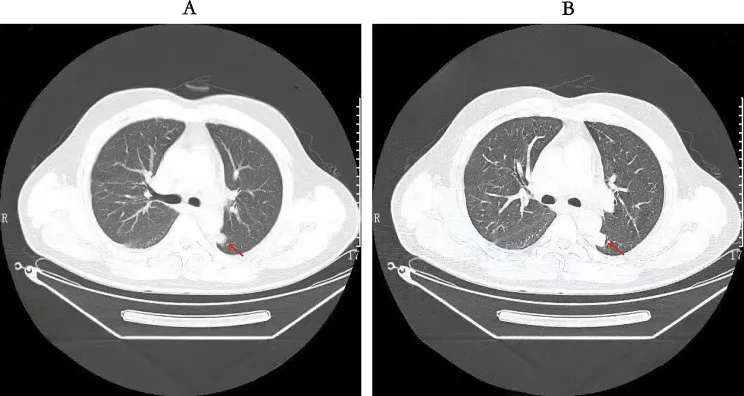
Metastatic Site: right paraspinal metastatic lesion from lung…

After starting iparomlimab plus tuvonralimab, pleural and pelvic disease improved, intestinal wall involvement decreased further after 5 cycles, the paraspinal lung metastasis remained stable, tumor markers stayed normal, and treatment continued.

PubMed Central
OutcomeResponding Well
A patient, who was diagnosed with Stage IV Non-Small Cell Lung CancerLung Cancer

MET exon 14 skipping lung adenocarcinoma: sequential MET-TKI toxicity and ongoing chemotherapy

Patient Info: Anonymized, Male, 70+ | Stage IV

Biomarkers: MET exon 14 skipping mutation; EGFR negative; ALK negative; ROS1 negative; PD-L1 tumor proportion score 10%

Metastatic Site: pleura

The cancer recurred with pleural dissemination after surgery and adjuvant UFT. Sequential MET inhibitors and systemic therapies provided periods of disease control but were limited by ILD and non-ILD toxicities; at the report, he remained on carboplatin, pemetrexed, and bevacizumab.

PubMed Central
OutcomeLiving With Cancer
A patient, who was diagnosed with Stage IV Lung AdenocarcinomaLung Cancer

KRAS G12C Stage IV lung adenocarcinoma with synchronous urothelial carcinoma and durable response

Patient Info: Anonymized, Male, 70+ | Stage IV

Biomarkers: Lung adenocarcinoma: KRAS ; PD-L1 TPS 5%. Urothelial carcinoma: GATA3-positive; CK7-positive; TTF1-negative.

Metastatic Site: homolateral pulmonary metastases and N2 lymph nodes…

After enfortumab vedotin, the urothelial carcinoma reached complete radiologic response and the lung cancer remained partially responding/stable; treatment was stopped after 16 months, and PET 2 months later showed complete metabolic response.

PubMed Central
OutcomeResponding Well
A patient, who was diagnosed with Stage IV Non-Small Cell Lung CancerLung Cancer

Stage IV EGFR-mutated lung adenocarcinoma with suspected myocardial metastasis responding to afatinib plus chemotherapy

Patient Info: Anonymized, Male | Stage IV

Biomarkers: EGFR L861Q; PD-L1 TPS/CPS 65%. TP53, MET and PIK3CA alterations also reported.

Metastatic Site: left ventricular myocardium; mediastinal lymph nodes…

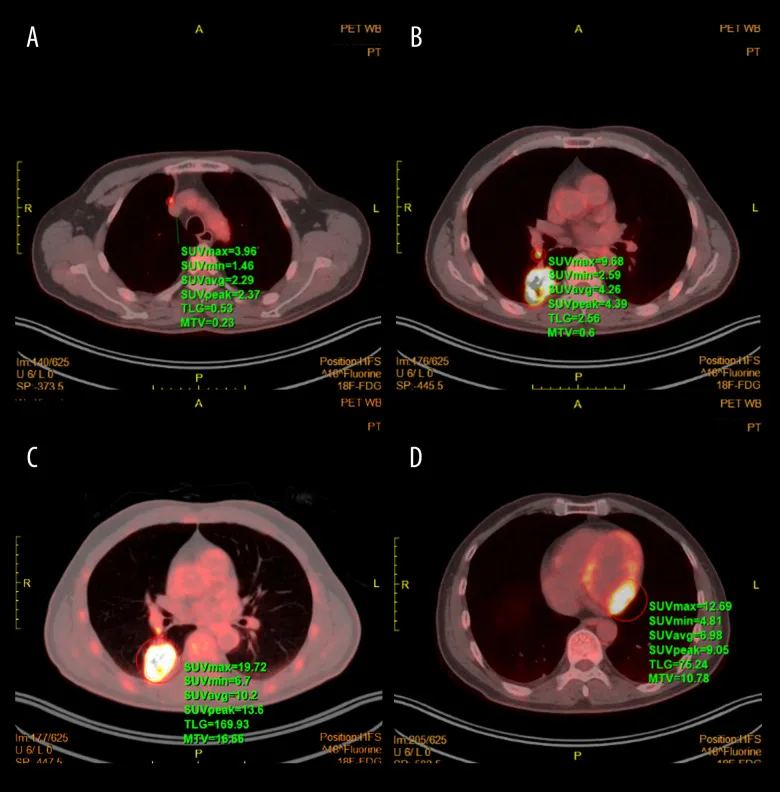
As of December 2025, the suspected left-ventricular myocardial metastasis had shrunk after 2 courses of afatinib plus pemetrexed/cisplatin, and the patient had no cardiovascular events during monitoring.

PubMed Central
OutcomeResponding Well
A patient, who was diagnosed with Stage IV Non-Small Cell Lung CancerLung Cancer

Stage IVA EGFR-mutated lung adenocarcinoma with malignant pleural effusion: stable disease on ivonescimab plus pemetrexed

Patient Info: Anonymized, Male, 50s | Stage IV

Biomarkers: EGFR exon 19 deletion persisted. Later pleural fluid had PD-L1 TPS 40% / CPS 41, low TMB

Metastatic Site: pleura / malignant pleural effusion

As of August 2025, Stage IVA EGFR-mutated lung adenocarcinoma with malignant pleural effusion was stable on ivonescimab plus pemetrexed after prior progression on gefitinib, almonertinib, and ivonescimab monotherapy.

PubMed Central
OutcomeLiving With Cancer
A patient, who was diagnosed with Stage IV Lung Squamous Cell CarcinomaLung Cancer

Stage IV squamous lung cancer: complete response followed by fatal bone marrow metastasis

Patient Info: Anonymized, Male, 60s | Stage IV

Biomarkers: with PD-L1 95%. SCC antigen/CYFRA rose at relapse.

Metastatic Site: bone (spine, bilateral humerus, bilateral femur); bone…

As of December 2025, he had died of aspiration pneumonia 1 month after admission for biopsy-confirmed bone marrow metastasis from squamous lung cancer, despite a prior complete response to chemoimmunotherapy and pembrolizumab maintenance.

PubMed Central
OutcomeIn Memory
A patient, who was diagnosed with Stage IV Lung AdenocarcinomaLung Cancer

Stage IV NSCLC with brain and leptomeningeal metastases responding to radiotherapy, camrelizumab, GM-CSF, and chemotherapy

Patient Info: Anonymized, Male, 50s | Stage IV

Biomarkers: Lung cancer markers supported adenocarcinoma. PD-L1 negative; no common lung driver found; TMB high; MSI not detected.

Metastatic Site: brain, leptomeningeal disease, left supraclavicular…

As of March 2025, leptomeningeal metastases had complete response, brain lesions had further regression, the lung lesion had decreased from 76 mm to 21 mm, and overall disease remained in partial response with 69 months of progression-free survival since radiotherapy.

PubMed Central
OutcomeResponding Well
A patient, who was diagnosed with Stage IV Non-Small Cell Lung CancerLung Cancer

Stage IVB SMARCA4-deficient NSCLC with brain metastasis: stable disease after surgery, radiation, chemotherapy, immunotherapy, and bevacizumab

Patient Info: Anonymized, Male, 70+ | Stage IV

Biomarkers: SMARCA4/BRG-1 loss with TP53 and other mutations; TMB high; PD-L1 <1%; MSI-H not detected.

Metastatic Site: brain

As of October 2025, the patient had stable disease, no brain recurrence, a controlled left lower-lobe lung lesion, and manageable treatment toxicity while continuing bevacizumab plus pemetrexed maintenance.

PubMed Central
OutcomeLiving With Cancer
Tina, who was diagnosed with Stage IV Lung CancerLung Cancer

Stage IV Lung Cancer: Tina's Patient Story

Patient Info: Tina Powell, Female | Stage IV

As of November 2025, Tina was living with Stage IV lung cancer after 27 chemotherapy rounds over 3 years and was receiving an antibody-drug conjugate in a clinical trial.

YouTube (AR search)
OutcomeLiving With Cancer
Ross, who was diagnosed with Stage IV Lung CancerLung Cancer

Stage IV Lung Cancer: Ross's Patient Story

Patient Info: Ross Camidge, Male | Stage IV

Biomarkers: Specific mutation identified; mutation name not reported

Metastatic Site: contralateral lung; mediastinal lymph nodes; bones

After a 2022 Stage IV diagnosis, Dr. Camidge was living with metastatic lung cancer between scans and continuing treatment; he described the disease as neither cured nor actively dying.

The Patient Story
OutcomeLiving With Cancer
A patient, who was diagnosed with Stage IV Small Cell Lung CancerLung Cancer

Stage IV small cell lung cancer: complete tumor response with recovery from paraneoplastic limbic encephalitis

Patient Info: Anonymized, Male, 60s | Stage IV

Biomarkers: Small-cell lung cancer markers included TTF-1/chromogranin-A with Ki-67 90%. Paraneoplastic testing showed GABA-B receptor IgG positive.

Metastatic Site: adrenal glands, diaphragmatic lymph nodes, lungs,…

After 4 cycles of chemotherapy, PET showed complete tumor response. He was alive, clinically well, fully recovered from neurologic symptoms, and April 2025 brain MRI showed improvement of limbic encephalitis changes with evolution toward hippocampal atrophy.

PubMed Central
OutcomeResponding Well
A patient, who was diagnosed with Stage IV Lung Squamous Cell CarcinomaLung Cancer

Synchronous primary squamous lung cancers: long disease control after multimodal therapy, then Stage IVA lung recurrence

Patient Info: Anonymized, Male, 60s | Stage IV

Biomarkers: Squamous lung cancers with PD-L1 20% and no driver mutation detected; P40/P63 markers supported squamous type.

Metastatic Site: bilateral lung metastases at recurrence

As of November 2025, the patient had achieved 72 months of progression-free survival and remained alive at 75 months, but had developed Stage IVA recurrent pulmonary squamous cell carcinoma with bilateral lung metastases and had restarted systemic therapy.

PubMed Central
OutcomeSetback / Progression
Drea, who was diagnosed with Stage IV Non-Small Cell Lung CancerLung Cancer

Stage IV ROS1 Non-Small Cell Lung Cancer: Drea's Patient Story

Patient Info: Drea, Female, Under 40 | Stage IV

Biomarkers: ROS1-positive

Metastatic Site: bilateral lungs; spine; pelvis; brain

Drea had about 3 years of good response and quality of life on her first ROS1 TKI; after new lesions appeared, a second TKI was keeping disease under control with manageable symptoms.

The Patient Story
OutcomeResponding Well
Lysa, who was diagnosed with Stage IV Non-Small Cell Lung CancerLung Cancer

Stage IV ROS1 Non-Small Cell Lung Cancer: Lysa's Patient Story

Patient Info: Lysa, Female, 40s | Stage IV

Biomarkers: ROS1-positive / ROS1-rearranged

Metastatic Site: spine; later new sites not specified

After more than a decade with Stage IV ROS1-positive NSCLC, Lysa was stable on a clinical-trial targeted therapy and no longer needed chemotherapy.

The Patient Story
OutcomeResponding Well
A patient, who was diagnosed with Stage IV Small Cell Lung CancerLung Cancer

Extensive-stage small-cell lung cancer with serplulimab-associated diabetes: care ongoing

Patient Info: Anonymized, Male, 60s | Stage IV

Biomarkers: Tumor biomarkers not reported. Diabetes workup after immunotherapy: autoantibodies negative, C-peptide very low.

After 11 days in the hospital, diabetic ketoacidosis was controlled; he continued insulin therapy with good glucose control and resumed serplulimab plus levothyroxine.

PubMed Central
OutcomeCare Ongoing
A patient, who was diagnosed with Stage IV Lung AdenocarcinomaLung Cancer

Stage IVA lung adenocarcinoma: fatal hemoptysis from pulmonary artery pseudoaneurysm after chemoradiotherapy

Patient Info: Anonymized, Female, 40s | Stage IV

Biomarkers: CEA 62 ng/mL; CA19-9 and neuron-specific enolase within normal limits; no molecular biomarkers reported

Metastatic Site: bone (11th thoracic vertebra)

The patient died from airway obstruction after massive hemoptysis caused by rupture of a pulmonary artery pseudoaneurysm that developed at the tumor-invaded pulmonary artery site after chemoradiotherapy.

PubMed Central
OutcomeIn Memory
A patient, who was diagnosed with Stage IV Small Cell Lung CancerLung Cancer

Extensive-stage small-cell lung cancer with serplulimab-associated diabetes

Patient Info: Anonymized, Male, 70+ | Stage IV

Biomarkers: Tumor biomarkers not reported. Diabetes autoantibodies were negative, C-peptide was low, and hypothyroidism labs were severe.

After 10 days of hospitalization, diabetic ketoacidosis was controlled; he was discharged on insulin therapy and resumed serplulimab immunotherapy.

PubMed Central
OutcomeCare Ongoing
A patient, who was diagnosed with Stage IV Non-Small Cell Lung CancerLung Cancer

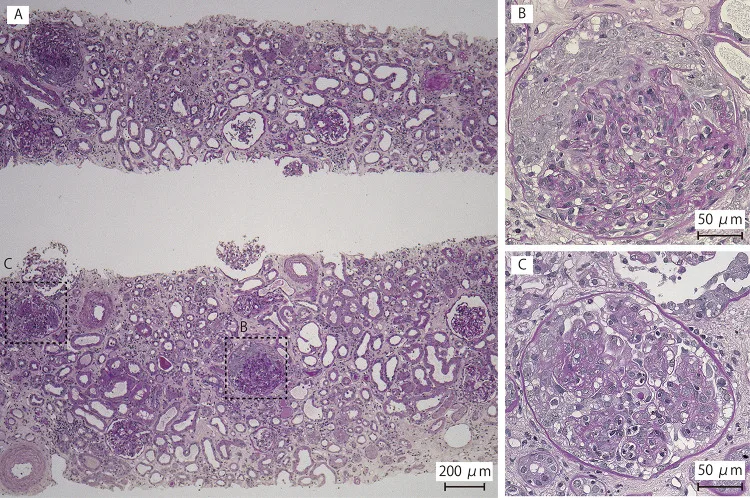
Stage IV lung adenocarcinoma with paraneoplastic nephrotic syndrome during pembrolizumab therapy

Patient Info: Anonymized, Male, 60s | Stage IV

Biomarkers: PD-L1 tumor proportion score >50% by Roche SP263 assay; KRAS exon 3 mutation; NGS/FISH did not identify targets for first-line targeted therapy

Metastatic Site: brain, bone

Pembrolizumab produced partial response and improved nephrotic-syndrome parameters, but bone metastases progressed in September 2022 and the right upper-lobe target lesion progressed 2 months later, leading to carboplatin plus pemetrexed.

PubMed Central
OutcomeSetback / Progression