Cancer Stories
 Lung Cancer
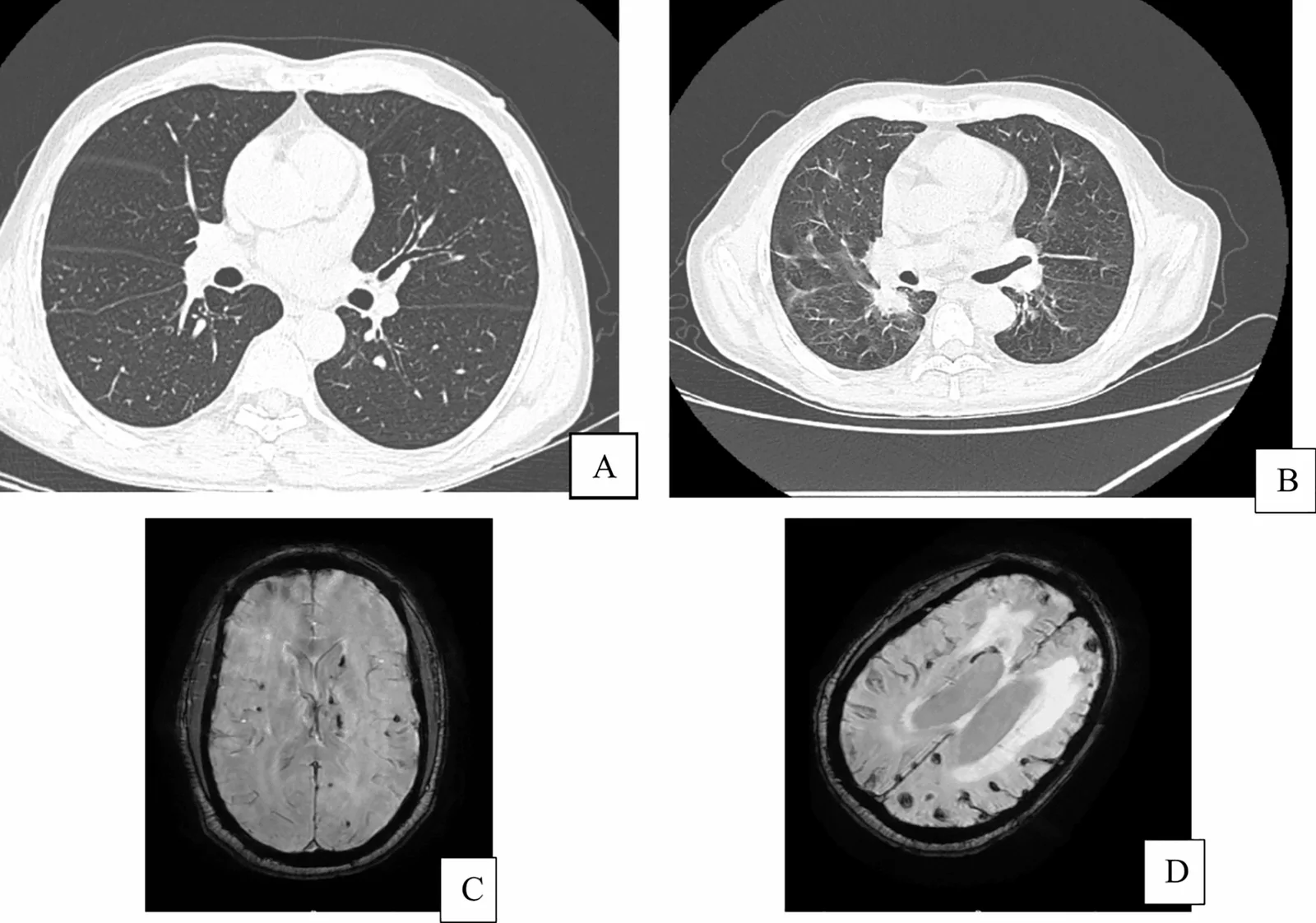
Stage IV lung cancer presenting with a paraneoplastic neurologic syndrome and mixed tumor features
Patient Info: Anonymized, Male, 40s | Stage IV
Biomarkers: PD-L1 0%
Metastatic Site: bone (T10 and L5 vertebrae)
 PubMed Central
 Lung Cancer
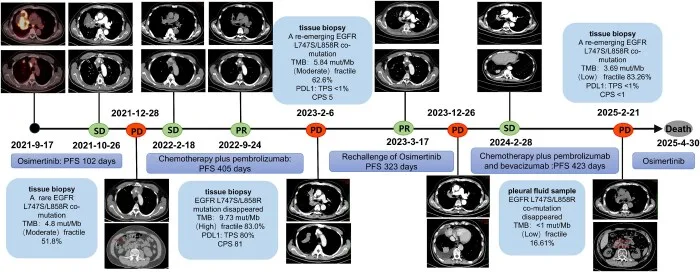
Patient Info: Anonymized, Male, 60s | Stage IV
Biomarkers: Markers changed over time: started with EGFR L747S/L858R; later MET-amplified, PD-L1 TPS 80%, high TMB clone; later EGFR reappeared.
Metastatic Site: pleura, peritoneal nodule, retroperitoneal lymph nodes
PubMed Central Lung Cancer
Stage IV EGFR Lung Cancer: Shannon's Survivor Story
Patient Info: Shannon, Female, Under 40 | Stage IV
Biomarkers: EGFR mutation; TP53 mutation
Metastatic Site: cervical spine (C1/C2 and C4/C6), liver
 The Patient Story
 Lung Cancer
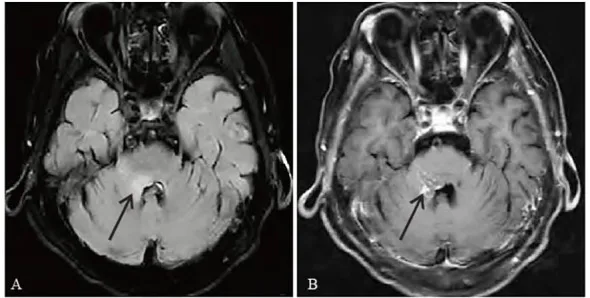
Patient Info: Anonymized, Male, 50s | Stage IV
Biomarkers: PD-L1-high lung adenocarcinoma with EGFR/ALK/ROS1 wild type and TTF-1 positive. KLHL11-IgG was linked to cerebellitis.
Metastatic Site: M1a disease; specific metastatic site not otherwise…
PubMed Central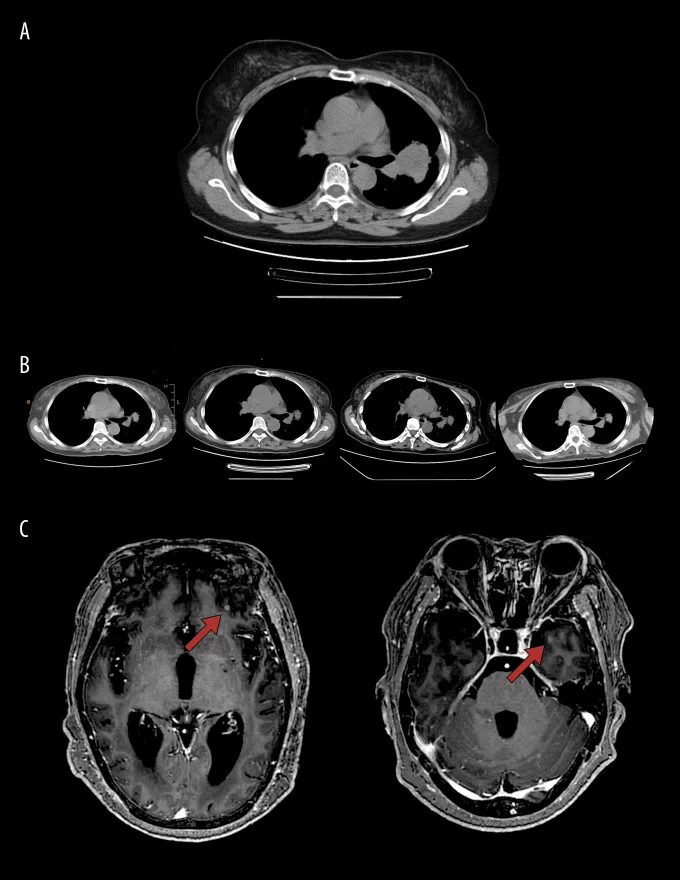 Lung Cancer
Stage IV EGFR-mutated lung adenocarcinoma: high-dose furmonertinib after CNS progression
Patient Info: Anonymized, Female, 50s | Stage IV
Biomarkers: Initial EGFR L858R mutation. Later blood testing showed EGFR p.S553Y variation; CEA rose and fell with treatment.
Metastatic Site: brain/meninges; bilateral pleura/lungs; mediastinal…
PubMed Central Lung Cancer
Stage IV Non-Small Cell Lung Cancer: Jill's Patient Story
Patient Info: Jill, Female, 50s | Stage IV
Biomarkers: Driver mutation identified; specific mutation not stated
Metastatic Site: pleura
The Patient Story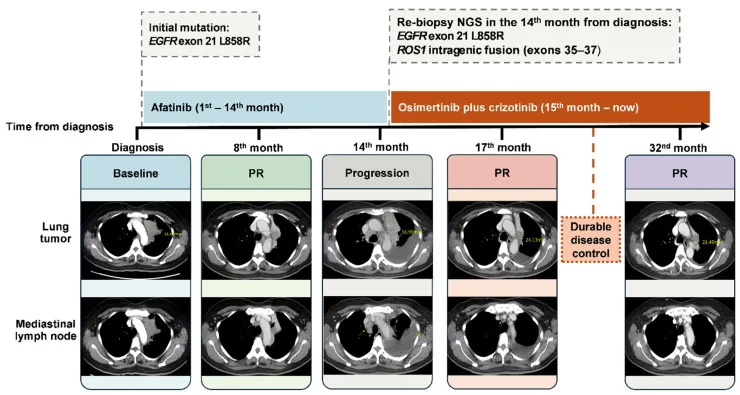 Lung Cancer
Stage IV EGFR-mutated lung cancer responds after targeted therapy intolerance
Patient Info: Anonymized, Female, 50s | Stage IV
Biomarkers: EGFR L858R mutation; PIK3CA E545K mutation; acquired ROS1 rearrangement
Metastatic Site: pleura|pericardium|bone|lungs
PubMed Central Lung Cancer
Stage IV ALK Lung Cancer: Jake's Patient Story
Patient Info: Jake, Male, Under 40 | Stage IV
Biomarkers: ALK-positive mutation
Metastatic Site: brain; lung; ankle bone
The Patient Story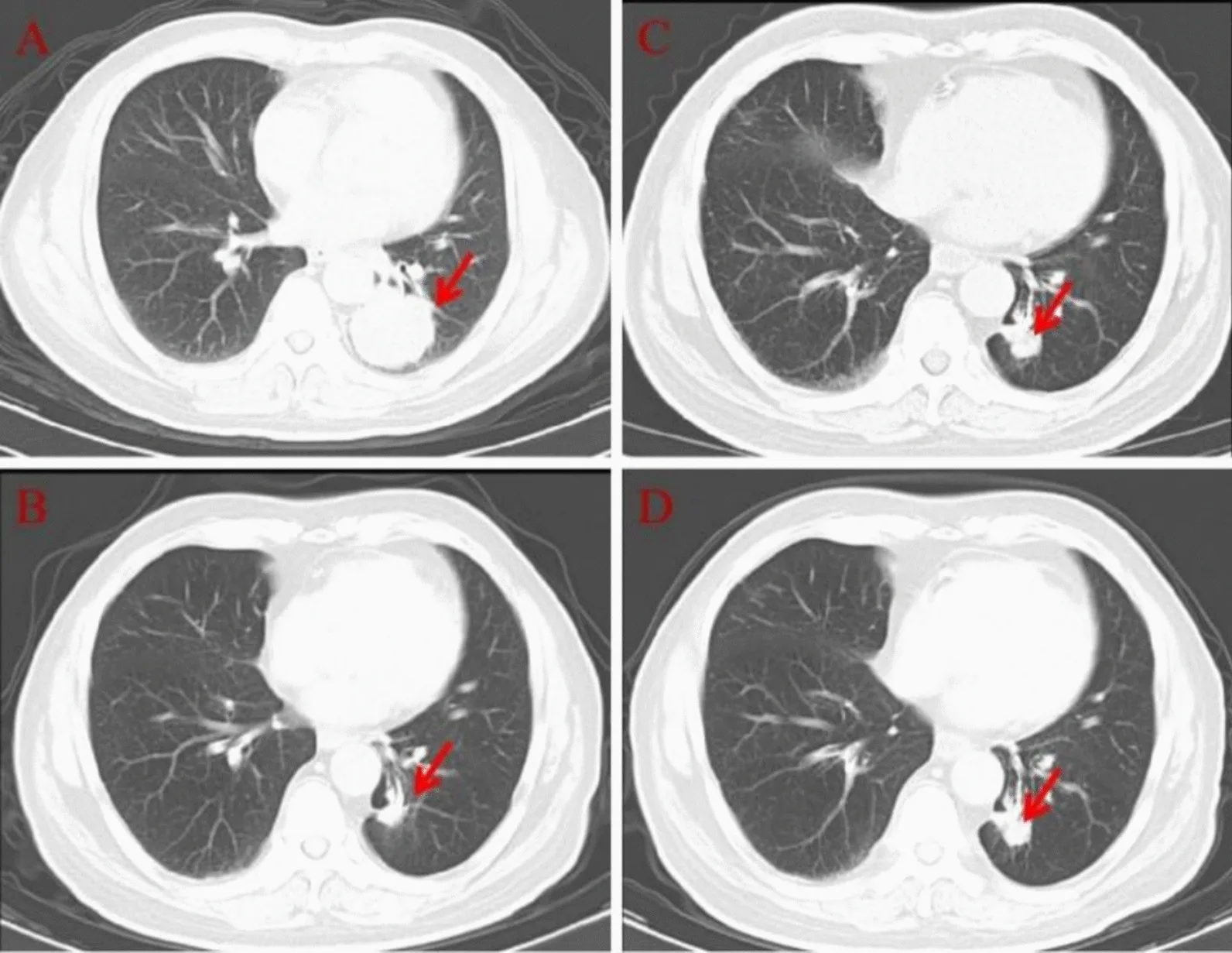 Lung Cancer
More than 5 years of disease control with maintenance chemotherapy for Stage IV lung cancer
Patient Info: Anonymized, Male | Stage IV
Biomarkers: KRAS mutation; TP53 mutation
Metastatic Site: brain
PubMed Central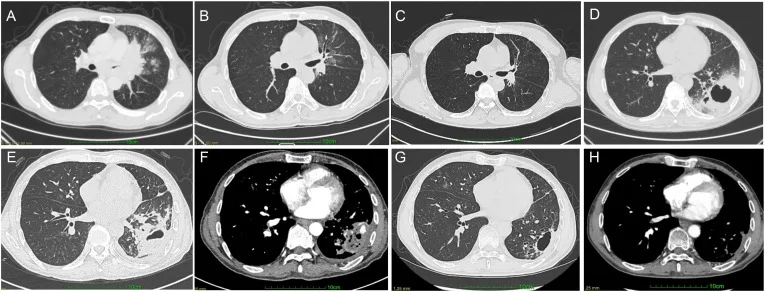 Lung Cancer
Patient Info: Anonymized, Male, 50s | Stage IV
Biomarkers: PD-L1 20%
Metastatic Site: bilateral lungs
PubMed Central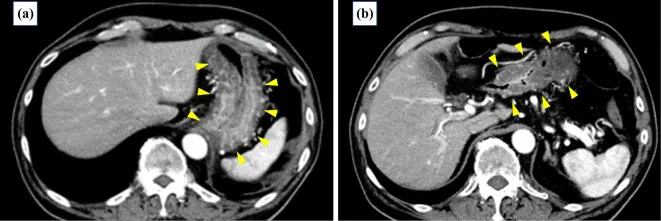 Lung Cancer
Stage IV squamous lung cancer with steroid-refractory immune-related gastritis after pembrolizumab
Patient Info: Anonymized, Male, 70+ | Stage IV
Biomarkers: Gastric biopsy during immune gastritis showed CD8-positive lymphocyte inflammation, no cancer
PubMed Central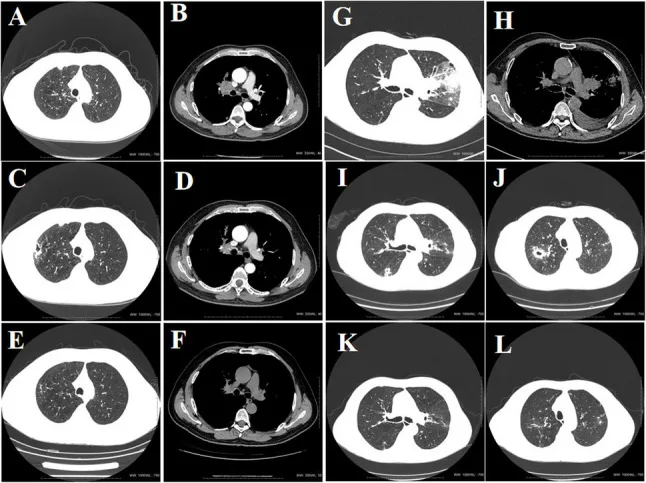 Lung Cancer
Stage IV lung cancer response followed by immune-related lung inflammation
Patient Info: Anonymized, Male, 70+ | Stage IV
Biomarkers: EGFR-negative; ALK-negative; ROS1-negative
Metastatic Site: pleura
PubMed Central Lung Cancer
Stage IV EGFR Lung Cancer: Kelsey's Patient Story
Patient Info: Kelsey, Female, Under 40 | Stage IV
Biomarkers: EGFR mutation; later ALK mutation after progression
Metastatic Site: Bone — pelvis and spine/L5
The Patient Story Lung Cancer
Stage IV Non-Small Cell Lung Cancer: Natalie's Patient Story
Patient Info: Natalie, Female, Under 40 | Stage IV
Metastatic Site: Spine
The Patient Story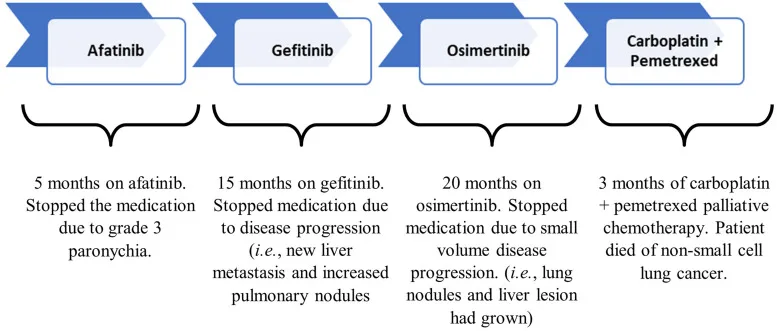 Lung Cancer
Stage IV EGFR-positive lung cancer treated for nearly 5 years before progression
Patient Info: Anonymized, Male, 70+ | Stage IV
Biomarkers: EGFR L858R mutation
Metastatic Site: liver
PubMed Central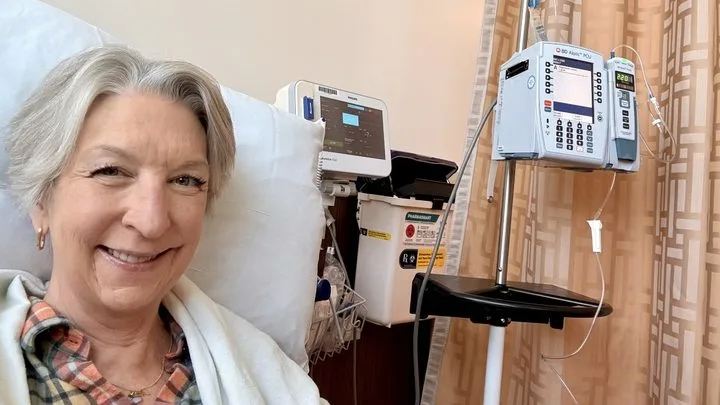 Lung Cancer
Stage IV EGFR Non-Small Cell Lung Cancer: Maggie's Patient Story
Patient Info: Maggie, Female, 60s | Stage IV
Biomarkers: EGFR mutation; MET amplification resistance mutation; MET overexpression
Metastatic Site: Brain
The Patient Story Lung Cancer
Stage IV ALK Non-Small Cell Lung Cancer: Clara's Patient Story
Patient Info: Clara, Female, Under 40 | Stage IV
Biomarkers: ALK-positive / ALK-rearranged after repeat Tempus testing
Metastatic Site: Pelvis; spleen
The Patient Story Lung Cancer
Stage IVB lung adenocarcinoma with severe immune-related complications
Patient Info: Anonymized, Male, 70+ | Stage IV
Biomarkers: PD-L1 TPS 20%; BRAF mutation
Metastatic Site: left supraclavicular fossa, left axilla, right hilum,…
PubMed Central Lung Cancer
Stage IV ROS1 Lung Cancer: Phil's Patient Story
Patient Info: Phil, Male, 60s | Stage IV
Biomarkers: ROS1 mutation
Metastatic Site: Lymph nodes; other lung
The Patient Story Lung Cancer
Stage IV ALK Non-Small Cell Lung Cancer: Stephanie's Patient Story
Patient Info: Stephanie, Female, 40s | Stage IV
Biomarkers: ALK mutation / ALK-positive
Metastatic Site: ovaries; spine; liver; lung
The Patient Story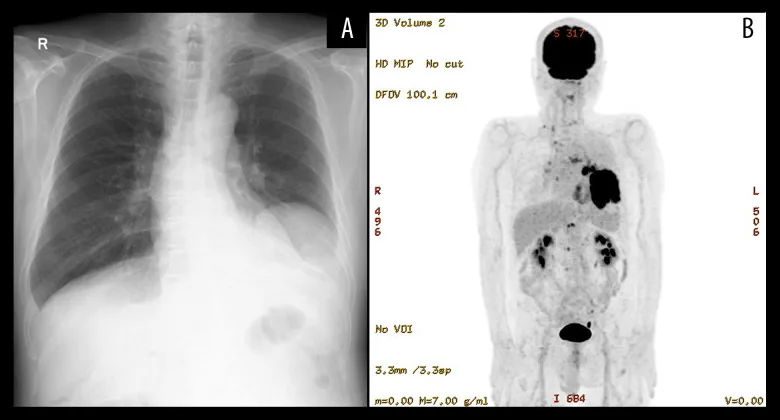 Lung Cancer
Stage 4 lung cancer: large tumor managed with targeted care
Patient Info: Anonymized, Male, 70+ | Stage IV
Biomarkers: PD-L1 TPS <1%
Metastatic Site: contralateral lymph nodes, supraclavicular lymph…
PubMed Central Lung Cancer
EGFR-mutant lung adenocarcinoma with acquired ROS1 rearrangement after EGFR-TKI resistance
Patient Info: Anonymized, Female, 50s | Stage IV
Biomarkers: EGFR exon 19 deletion; acquired EGFR T790M; acquired EZR exon10-ROS1 exon34 rearrangement
Metastatic Site: bone (distal femur); contralateral lung;…
PubMed Central Lung Cancer
Stage 4 lung cancer: persistent cough led to diagnosis
Patient Info: Anonymized, Male, 60s | Stage IV
Biomarkers: KRAS and TP53 ; PD-L1 TPS 95%. Other common lung drivers were not detected.
Metastatic Site: liver, left adrenal gland, lymph nodes, pleural…
PubMed Central Lung Cancer
EGFR-Mutant Lung Adenocarcinoma With Bone and Leptomeningeal Metastases
Patient Info: Anonymized, male, 40s | Stage IV
Biomarkers: EGFR exon 19 deletion; acquired EGFR T790M mutation
Metastatic Site: bone, leptomeninges
PubMed Central