Etoposide for Lung Cancer: 46 Real Stories

46 stories match lung cancer and etoposide. 45 of them mention chemotherapy.

A patient, who was diagnosed with Stage IV Small Cell Lung CancerLung Cancer

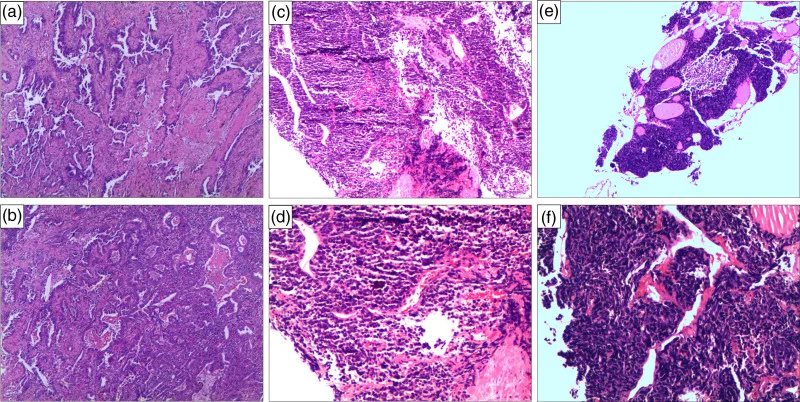
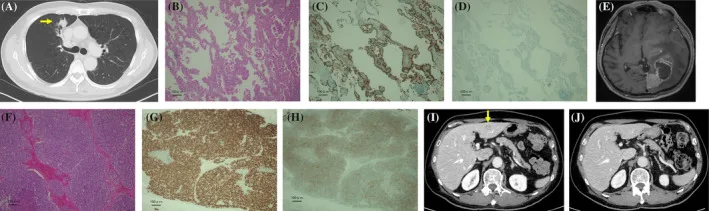
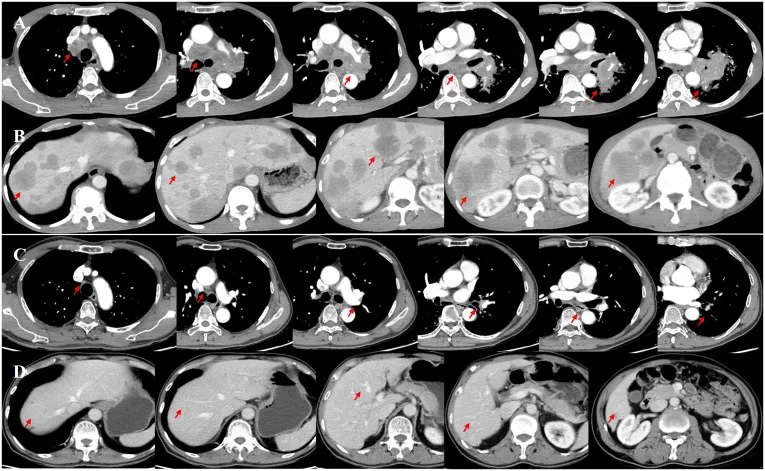
EGFR-Mutant Lung Adenocarcinoma That Transformed to Small Cell Lung Cancer

Patient Info: Anonymized, female, 40s | Stage IV

Biomarkers: EGFR exon 19 deletion

Metastatic Site: brain, adrenal gland, liver, thyroid

The cancer progressed after small-cell transformation with adrenal, thyroid, liver and brain involvement, and she died 52.7 months after the original diagnosis from disease progression and organ failure.

PubMed Central
OutcomeIn Memory
A patient, who was diagnosed with Stage IV Small Cell Lung CancerLung Cancer

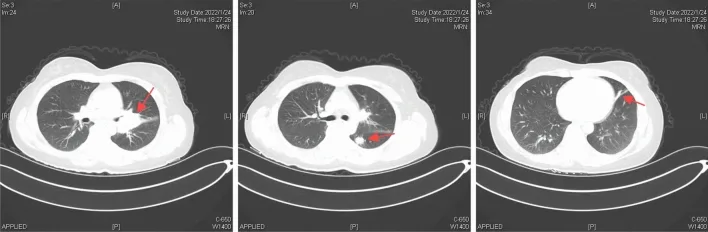
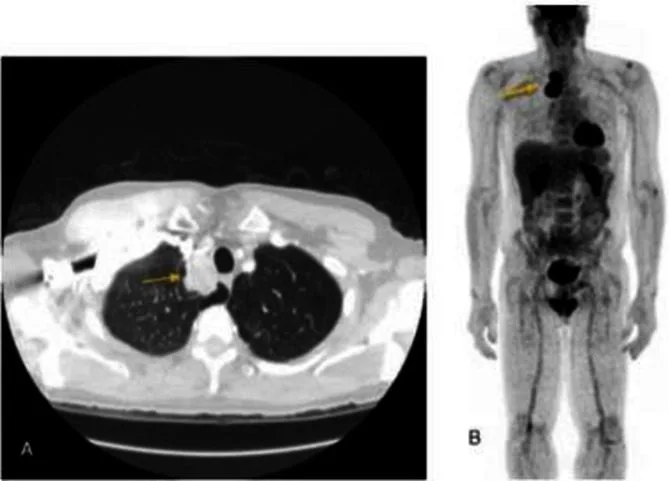
Stage 4 small cell lung cancer with paraneoplastic neurological syndrome

Patient Info: Anonymized, Female, 60s | Stage IV

Biomarkers: Paraneoplastic antibody panel positive for anti-Hu, anti-AMPH, anti-Ri

Metastatic Site: left axillary lymph nodes

Over 2 years of follow-up, CT showed stable complete response, tumor markers stayed normal, no new metastases appeared, and neurological symptoms did not worsen.

PubMed Central
OutcomeCancer-Free / NED
A patient, who was diagnosed with Stage IV Small Cell Lung CancerLung Cancer

ALK-Fusion Small Cell Lung Cancer Responding to ALK-Targeted Therapy

Patient Info: Anonymized, female, 40s | Stage IV

Biomarkers: EML4-ALK fusion

Metastatic Site: brain

After several earlier treatments stopped controlling the cancer, ALK-targeted iruplinalkib produced a partial response and was still controlling disease after more than 8 months.

PubMed Central
OutcomeResponding Well
A patient, who was diagnosed with Stage III Small Cell Lung CancerLung Cancer

Stage III small cell lung cancer with paraneoplastic optic disc swelling

Patient Info: Anonymized, Male, 70+ | Stage III

Biomarkers: anti-CV2/CRMP-5 positive; anti-Hu positive

Eighteen months after diagnosis, there was no evidence of cancer recurrence. Optic disc swelling had fully resolved after steroid treatment, with preserved visual function.

PubMed Central
OutcomeCancer-Free / NED
A patient, who was diagnosed with Stage IV Small Cell Lung CancerLung Cancer

Stage IV small cell lung cancer: no abnormality after chemotherapy, radiotherapy, and TCM follow-up

Patient Info: Anonymized, Male, 60s | Stage IV

Metastatic Site: bilateral lungs; left supraclavicular lymph nodes;…

After chemotherapy, radiotherapy, supportive care, and longitudinal TCM follow-up, imaging showed disappearance of the main lung, nodal, and intrapulmonary lesions, with no abnormality found after 4 years of follow-up.

PubMed Central
OutcomeCancer-Free / NED
A patient, who was diagnosed with Small Cell Lung CancerLung Cancer

Limited-stage SCLC with paraneoplastic syndrome: complete response

Patient Info: Anonymized, Female, 50s

Biomarkers: SCLC markers: TTF-1 and synaptophysin positive, Ki-67 ~85%; anti-CV2/CRMP5 and anti-SOX1 antibodies positive.

Remission at 6 years after carboplatin/etoposide chemotherapy, thoracic radiation, and prophylactic cranial irradiation for limited-stage SCLC with paraneoplastic cerebellar degeneration.

PubMed Central
OutcomeCancer-Free / NED
A patient, who was diagnosed with Stage IV Small Cell Lung CancerLung Cancer

Small Cell Lung Cancer With Rapidly Progressive Paraneoplastic Neuropathy

Patient Info: Anonymized, male, 50s | Stage IV

Metastatic Site: adrenal glands

Despite a partial tumor response, severe ascending motor and sensory neuropathy progressed to respiratory compromise. He chose supportive care and died 3 weeks after the neurologic symptoms began.

PubMed Central
OutcomeIn Memory
A patient, who was diagnosed with Stage IV Small Cell Lung CancerLung Cancer

Lung Adenocarcinoma That Transformed to Small Cell Cancer After Recurrence

Patient Info: Anonymized, male, 60s | Stage IV

Biomarkers: PD-L1 1%-24%; no druggable driver alteration identified

Metastatic Site: brain, liver

After treatment for the small-cell-transformed recurrence, the liver metastases showed sustained regression and progression-free survival had reached 13 months by September 2024.

PubMed Central
OutcomeResponding Well
A patient, who was diagnosed with Stage IV Non-Small Cell Lung CancerLung Cancer

Stage IV lung cancer: brain metastasis complete response after chemoimmunotherapy

Patient Info: Anonymized, Male, 60s | Stage IV

Biomarkers: KRAS-mutated; BRG-1 partial loss; PD-L1 TPS 5%; CPS 20

Metastatic Site: brain (right cerebellar hemisphere)

The right cerebellar brain metastasis completely resolved and chest CT showed only postsurgical changes after carrelizumab plus paclitaxel/carboplatin; immune-mediated adrenal insufficiency improved with systemic glucocorticoids.

PubMed Central
OutcomeResponding Well
A patient, who was diagnosed with Stage IV Small Cell Lung CancerLung Cancer

Small Cell Lung Cancer With Paraneoplastic Cushing Syndrome Treated With Immunochemotherapy

Patient Info: Anonymized, male, 60s | Stage IV

Biomarkers: PD-L1 negative; low tumor mutation burden; microsatellite stable

Metastatic Site: liver, abdominal wall, left ilium

He lived 20 months after diagnosis. After repeated treatment responses and later progression, he died in September 2023 from respiratory and cardiac failure during a severe infection following treatment-related myelosuppression.

PubMed Central
OutcomeIn Memory
A patient, who was diagnosed with Stage IV Small Cell Lung CancerLung Cancer

Stage 4 small-cell lung cancer: ongoing response to immunotherapy

Patient Info: Anonymized, Male, 50s | Stage IV

Biomarkers: PD-L1-negative

Metastatic Site: liver, bone, brain

Extensive-stage small-cell lung cancer had complete response in the primary lung, liver, bone, and treated brain lesions, with partial response in hilar/mediastinal nodes; after about 20 months of serplulimab-based first-line therapy, the patient had no deterioration, no immunotherapy-related adverse effects, and high quality of life.

PubMed Central
OutcomeResponding Well
A patient, who was diagnosed with Stage IV Small Cell Lung CancerLung Cancer

Stage 4 small cell lung cancer: response to carboplatin, etoposide, and atezolizumab

Patient Info: Anonymized, Male, 50s | Stage IV

Biomarkers: CD56-positive; synaptophysin-positive

Metastatic Site: right hilar/mediastinal disease, left adrenal gland,…

Extensive-stage small-cell lung cancer presenting with chronic intestinal pseudo-obstruction improved after 3 cycles of carboplatin, etoposide, and atezolizumab, with PET response and symptomatic improvement; longer-term durability was not reported.

PubMed Central
OutcomeResponding Well
A patient, who was diagnosed with Small Cell Lung CancerLung Cancer

Rare small cell lung cancer subtype removed by surgery

Patient Info: Anonymized, Male

Biomarkers: Cytokeratin-negative; focal TTF-1-positive; Napsin A-negative; electron microscopy showed neurosecretory granules; EWSR1 and SS18 rearrangement testing negative

Follow-up scans found no residual, recurrent or metastatic lung cancer, and he was doing well.

PubMed Central
OutcomeCancer-Free / NED
SH
Lung Cancer

Severe headache during chemotherapy for small-cell lung cancer

Patient Info: Anonymized, Male, 50s

After the regimen change, he completed five chemotherapy cycles, remained free of severe headache, and had improvement in chest pain, cough, and breathing.

PubMed Central
OutcomeResponding Well
A patient, who was diagnosed with Small Cell Lung CancerLung Cancer

Extensive-stage small cell lung cancer with acquired haemophilia

Patient Info: Anonymized, Female, 60s

Biomarkers: Synaptophysin weakly positive; Ki-67 greater than 90%.

Her small cell lung cancer remained stable on imaging one month before her death, which followed aseptic meningitis after intravenous immunoglobulin treatment for autoimmune myasthenia gravis.

PubMed Central
OutcomeIn Memory
A patient, who was diagnosed with Small Cell Lung CancerLung Cancer

Small-Cell Lung Cancer First Appeared as Rapidly Worsening Nerve Damage

Patient Info: Anonymized, Female, 60s

Biomarkers: Anti-Hu-positive; anti-CV2/CRMP5-positive; anti-SOX1-positive

Despite six cycles of carboplatin and etoposide and intensive treatment for the paraneoplastic neuropathy, her neurological condition progressed; after a thrombocytopenia-related brain haemorrhage, she entered palliative care and died within weeks.

PubMed Central
OutcomeIn Memory
A patient, who was diagnosed with Stage IV Small Cell Lung CancerLung Cancer

Late-onset mania revealed advanced small cell lung cancer

Patient Info: Anonymized, Male, 50s | Stage IV

Biomarkers: ACTH-producing tumor with ACTH 776 pg/mL and morning cortisol 206.8 micrograms/dL.

Metastatic Site: right lung; liver

He died a few months after diagnosis from aspiration pneumonia and multiorgan failure in the setting of rapidly deteriorating stage IV small cell lung cancer.

PubMed Central
OutcomeIn Memory
A patient, who was diagnosed with Small Cell Lung CancerLung Cancer

Small cell lung cancer found through a disabling paraneoplastic neuropathy

Patient Info: Anonymized, Female, 60s

Biomarkers: Anti-CRMP5 antibody-positive.

She completed chemotherapy and radiation and entered oncology follow-up, while the disabling sensory and motor neuropathy persisted and rehabilitation continued.

PubMed Central
OutcomeCare Ongoing
A patient, who was diagnosed with Stage IV Small Cell Lung CancerLung Cancer

Stage IV Small Cell Lung Cancer Causing Severe Cushing Syndrome

Patient Info: Anonymized, Male, 40s | Stage IV

Biomarkers: Ectopic ACTH secretion with markedly elevated ACTH and cortisol

Metastatic Site: liver|bones

The cancer and hormone syndrome progressed after an initial response, and he died after cardiopulmonary arrest 1 year after diagnosis.

PubMed Central
OutcomeIn Memory
A patient, who was diagnosed with Small Cell Lung CancerLung Cancer

Small cell lung cancer found after severe digestive and neurologic symptoms

Patient Info: Anonymized, Male, 50s

Biomarkers: ANNA-1 positive at 1:61, 440; neuronal acetylcholine receptor antibody 0.05 nmol/L

His speech and strength improved with treatment, and PET/CT 4 months after the initial assessment showed no recurrent or metastatic lung cancer.

PubMed Central
OutcomeResponding Well