Paclitaxel: 361 Real Stories

361 stories match paclitaxel. 359 of them mention chemotherapy.

Stephanie, who was diagnosed with Stage III Breast CancerBreast Cancer

Stage III Triple-Negative Breast Cancer: Stephanie's Survivor Story

Patient Info: Stephanie, Female | Stage III

Biomarkers: ER-negative; PR-negative; HER2-negative; BRCA1 mutation

As of June 2026, Stephanie described being a 10-year survivor after Stage III BRCA1-positive triple-negative breast cancer, with remission shown after chemotherapy and no recurrence described.

The Patient Story
OutcomeCancer-Free / NED
Callie, who was diagnosed with Stage II Invasive Ductal CarcinomaBreast Cancer

Stage II HR-Positive Invasive Ductal Carcinoma: Callie's Survivor Story

Patient Info: Callie, Female, Under 40 | Stage II

Biomarkers: ER-positive

As of June 2026, Callie described survivorship after mastectomy, ACT chemotherapy, reconstruction, and hysterectomy for Stage IIB ER-positive IDC, with all cancer-directed treatment completed by the end of 2019.

The Patient Story
OutcomeSurvivorship / Completed Treatment
A patient, who was diagnosed with Non-Small Cell Lung CancerLung Cancer

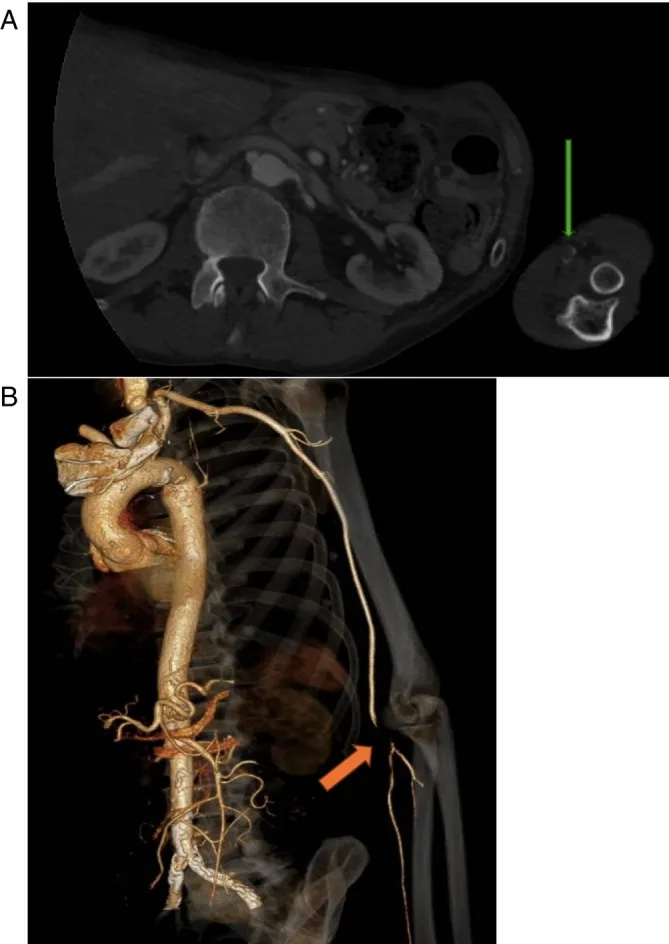
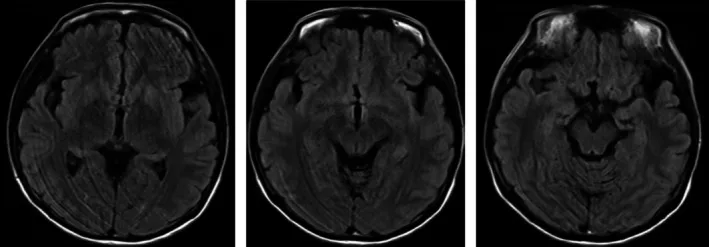
Recurrent squamous lung cancer with tumor emboli, acute limb ischemia, brain metastases, and death

Patient Info: Anonymized, Male, 60s | Stage Metastatic/Advanced

Biomarkers: p40-positive; TTF-1-negative; PD-L1 not expressed / no PD-L1 reported in raw case

Metastatic Site: brain/cerebral metastases; tumor emboli in upper and…

The patient developed recurrent acute limb ischemia from tumor emboli, then new cerebral metastases, and died from advanced disease 7 months after the bilateral lower-limb ischemia presentation.

PubMed Central
OutcomeIn Memory
Andrea, who was diagnosed with Stage III Breast CancerBreast Cancer

Stage III Breast Cancer: Andrea's Survivor Story

Patient Info: Andrea, Female, Under 40 | Stage III

Completed chemotherapy, mastectomy/reconstruction, and radiation for Stage IIB-to-Stage III breast cancer diagnosed during pregnancy, and later described survivorship, parenting, fatigue, relationship strain, and recovery after treatment.

The Patient Story
OutcomeSurvivorship / Surveillance
Erin, who was diagnosed with Stage IV Breast CancerBreast Cancer

Stage IV Triple-Negative Breast Cancer: Erin's Patient Story

Patient Info: Erin, Female | Stage IV

Biomarkers: ER-negative; PR-negative; HER2-negative; later tumor responded to androgen signaling

Metastatic Site: Lung; brain

As of June 2026, Erin was living with metastatic triple-negative breast cancer involving lung and brain, with tumors shrinking on ongoing Gemzar plus carboplatin chemotherapy every 2 weeks.

The Patient Story
OutcomeResponding Well
Margaret, who was diagnosed with Stage II Invasive Ductal CarcinomaBreast Cancer

Stage II Invasive Ductal Carcinoma: Margaret's Survivor Story

Patient Info: Margaret, Female | Stage II

Biomarkers: Onco-typing score 18; hormone-responsive tumor described; exact receptor status not reported

As of June 2026, Margaret’s story described completed surgery, chemotherapy, radiation, and later reconstruction for Stage II IDC/DCIS breast cancer, with survivorship focused on recovery, neuropathy, and integrative support rather than an explicit NED claim.

The Patient Story
OutcomeSurvivorship / Surveillance
Tina, who was diagnosed with Stage III Invasive Lobular CarcinomaBreast Cancer

Stage III HR-Positive Invasive Lobular Carcinoma: Tina's Patient Story

Patient Info: Tina, Female, Under 40 | Stage III

Biomarkers: ER-positive

As of June 2026, Tina was in survivorship after double mastectomy, AC-T chemotherapy, radiation, and ongoing hormone therapy with daily tamoxifen and Zoladex every 3 months.

The Patient Story
OutcomeCare Ongoing
Monica, who was diagnosed with Stage II Invasive Ductal CarcinomaBreast Cancer

Stage II Invasive Ductal Carcinoma: Monica's Survivor Story

Patient Info: Monica, Female, Under 40 | Stage II

As of June 2026, Monica described survivorship after treatment for Stage IIB breast cancer and a separate undifferentiated pleomorphic sarcoma, with lasting neuropathy, bone pain, reconstruction complications, and grief around fertility.

The Patient Story
OutcomeSurvivorship / Completed Treatment
A patient, who was diagnosed with Stage IV Invasive Ductal CarcinomaBreast Cancer

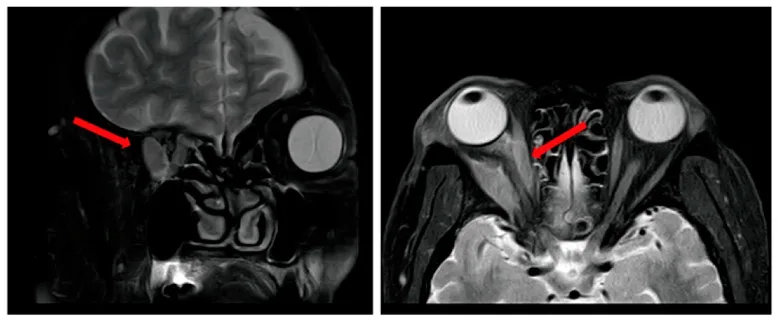
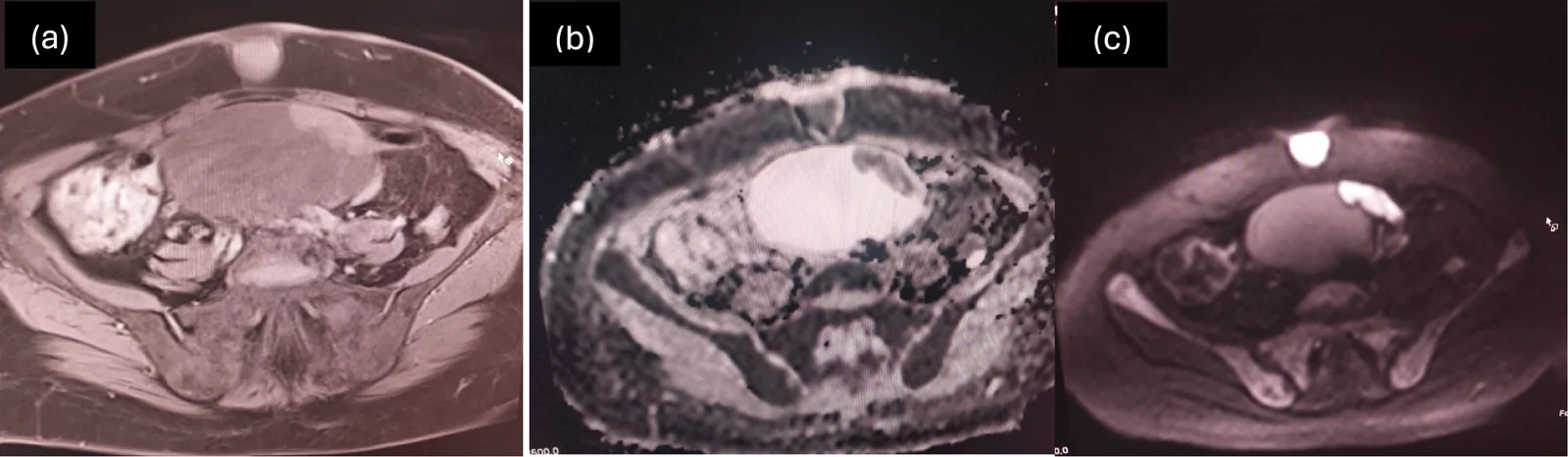
Metastatic triple-negative breast cancer with orbital and bone metastases responding to nab-paclitaxel plus everolimus

Patient Info: Anonymized, Female, 70+ | Stage IV

Biomarkers: Primary breast cancer was ER-low, PR/HER2 negative. Orbital metastasis was triple-negative with AKT1 exon 4 mutation.

Metastatic Site: right orbit/orbital mass; bone

At 6-month follow-up, systemic disease was stable, ocular symptoms had significantly improved, orbital metastases were stable on MRI, and the response was described as RECIST partial response/progression-free interval while treatment continued.

PubMed Central
OutcomeResponding Well
Caitlin, who was diagnosed with Stage II Ovarian Squamous Cell CarcinomaOvarian Cancer

Stage II Ovarian Squamous Cell Carcinoma: Caitlin's Survivor Story

Patient Info: Caitlin Koehler, female, Under 40 | Stage II

Biomarkers: PD-L1: high expression

After surgery for recurrence, Caitlin remained on maintenance therapy and her follow-up scans showed no evidence of disease.

MD Anderson
OutcomeCancer-Free / NED
A patient, who was diagnosed with Stage IV Breast CancerBreast Cancer

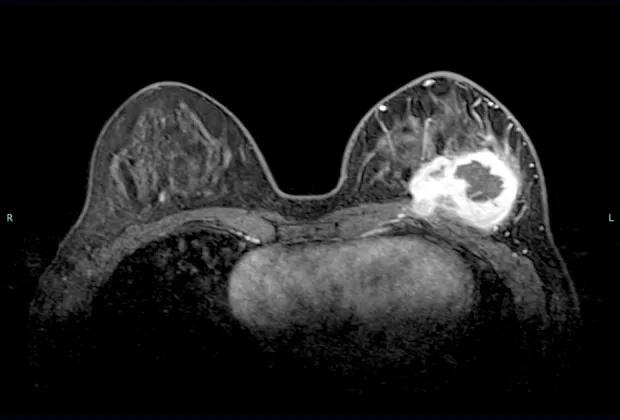
Stage IIB triple-negative metaplastic breast cancer with early metastatic recurrence: durable response to pembrolizumab-based therapy

Patient Info: Anonymized, Female, 50s | Stage IV

Biomarkers: Triple-negative metaplastic breast cancer with PD-L1 CPS 83.2, BRCA1/2 negative

Metastatic Site: lung, sternum

As of May 2026, she had more than 30 months of disease control after pembrolizumab-based therapy for early recurrent metastatic metaplastic breast cancer, with only mild residual sternal uptake and no disease progression.

PubMed Central
OutcomeResponding Well
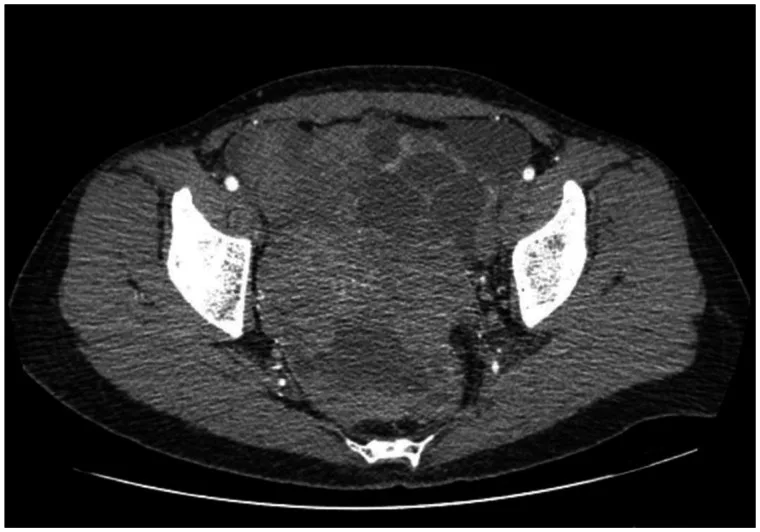
A patient, who was diagnosed with Stage IV Ovarian AdenocarcinomaOvarian Cancer

Stage IV Ovarian Cancer First Found Through an Umbilical Metastasis

Patient Info: Anonymized, female, 60s | Stage IV

Biomarkers: WT1-positive; CK7-positive; CA-125 321 U/mL at diagnosis

Metastatic Site: umbilicus

After 9 months of bevacizumab maintenance, her clinical and imaging findings remained stable.

PubMed Central
OutcomeStable Disease
A patient, who was diagnosed with Stage III Ovarian CancerOvarian Cancer

Durable response after multiple treatments for ovarian clear cell cancer

Patient Info: Anonymized, Female, 40s | Stage III

Biomarkers: HRD-positive; BRCA-negative; ARID1A mutation; PD-L1 CPS 30

She achieved a complete response, completed maintenance immunotherapy in May 2024, and continued anlotinib with normal follow-up imaging and tumor markers.

PubMed Central
OutcomeResponding Well
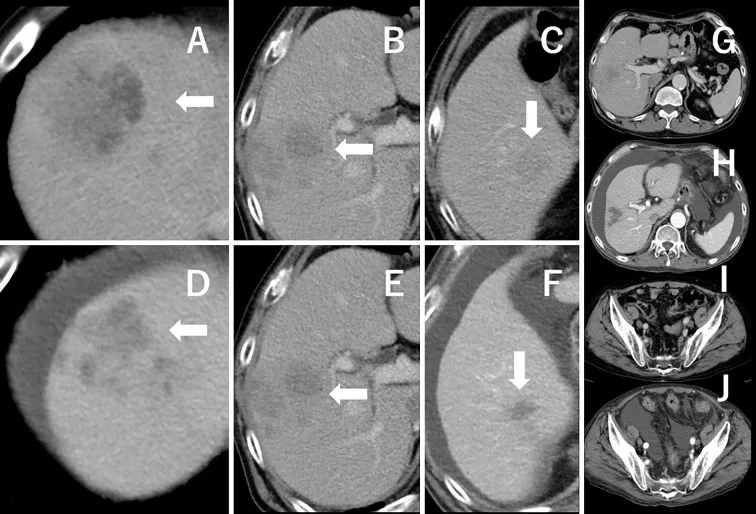
A patient, who was diagnosed with Stage IV Gastric AdenocarcinomaGastric Cancer

Gastric cancer treatment during hemodialysis after liver recurrence

Patient Info: Anonymized, Male, 60s | Stage IV

Biomarkers: HER2-negative

Metastatic Site: liver|peritoneum

The cancer progressed in the peritoneum despite treatment, and systemic therapy was stopped in August 2024 before transfer to hospice in October 2024.

PubMed Central
OutcomeSetback / Progression
A patient, who was diagnosed with Multiple primary cancers AdenocarcinomaMultiple primary cancers

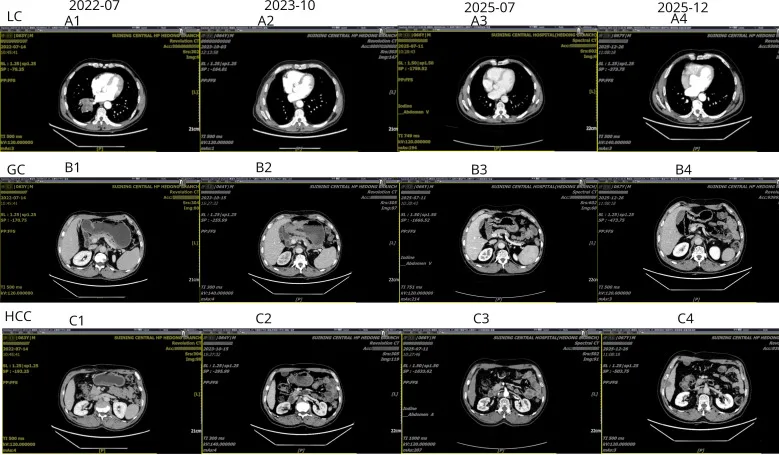
Three separate primary cancers: lung squamous carcinoma, gastric adenocarcinoma, and hepatocellular carcinoma

Patient Info: Anonymized, Male, 60s

Biomarkers: Multiple primaries: lung squamous markers CK5/6 and P40; gastric cancer HER2 negative; liver cancer markers hepatocyte/GPC3/HSP70/CD34.

As of May 2026, all 3 primary cancers were controlled: lung cancer had no recurrence after surgery, gastric cancer remained in sustained remission on sintilimab maintenance, and hepatocellular carcinoma was controlled after ablation; ECOG performance status was 1.

PubMed Central
OutcomeResponding Well
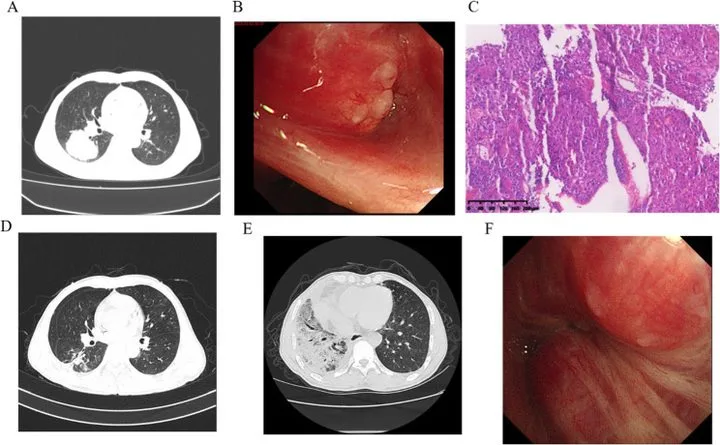
A patient, who was diagnosed with Stage IV Non-Small Cell Lung CancerLung Cancer

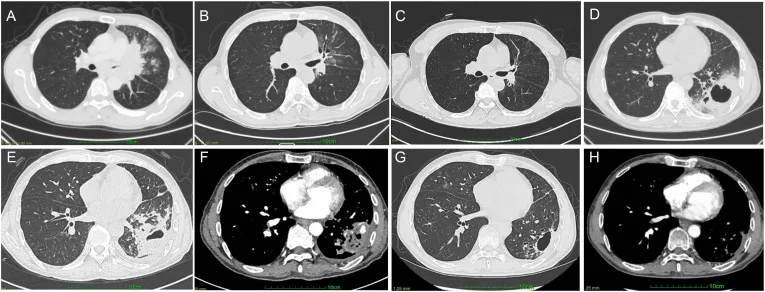
Stage IV squamous NSCLC: durable pembrolizumab response followed by invasive aspergillosis, marrow failure, and death

Patient Info: Anonymized, Male, 50s | Stage IV

Biomarkers: PD-L1 20%

Metastatic Site: bilateral lungs

After durable partial response to pembrolizumab-based therapy, he developed severe pulmonary infection, invasive pulmonary aspergillosis, progressive AA-like bone marrow failure with severe cytopenias, declined further treatment, and died at home in early 2025.

PubMed Central
OutcomeIn Memory
SI
Breast Cancer

Stage II Breast Cancer: Jenna's Patient Story

Patient Info: Jenna, Female, Under 40 | Stage II

Biomarkers: Hormone receptor-positive; HER2-negative; BRCA inherited gene mutations negative

As of April 2026, Jenna had completed pregnancy-associated chemotherapy and double mastectomy for Stage II HR-positive, HER2-negative breast cancer with 1 involved lymph node, did not need radiation, and was on hormone therapy for 10 years.

Susan G. Komen
OutcomeCare Ongoing
Marina, who was diagnosed with Stage II Breast CancerBreast Cancer

Stage II Breast Cancer: Marina's Survivor Story

Patient Info: Marina, Female | Stage II

Stage II breast cancer survivor after chemotherapy, with ongoing survivorship advice focused on hair loss, neuropathy, fertility preservation, nausea, fatigue, chemo brain, and support.

The Patient Story
OutcomeSurvivorship / Completed Treatment
A patient, who was diagnosed with Stage IV Lung Squamous Cell CarcinomaLung Cancer

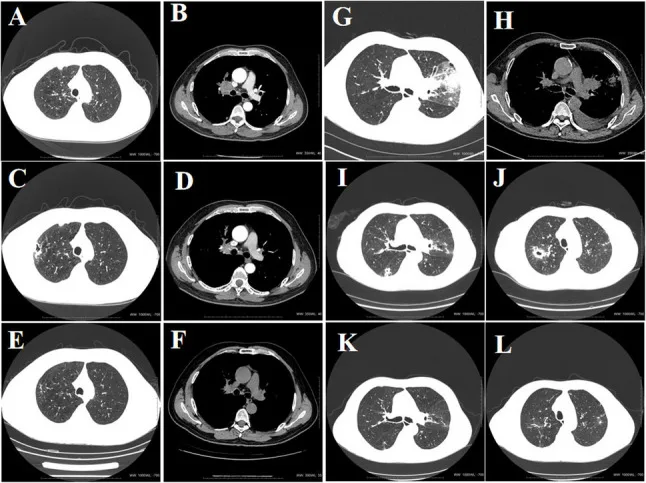
Stage IV lung cancer response followed by immune-related lung inflammation

Patient Info: Anonymized, Male, 70+ | Stage IV

Biomarkers: EGFR-negative; ALK-negative; ROS1-negative

Metastatic Site: pleura

After the lung inflammation improved, he did not resume tumor-directed chemotherapy, immunotherapy, or radiation and remained generally well.

PubMed Central
OutcomeLiving With Cancer
A patient, who was diagnosed with Stage IV Invasive Lobular CarcinomaBreast Cancer

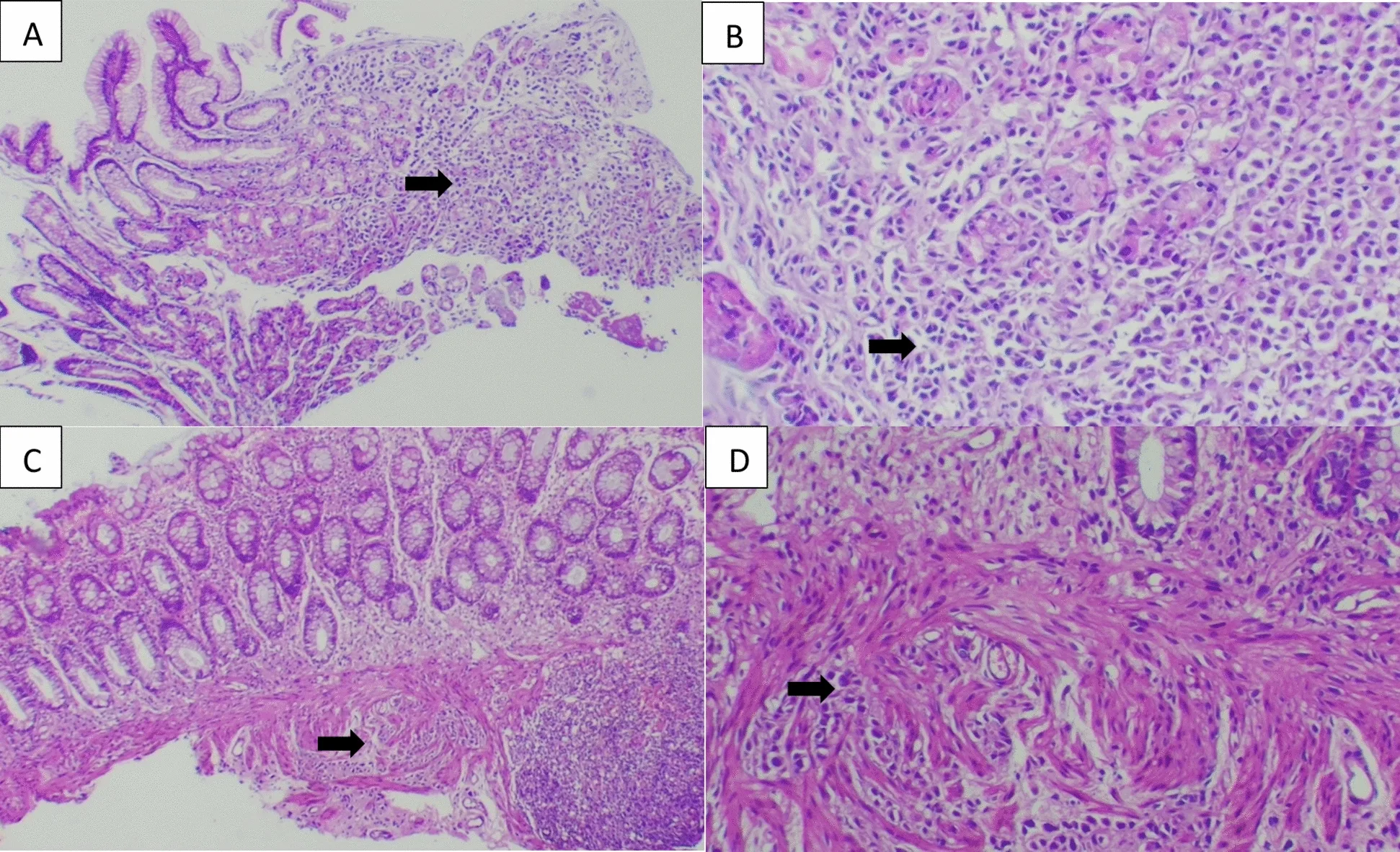
Metastatic invasive lobular breast cancer with stomach, ovarian, peritoneal, rectal, and jejunal spread

Patient Info: Anonymized, Female, 40s | Stage IV

Biomarkers: Primary tumor and gastric metastasis were ER/PR positive and HER2 negative; GATA3 supported breast origin in the metastasis.

Metastatic Site: stomach; ovaries; peritoneum; rectum; jejunum

During 2025, she remained under active oncologic management for metastatic invasive lobular breast cancer with gastrointestinal, ovarian, peritoneal, rectal, and jejunal involvement.

PubMed Central
OutcomeLiving With Cancer