Carboplatin: 338 Real Stories

338 stories match carboplatin. 332 of them mention chemotherapy.

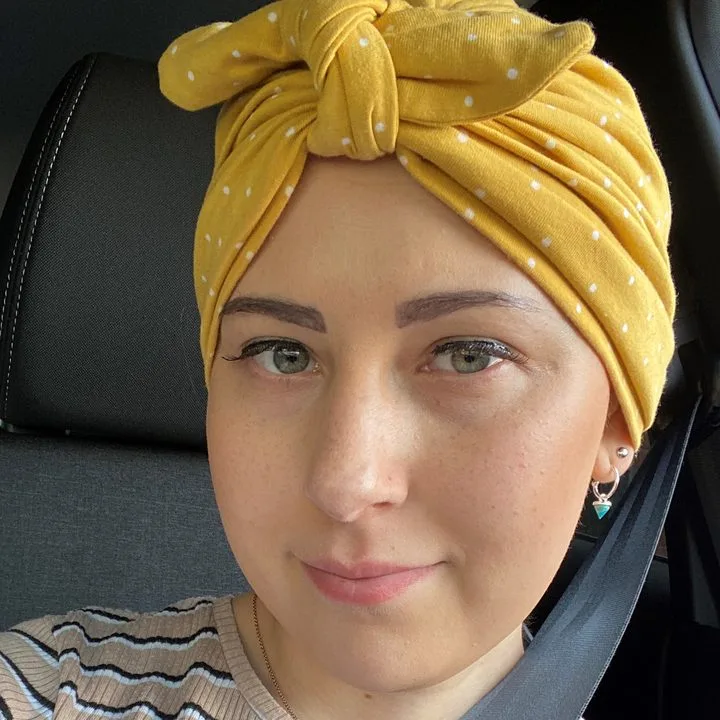
Dana, who was diagnosed with Stage II Ovarian CancerOvarian Cancer

Stage II Ovarian Cancer: Dana's Survivor Story

Patient Info: Dana McKay | Stage II

After surgery and 6 rounds of carboplatin and paclitaxel, she described herself as cancer-free in February 2019.

MD Anderson
OutcomeCancer-Free / NED
Jane, who was diagnosed with Stage I Ovarian CancerOvarian Cancer

Stage I Ovarian Cancer: Jane's Survivor Story

Patient Info: Jane McGrath, female, 40s | Stage I

Jane was in remission after surgery and 6 rounds of chemotherapy and later became an ovarian-cancer volunteer and advocate.

Memorial Sloan Kettering
OutcomeCancer-Free / NED
Nathalie, who was diagnosed with Stage IV Breast CancerBreast Cancer

Stage IV Breast Cancer: Nathalie's Patient Story

Patient Info: Nathalie | Stage IV

Nathalie had been living with stage 4 breast cancer for more than three years and remained focused on time with her children.

Our Cancer Stories
OutcomeLiving With Cancer
AL
Lung Cancer

Aggressive lung cancer with bone metastases and concurrent localized breast cancer

Patient Info: Anonymized, Female | Stage IV

Metastatic Site: Bone: skull, spine, clavicle

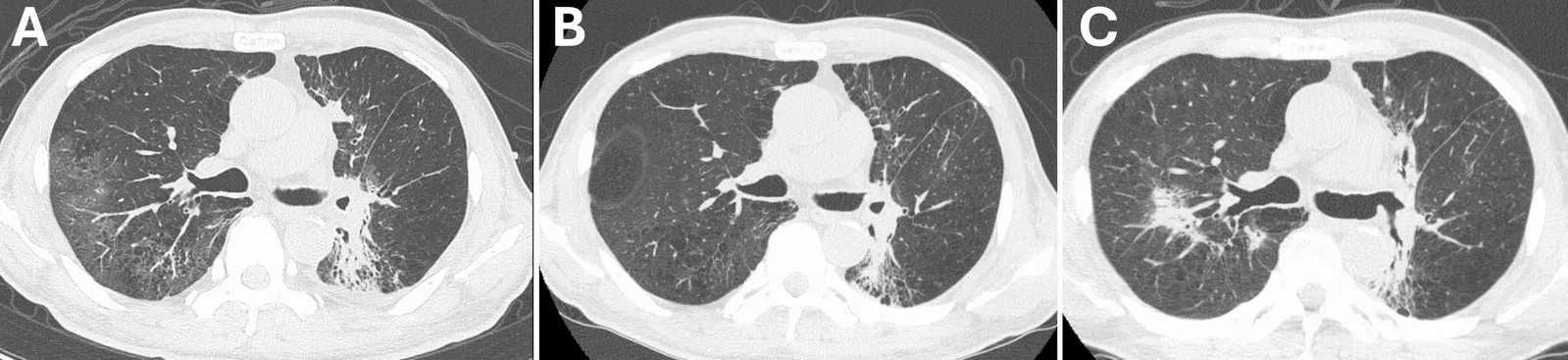
The patient was still receiving carboplatin and Taxol for aggressive lung cancer with bone metastases, while her caregiver reported rapid clinical improvement, pain relief, disappearance of a visible forehead metastasis, and 1 cm reduction in a concurrent localized breast tumor.

Cancer et Métabolisme
OutcomeResponding Well
Stephanie, who was diagnosed with Stage II Invasive Ductal CarcinomaBreast Cancer

Stage II BRCA1 Invasive Ductal Carcinoma: Stephanie's Patient Story

Patient Info: Stephanie Hargis, Female, Under 40 | Stage II

Biomarkers: ER-negative; PR-negative; HER2-negative; BRCA1 mutation

Stephanie had Stage II triple-negative breast cancer with BRCA1 mutation, then a local recurrence in April 2023 without distant spread; after surgery, chemotherapy, Keytruda, radiation, and Lynparza, she remained in ongoing post-recurrence treatment.

BreastCancer.org (ES)
OutcomeCare Ongoing
A patient, who was diagnosed with Stage III Invasive Ductal CarcinomaBreast Cancer

HER2-positive breast cancer complicated by severe anemia during chemotherapy

Patient Info: Anonymized, female, 40s | Stage III

Biomarkers: ER-negative; PR-negative; HER2-positive; germline BRCA1 likely pathogenic mutation

At 4.5-year follow-up, she remained free of breast-cancer recurrence and had no recurrence of the severe treatment-related anemia.

PubMed Central
OutcomeCancer-Free / NED
Elizabeth, who was diagnosed with Stage II Ovarian CancerOvarian Cancer

Stage II Ovarian Cancer: Elizabeth's Survivor Story

Patient Info: Elizabeth Jardinella, Female, Under 40 | Stage II

Cancer-free for about 2 years, with surveillance scans continuing to show no evidence of disease while she takes maintenance letrozole.

MD Anderson
OutcomeCancer-Free / NED
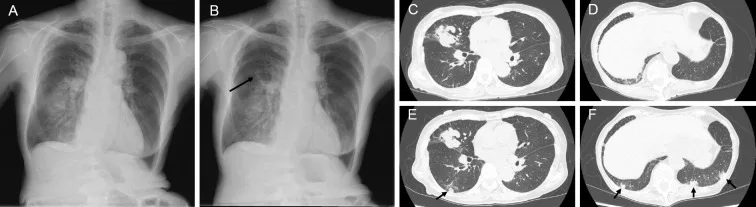
A patient, who was diagnosed with Stage II Lung Squamous Cell CarcinomaLung Cancer

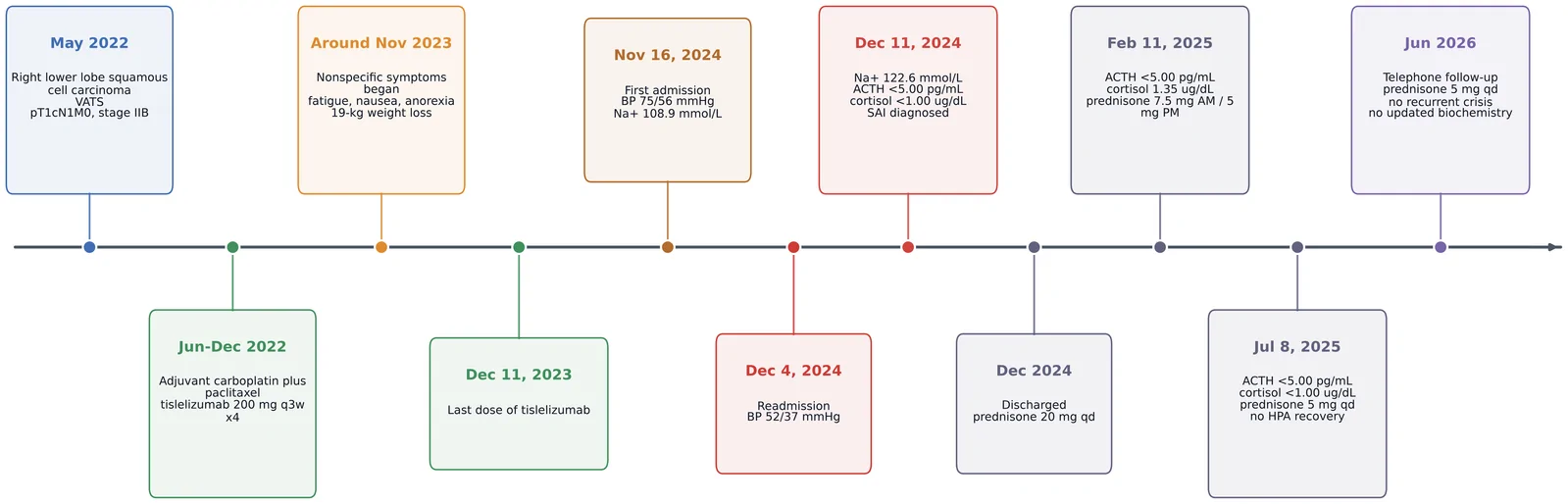
Delayed adrenal insufficiency after lung cancer immunotherapy

Patient Info: Anonymized, male, 60s | Stage II

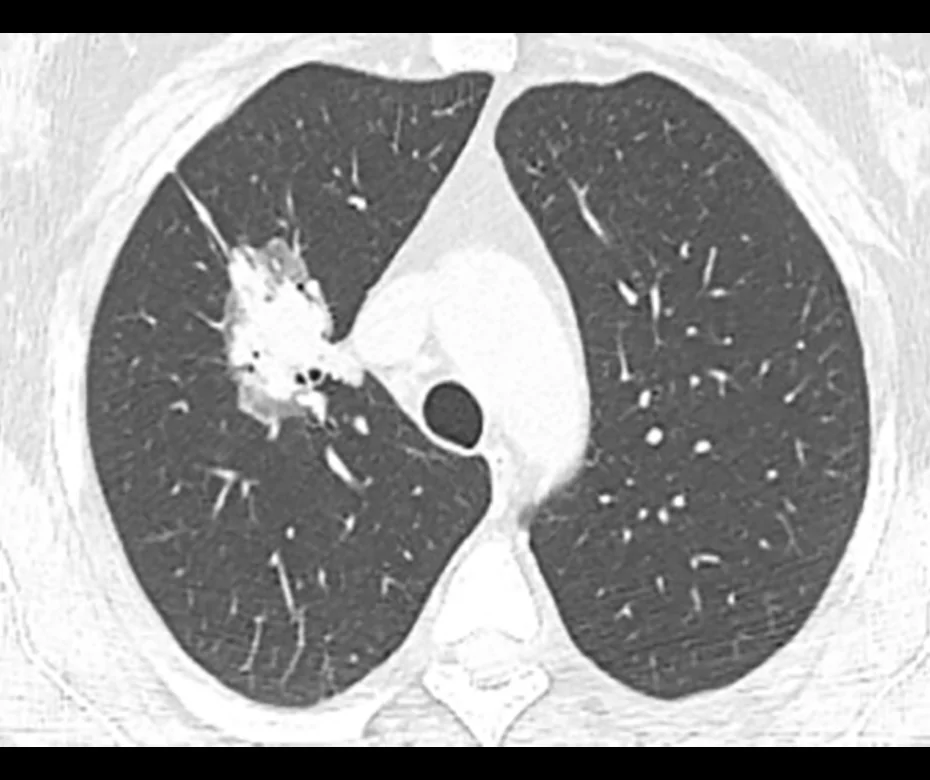
Imaging and bronchoscopy in November 2024 showed no lung-cancer recurrence or metastasis. By June 2026, he had not experienced another adrenal crisis while continuing hormone replacement.

PubMed Central
OutcomeCancer-Free / NED
A patient, who was diagnosed with Stage IV Lung AdenocarcinomaLung Cancer

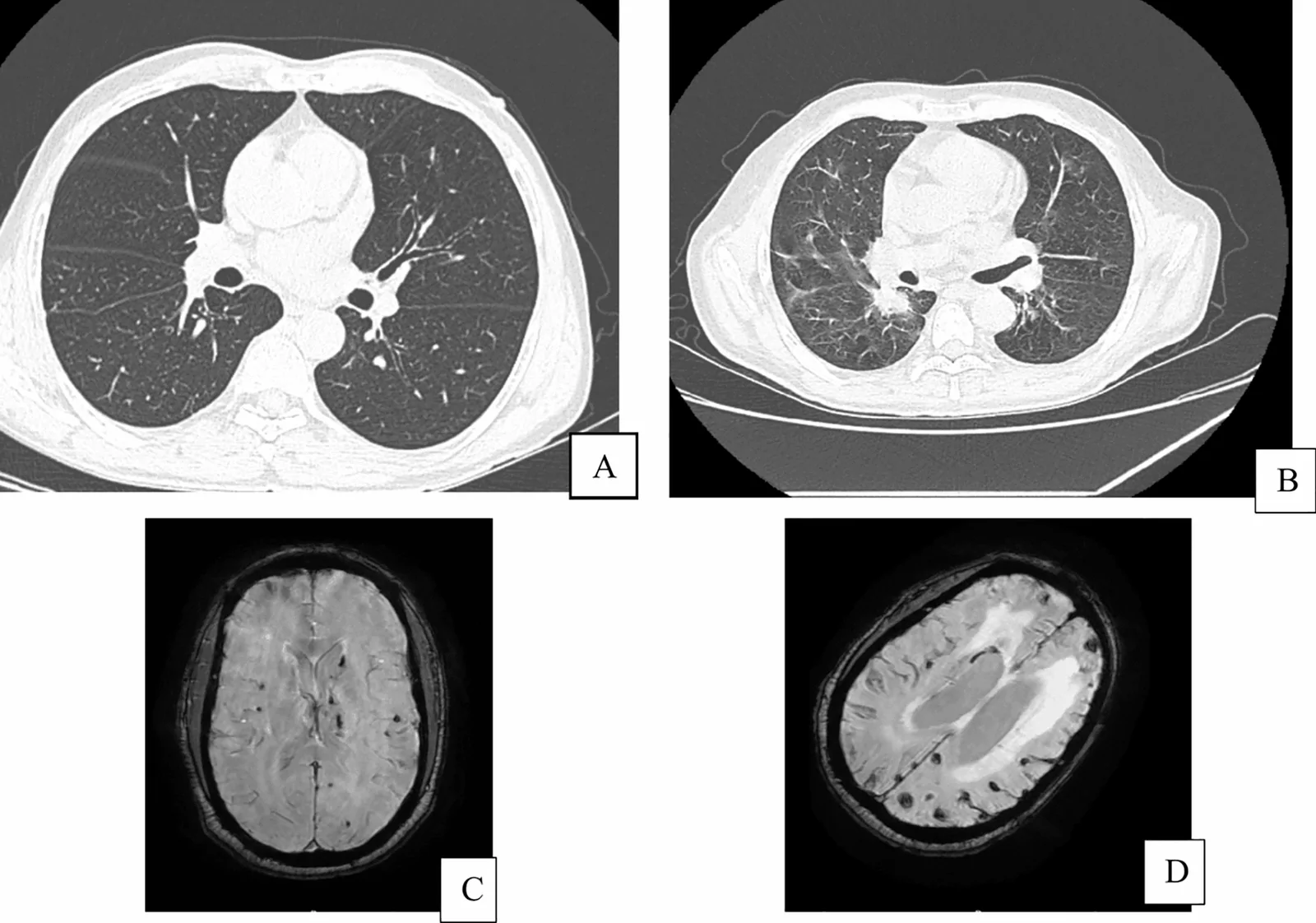
More than 5 years living with metastatic lung adenocarcinoma after stepwise molecular testing

Patient Info: Anonymized, Female, 50s | Stage IV

Biomarkers: HER2 amplification, EGFR L858R mutation, PD-L1 <1%

Metastatic Site: brain, lung

As of April 2026, she remained on gefitinib with no active tumor lesions after complete regression of lung metastases, more than 5 years (66 months) after her original diagnosis.

PubMed Central
OutcomeResponding Well
A patient, who was diagnosed with Stage III Lung Squamous Cell CarcinomaLung Cancer

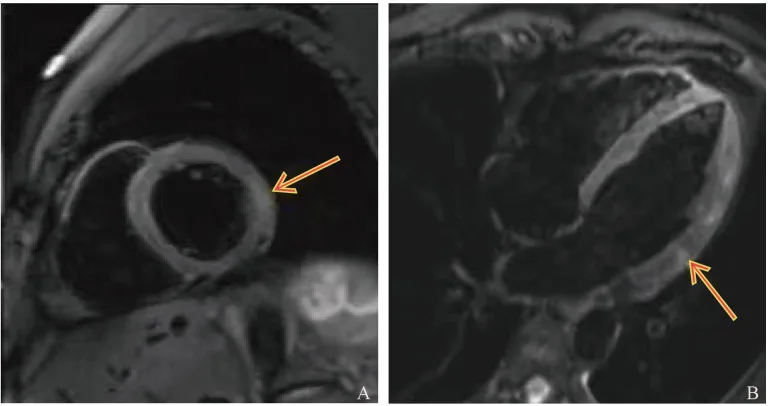
Stage IIIB lung cancer: heart inflammation from durvalumab immunotherapy, mistaken at first for tumor spreading to the heart

Patient Info: Anonymized, Female, 70+ | Stage III

Biomarkers: No actionable driver mutations identified; PD-L1 tumor proportion score <1%

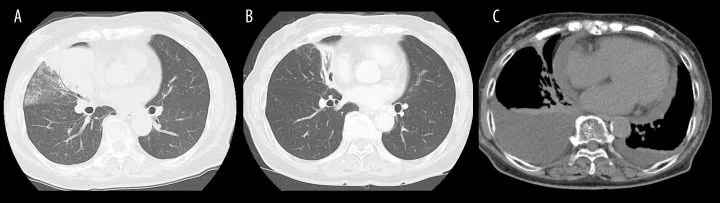
She recovered cardiac function after treatment for durvalumab-associated myocarditis and remained without lung-cancer relapse or cardiac decline for more than 4 years, with no additional anticancer therapy.

PubMed Central
OutcomeCancer-Free / NED
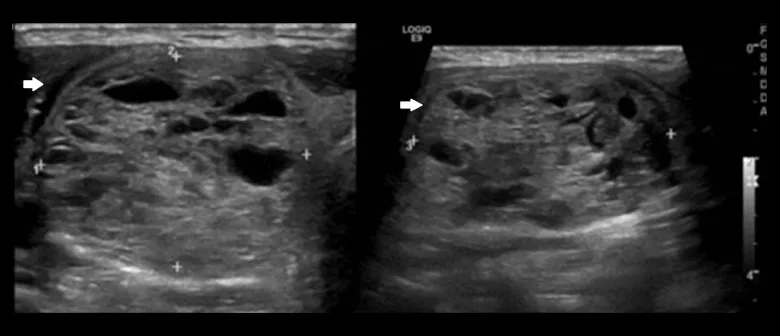
A patient, who was diagnosed with Stage IV Small Cell Lung CancerBreast Cancer

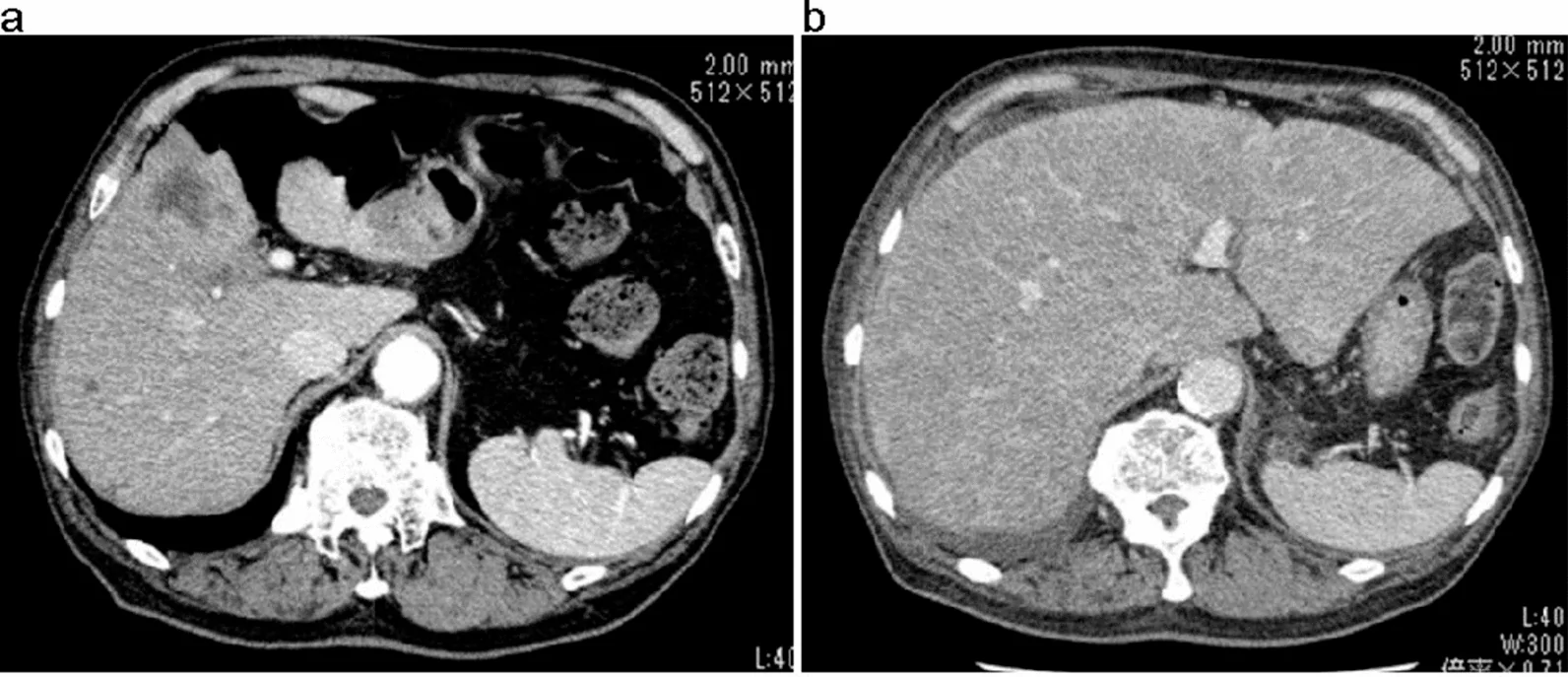
Rare Breast Neuroendocrine Cancer That Recurred in the Liver

Patient Info: Anonymized, Female, 70+ | Stage IV

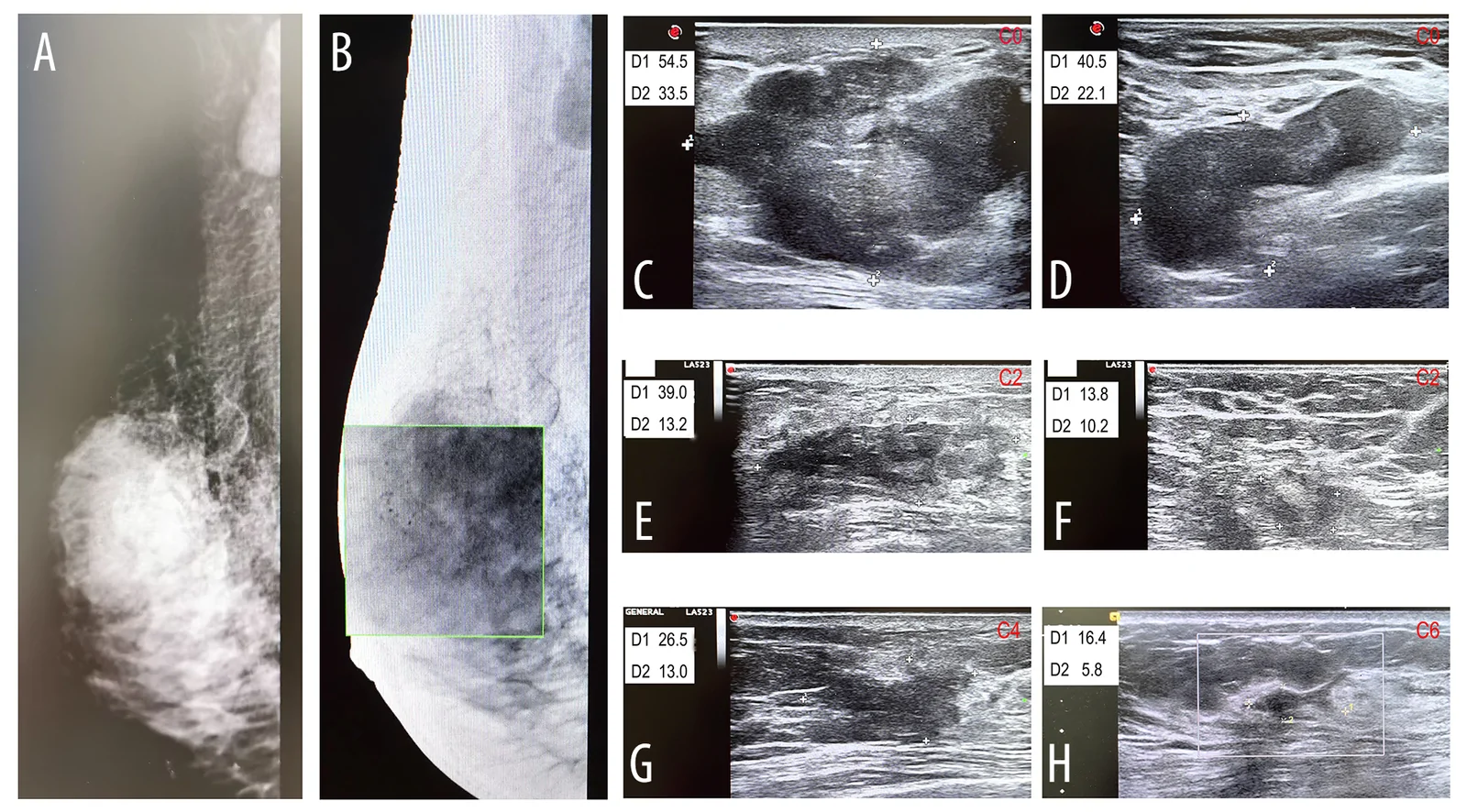
Biomarkers: Chromogranin-positive; synaptophysin-positive; GATA-3-positive; ER-positive; PR negative on repeat biopsy and 40% positive on the mastectomy specimen; HER2-negative; Ki-67 85–95%

Metastatic Site: Liver; abdominal lymph nodes

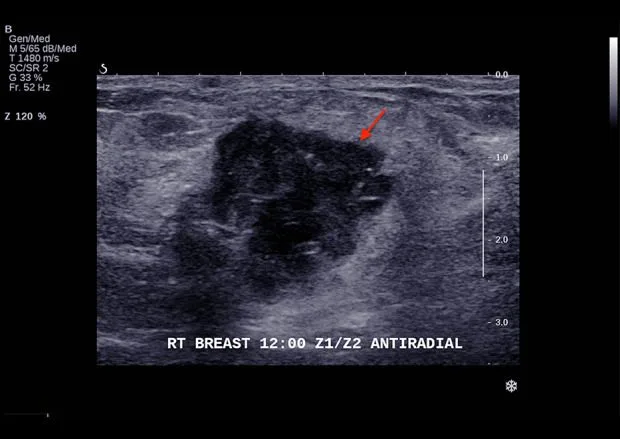
After temporary responses to surgery and repeated chemotherapy, the cancer returned repeatedly in the liver and had spread to abdominal lymph nodes by May 2025. A new chemotherapy regimen was planned.

PubMed Central
OutcomeSetback / Progression
Lucy, who was diagnosed with Stage II Breast CancerBreast Cancer

Stage II Triple-Negative Breast Cancer: Lucy's Survivor Story

Patient Info: Lucy, Female, Under 40 | Stage II

Biomarkers: Germline BRCA1 mutation; triple-negative breast cancer

Surgical pathology was all clear on June 17 after a strong chemotherapy response. Lucy described herself as cancer-free and continued oncology reviews every 3–4 months while planning delayed reconstruction.

The Patient Story
OutcomeCancer-Free / NED, Surveillance
Alison, who was diagnosed with Stage IV Breast CancerBreast Cancer

Stage IV HR-Positive Breast Cancer: Alison's Survivor Story

Patient Info: Alison, Female, Under 40 | Stage IV

Biomarkers: ER-positive; PR-positive; HER2-positive

Metastatic Site: Cervical/neck lymph nodes

Alison reported complete remission since August 2017 while continuing intermittent maintenance chemotherapy, most recently 1 month of treatment followed by 2 months off.

The Patient Story
OutcomeLiving With Cancer / Remission
Shari, who was diagnosed with Stage IV Invasive Ductal CarcinomaBreast Cancer

Stage IV HR-Positive Invasive Ductal Carcinoma: Shari's Patient Story

Patient Info: Shari S., Female | Stage IV

Biomarkers: ER-positive, PR-positive and HER2-positive; no inherited cancer mutation was identified

Metastatic Site: Brain; other initial metastatic sites were not named

Systemic imaging after chemotherapy showed no active disease, but brain metastases later required stereotactic radiation. Shari remained stage 4, continued Herceptin every 3 weeks and underwent brain MRI every 3–4 months.

The Patient Story
OutcomeLiving With Cancer / Ongoing Therapy
A patient, who was diagnosed with Stage IV Lung AdenocarcinomaLung Cancer

Lung adenocarcinoma that spread to the thyroid 9 years later

Patient Info: Anonymized, Female, 60s | Stage IV

Metastatic Site: thyroid

After the thyroid metastasis was removed, she started systemic chemotherapy and remained under oncology management.

PubMed Central
OutcomeCare Ongoing
A patient, who was diagnosed with Stage IV Lung AdenocarcinomaLung Cancer

HER2-mutated lung cancer: restarting targeted therapy after lung inflammation

Patient Info: Anonymized, Female, 70+ | Stage IV

Biomarkers: HER2 exon 20 insertion; PD-L1 negative

Metastatic Site: brain

Trastuzumab deruxtecan was restarted successfully after lung inflammation improved, but it was discontinued after 9 cycles when the cancer progressed.

PubMed Central
OutcomeSetback / Progression
A patient, who was diagnosed with Stage IV Non-Small Cell Lung CancerLung Cancer

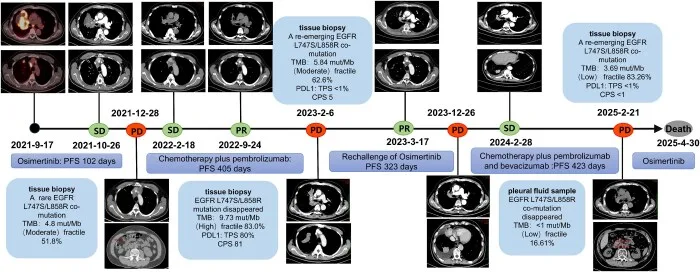
Stage IVA EGFR-mutant lung adenocarcinoma: clonal evolution, chemoimmunotherapy response, osimertinib rechallenge, and death after progression

Patient Info: Anonymized, Male, 60s | Stage IV

Biomarkers: Markers changed over time: started with EGFR L747S/L858R; later MET-amplified, PD-L1 TPS 80%, high TMB clone; later EGFR reappeared.

Metastatic Site: pleura, peritoneal nodule, retroperitoneal lymph nodes

The patient died on 30 April 2025 after progression through multiple lines and infection related to treatment-associated myelosuppression.

PubMed Central
OutcomeIn Memory
A patient, who was diagnosed with Stage IV Non-Small Cell Lung CancerLung Cancer

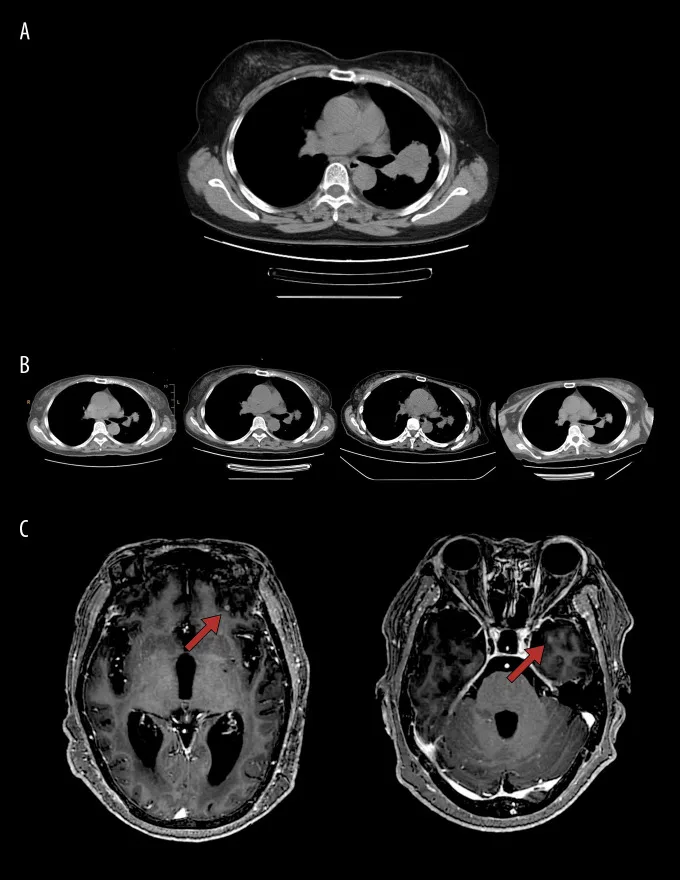
Stage IV EGFR-mutated lung adenocarcinoma: high-dose furmonertinib after CNS progression

Patient Info: Anonymized, Female, 50s | Stage IV

Biomarkers: Initial EGFR L858R mutation. Later blood testing showed EGFR p.S553Y variation; CEA rose and fell with treatment.

Metastatic Site: brain/meninges; bilateral pleura/lungs; mediastinal…

As of June-September 2024, the left lung lesion was stable to slightly smaller on escalated furmonertinib, but brain/CNS lesions had progressed and required dose escalation to 240 mg/day; later imaging was declined.

PubMed Central
OutcomeSetback / Progression