Cisplatin: 158 Real Stories

158 stories match cisplatin. 156 of them mention chemotherapy.

A patient, who was diagnosed with Stage IV Small Cell Lung CancerLung Cancer

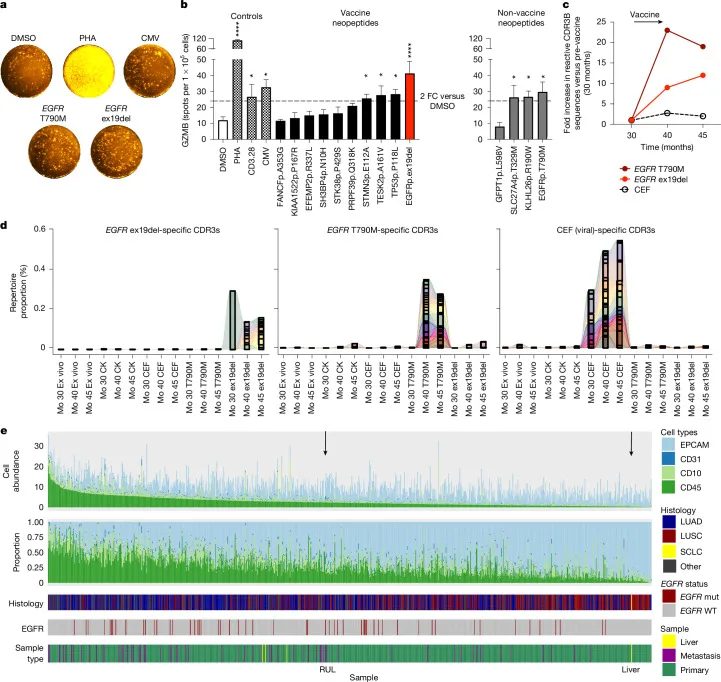
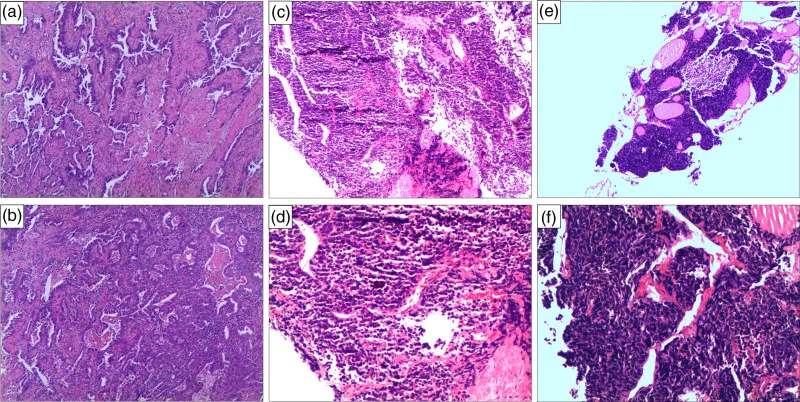
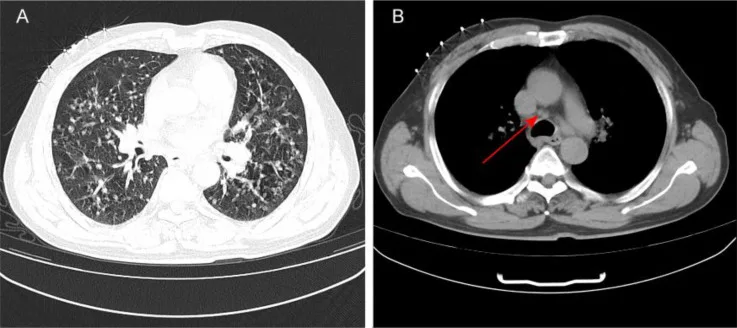
EGFR-Mutant Lung Adenocarcinoma That Transformed to Small Cell Lung Cancer

Patient Info: Anonymized, female, 40s | Stage IV

Biomarkers: EGFR exon 19 deletion; acquired EGFR T790M mutation

Metastatic Site: liver

The cancer progressed after transformation to small cell lung cancer, and she died 49 months after the original diagnosis.

PubMed Central
OutcomeIn Memory
A patient, who was diagnosed with Stage IV Small Cell Lung CancerLung Cancer

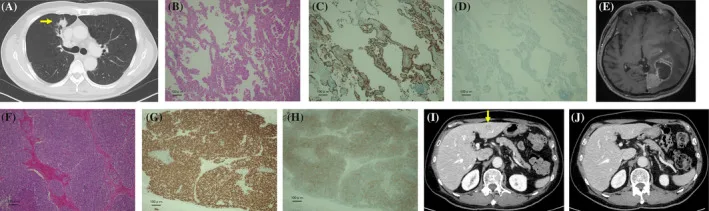
EGFR-Mutant Lung Adenocarcinoma That Transformed to Small Cell Lung Cancer

Patient Info: Anonymized, female, 40s | Stage IV

Biomarkers: EGFR exon 19 deletion

Metastatic Site: brain, adrenal gland, liver, thyroid

The cancer progressed after small-cell transformation with adrenal, thyroid, liver and brain involvement, and she died 52.7 months after the original diagnosis from disease progression and organ failure.

PubMed Central
OutcomeIn Memory
A patient, who was diagnosed with Stage IV Lung AdenocarcinomaLung Cancer

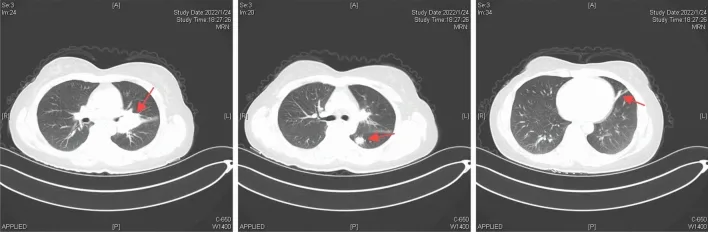
Stage 4 lung adenocarcinoma with RET fusion responding to pralsetinib

Patient Info: Anonymized, Male, 60s | Stage IV

Biomarkers: RET fusion

Metastatic Site: pleura

As of March 2025, he had recovered from grade 3 Pneumocystis jirovecii pneumonia, restarted pralsetinib, and had no progressive disease or recurrence of adverse events over 13 months.

PubMed Central
OutcomeResponding Well
A patient, who was diagnosed with Stage IV Small Cell Lung CancerLung Cancer

ALK-Fusion Small Cell Lung Cancer Responding to ALK-Targeted Therapy

Patient Info: Anonymized, female, 40s | Stage IV

Biomarkers: EML4-ALK fusion

Metastatic Site: brain

After several earlier treatments stopped controlling the cancer, ALK-targeted iruplinalkib produced a partial response and was still controlling disease after more than 8 months.

PubMed Central
OutcomeResponding Well
A patient, who was diagnosed with Stage IV Lung AdenocarcinomaLung Cancer

Metastatic Lung Adenocarcinoma With a Serious Immune-Therapy Pituitary Complication

Patient Info: Anonymized, male, 60s | Stage IV

Biomarkers: No detected EGFR, ALK, ROS1, RET, MET or HER2 alterations

Metastatic Site: brain, meninges, skull, bone, pituitary

The cancer had progressed to extensive brain, skull and bone involvement after several treatments. Steroid treatment improved the severe thirst, high urine output and other symptoms from immune-related hypophysitis.

PubMed Central
OutcomeSetback / Progression
A patient, who was diagnosed with Stage IV Small Cell Lung CancerLung Cancer

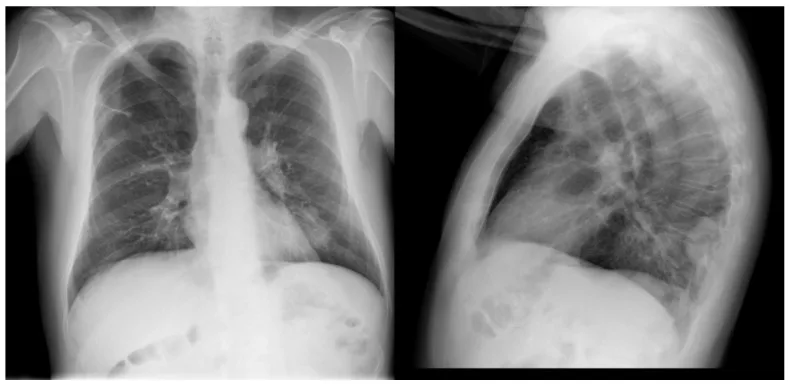
Stage IV small cell lung cancer: no abnormality after chemotherapy, radiotherapy, and TCM follow-up

Patient Info: Anonymized, Male, 60s | Stage IV

Metastatic Site: bilateral lungs; left supraclavicular lymph nodes;…

After chemotherapy, radiotherapy, supportive care, and longitudinal TCM follow-up, imaging showed disappearance of the main lung, nodal, and intrapulmonary lesions, with no abnormality found after 4 years of follow-up.

PubMed Central
OutcomeCancer-Free / NED
A patient, who was diagnosed with Stage IV Small Cell Lung CancerLung Cancer

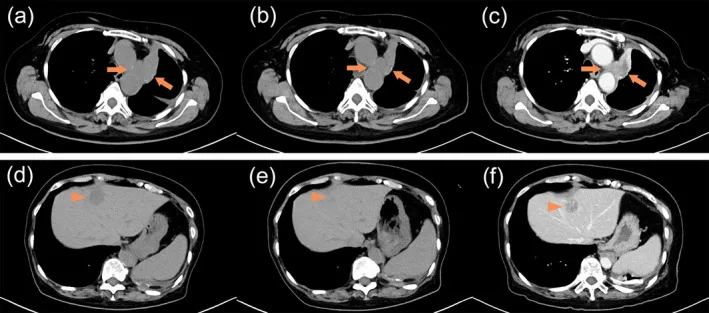
Lung Adenocarcinoma That Transformed to Small Cell Cancer After Recurrence

Patient Info: Anonymized, male, 60s | Stage IV

Biomarkers: PD-L1 1%-24%; no druggable driver alteration identified

Metastatic Site: brain, liver

After treatment for the small-cell-transformed recurrence, the liver metastases showed sustained regression and progression-free survival had reached 13 months by September 2024.

PubMed Central
OutcomeResponding Well
A patient, who was diagnosed with Stage IV Lung AdenocarcinomaLung Cancer

MET Y1003N-Mutant Lung Adenocarcinoma Responding to Tepotinib

Patient Info: Anonymized, female, 60s | Stage IV

Biomarkers: MET mutation

Metastatic Site: bone

Tepotinib produced an 8-month response after many earlier treatments, but the cancer later recurred and she died about 3 years after treatment began.

PubMed Central
OutcomeIn Memory
A patient, who was diagnosed with Stage IV Lung Squamous Cell CarcinomaLung Cancer

Stage 4 lung cancer: complete response to chemoimmunotherapy and surgery

Patient Info: Anonymized, Male, 50s | Stage IV

Biomarkers: EGFR exon 20 duplication with PD-L1 TPS 70%; P40/CK5/6 positive squamous markers; Ki-67 60%.

Metastatic Site: right adrenal gland; possible adjacent…

As of May 7, 2024, CT follow-up showed no evidence of disease after chemoimmunotherapy, conversion surgery with pathologic complete response, and pembrolizumab maintenance.

PubMed Central
OutcomeCancer-Free / NED
A patient, who was diagnosed with Stage IV Non-Small Cell Lung CancerLung Cancer

Stage IV lung cancer: brain metastasis complete response after chemoimmunotherapy

Patient Info: Anonymized, Male, 60s | Stage IV

Biomarkers: KRAS-mutated; BRG-1 partial loss; PD-L1 TPS 5%; CPS 20

Metastatic Site: brain (right cerebellar hemisphere)

The right cerebellar brain metastasis completely resolved and chest CT showed only postsurgical changes after carrelizumab plus paclitaxel/carboplatin; immune-mediated adrenal insufficiency improved with systemic glucocorticoids.

PubMed Central
OutcomeResponding Well
A patient, who was diagnosed with Stage IV Lung AdenocarcinomaLung Cancer

Lung Adenocarcinoma With Immune-Related Abdominal Inflammation and Later Bone Progression

Patient Info: Anonymized, male | Stage IV

Biomarkers: PD-L1 30%; KRAS G13X mutation; EGFR/ALK/ROS1 negative

Metastatic Site: bone

After several periods of response or stability, lymph-node progression recurred and bone progression was documented in July 2024. Another treatment line was being planned.

PubMed Central
OutcomeSetback / Progression
A patient, who was diagnosed with Stage II Lung AdenocarcinomaLung Cancer

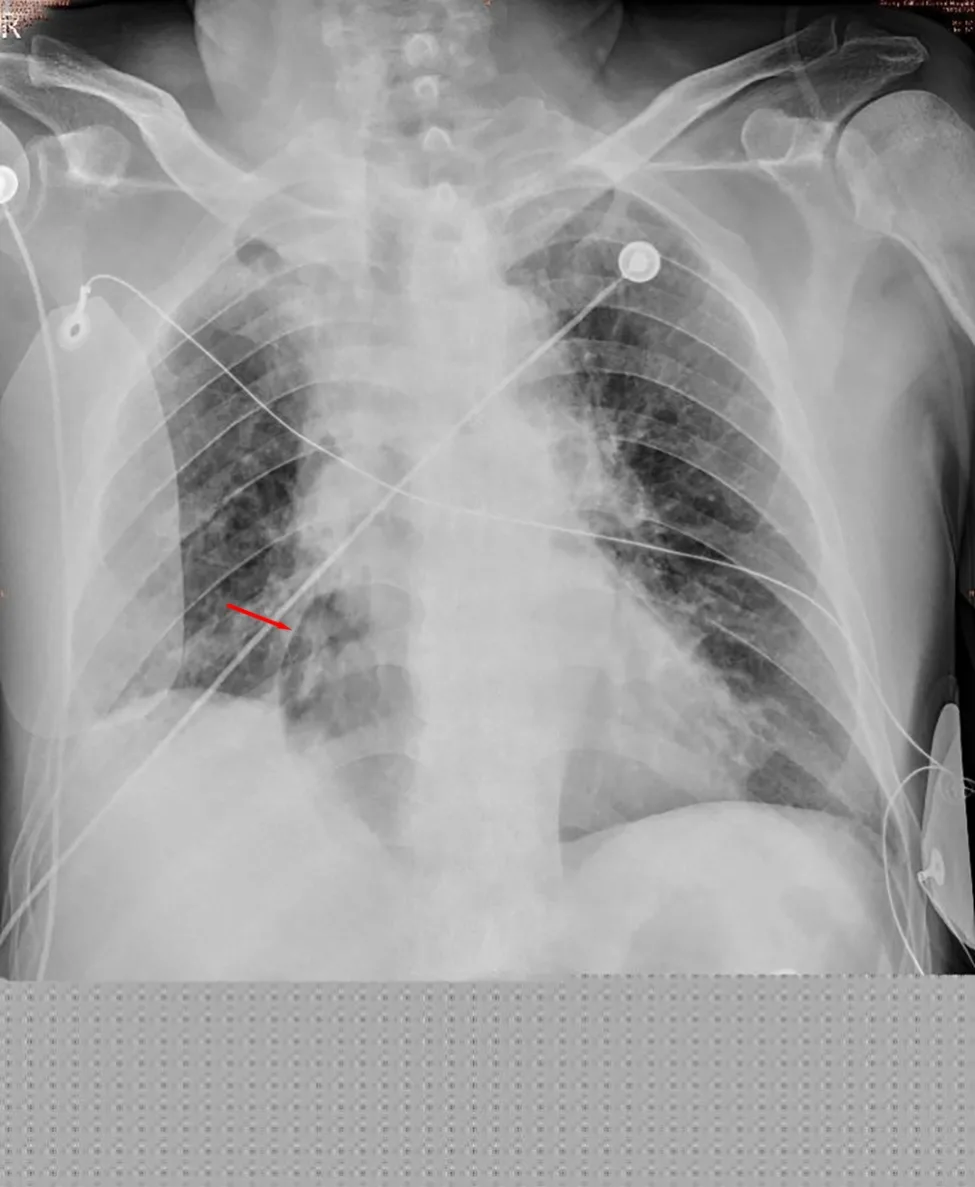
Recurrent Lung Adenocarcinoma Complicated by a Tracheopericardial Fistula

Patient Info: Anonymized, male, 70+ | Stage II

Biomarkers: No gene mutations identified on postoperative testing

He died during the June 2024 admission, about 7½ years after his November 2016 lung-cancer diagnosis, after massive hemoptysis occurred in the setting of a tracheopericardial fistula and recurrent cancer.

PubMed Central
OutcomeIn Memory
A patient, who was diagnosed with Lung Squamous Cell CarcinomaLung Cancer

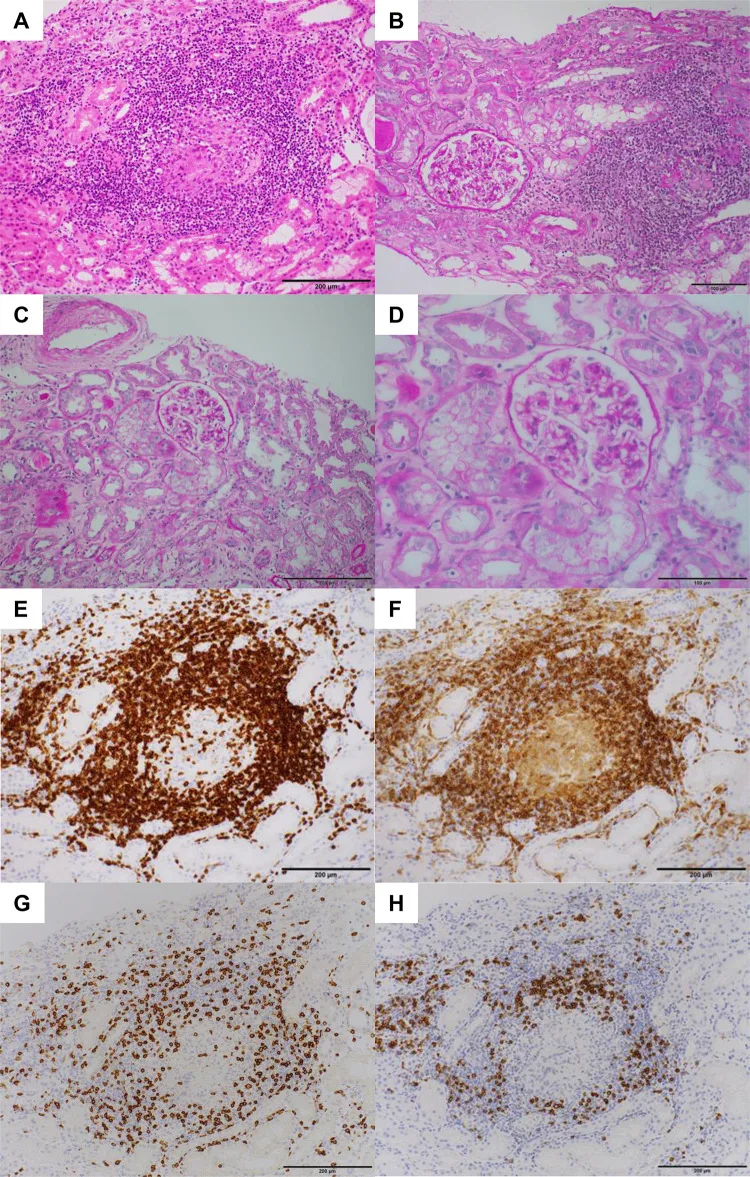
Two Severe Kidney Injuries After Lung Cancer Immunotherapy

Patient Info: Anonymized, Male, 70+

The lung cancer remained stable without further anticancer treatment, while the patient remained dependent on hemodialysis after the second kidney injury and continued tapering prednisolone.

PubMed Central
OutcomeStable Disease / Care Ongoing
A patient, who was diagnosed with Stage IV Lung CancerLung Cancer

Stage 4 lung LCNEC: major response to chemotherapy plus immunotherapy

Patient Info: Anonymized, Male, 40s | Stage IV

Biomarkers: Large-cell neuroendocrine lung cancer markers were positive. PD-L1 was negative

Metastatic Site: left adrenal gland

By July 2024, PET-CT showed complete metabolic response of the adrenal metastasis, no visible adrenal disease, no pulmonary recurrence, and no distant metastasis after immunochemotherapy, lobectomy, adjuvant therapy, and serplulimab maintenance.

PubMed Central
OutcomeCancer-Free / NED
A patient, who was diagnosed with Stage IV Lung AdenocarcinomaLung Cancer

ALK-positive lung cancer spreading to both breasts after years of targeted therapy

Patient Info: Anonymized, Male, 50s | Stage IV

Biomarkers: ALK-positive, ALK mutation

Metastatic Site: bilateral breasts

At age 51, about 10 years after his Stage IV diagnosis, he remained alive with stable disease 8 months after removal of bilateral breast metastases while continuing maintenance therapy.

PubMed Central
OutcomeStable Disease
A patient, who was diagnosed with Stage IV Small Cell Lung CancerLung Cancer

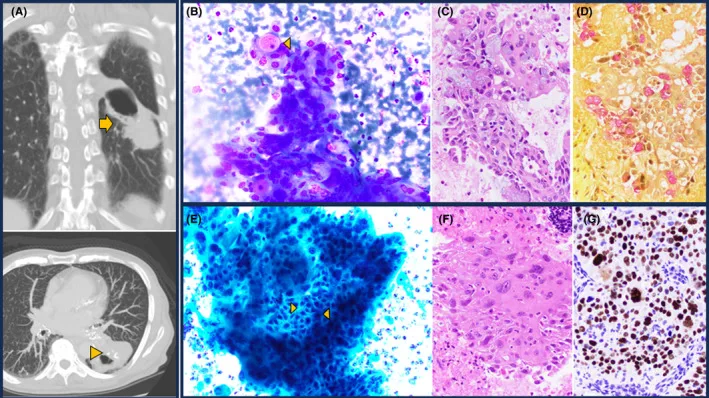
EGFR-mutant lung adenocarcinoma transforming to small cell lung cancer during targeted therapy

Patient Info: Anonymized, Female, 60s | Stage IV

Biomarkers: EGFR exon 19 deletion, TP53 mutation, TMB 11 mut/Mb

Metastatic Site: cervical lymph nodes

At the last follow-up in February 2024, 32 months after diagnosis, she was alive and both the primary lung lesion and cervical lymph-node metastasis had decreased on combined chemotherapy, immunotherapy and targeted therapy.

PubMed Central
OutcomeResponding Well
A patient, who was diagnosed with Stage IV Lung Squamous Cell CarcinomaLung Cancer

Lung squamous cell carcinoma spreading to bone and intestine

Patient Info: Anonymized, Male, 50s | Stage IV

Biomarkers: PD-L1 positive in almost all tumor cells

Metastatic Site: bone (left femur), intestine, abdomen

Despite chemotherapy, immunotherapy and radiation, the lung cancer progressed with intestinal and extensive abdominal metastases, cachexia and gastrointestinal bleeding. Palliative care was planned, but he chose discharge and received no further treatment.

PubMed Central
OutcomeSetback / Progression
A patient, who was diagnosed with Stage III Non-Small Cell Lung CancerLung Cancer

Stage 3 lung cancer: complete response to chemo and immunotherapy

Patient Info: Anonymized, Male, 70+ | Stage III

Biomarkers: Tumor markers were normal during mesorectal nodule workup; lung molecular biomarkers were not reported.

No radiologic NSCLC recurrence was detected during 16 months of follow-up after complete response to cisplatin/docetaxel chemoradiation plus 1 year of durvalumab; the suspicious mesorectal nodule proved to be a benign organized thrombus.

PubMed Central
OutcomeCancer-Free / NED