Cisplatin for Lung Cancer: 91 Real Stories

91 stories match lung cancer and cisplatin. 89 of them mention chemotherapy.

A patient, who was diagnosed with Stage IV Small Cell Lung CancerLung Cancer

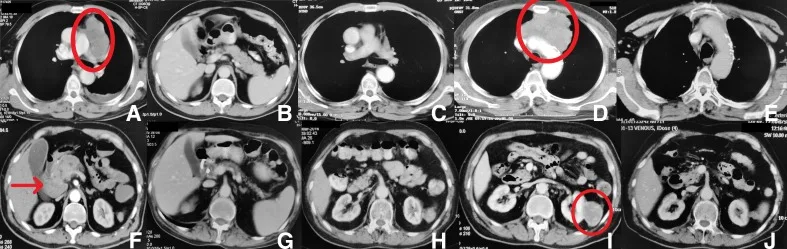
More than 10 years living with relapsing extensive-stage small cell lung cancer

Patient Info: Anonymized, Male, 60s | Stage IV

Biomarkers: Chromogranin-positive.

Metastatic Site: pleura; pancreas; left kidney and perinephric region

After five treatment lines and several metastatic relapses over more than 10 years, his latest irinotecan and carboplatin course produced another partial response and he was doing well at the last follow-up.

PubMed Central
OutcomeResponding Well
A patient, who was diagnosed with Stage IV Small Cell Lung CancerLung Cancer

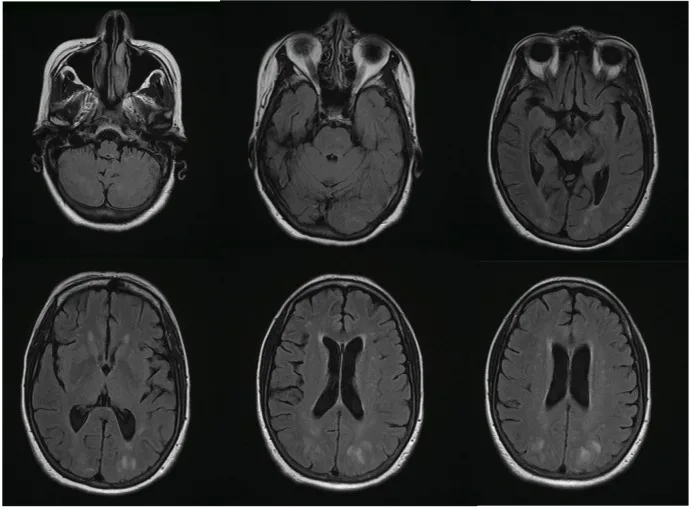
Late-onset mania revealed advanced small cell lung cancer

Patient Info: Anonymized, Male, 50s | Stage IV

Biomarkers: ACTH-producing tumor with ACTH 776 pg/mL and morning cortisol 206.8 micrograms/dL.

Metastatic Site: right lung; liver

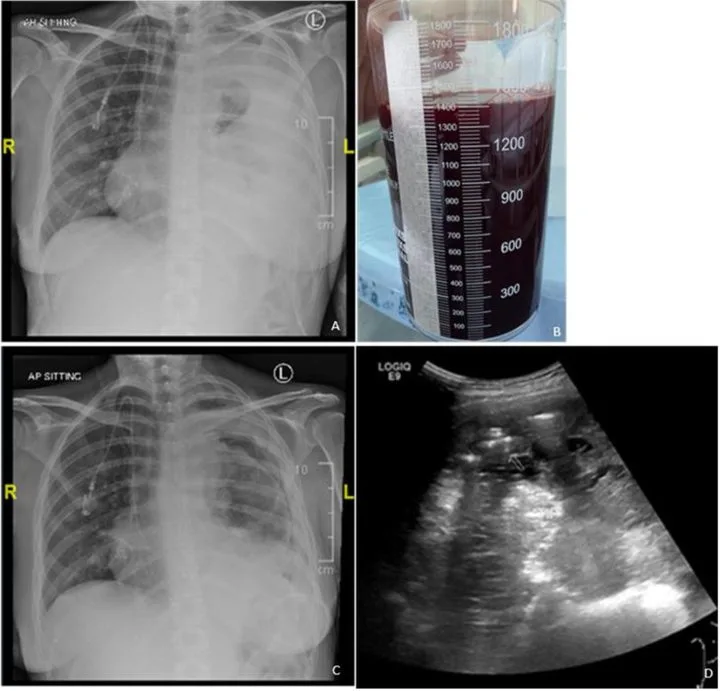
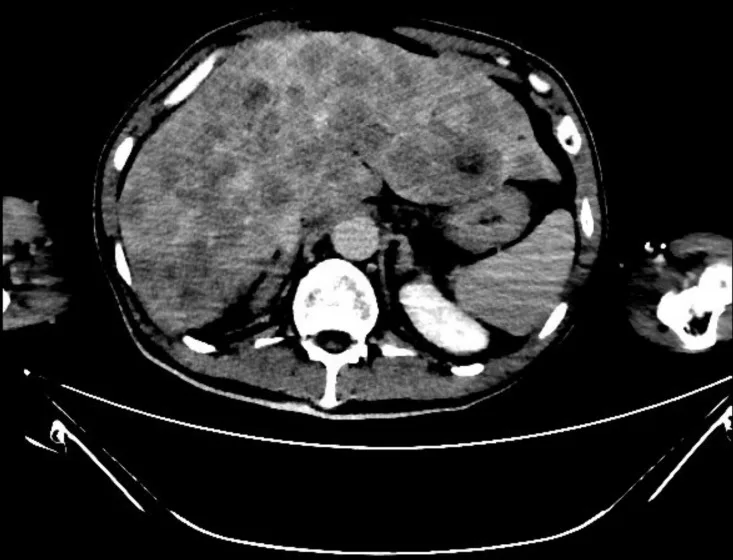
He died a few months after diagnosis from aspiration pneumonia and multiorgan failure in the setting of rapidly deteriorating stage IV small cell lung cancer.

PubMed Central
OutcomeIn Memory
A patient, who was diagnosed with Stage IV Lung AdenocarcinomaLung Cancer

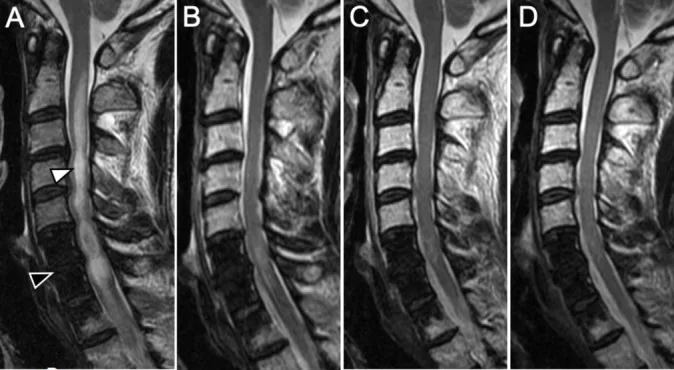
Osimertinib Improved Spinal Cord Metastases in Long-Standing Lung Cancer

Patient Info: Anonymized, Male, 50s | Stage IV

Biomarkers: Initial surgical specimen: no detected EGFR mutation and ALK-negative. Later pleural-fluid tumor: acquired EGFR T790M mutation with no other detected EGFR mutation.

Metastatic Site: cervical and mediastinal lymph nodes; bone; brain;…

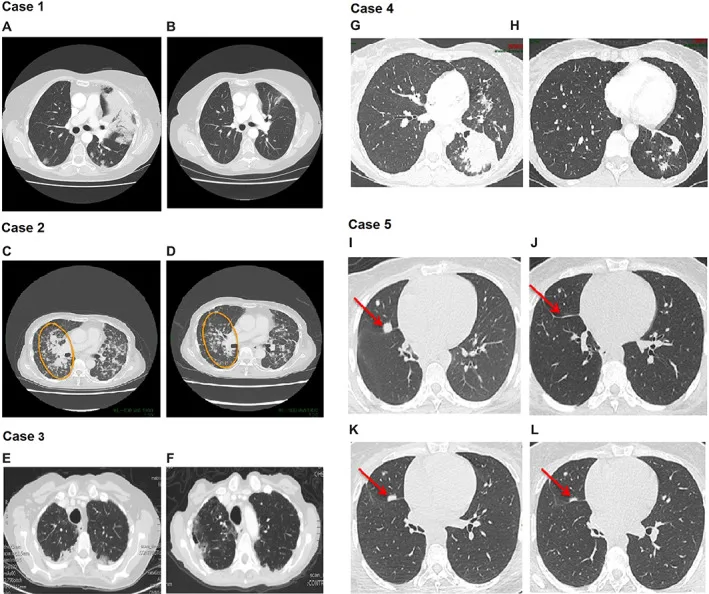
Osimertinib improved neurologic function and kept the lung cancer stable for 14 months; he later died from bacterial pneumonia.

PubMed Central
OutcomeIn Memory
A patient, who was diagnosed with Stage III Lung AdenocarcinomaLung Cancer

Stage IIIB lung adenocarcinoma with separate papillary renal cell carcinoma: doing well more than 6 years after revised diagnosis

Patient Info: Anonymized, Female, 40s | Stage III

Biomarkers: Lung tumor: TTF-1-positive; PET-avid. Kidney lesion: PET-negative; later papillary renal cell carcinoma. No lung molecular biomarkers reported.

As of February 2014, she was doing well more than 6 years after the initial diagnosis, after the diagnosis was revised from presumed Stage IV lung cancer to Stage IIIB lung adenocarcinoma plus a separate papillary renal cell carcinoma.

PubMed Central
OutcomeSurvivorship / Completed Treatment
A patient, who was diagnosed with Stage IV Lung Squamous Cell CarcinomaLung Cancer

Stage IIIA squamous lung cancer with later kidney and paraaortic lymph node metastases

Patient Info: Anonymized, Female, 50s | Stage IV

Biomarkers: Squamous lung cancer markers supported the diagnosis; TTF-1, CK7 and CK20 were not seen; Ki-67 >10%.

Metastatic Site: left renal parenchyma, paraaortic lymph nodes

After surgery, 4 cycles of cisplatin plus vinblastine, and mediastinal radiotherapy, she had a 10-month disease-free interval before biopsy-confirmed metastatic squamous lung carcinoma appeared in the left kidney with paraaortic lymph node enlargement.

PubMed Central
OutcomeSetback / Progression
A patient, who was diagnosed with Stage IV Lung AdenocarcinomaLung Cancer

Stage IV lung adenocarcinoma with brain metastasis: partial remission after pemetrexed/cisplatin and AOSD-like paraneoplastic syndrome

Patient Info: Anonymized, Male, 50s | Stage IV

Biomarkers: No tumor molecular biomarkers reported. AOSD-like syndrome had high ferritin, inflammation markers, and RF/ANA negative.

Metastatic Site: brain

As of November 2011, pemetrexed/cisplatin produced partial remission of Stage IV lung adenocarcinoma and controlled the AOSD-like paraneoplastic syndrome without recurrent fever, rash, or arthralgia.

PubMed Central
OutcomeResponding Well
A patient, who was diagnosed with Stage IV Non-Small Cell Lung CancerLung Cancer

Stage IV lung adenocarcinoma: partial responses to cisplatin-docetaxel and erlotinib, complicated by fistula

Patient Info: Anonymized, Female, 60s | Stage IV

Biomarkers: Tumor genomic biomarkers not reported. EGFR testing result not reported; erlotinib was used as second-line therapy.

Metastatic Site: contralateral lung, pleura

Metastatic lung adenocarcinoma had partial response to chemotherapy and persistent partial response on erlotinib; after erlotinib was stopped for enterocutaneous fistula, she was alive and well without evidence of lung-cancer progression.

PubMed Central
OutcomeResponding Well
A patient, who was diagnosed with Stage IV Non-Small Cell Lung CancerLung Cancer

Large cell lung carcinoma with solitary jejunal metastasis: no evidence of disease 4 years after treatment

Patient Info: Anonymized, Female, 60s | Stage IV

Biomarkers: Primary lung tumor and jejunal metastasis shared a KRAS codon 61 mutation; staining supported lung origin.

Metastatic Site: jejunum

As of January 2010, she was doing well with no evidence of disease 4 years after diagnosis and treatment of a solitary jejunal metastasis from large cell lung carcinoma.

PubMed Central
OutcomeCancer-Free / NED