Cisplatin for Lung Cancer: 91 Real Stories

91 stories match lung cancer and cisplatin. 89 of them mention chemotherapy.

A patient, who was diagnosed with Stage IV Non-Small Cell Lung CancerLung Cancer

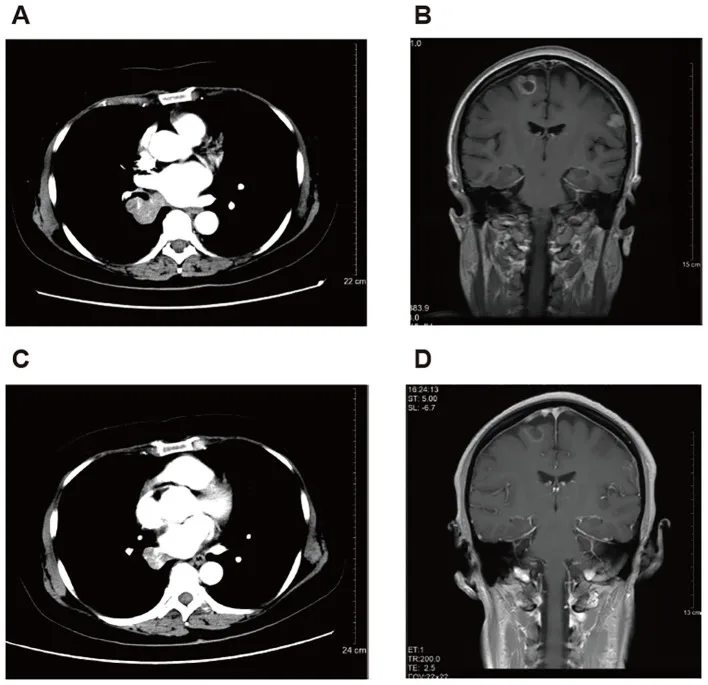
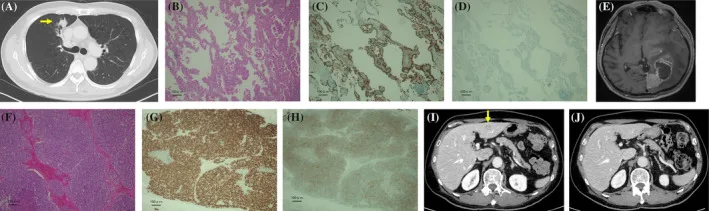
Metastatic lung adenocarcinoma with brain and iliac bone response to chemoimmunotherapy

Patient Info: Anonymized, Male, 60s | Stage IV

Biomarkers: PD-L1-negative; no EGFR, ALK, ROS1, RET, KRAS, BRAF, MET, HER2, or NTRK alteration detected; TP53 mutation found.

Metastatic Site: left iliac bone, brain

Brain metastases achieved complete remission without cranial irradiation, and lung, bone, and brain lesions remained stable at last follow-up, with PFS of 35 months and OS exceeding 40 months.

PubMed Central
OutcomeResponding Well
A patient, who was diagnosed with Stage IV Lung AdenocarcinomaLung Cancer

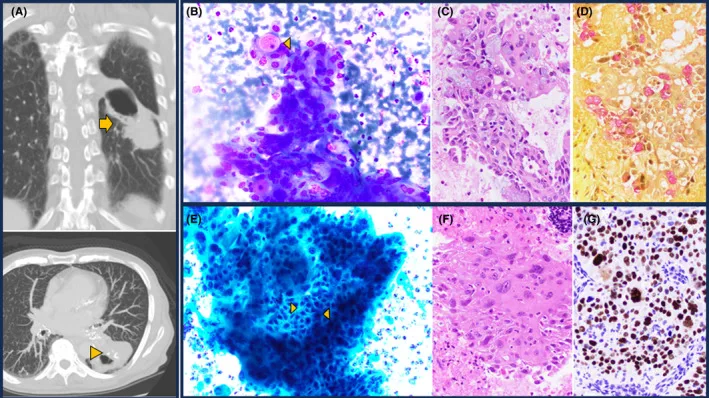
Stage IV lung adenocarcinoma with Aspergillus-associated empyema: disease control after chemotherapy and antifungal therapy

Patient Info: Anonymized, Male | Stage IV

Biomarkers: Pathogenic NF1 mutation; CEA elevated in pleural fluid; Aspergillus fumigatus cultured from bronchoalveolar lavage fluid

Metastatic Site: pleural disease/effusion (M1a)

After 6 cycles of pemetrexed/cisplatin and 6 months of antifungal therapy for Aspergillus-associated empyema, 12-month follow-up showed disease stability without recurrence.

PubMed Central
OutcomeResponding Well
A patient, who was diagnosed with Stage IV Non-Small Cell Lung CancerLung Cancer

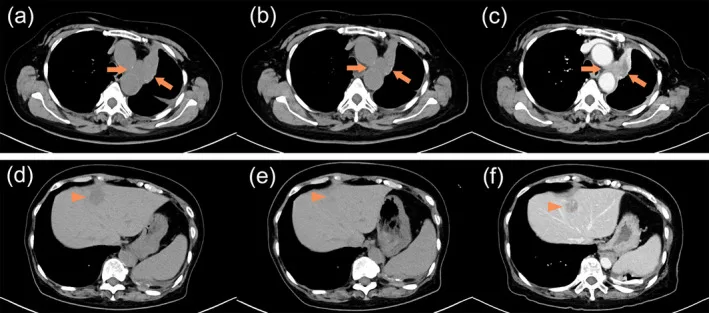
Metastatic lung adenocarcinoma with HER2 V659E/amplification responding to trastuzumab deruxtecan

Patient Info: Anonymized, Female, 50s | Stage IV

Biomarkers: Initial lung testing showed no EGFR/ALK/ROS1 and PD-L1 TPS 3%. Later biopsy found HER2 V659E plus HER2 amplification.

Metastatic Site: liver, bone, brain

As of September 2024, metastatic lung adenocarcinoma had a sustained partial response to trastuzumab deruxtecan after HER2 V659E mutation and HER2 amplification were identified.

PubMed Central
OutcomeResponding Well
A patient, who was diagnosed with Stage III Non-Small Cell Lung CancerLung Cancer

Stage IIIA EGFR lung adenocarcinoma: no recurrence after early osimertinib stop

Patient Info: Anonymized, Female, 70+ | Stage III

Biomarkers: EGFR exon 19 deletion mutation; elevated KL-6 and SP-D during interstitial lung disease episode

During 9 months of follow-up after osimertinib was stopped, she had no recurrence of interstitial lung disease, pulmonary embolism, or non-small cell lung cancer.

PubMed Central
OutcomeCancer-Free / NED
A patient, who was diagnosed with Stage IV Small Cell Lung CancerLung Cancer

Extensive-stage small cell lung cancer with brain and adrenal progression after prolonged disease control

Patient Info: Anonymized, Male, 50s | Stage IV

Biomarkers: Small-cell lung cancer markers included CD56, CgA and TTF-1; Ki-67 was 80%.

Metastatic Site: brain, right adrenal gland, left adrenal gland

After 31 months of stability on second-line anlotinib with palliative chemoradiotherapy, disease progressed in July 2024 with new brain lesions and adrenal progression; the patient declined additional systemic options and continued anlotinib.

PubMed Central
OutcomeSetback / Progression
A patient, who was diagnosed with Stage IV Lung AdenocarcinomaLung Cancer

Metastatic lung adenocarcinoma: complete remission on nivolumab complicated by immune-mediated diabetes

Patient Info: Anonymized, Male, 50s | Stage IV

Biomarkers: Lung tumor: EGFR wild type, ALK rearrangement not detected. Immune-mediated diabetes: islet/GAD antibodies negative and C-peptide undetectable.

Metastatic Site: brain (cerebellum and occipital lobe); liver

As of March 2025, serial CT and MRI scans through October 2023 showed no evidence of oncologic disease after nivolumab, while immune-mediated diabetes was controlled with basal-bolus insulin.

PubMed Central
OutcomeCancer-Free / NED
A patient, who was diagnosed with Stage IV Small Cell Lung CancerLung Cancer

EGFR-Mutant Lung Adenocarcinoma That Transformed to Small Cell Lung Cancer

Patient Info: Anonymized, female, 40s | Stage IV

Biomarkers: EGFR exon 19 deletion

Metastatic Site: brain, adrenal gland, liver, thyroid

The cancer progressed after small-cell transformation with adrenal, thyroid, liver and brain involvement, and she died 52.7 months after the original diagnosis from disease progression and organ failure.

PubMed Central
OutcomeIn Memory
A patient, who was diagnosed with Stage IV Small Cell Lung CancerLung Cancer

EGFR-Mutant Lung Adenocarcinoma That Transformed to Small Cell Lung Cancer

Patient Info: Anonymized, female, 40s | Stage IV

Biomarkers: EGFR exon 19 deletion; acquired EGFR T790M mutation

Metastatic Site: liver

The cancer progressed after transformation to small cell lung cancer, and she died 49 months after the original diagnosis.

PubMed Central
OutcomeIn Memory
A patient, who was diagnosed with Stage IV Lung AdenocarcinomaLung Cancer

Stage 4 lung adenocarcinoma with RET fusion responding to pralsetinib

Patient Info: Anonymized, Male, 60s | Stage IV

Biomarkers: RET fusion

Metastatic Site: pleura

As of March 2025, he had recovered from grade 3 Pneumocystis jirovecii pneumonia, restarted pralsetinib, and had no progressive disease or recurrence of adverse events over 13 months.

PubMed Central
OutcomeResponding Well
A patient, who was diagnosed with Stage IV Small Cell Lung CancerLung Cancer

ALK-Fusion Small Cell Lung Cancer Responding to ALK-Targeted Therapy

Patient Info: Anonymized, female, 40s | Stage IV

Biomarkers: EML4-ALK fusion

Metastatic Site: brain

After several earlier treatments stopped controlling the cancer, ALK-targeted iruplinalkib produced a partial response and was still controlling disease after more than 8 months.

PubMed Central
OutcomeResponding Well
A patient, who was diagnosed with Stage IV Lung AdenocarcinomaLung Cancer

Metastatic Lung Adenocarcinoma With a Serious Immune-Therapy Pituitary Complication

Patient Info: Anonymized, male, 60s | Stage IV

Biomarkers: No detected EGFR, ALK, ROS1, RET, MET or HER2 alterations

Metastatic Site: brain, meninges, skull, bone, pituitary

The cancer had progressed to extensive brain, skull and bone involvement after several treatments. Steroid treatment improved the severe thirst, high urine output and other symptoms from immune-related hypophysitis.

PubMed Central
OutcomeSetback / Progression
A patient, who was diagnosed with Stage IV Small Cell Lung CancerLung Cancer

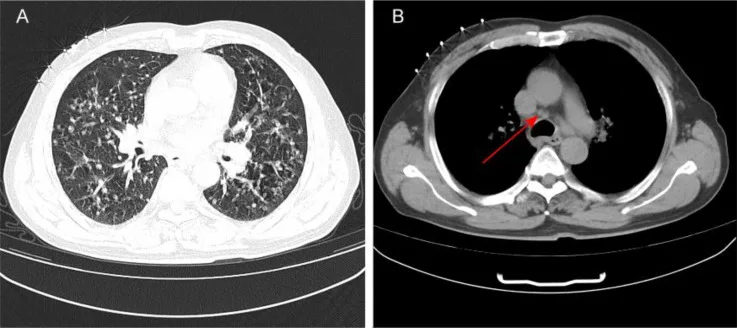
Stage IV small cell lung cancer: no abnormality after chemotherapy, radiotherapy, and TCM follow-up

Patient Info: Anonymized, Male, 60s | Stage IV

Metastatic Site: bilateral lungs; left supraclavicular lymph nodes;…

After chemotherapy, radiotherapy, supportive care, and longitudinal TCM follow-up, imaging showed disappearance of the main lung, nodal, and intrapulmonary lesions, with no abnormality found after 4 years of follow-up.

PubMed Central
OutcomeCancer-Free / NED
A patient, who was diagnosed with Stage IV Small Cell Lung CancerLung Cancer

Lung Adenocarcinoma That Transformed to Small Cell Cancer After Recurrence

Patient Info: Anonymized, male, 60s | Stage IV

Biomarkers: PD-L1 1%-24%; no druggable driver alteration identified

Metastatic Site: brain, liver

After treatment for the small-cell-transformed recurrence, the liver metastases showed sustained regression and progression-free survival had reached 13 months by September 2024.

PubMed Central
OutcomeResponding Well
A patient, who was diagnosed with Stage IV Lung AdenocarcinomaLung Cancer

MET Y1003N-Mutant Lung Adenocarcinoma Responding to Tepotinib

Patient Info: Anonymized, female, 60s | Stage IV

Biomarkers: MET mutation

Metastatic Site: bone

Tepotinib produced an 8-month response after many earlier treatments, but the cancer later recurred and she died about 3 years after treatment began.

PubMed Central
OutcomeIn Memory
A patient, who was diagnosed with Stage IV Lung Squamous Cell CarcinomaLung Cancer

Stage 4 lung cancer: complete response to chemoimmunotherapy and surgery

Patient Info: Anonymized, Male, 50s | Stage IV

Biomarkers: EGFR exon 20 duplication with PD-L1 TPS 70%; P40/CK5/6 positive squamous markers; Ki-67 60%.

Metastatic Site: right adrenal gland; possible adjacent…

As of May 7, 2024, CT follow-up showed no evidence of disease after chemoimmunotherapy, conversion surgery with pathologic complete response, and pembrolizumab maintenance.

PubMed Central
OutcomeCancer-Free / NED
A patient, who was diagnosed with Stage IV Non-Small Cell Lung CancerLung Cancer

Stage IV lung cancer: brain metastasis complete response after chemoimmunotherapy

Patient Info: Anonymized, Male, 60s | Stage IV

Biomarkers: KRAS-mutated; BRG-1 partial loss; PD-L1 TPS 5%; CPS 20

Metastatic Site: brain (right cerebellar hemisphere)

The right cerebellar brain metastasis completely resolved and chest CT showed only postsurgical changes after carrelizumab plus paclitaxel/carboplatin; immune-mediated adrenal insufficiency improved with systemic glucocorticoids.

PubMed Central
OutcomeResponding Well