Chemotherapy for Lung Cancer: 428 Real Stories

428 stories match lung cancer and chemotherapy. 224 of them mention immunotherapy.

A patient, who was diagnosed with Stage IV Non-Small Cell Lung CancerLung Cancer

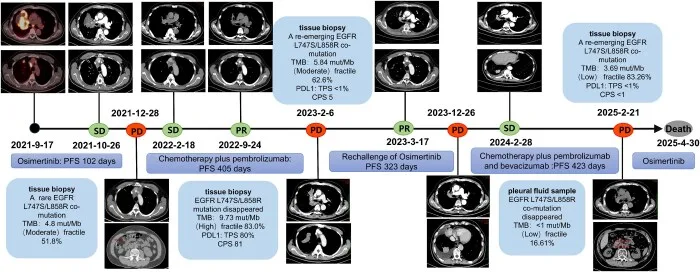
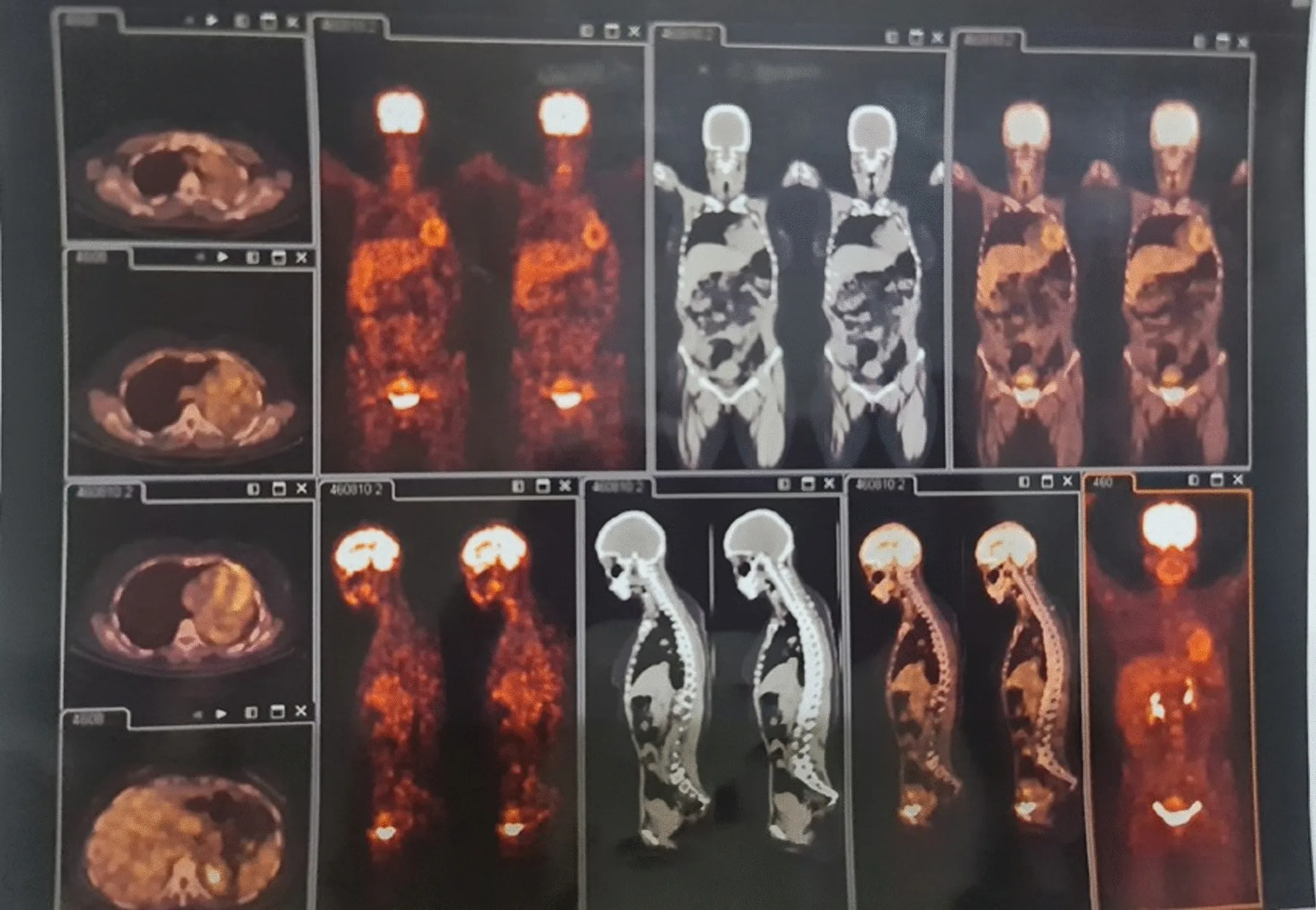
Stage IVA EGFR-mutant lung adenocarcinoma: clonal evolution, chemoimmunotherapy response, osimertinib rechallenge, and death after progression

Patient Info: Anonymized, Male, 60s | Stage IV

Biomarkers: Markers changed over time: started with EGFR L747S/L858R; later MET-amplified, PD-L1 TPS 80%, high TMB clone; later EGFR reappeared.

Metastatic Site: pleura, peritoneal nodule, retroperitoneal lymph nodes

The patient died on 30 April 2025 after progression through multiple lines and infection related to treatment-associated myelosuppression.

PubMed Central
OutcomeIn Memory
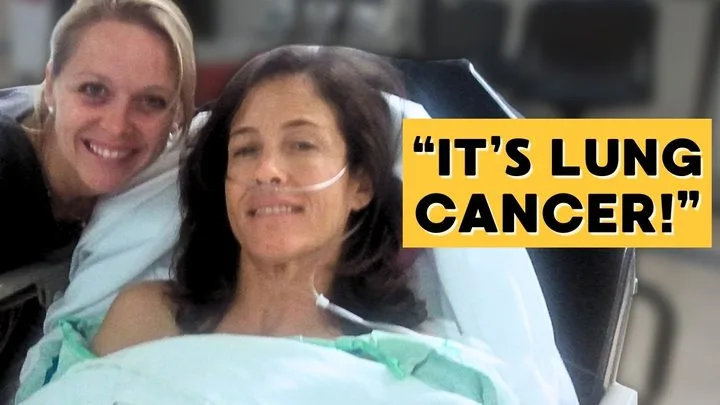
Shannon, who was diagnosed with Stage IV Lung CancerLung Cancer

Stage IV EGFR Lung Cancer: Shannon's Survivor Story

Patient Info: Shannon, Female, Under 40 | Stage IV

Biomarkers: EGFR mutation; TP53 mutation

Metastatic Site: cervical spine (C1/C2 and C4/C6), liver

As of June 2026, Shannon described no evidence of active disease: visible tumors were gone, the original lung mass had decreased from 10.8 cm to a 3.8 cm cavity, and targeted therapy continued to suppress possible remaining cells.

The Patient Story
OutcomeCancer-Free / NED
A patient, who was diagnosed with Small Cell Lung CancerLung Cancer

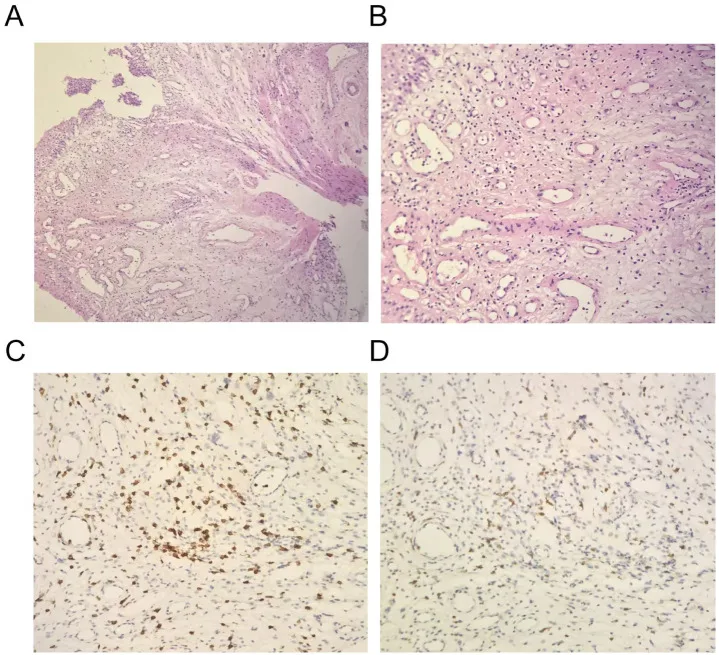
Extensive-stage small cell lung cancer: multi-line treatment complicated by glucocorticoid-refractory immune-related cystitis

Patient Info: Anonymized, Male, 50s

Biomarkers: No molecular biomarkers reported for SCLC. Bladder biopsy during cystitis showed mostly CD3/CD8-positive T-cell inflammation.

As of December 2025, the cancer had progressed through multiple systemic lines, new brain metastasis had appeared, and care had shifted to palliative symptomatic treatment; immune-related cystitis had resolved after prednisone plus mycophenolate mofetil.

PubMed Central
OutcomeSetback / Progression
A patient, who was diagnosed with Stage IV Lung AdenocarcinomaLung Cancer

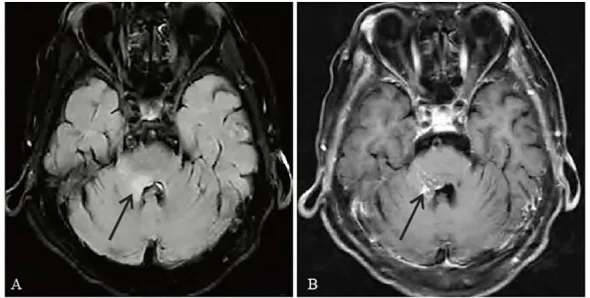
Stage IV PD-L1-high lung adenocarcinoma: remission on chemotherapy after tislelizumab-associated KLHL11-IgG cerebellitis

Patient Info: Anonymized, Male, 50s | Stage IV

Biomarkers: PD-L1-high lung adenocarcinoma with EGFR/ALK/ROS1 wild type and TTF-1 positive. KLHL11-IgG was linked to cerebellitis.

Metastatic Site: M1a disease; specific metastatic site not otherwise…

At 1-year neurologic follow-up, the cerebellitis had markedly improved, serum KLHL11-IgG was negative, brain MRI lesions had resolved, and lung adenocarcinoma remained in remission on cisplatin plus pemetrexed.

PubMed Central
OutcomeResponding Well
A patient, who was diagnosed with Stage IV Non-Small Cell Lung CancerLung Cancer

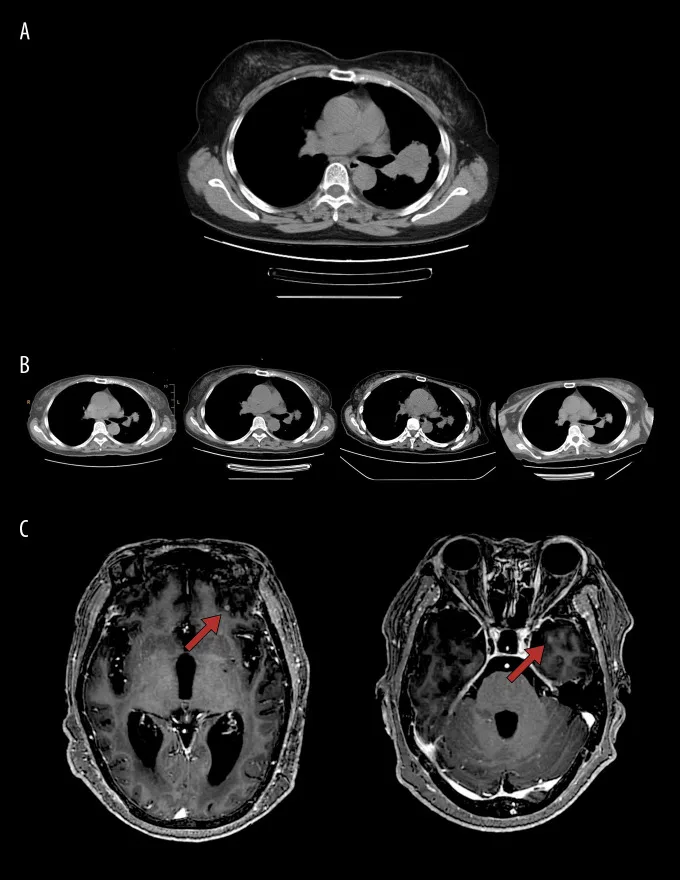
Stage IV EGFR-mutated lung adenocarcinoma: high-dose furmonertinib after CNS progression

Patient Info: Anonymized, Female, 50s | Stage IV

Biomarkers: Initial EGFR L858R mutation. Later blood testing showed EGFR p.S553Y variation; CEA rose and fell with treatment.

Metastatic Site: brain/meninges; bilateral pleura/lungs; mediastinal…

As of June-September 2024, the left lung lesion was stable to slightly smaller on escalated furmonertinib, but brain/CNS lesions had progressed and required dose escalation to 240 mg/day; later imaging was declined.

PubMed Central
OutcomeSetback / Progression
Montessa, who was diagnosed with Small Cell Lung CancerLung Cancer

Small Cell Lung Cancer: Montessa's Survivor Story

Patient Info: Montessa, Female, Under 40

As of June 2026, Montessa was sharing her recovery after limited-stage small cell lung cancer treatment with concurrent chemotherapy and radiation followed by brain radiation.

The Patient Story
OutcomeSurvivorship / Completed Treatment
A patient, who was diagnosed with Non-Small Cell Lung CancerLung Cancer

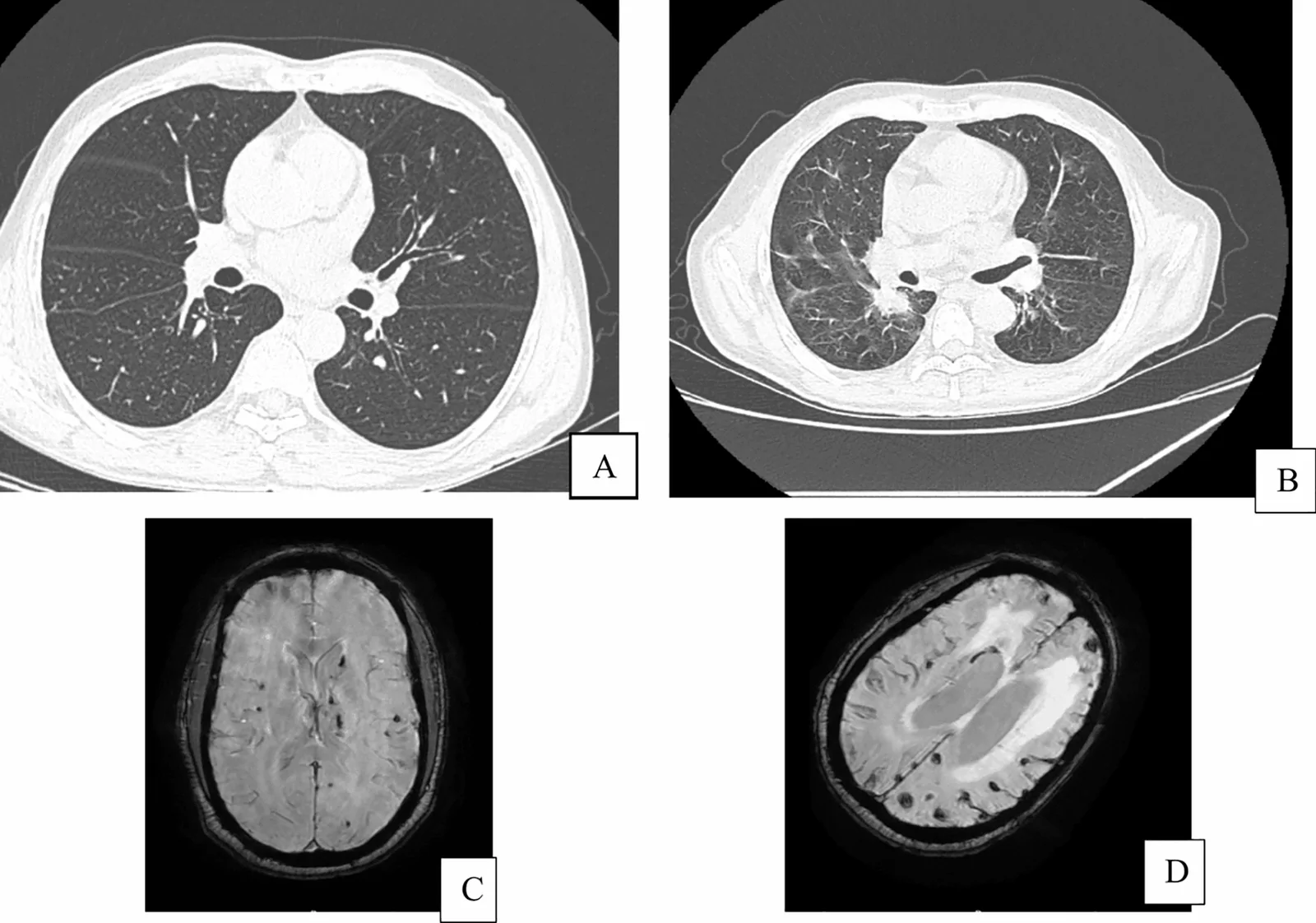
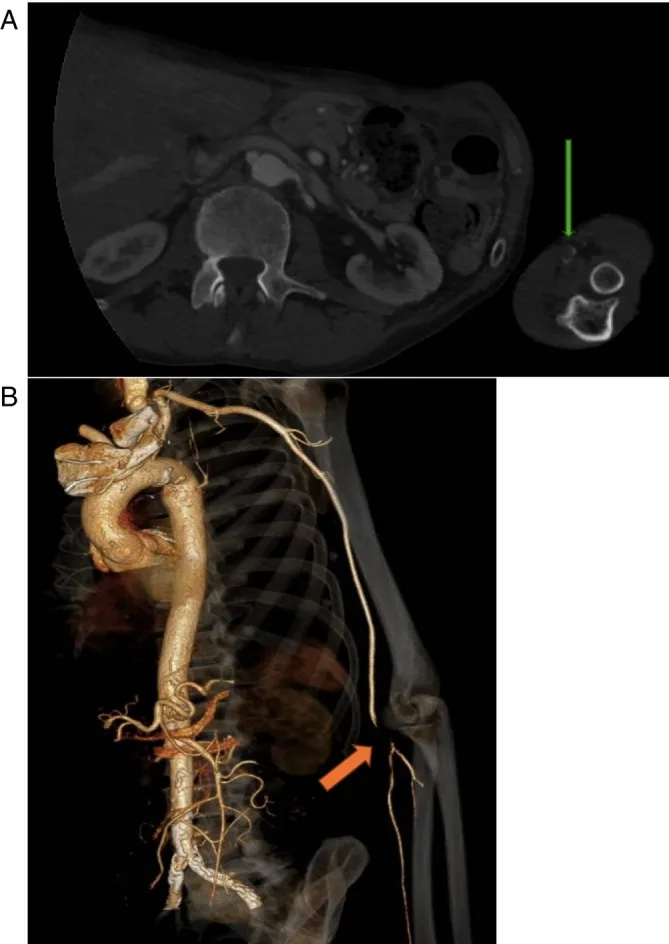
Recurrent squamous lung cancer with tumor emboli, acute limb ischemia, brain metastases, and death

Patient Info: Anonymized, Male, 60s | Stage Metastatic/Advanced

Biomarkers: p40-positive; TTF-1-negative; PD-L1 not expressed / no PD-L1 reported in raw case

Metastatic Site: brain/cerebral metastases; tumor emboli in upper and…

The patient developed recurrent acute limb ischemia from tumor emboli, then new cerebral metastases, and died from advanced disease 7 months after the bilateral lower-limb ischemia presentation.

PubMed Central
OutcomeIn Memory
Heidi, who was diagnosed with Stage III Non-Small Cell Lung CancerLung Cancer

Stage III Non-Small Cell Lung Cancer: Heidi's Survivor Story

Patient Info: Heidi N., Female, 50s | Stage III

Biomarkers: No targetable mutation identified

As of June 2026, Heidi was featured as a lung cancer advocate after treatment for inoperable Stage IIIA NSCLC; scans through January 2021 had shown no evidence of disease.

The Patient Story
OutcomeCancer-Free / NED
Peter, who was diagnosed with Stage III Lung CancerLung Cancer

Stage III Lung Cancer: Peter's Survivor Story

Patient Info: Peter, Male, 70+ | Stage III

As of May 2026, Peter said his left-lung mass had gone after radiotherapy with chemotherapy and that he had returned to normal activities.

YouTube (AR search)
OutcomeCancer-Free / NED
Jill, who was diagnosed with Stage IV Non-Small Cell Lung CancerLung Cancer

Stage IV Non-Small Cell Lung Cancer: Jill's Patient Story

Patient Info: Jill, Female, 50s | Stage IV

Biomarkers: Driver mutation identified; specific mutation not stated

Metastatic Site: pleura

As of May 2026, Jill had lived 17 years with NSCLC, later experienced pleural metastases/progression, and remained on biomarker-guided targeted therapy with chemotherapy added.

The Patient Story
OutcomeLiving With Cancer
A patient, who was diagnosed with Stage IV Lung AdenocarcinomaLung Cancer

Stage IV EGFR-mutated lung cancer responds after targeted therapy intolerance

Patient Info: Anonymized, Female, 50s | Stage IV

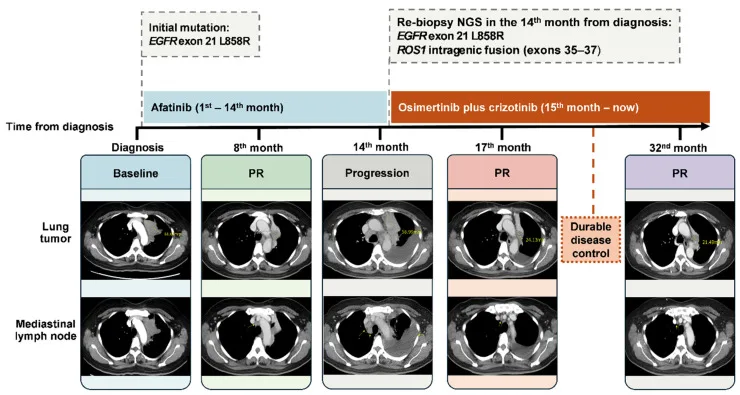
Biomarkers: EGFR L858R mutation; PIK3CA E545K mutation; acquired ROS1 rearrangement

Metastatic Site: pleura|pericardium|bone|lungs

Chemotherapy produced a partial response that remained sustained for 7 months at the latest follow-up.

PubMed Central
OutcomeResponding Well
Roy, who was diagnosed with Stage II Lung AdenocarcinomaLung Cancer

Stage II KRAS Lung Adenocarcinoma: Roy's Survivor Story

Patient Info: Roy, Male, 50s | Stage II

Biomarkers: KRAS

As of May 2026, Roy described being cancer-free/in remission, back to flying professionally, and strong enough to complete his 5th marathon at the Boston Marathon.

The Patient Story
OutcomeCancer-Free / NED
Jake, who was diagnosed with Stage IV Lung CancerLung Cancer

Stage IV ALK Lung Cancer: Jake's Patient Story

Patient Info: Jake, Male, Under 40 | Stage IV

Biomarkers: ALK-positive mutation

Metastatic Site: brain; lung; ankle bone

As of May 2026, Jake was 28 and had lived more than 13 years with Stage IV ALK-positive lung cancer, with ongoing treatment history including targeted therapy, surgeries, radiation, clinical-trial therapy, and recent chemotherapy.

The Patient Story
OutcomeLiving With Cancer
Susie, who was diagnosed with Stage III Non-Small Cell Lung CancerLung Cancer

Stage III Non-Small Cell Lung Cancer: Susie's Survivor Story

Patient Info: Susie, Female | Stage III

As of May 2026, Susie described completed surgery, chemotherapy, and radiotherapy for Stage III non-small cell lung cancer and was advocating for smoke-free legislation; no NED status was stated.

Cancer Research UK
OutcomeSurvivorship / Completed Treatment
A patient, who was diagnosed with Small Cell Lung CancerLung Cancer

Stage IIIA small-cell lung cancer with anti-NMDAR encephalitis: initial complete response, recurrence, and death

Patient Info: Anonymized, Male, 60s

Biomarkers: CSF positive for anti-NMDAR antibodies; no tumor molecular biomarkers reported

The patient initially had rapid neurologic recovery and complete radiologic response after carboplatin, etoposide, and atezolizumab, but the primary lung lesion recurred 7 months later and he died 21 months after disease onset.

PubMed Central
OutcomeIn Memory
A patient, who was diagnosed with Stage IV Non-Small Cell Lung CancerLung Cancer

Stage IV squamous NSCLC: durable pembrolizumab response followed by invasive aspergillosis, marrow failure, and death

Patient Info: Anonymized, Male, 50s | Stage IV

Biomarkers: PD-L1 20%

Metastatic Site: bilateral lungs

After durable partial response to pembrolizumab-based therapy, he developed severe pulmonary infection, invasive pulmonary aspergillosis, progressive AA-like bone marrow failure with severe cytopenias, declined further treatment, and died at home in early 2025.

PubMed Central
OutcomeIn Memory
A patient, who was diagnosed with Stage IV Lung Squamous Cell CarcinomaLung Cancer

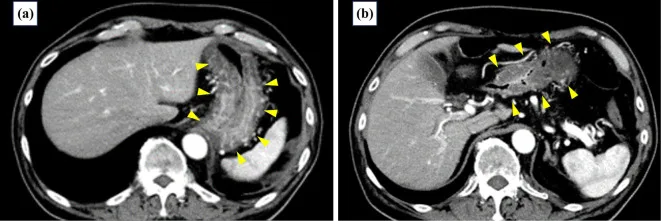
Stage IV squamous lung cancer with steroid-refractory immune-related gastritis after pembrolizumab

Patient Info: Anonymized, Male, 70+ | Stage IV

Biomarkers: Gastric biopsy during immune gastritis showed CD8-positive lymphocyte inflammation, no cancer

After about 2 years of carboplatin, pemetrexed, and pembrolizumab, lung cancer treatment was stopped because of tumor growth; the later immune-related gastritis improved after escalation to infliximab, while the cancer course remained a setback/progression story.

PubMed Central
OutcomeSetback / Progression
Michelle, who was diagnosed with Stage II Lung CancerLung Cancer

Stage II Lung Cancer: Michelle's Patient Story

Patient Info: Michelle, Female | Stage II

Receiving ongoing adjuvant treatment after lung cancer first thought to be Stage I was upgraded to Stage IIB because 3 of 18 lymph nodes were positive.

The Patient Story
OutcomeCare Ongoing