Carboplatin for Lung Cancer: 193 Real Stories

193 stories match lung cancer and carboplatin. 188 of them mention chemotherapy.

A patient, who was diagnosed with Stage IV Small Cell Lung CancerLung Cancer

Extensive-stage small-cell lung cancer with immune-related diabetes and stable disease at 2 years

Patient Info: Anonymized, Female, 60s | Stage IV

Biomarkers: Tumor PD-L1 not reported. Immune-related diabetes showed very low C-peptide and negative diabetes autoantibodies; thyroiditis also occurred.

Metastatic Site: pancreas; pleura/pleural effusion; mediastinal lymph…

Two years after the SCLC diagnosis, she was alive with stable oncologic disease after later brain metastases were treated with whole-brain radiotherapy, and she remained insulin-dependent.

PubMed Central
OutcomeLiving With Cancer
A patient, who was diagnosed with Small Cell Lung CancerLung Cancer

Small-cell lung cancer with anti-NMDAR encephalitis: neurologic recovery and cancer care ongoing

Patient Info: Anonymized, Male, 70+

Biomarkers: Anti-NMDAR antibodies positive in cerebrospinal fluid; tumor molecular markers not reported

He recovered without significant neurologic sequelae and had no recurrence of neuropsychiatric symptoms; SCLC treatment with carboplatin and paclitaxel began after discharge, and cancer remission status was not documented.

PubMed Central
OutcomeCare Ongoing
A patient, who was diagnosed with Stage IV Non-Small Cell Lung CancerLung Cancer

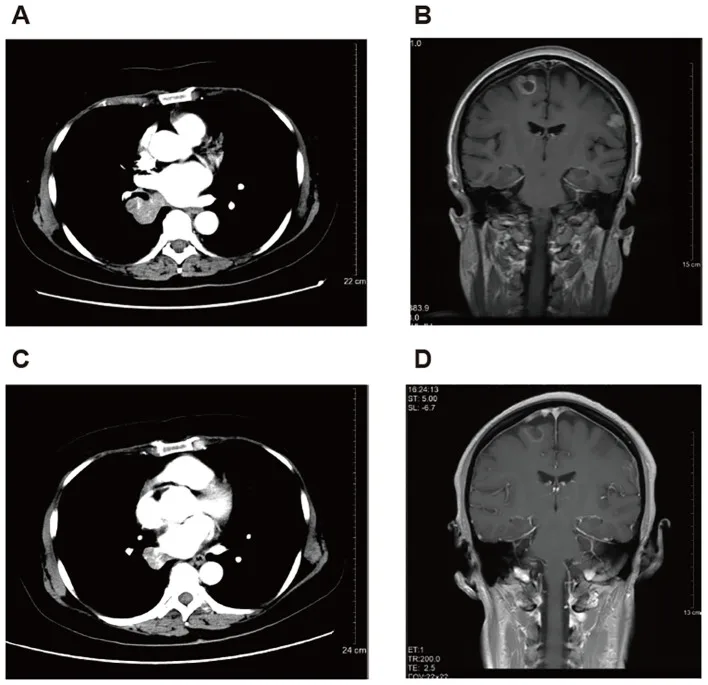
Metastatic lung adenocarcinoma with brain and iliac bone response to chemoimmunotherapy

Patient Info: Anonymized, Male, 60s | Stage IV

Biomarkers: PD-L1-negative; no EGFR, ALK, ROS1, RET, KRAS, BRAF, MET, HER2, or NTRK alteration detected; TP53 mutation found.

Metastatic Site: left iliac bone, brain

Brain metastases achieved complete remission without cranial irradiation, and lung, bone, and brain lesions remained stable at last follow-up, with PFS of 35 months and OS exceeding 40 months.

PubMed Central
OutcomeResponding Well
A patient, who was diagnosed with Stage IV Small Cell Lung CancerLung Cancer

Stage IVA lung cancer with small-cell and adenocarcinoma components: mixed response before infection halted treatment

Patient Info: Anonymized, Male, 70+ | Stage IV

Biomarkers: PD-L1 <1%

Metastatic Site: bone (C2, T10, sacral vertebrae); malignant pleural…

The lung cancer showed mixed responses, with right-lung small-cell progression after chemotherapy/immunotherapy and later treatment interruption because of severe lung infection and respiratory failure.

PubMed Central
OutcomeSetback / Progression
A patient, who was diagnosed with Stage IV Non-Small Cell Lung CancerLung Cancer

Metastatic lung adenocarcinoma with HER2 V659E/amplification responding to trastuzumab deruxtecan

Patient Info: Anonymized, Female, 50s | Stage IV

Biomarkers: Initial lung testing showed no EGFR/ALK/ROS1 and PD-L1 TPS 3%. Later biopsy found HER2 V659E plus HER2 amplification.

Metastatic Site: liver, bone, brain

As of September 2024, metastatic lung adenocarcinoma had a sustained partial response to trastuzumab deruxtecan after HER2 V659E mutation and HER2 amplification were identified.

PubMed Central
OutcomeResponding Well
A patient, who was diagnosed with Stage III Non-Small Cell Lung CancerLung Cancer

Stage IIIB non-squamous NSCLC on chemoimmunotherapy: alcohol-related hypertonic hyponatremia corrected during oncology follow-up

Patient Info: Anonymized, Male, 50s | Stage III

Biomarkers: Tumor biomarkers not reported. Severe hyponatremia workup showed high serum osmolality and ethanol level.

He remained under oncology follow-up for Stage IIIB non-squamous NSCLC while alcohol-related hypertonic hyponatremia improved after detoxification and alcohol cessation.

PubMed Central
OutcomeCare Ongoing
A patient, who was diagnosed with Stage IV Lung AdenocarcinomaLung Cancer

ALK-rearranged Stage IVA lung adenocarcinoma: partial response to pembrolizumab as eighth-line treatment

Patient Info: Anonymized, Male, 70+ | Stage IV

Biomarkers: ALK strongly positive by IHC 3+; ALK rearrangement confirmed by FISH; PD-L1 expression 95% by 22C3 immunostaining; CEA 2.3 ng/mL at diagnosis

Metastatic Site: brain

Nine months after pembrolizumab was started as eighth-line therapy, he maintained a partial response after prior progression on multiple ALK inhibitors and chemotherapies.

PubMed Central
OutcomeResponding Well
A patient, who was diagnosed with Stage IV Small Cell Lung CancerLung Cancer

Extensive-stage small cell lung cancer with brain and adrenal progression after prolonged disease control

Patient Info: Anonymized, Male, 50s | Stage IV

Biomarkers: Small-cell lung cancer markers included CD56, CgA and TTF-1; Ki-67 was 80%.

Metastatic Site: brain, right adrenal gland, left adrenal gland

After 31 months of stability on second-line anlotinib with palliative chemoradiotherapy, disease progressed in July 2024 with new brain lesions and adrenal progression; the patient declined additional systemic options and continued anlotinib.

PubMed Central
OutcomeSetback / Progression
A patient, who was diagnosed with Stage IV Non-Small Cell Lung CancerLung Cancer

Metastatic NSCLC with ATM mutations: 28-month response to olaparib before progression

Patient Info: Anonymized, Male, 70+ | Stage IV

Biomarkers: cfDNA showed ATM and ATM mutations. Common NSCLC drivers were negative; initial tumor markers were negative.

Metastatic Site: liver, left pubic bone, bilateral pulmonary nodules,…

After 28 months of remission and improved quality of life on olaparib, June 2024 PET-CT showed progression with a new 1.2 cm hypermetabolic left lower-lobe pulmonary nodule; olaparib was still being continued at the October 2024 clinic visit.

PubMed Central
OutcomeSetback / Progression
A patient, who was diagnosed with Stage IV Lung AdenocarcinomaLung Cancer

Stage IVA EGFR L858R lung adenocarcinoma with malignant effusions and thrombosis

Patient Info: Anonymized, Male, Under 40 | Stage IV

Biomarkers: EGFR exon 21 L858R mutation; TTF-1 weak positive; Napsin A positive; p40 negative; Ki-67 about 10%

Metastatic Site: malignant pleural effusion; malignant pericardial…

As of May 2025, abdominal pain had resolved, splenic infarction had not progressed, thromboembolic events were regressing, no new thrombus formation was seen, and outpatient follow-up continued while he remained on cancer and anticoagulation management.

PubMed Central
OutcomeCare Ongoing
A patient, who was diagnosed with Stage III Non-Small Cell Lung CancerLung Cancer

Stage IIIA squamous lung cancer with pathologic complete response after immunochemotherapy

Patient Info: Anonymized, Female, 50s | Stage III

Biomarkers: PD-L1 TPS 90%; PD-L1 CPS 100%; EGFR p.G719S 24.9%; EGFR p.S768I 24.6%; TP53 p.S183* 7.2%; TMB 0.0 Muts/Mb

Systematic imaging in March 2025 showed no recurrence or metastasis, with postoperative disease-free survival longer than 30 months and overall survival longer than 34 months.

PubMed Central
OutcomeCancer-Free / NED
A patient, who was diagnosed with Small Cell Lung CancerLung Cancer

Limited-stage small cell lung cancer with no recurrence after 14 years

Patient Info: Anonymized, Female, 60s

Biomarkers: SCLC markers: CD56/TTF-1 positive. Essential thrombocythemia had JAK2 . Cancer predisposition gene testing was negative.

More than 14 years after limited-stage SCLC diagnosis, surveillance imaging confirmed no recurrence, while essential thrombocythemia remained controlled with weekly Pegasys.

PubMed Central
OutcomeCancer-Free / NED
Alisa, who was diagnosed with Stage IV Non-Small Cell Lung CancerLung Cancer

Stage IV ALK Non-Small Cell Lung Cancer: Alisa's Patient Story

Patient Info: Alisa Secaida, Female, Under 40 | Stage IV

Biomarkers: ALK-positive / ALK-rearranged

Metastatic Site: Brain; lymph nodes

As of May 2025, after alectinib and lung surgery, pathology still showed active tumor and lymph-node cancer cells, and Alisa was receiving IMRT for remaining disease.

City of Hope
OutcomeCare Ongoing
A patient, who was diagnosed with Lung AdenocarcinomaLung Cancer

Poorly Differentiated Lung Adenocarcinoma Recurring After Surgery and Chemotherapy

Patient Info: Anonymized, male, 60s

Biomarkers: No driver mutation identified initially; recurrent tumor PD-L1 >50%

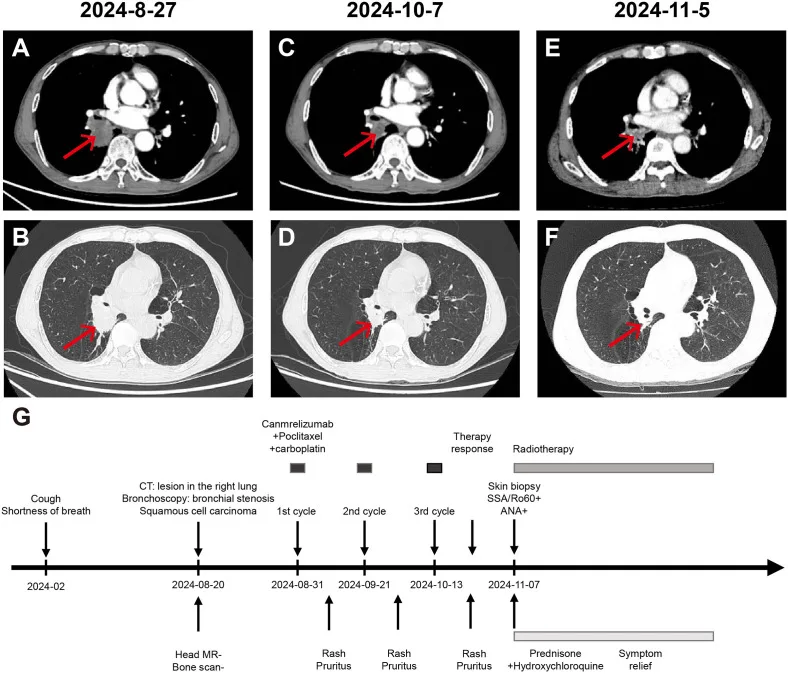
The cancer recurred in June 2024 with a para-aortic mass and enlarged mediastinal and supraclavicular lymph nodes. Camrelizumab was started, but he could not tolerate it and declined further treatment.

PubMed Central
OutcomeSetback / Progression
A patient, who was diagnosed with Stage IV Non-Small Cell Lung CancerLung Cancer

Metastatic lung squamous cell carcinoma: no recurrence after chemoimmunotherapy and pembrolizumab maintenance

Patient Info: Anonymized, Male, 60s | Stage IV

Biomarkers: EGFR exon 19 deletion; PD-L1 TPS 95%; TTF-1-negative; p40-positive

Metastatic Site: mediastinal lymph nodes; bilateral lung nodules

As of April 2025, PET/CT 3 years after treatment initiation showed no sign of recurrence after carboplatin, nab-paclitaxel, pembrolizumab, and 2 years of pembrolizumab monotherapy.

PubMed Central
OutcomeCancer-Free / NED
A patient, who was diagnosed with Stage IV Small Cell Lung CancerLung Cancer

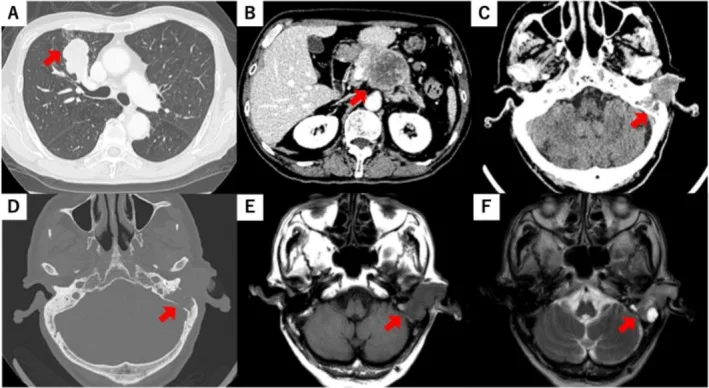
Small Cell Lung Cancer That Spread to the Ear Canal

Patient Info: Anonymized, male, 70+ | Stage IV

Metastatic Site: external auditory canal, middle ear, pancreas, bone

The metastatic lesions initially shrank and his hearing and ear pain improved, but he died 15 months after diagnosis.

PubMed Central
OutcomeIn Memory
A patient, who was diagnosed with Stage IV Non-Small Cell Lung CancerLung Cancer

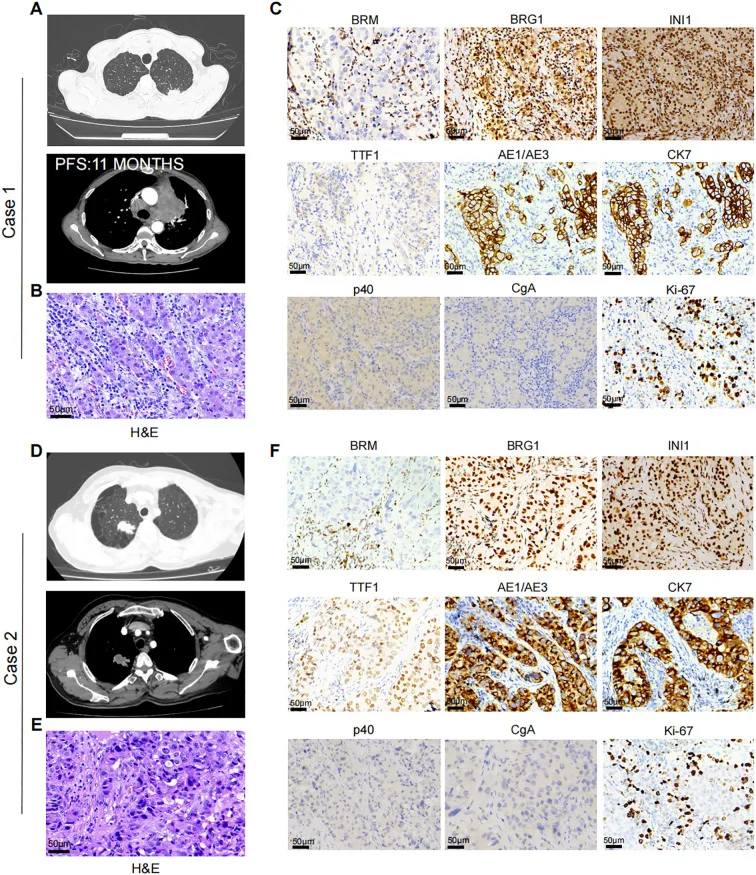
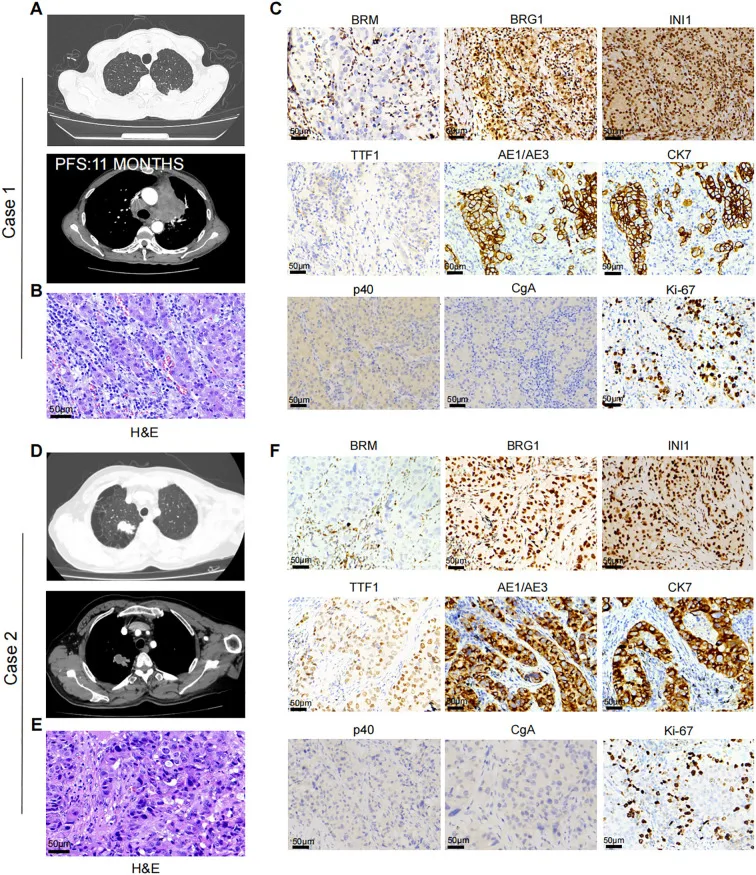
Stage 4 SMARCA4-deficient lung cancer: ongoing treatment response

Patient Info: Anonymized, Male, 50s | Stage IV

Biomarkers: SMARCA4-deficient lung cancer with BRG-1 loss, CK/CK7 positive, Ki-67 >40%. CEA

Metastatic Site: sigmoid colon, left adrenal gland

After colon metastasis surgery, continued radiotherapy, and later gemcitabine/nedaplatin/bevacizumab/camrelizumab for adrenal metastasis, the cancer showed a favorable response with no further recurrence or new metastasis reported.

PubMed Central
OutcomeResponding Well
A patient, who was diagnosed with Stage III Lung Squamous Cell CarcinomaLung Cancer

Stage 3 squamous cell lung cancer: complete remission on tislelizumab monotherapy

Patient Info: Anonymized, Male, 70+ | Stage III

Biomarkers: Squamous lung cancer markers: P40 positive, TTF-1/Napsin A negative, Ki-67 75%. PD-1/PD-L1 testing was not done.

As of April 2024, enhanced CT, tumor-marker decline, and clinical assessment supported complete remission by iRECIST after chemoimmunotherapy and tislelizumab monotherapy.

PubMed Central
OutcomeCancer-Free / NED