Chemotherapy for Breast Cancer: 738 Real Stories

738 stories match breast cancer and chemotherapy. 653 of them mention surgery.

A patient, who was diagnosed with Stage I Invasive Ductal CarcinomaBreast Cancer

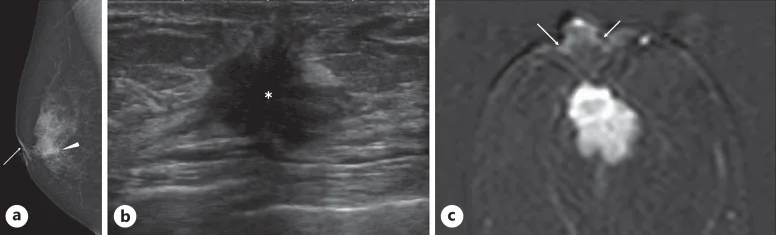
Stage 1 invasive ductal breast cancer: nipple-preserving mastectomy with reconstruction

Patient Info: Anonymized, Female, 60s | Stage I

Biomarkers: ER-positive; PR-positive; HER2-negative; Ki-67 28%

No signs of recurrence 20 months after nipple-preserving mastectomy, sentinel node biopsy, immediate reconstruction, adjuvant chemotherapy, and endocrine therapy for ER-positive, PR-positive, HER2-negative invasive ductal breast cancer.

PubMed Central
OutcomeCancer-Free / NED
A patient, who was diagnosed with Stage IV Invasive Ductal CarcinomaBreast Cancer

Stage 4 breast cancer: ongoing treatment with multi-line chemotherapy

Patient Info: Anonymized, Female, 40s | Stage IV

Biomarkers: Initial tumor: hormone receptor-negative; HER2 2+. 2011 recurrence: ER 10%; PR 70%; HER2 2+.

Metastatic Site: pleura/pleural effusion; lung

Metastatic breast cancer with malignant pleural effusion achieved complete response after chemotherapy and long-term endocrine therapy; PET-CT in October 2023 still showed complete response, with ongoing cardiac and bone-health management.

PubMed Central
OutcomeCancer-Free / NED
A patient, who was diagnosed with Stage III Breast CancerBreast Cancer

Triple-negative breast cancer: partial response to TAC chemotherapy

Patient Info: Anonymized, Female, 70+ | Stage III

Biomarkers: Triple-negative breast cancer with EGFR positivity and high Ki-67; BRCA1 staining was positive by IHC.

After 1 cycle of TAC chemotherapy, the large ulcerated breast tumor shrank enough for surgery. Radical mastectomy with adjacent flap transfer achieved clear margins and no nodal metastatic cancer; she was recovering at home while awaiting planned postoperative AC-T chemotherapy.

PubMed Central
OutcomeCare Ongoing
Kristie, who was diagnosed with Invasive Lobular CarcinomaBreast Cancer

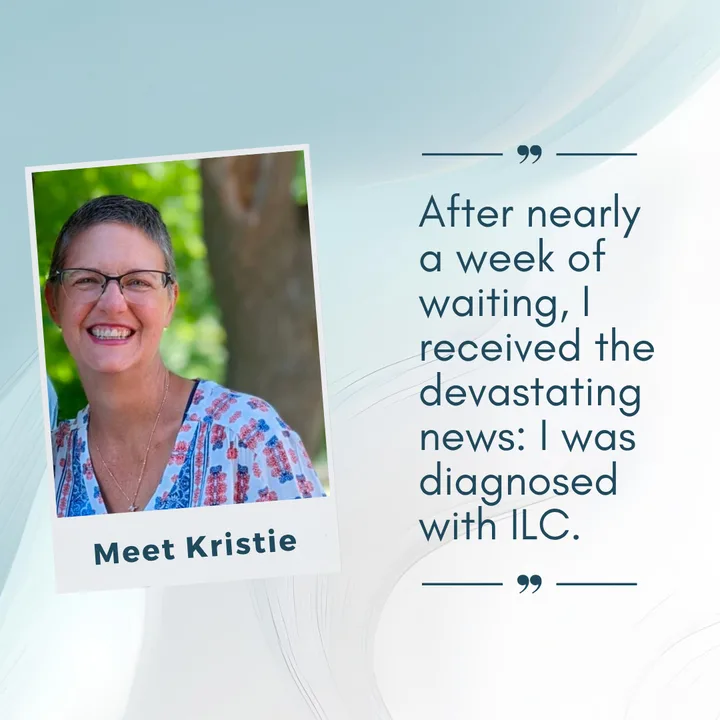
Invasive Lobular Carcinoma: Kristie's Survivor Story

Patient Info: Kristie, Female

As of August 2024, Kristie was focused on survivorship and advocacy after extensive ILC treatment that included 20 weeks of chemotherapy, 25 radiation treatments, 2 years on Verzenio, estrogen blockers, and 5 surgeries.

Lobular Breast Cancer Alliance
OutcomeSurvivorship / Completed Treatment
A patient, who was diagnosed with Stage IV Breast CancerBreast Cancer

Triple-negative breast cancer: partial response to immunotherapy combination

Patient Info: Anonymized, Female, 40s | Stage IV

Biomarkers: Initial tumor: ER-negative; PR-negative; HER2-negative; Ki-67 >80%

Metastatic Site: left lung, neck lymph nodes, mediastinal lymph nodes

Metastatic triple-negative breast cancer had a partial response after 9 months of pembrolizumab plus MK-4830, with reduced tumor burden, decreased lung and mediastinal metastases, and no new metastatic lesions; immunotherapy continued after prednisone controlled a grade 2 lichenoid eruption.

PubMed Central
OutcomeResponding Well
A patient, who was diagnosed with Invasive Lobular CarcinomaBreast Cancer

Triple-Negative Pleomorphic Lobular Breast Cancer in a BRCA1 Carrier

Patient Info: Anonymized, Female, Under 40

Biomarkers: Triple-negative, BRCA1 pathogenic mutation

Surgery after neoadjuvant treatment showed a complete pathologic response with no cancer in the 2 sampled sentinel lymph nodes.

PubMed Central
OutcomeResponding Well
A patient, who was diagnosed with Stage IV Breast CancerBreast Cancer

HER2-Positive Breast Cancer That Spread to the Cervix

Patient Info: Anonymized, female, 60s | Stage IV

Biomarkers: HER2-positive; ER and PR less than 1% in the left breast tumor

Metastatic Site: cervix, esophagus, mediastinal lymph nodes

Cervical metastasis showed a local complete response after brachytherapy, but systemic disease later progressed to the esophagus. She died after 4 months of nutritional support and palliative treatment.

PubMed Central
OutcomeIn Memory
A patient, who was diagnosed with Stage IV Invasive Ductal CarcinomaBreast Cancer

Stage 4 invasive ductal carcinoma: metastatic disease with bone involvement managed successfully

Patient Info: Anonymized, Female, 50s | Stage IV

Biomarkers: ER <1%; PR 0%; HER2 score 3+; Ki-67 60%

Metastatic Site: bone (12th thoracic vertebra/T12)

Stage IV HER2-positive breast cancer had improved T12 bone metastasis, major breast-tumor regression on trastuzumab deruxtecan, and pathologic complete response in the breast after mastectomy; durable systemic disease status was not reported.

PubMed Central
OutcomeResponding Well
A patient, who was diagnosed with Breast CancerBreast Cancer

Breast cancer history with painful implant capsule: no recurrence or BIA-ALCL found

Patient Info: Anonymized, Female, 40s

Biomarkers: Implant/capsule pathology showed necrotic tissue only; no tumor cells, CD30 signal, bacteria

The painful implant/capsule episode did not show breast cancer recurrence or BIA-ALCL on pathology; symptoms and cancer concern improved after implant removal, while oral flumatinib maintenance for acute B-lymphoblastic leukemia continued.

PubMed Central
OutcomeCare Ongoing
A patient, who was diagnosed with Breast CancerBreast Cancer

Rare acinic cell breast cancer treated with mastectomy

Patient Info: Anonymized, Female, Under 40

Biomarkers: Triple-negative; pMMR/MSS; Ki-67 very high. TP53 and several other mutations reported; no gene fusion/rearrangement found.

Alive for 43 months with no metastasis or recurrence after surgery, 8 cycles of epirubicin/cyclophosphamide, and radiotherapy for breast acinic cell carcinoma with high-grade solid transformation.

PubMed Central
OutcomeCancer-Free / NED
A patient, who was diagnosed with Stage IV Invasive Ductal CarcinomaBreast Cancer

Triple-positive breast cancer: complete response to targeted therapy

Patient Info: Anonymized, Female, 40s | Stage IV

Biomarkers: Triple-positive breast cancer; SBDS variants present; no detected TP53 variant on MyeloSeq.

Metastatic Site: liver

Stage IV triple-positive breast cancer with liver metastasis achieved complete response after paclitaxel, trastuzumab, pertuzumab, and G-CSF support; complete response was maintained for 18 months after treatment initiation while on maintenance HER2-directed and endocrine therapy.

PubMed Central
OutcomeCancer-Free / NED
Samantha, who was diagnosed with Stage IV Breast CancerBreast Cancer

Stage IV Breast Cancer: Samantha's Patient Story

Patient Info: Samantha, Female, Under 40 | Stage IV

Biomarkers: Hormone-positive breast cancer; specific receptor details not reported

Metastatic Site: bone: rib, spine, pelvis

As of July 2024, Samantha was living with Stage IV hormone-positive breast cancer with bone metastases. Current treatment was working in most areas, but a breast tumor continued to grow and was surgically removed; ongoing treatment and 3-month scans were reported.

YouTube — The Patient Story

OutcomeLiving With Cancer
A patient, who was diagnosed with Stage IV Invasive Ductal CarcinomaBreast Cancer

Stage 4 luminal A breast cancer: tumor regression on hormone therapy

Patient Info: Anonymized, Female, 40s | Stage IV

Biomarkers: ER-positive; PR-positive; HER2-negative

Metastatic Site: skin, soft tissue, lungs

Metastatic Luminal A breast cancer involving skin/soft tissue and lungs showed regressing tumors and stable lung metastasis after 3 months of anti-hormone therapy plus capecitabine; longer-term control was not reported.

PubMed Central
OutcomeLiving With Cancer
Kelsey, who was diagnosed with Stage II Breast CancerBreast Cancer

Finding A Lump To BREAST CANCER!

Patient Info: Kelsey Harrison, Female, Under 40 | Stage II

Biomarkers: ER-positive

As of July 2024, Kelsey had completed chemotherapy, double mastectomy with axillary lymph-node removal, and radiation, and was continuing tamoxifen plus Lupron ovarian suppression with additional planned systemic therapy.

The Patient Story
OutcomeCare Ongoing
A patient, who was diagnosed with Stage II Breast CancerBreast Cancer

Stage II Breast Cancer Treatment Complicated by Scleroderma-Like Skin Changes

Patient Info: Anonymized, female, 50s | Stage II

Biomarkers: ER low-positive; PR-negative; HER2-negative

Her cancer remained stable during combination treatment. After morphea-like skin changes developed during therapy, treatment was modified and the skin condition improved 6 months after docetaxel was stopped.

PubMed Central
OutcomeCare Ongoing
LaShae, who was diagnosed with Breast CancerBreast Cancer

HR-Positive Breast Cancer: LaShae's Patient Story

Patient Info: LaShae, Female, Under 40

Biomarkers: ER-positive; MammaPrint high-risk recurrence; 70-gene hereditary cancer panel negative

As of June 2024, LaShae had completed mastectomy and was undergoing TC chemotherapy, with radiation and long-term hormonal therapy planned; no remission or NED status was stated.

The Patient Story
OutcomeCare Ongoing
A patient, who was diagnosed with Stage IV Breast CancerBreast Cancer

Stage IV triple-negative breast cancer in remission: CBD and exercise for neuropathy

Patient Info: Anonymized, Female, 50s | Stage IV

Biomarkers: Triple-negative breast cancer. Blood and immune inflammation measures were tracked during neuropathy care.

Metastatic Site: liver

She was in remission for more than 5 years after Stage IV breast cancer with a solitary liver metastasis, while later managing chemotherapy-induced peripheral neuropathy with CBD and an exercise program that improved symptoms and function.

PubMed Central
OutcomeCancer-Free / NED
A patient, who was diagnosed with Invasive Ductal CarcinomaBreast Cancer

Stage 3 breast cancer: pathologic complete response to neoadjuvant chemotherapy

Patient Info: Anonymized, Female, Under 40

Biomarkers: ER-positive, PR-negative, HER2-negative breast cancer with very high Ki-67. MammaPrint high-risk/basal type; hereditary testing negative.

Free of recurrence at last follow-up after neoadjuvant pembrolizumab plus chemotherapy, breast-conserving surgery with RCB-0/pathologic complete response, adjuvant radiation, and adjuvant pembrolizumab.

PubMed Central
OutcomeCancer-Free / NED
Liz, who was diagnosed with Stage III Invasive Lobular CarcinomaBreast Cancer

Stage III HR-Positive Invasive Lobular Carcinoma: Liz's Patient Story

Patient Info: Liz O'Riordan, Female, 40s | Stage III

Biomarkers: ER-positive; HER2-negative; PIK3CA mutation reported by patient

As of June 2024, Liz described Stage III ER-positive/HER2-negative mixed ductal and lobular breast cancer followed by 2 locoregional recurrences after mastectomy; no distant metastatic disease was described for her personal story.

YouTube — Dr Liz O'Riordan
OutcomeSetback / Progression
A patient, who was diagnosed with Stage IV Invasive Ductal CarcinomaBreast Cancer

BRCA2-mutant metastatic breast cancer: complete response with rucaparib maintenance

Patient Info: Anonymized, Female, Under 40 | Stage IV

Biomarkers: Germline BRCA2 mutation; somatic BRCA2 mutation; HER2 amplification not seen by FISH; grade III IDC

Metastatic Site: bone

She maintained a complete response for 2 years on rucaparib, letrozole, and zoledronic acid after upfront metastatic BRCA2-mutated breast cancer involving bone, axillary nodes, and right-breast nodules.

PubMed Central
OutcomeCancer-Free / NED