Cyclophosphamide for Breast Cancer: 134 Real Stories

134 stories match breast cancer and cyclophosphamide. 129 of them mention surgery.

Nathalie, who was diagnosed with Stage IV Breast CancerBreast Cancer

Stage IV Breast Cancer: Nathalie's Patient Story

Patient Info: Nathalie | Stage IV

Nathalie had been living with stage 4 breast cancer for more than three years and remained focused on time with her children.

Our Cancer Stories
OutcomeLiving With Cancer
Kattysmith, who was diagnosed with Stage IV Breast CancerBreast Cancer

Stage IV Breast Cancer: Kattysmith's Patient Story

Patient Info: Kattysmith, Female, 60s | Stage IV

Metastatic Site: lymphatic system; skin/soft-tissue nodules; possible…

After AC chemotherapy, the metastatic nodules shrank markedly. Kattysmith was stable on palbociclib and letrozole with declining tumor markers, while clearly stating that she was not NED.

breastcancer.org
OutcomeResponding Well
SH
Breast Cancer

Sarah: hormone-dependent grade 1 breast cancer with individualized treatment decisions

Patient Info: Sarah, Female, 50s

Biomarkers: Hormone-dependent

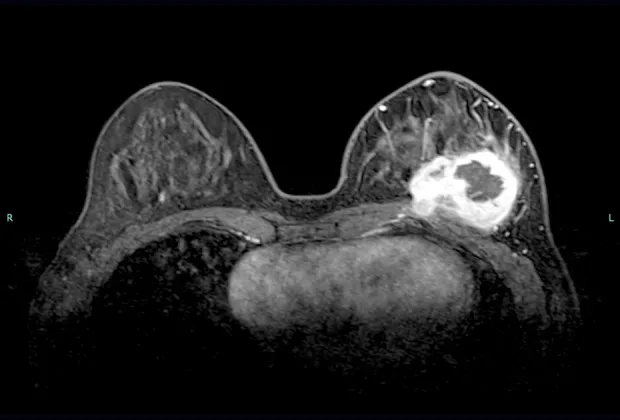
Sarah’s June 2020 MRI showed that previously visible breast nodules were no longer present after metabolic measures and an oncologist-prescribed regimen including hormone suppression, cyclophosphamide, and palbociclib.

Cancer et Métabolisme
OutcomeResponding Well
Alison, who was diagnosed with Stage IV Breast CancerBreast Cancer

Stage IV HR-Positive Breast Cancer: Alison's Survivor Story

Patient Info: Alison, Female, Under 40 | Stage IV

Biomarkers: ER-positive; PR-positive; HER2-positive

Metastatic Site: Cervical/neck lymph nodes

Alison reported complete remission since August 2017 while continuing intermittent maintenance chemotherapy, most recently 1 month of treatment followed by 2 months off.

The Patient Story
OutcomeLiving With Cancer / Remission
Erin, who was diagnosed with Stage IV Breast CancerBreast Cancer

Stage IV Triple-Negative Breast Cancer: Erin's Patient Story

Patient Info: Erin, Female | Stage IV

Biomarkers: ER-negative; PR-negative; HER2-negative; later tumor responded to androgen signaling

Metastatic Site: Lung; brain

As of June 2026, Erin was living with metastatic triple-negative breast cancer involving lung and brain, with tumors shrinking on ongoing Gemzar plus carboplatin chemotherapy every 2 weeks.

The Patient Story
OutcomeResponding Well
Amelia, who was diagnosed with Stage I Invasive Ductal CarcinomaBreast Cancer

Stage I HR-Positive Invasive Ductal Carcinoma: Amelia's Patient Story

Patient Info: Amelia, Female, 40s | Stage I

Biomarkers: ER-positive; PR-positive; HER2-negative; BRCA negative; Oncotype DX score 22

As of June 2026, Amelia had no evidence of disease after lumpectomy, bilateral mastectomy, TC chemotherapy, and reconstruction, and she remained on tamoxifen.

The Patient Story
OutcomeCare Ongoing
Callie, who was diagnosed with Stage II Invasive Ductal CarcinomaBreast Cancer

Stage II HR-Positive Invasive Ductal Carcinoma: Callie's Survivor Story

Patient Info: Callie, Female, Under 40 | Stage II

Biomarkers: ER-positive

As of June 2026, Callie described survivorship after mastectomy, ACT chemotherapy, reconstruction, and hysterectomy for Stage IIB ER-positive IDC, with all cancer-directed treatment completed by the end of 2019.

The Patient Story
OutcomeSurvivorship / Completed Treatment
A patient, who was diagnosed with Stage IV Invasive Ductal CarcinomaBreast Cancer

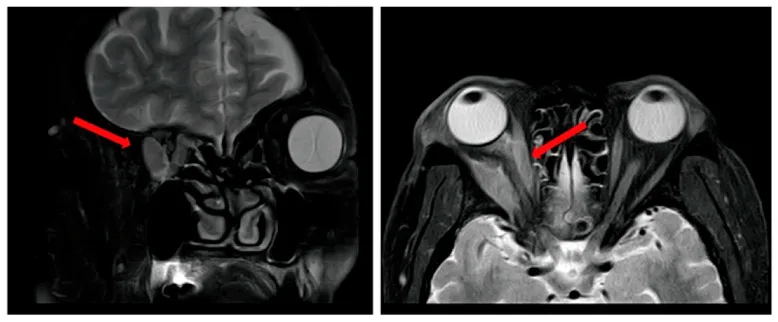
Metastatic triple-negative breast cancer with orbital and bone metastases responding to nab-paclitaxel plus everolimus

Patient Info: Anonymized, Female, 70+ | Stage IV

Biomarkers: Primary breast cancer was ER-low, PR/HER2 negative. Orbital metastasis was triple-negative with AKT1 exon 4 mutation.

Metastatic Site: right orbit/orbital mass; bone

At 6-month follow-up, systemic disease was stable, ocular symptoms had significantly improved, orbital metastases were stable on MRI, and the response was described as RECIST partial response/progression-free interval while treatment continued.

PubMed Central
OutcomeResponding Well
A patient, who was diagnosed with Stage IV Breast CancerBreast Cancer

Stage IIB triple-negative metaplastic breast cancer with early metastatic recurrence: durable response to pembrolizumab-based therapy

Patient Info: Anonymized, Female, 50s | Stage IV

Biomarkers: Triple-negative metaplastic breast cancer with PD-L1 CPS 83.2, BRCA1/2 negative

Metastatic Site: lung, sternum

As of May 2026, she had more than 30 months of disease control after pembrolizumab-based therapy for early recurrent metastatic metaplastic breast cancer, with only mild residual sternal uptake and no disease progression.

PubMed Central
OutcomeResponding Well
SI
Breast Cancer

Stage I luminal A invasive ductal breast cancer with post-treatment cognitive symptoms

Patient Info: Anonymized, Female, 70+ | Stage I

Biomarkers: ER 100% positive; PR 95% positive; HER2 score 0 / HER2-negative; Ki-67 10%; P63 negative

As of April 2026, the case focused on survivorship after Stage I luminal A breast cancer treatment, with cognitive complaints after chemotherapy and improved MoCA and depression scores after 12 sessions of tDCS; brain metastases had been ruled out.

PubMed Central
OutcomeSurvivorship / Completed Treatment
A patient, who was diagnosed with Stage IV Invasive Lobular CarcinomaBreast Cancer

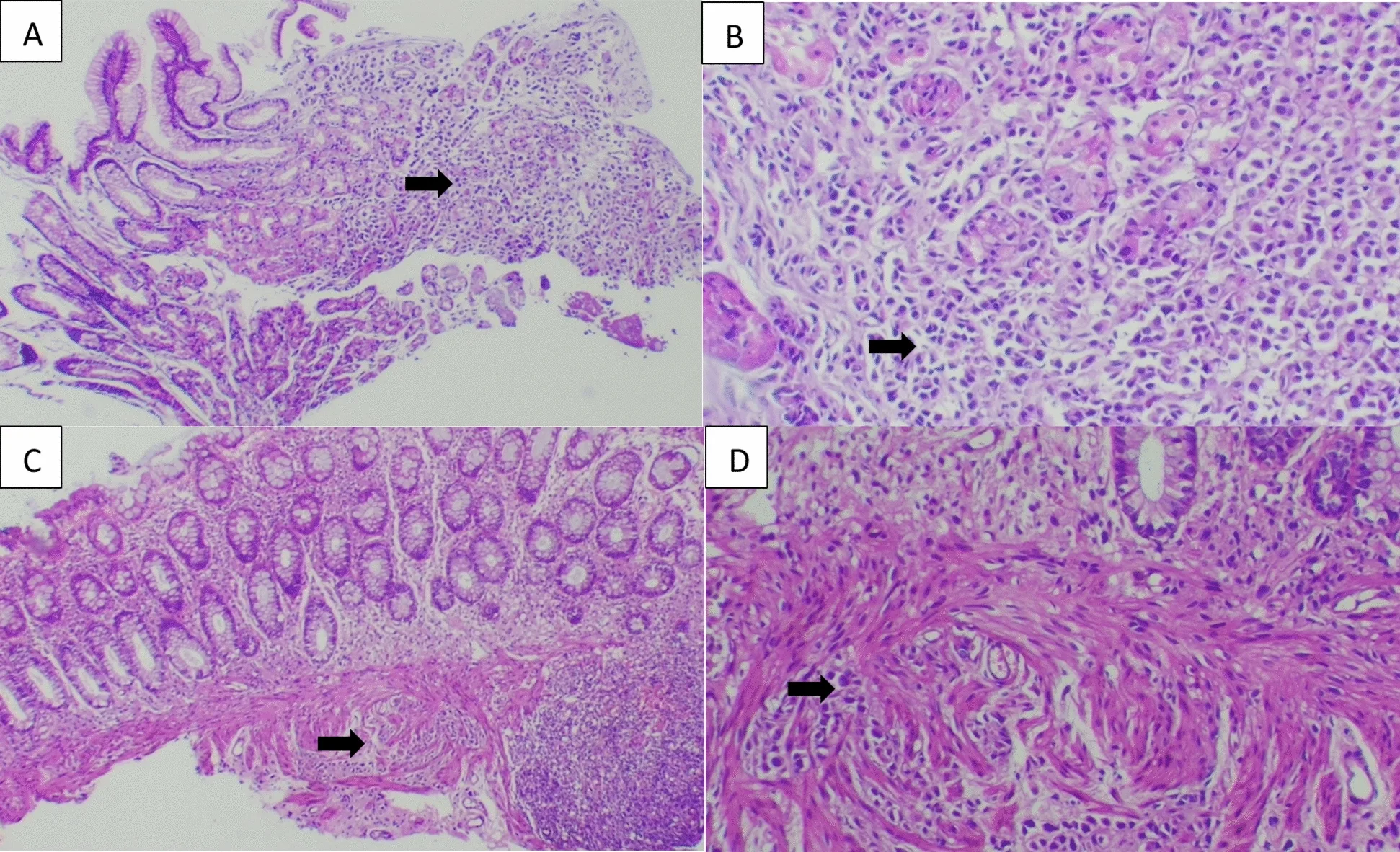
Metastatic invasive lobular breast cancer with stomach, ovarian, peritoneal, rectal, and jejunal spread

Patient Info: Anonymized, Female, 40s | Stage IV

Biomarkers: Primary tumor and gastric metastasis were ER/PR positive and HER2 negative; GATA3 supported breast origin in the metastasis.

Metastatic Site: stomach; ovaries; peritoneum; rectum; jejunum

During 2025, she remained under active oncologic management for metastatic invasive lobular breast cancer with gastrointestinal, ovarian, peritoneal, rectal, and jejunal involvement.

PubMed Central
OutcomeLiving With Cancer
A patient, who was diagnosed with Breast CancerBreast Cancer

Triple-negative breast cancer diagnosed during pregnancy: remission

Patient Info: Anonymized, Female, Under 40

Biomarkers: ER-negative; PR-negative; HER2-negative

The patient remains in remission 30 months after surgery. Immune-related brachial plexopathy after treatment improved after steroids, IVIG, and plasmapheresis, with electrophysiologic resolution and near-complete strength and sensory recovery.

PubMed Central
OutcomeCancer-Free / NED
A patient, who was diagnosed with Breast Squamous Cell CarcinomaBreast Cancer

Non-metastatic metaplastic triple-negative breast cancer with residual disease after chemotherapy

Patient Info: Anonymized, Female, 40s

Biomarkers: Metaplastic triple-negative breast cancer; HER2 0

The patient had an initial partial response to neoadjuvant chemotherapy but then progressed before surgery. Modified radical mastectomy found substantial residual metaplastic carcinoma with 0/21 nodes involved, followed by adjuvant radiotherapy and metronomic capecitabine.

PubMed Central
OutcomeCare Ongoing
A patient, who was diagnosed with Stage IV Invasive Ductal CarcinomaBreast Cancer

Stage 4 breast cancer: 4 years and counting

Patient Info: Anonymized, Female, 60s | Stage IV

Biomarkers: Initial tumor: hormone receptor-positive; HER2 1+. Metastatic recurrence: triple-negative breast cancer.

Metastatic Site: liver, bone, lung, supraclavicular lymph nodes,…

After response of choroidal metastases to eye radiation plus sacituzumab govitecan, disease progressed in February 2023 with cerebellar and pituitary brain lesions; she developed obstructive hydrocephalus, entered hospice in May 2023, and died in June 2023.

PubMed Central
OutcomeIn Memory
A patient, who was diagnosed with Stage IV Invasive Lobular CarcinomaBreast Cancer

Stage IV triple-negative invasive lobular breast cancer with HER2 mutations: complete metabolic response to trastuzumab deruxtecan

Patient Info: Anonymized, Female, 70+ | Stage IV

Biomarkers: Triple-negative invasive lobular breast cancer with HER2-low/dubious staining and HER2 FISH-negative; somatic ERBB2/HER2 and mutations.

Metastatic Site: iliac bone lesions / bone metastases

As of January 2026, metastatic triple-negative invasive lobular breast cancer with HER2 mutations had a sustained complete metabolic response to trastuzumab deruxtecan for 20 months, with dose reduction for neutropenia and no pulmonary toxicity.

PubMed Central
OutcomeResponding Well
A patient, who was diagnosed with Stage III Invasive Ductal CarcinomaBreast Cancer

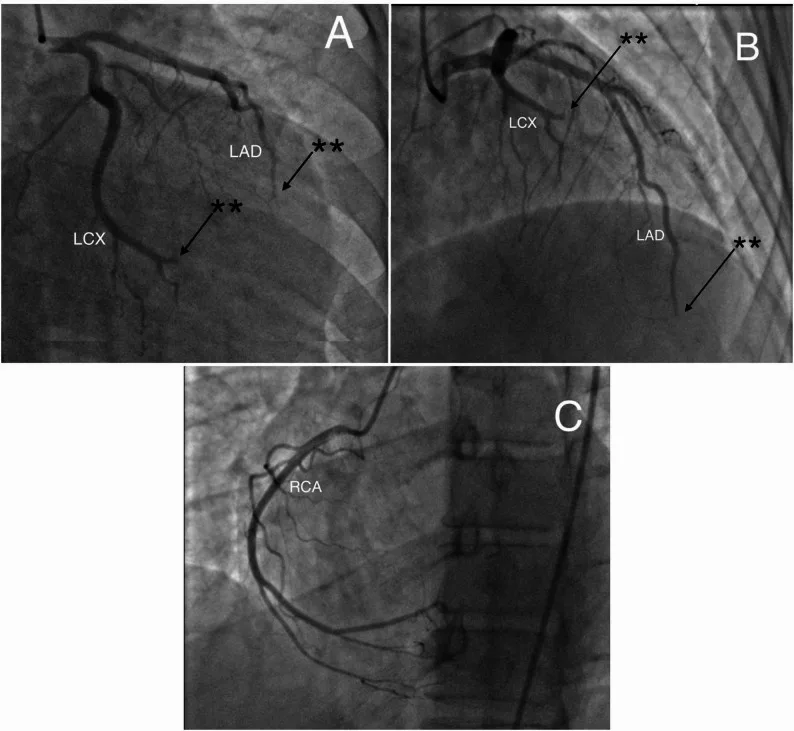
Stage III Breast Cancer Treatment Complicated by Coronary Thrombosis

Patient Info: Anonymized, female, 40s | Stage III

Biomarkers: ER-positive; PR-positive; HER2-negative; Ki-67 25–30%

She achieved complete remission about 12 months after the myocardial infarction and remained in complete oncologic remission at 44 months.

PubMed Central
OutcomeCancer-Free / NED
A patient, who was diagnosed with Stage III Breast CancerBreast Cancer

Stage 3 triple-negative breast cancer complicated by immunotherapy endocrine toxicity

Patient Info: Anonymized, Female, 40s | Stage III

Biomarkers: ER-negative; PgR-negative/PR-negative; HER2 0; Ki-67 70%; triple-negative breast cancer

After neoadjuvant therapy complicated by immune-related hypothyroidism, adrenal insufficiency, and suspected hypophysitis, surgery showed residual ypT1c ypN0 triple-negative disease. Pembrolizumab was stopped, adjuvant capecitabine was completed in June 2025, and endocrine replacement/follow-up continued.

PubMed Central
OutcomeCare Ongoing
A patient, who was diagnosed with Breast CancerBreast Cancer

Hormone receptor-positive breast cancer treated with pembrolizumab trial complicated by acquired lipodystrophy

Patient Info: Anonymized, Female, 40s

Biomarkers: HER2-negative breast cancer. Metabolic changes occurred during/after pembrolizumab.

As of December 2025, breast cancer treatment had included neoadjuvant chemotherapy/pembrolizumab, surgery, adjuvant pembrolizumab, and endocrine therapy; CT did not show recurrence during weight-loss evaluation, but she required ongoing metabolic care for pembrolizumab-associated acquired generalized lipodystrophy.

PubMed Central
OutcomeCare Ongoing
A patient, who was diagnosed with Stage IV Invasive Ductal CarcinomaBreast Cancer

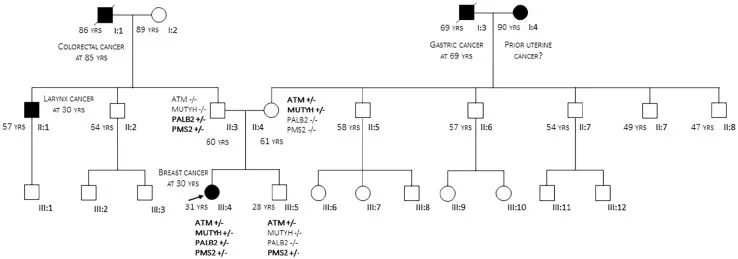
Young Woman With Breast Cancer and Four Inherited Cancer-Risk Variants

Patient Info: Anonymized, female, Under 40 | Stage IV

Biomarkers: ER 40%; PgR 60%; HER2 0; Ki-67 25%; germline pathogenic variants in ATM, PALB2, PMS2

Metastatic Site: brain

The breast cancer spread rapidly to the brain, and she died within a few months.

PubMed Central
OutcomeIn Memory
A patient, who was diagnosed with Stage IV Breast AdenocarcinomaBreast Cancer

Synchronous EGFR-mutated lung adenocarcinoma and metastatic breast cancer: surgery and adjuvant therapy

Patient Info: Anonymized, Female, 50s | Stage IV

Biomarkers: Two cancers: lung adenocarcinoma with EGFR exon 19 deletion; breast cancer ER-positive, PR-low, HER2 non-amplified.

Metastatic Site: lung

Follow-up CT on 26 December 2024 showed no recurrence, with disease-free survival estimated at 27 months to 1 April 2025 while on icotinib and letrozole maintenance.

PubMed Central
OutcomeCancer-Free / NED
A patient, who was diagnosed with Stage III Invasive Ductal CarcinomaBreast Cancer

Recurrent breast cancer complicated by T-DXd-associated dermatomyositis and interstitial lung disease

Patient Info: Anonymized, Female, 40s | Stage III

Biomarkers: Initial tumor had weak ER/AR, PR-negative, HER2 0. Recurrence became ER/PR/AR-negative, HER2-low, PD-L1 CPS ~30.

The cancer progressed after adjuvant therapy and again after 6 cycles of gemcitabine/carboplatin. Trastuzumab deruxtecan was followed by dermatomyositis features and interstitial pneumonia, with symptoms worsening despite glucocorticoid treatment after continued exposure.

PubMed Central
OutcomeSetback / Progression
A patient, who was diagnosed with Stage III Invasive Ductal CarcinomaBreast Cancer

Stage IIIC ER-positive male breast cancer: mastectomy, chemotherapy, radiation, tamoxifen and abemaciclib

Patient Info: Anonymized, Male, 40s | Stage III

Biomarkers: ER 90% positive; PR 60% positive; HER2 score 0; Ki-67 15%; BRCA1 and BRCA2 no pathogenic variants; CEA 2.4 ng/mL; CA15-3 13.6 U/mL

He remained on tamoxifen and dose-adjusted abemaciclib; annual follow-up imaging, including non-contrast CT, showed no local or distant relapse.

PubMed Central
OutcomeCancer-Free / NED