Etoposide: 77 Real Stories

77 stories match etoposide. 76 of them mention chemotherapy.

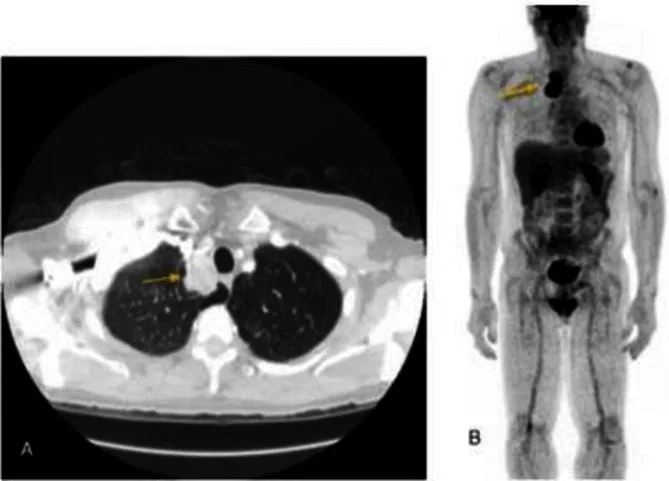
A patient, who was diagnosed with Stage IV Small Cell Lung CancerLung Cancer

EGFR-mutated lung cancer with later small-cell transformation

Patient Info: Anonymized, male, 60s | Stage IV

Biomarkers: EGFR L858R mutation; acquired EGFR T790M mutation

Metastatic Site: pleura/chest wall, ribs, brain, meninges,…

Disease progressed through multiple lines of therapy with brain and meningeal involvement. He died in September 2021, more than 9 years after his original 2012 diagnosis.

PubMed Central
OutcomeIn Memory
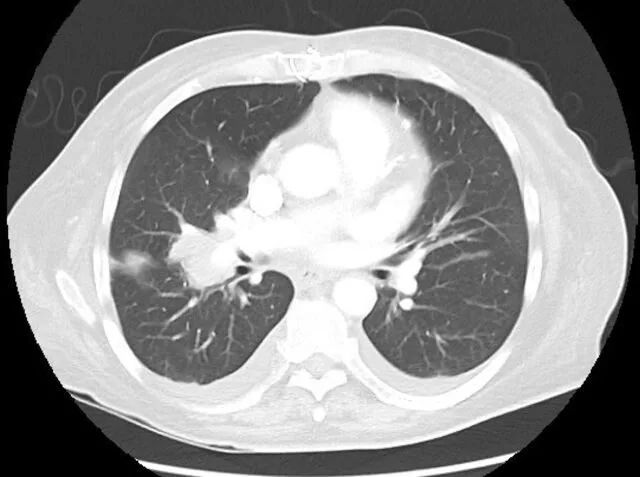
A patient, who was diagnosed with Small Cell Lung CancerLung Cancer

Rare small cell lung cancer subtype removed by surgery

Patient Info: Anonymized, Male

Biomarkers: Cytokeratin-negative; focal TTF-1-positive; Napsin A-negative; electron microscopy showed neurosecretory granules; EWSR1 and SS18 rearrangement testing negative

Follow-up scans found no residual, recurrent or metastatic lung cancer, and he was doing well.

PubMed Central
OutcomeCancer-Free / NED
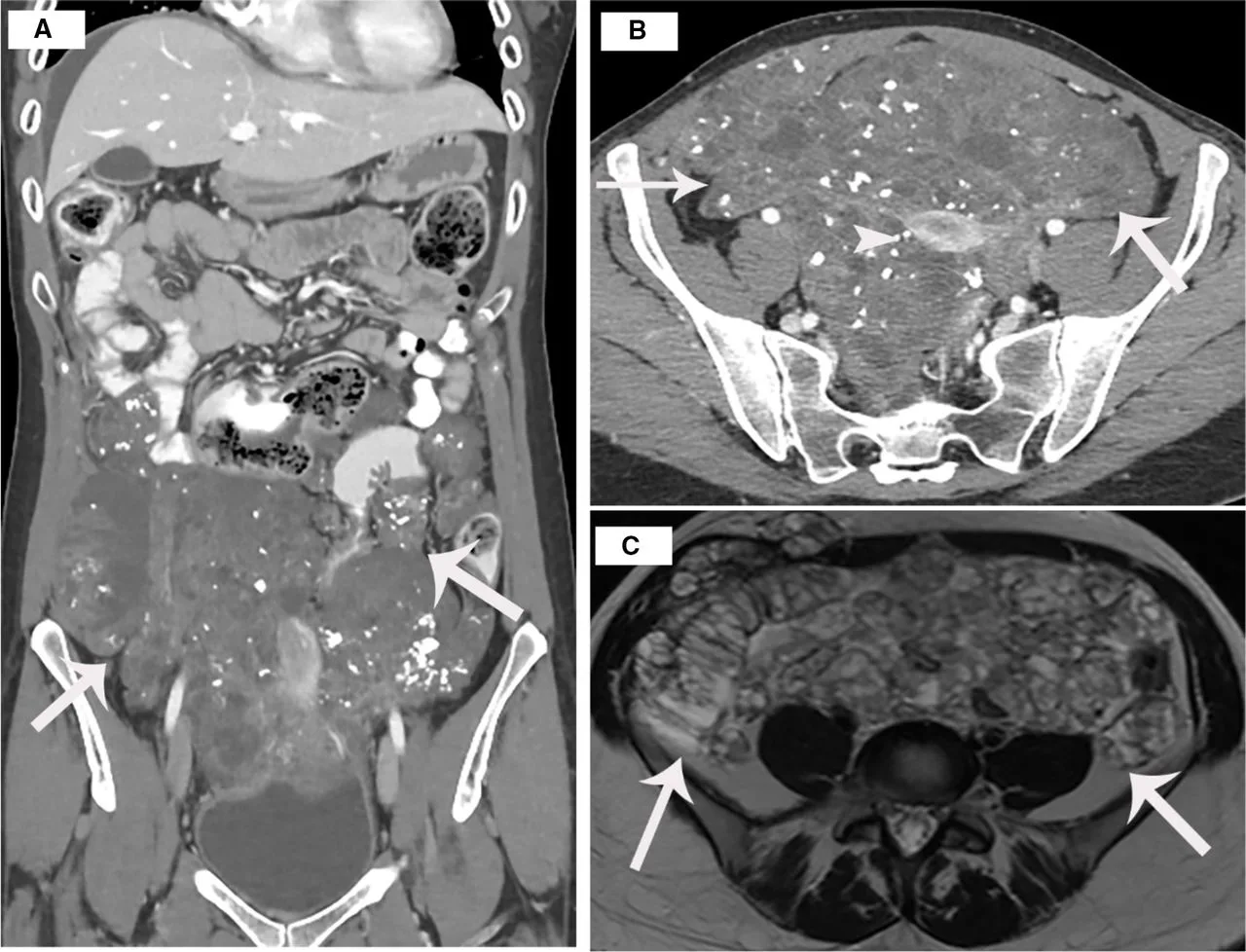
A patient, who was diagnosed with Ovarian CancerOvarian Cancer

Growing Masses After Chemotherapy for an Ovarian Germ Cell Tumor

Patient Info: Anonymized, Female, Under 40

Biomarkers: AFP 581.2 ng/mL and CA-125 74.3 U/mL after surgery

Despite 6 chemotherapy cycles and normalization of AFP, abdominal and pelvic masses continued to grow while CA-125 and CEA increased. She sought a second opinion and underwent imaging and biopsy of an abdominal mass.

PubMed Central
OutcomeSetback / Progression
Felipe, who was diagnosed with Stage III Testicular CancerTesticular Cancer

Stage III Testicular Cancer: Felipe's Survivor Story

Patient Info: Felipe Soltero, Male, Under 40 | Stage III

Biomarkers: alpha-fetoprotein elevated; lactate dehydrogenase elevated

After surgery and BEP chemotherapy for Stage III metastatic testicular cancer, Felipe was cancer-free for more than 1 year as of October 2022.

City of Hope
OutcomeCancer-Free / NED
IO
Ovarian Cancer

Immature Ovarian Teratoma Followed by Anti-NMDAR Encephalitis

Patient Info: Anonymized, Female

Biomarkers: AFP 67.6 ng/mL; CA-125 89 at presentation

After 4 cycles of chemotherapy, her neurological deficits fully recovered and she could walk independently, with mild stuttering improving through speech therapy.

PubMed Central
OutcomeNot reported
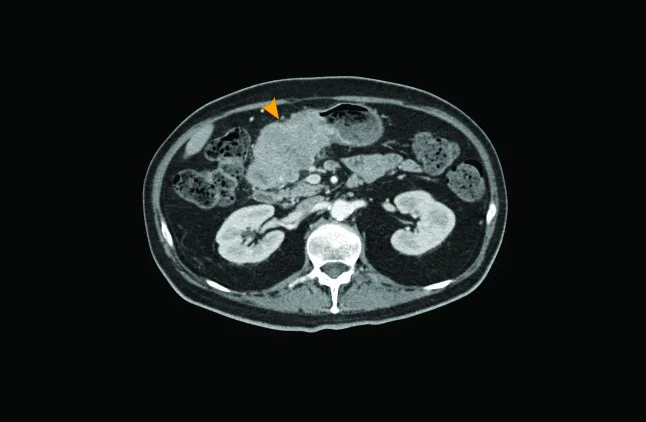
A patient, who was diagnosed with Gastric AdenocarcinomaGastric Cancer

Metastatic Gastric Cancer Causing Severe Hormone-Related Complications

Patient Info: Anonymized, Male, 70+ | Stage Metastatic/Advanced

Biomarkers: HER2 negative; Ki-67 70%; CD56 positive; synaptophysin positive; weak chromogranin expression; ectopic ACTH secretion; elevated serum chromogranin A

Metastatic Site: liver

His liver metastases enlarged despite carboplatin, and his weight loss, appetite, and mobility worsened. He received palliative care during a later admission and died a few days afterward.

PubMed Central
OutcomeIn Memory
SH
Lung Cancer

Severe headache during chemotherapy for small-cell lung cancer

Patient Info: Anonymized, Male, 50s

After the regimen change, he completed five chemotherapy cycles, remained free of severe headache, and had improvement in chest pain, cough, and breathing.

PubMed Central
OutcomeResponding Well
A patient, who was diagnosed with Small Cell Lung CancerLung Cancer

Extensive-stage small cell lung cancer with acquired haemophilia

Patient Info: Anonymized, Female, 60s

Biomarkers: Synaptophysin weakly positive; Ki-67 greater than 90%.

Her small cell lung cancer remained stable on imaging one month before her death, which followed aseptic meningitis after intravenous immunoglobulin treatment for autoimmune myasthenia gravis.

PubMed Central
OutcomeIn Memory
A patient, who was diagnosed with Small Cell Lung CancerLung Cancer

Small-Cell Lung Cancer First Appeared as Rapidly Worsening Nerve Damage

Patient Info: Anonymized, Female, 60s

Biomarkers: Anti-Hu-positive; anti-CV2/CRMP5-positive; anti-SOX1-positive

Despite six cycles of carboplatin and etoposide and intensive treatment for the paraneoplastic neuropathy, her neurological condition progressed; after a thrombocytopenia-related brain haemorrhage, she entered palliative care and died within weeks.

PubMed Central
OutcomeIn Memory
A patient, who was diagnosed with Stage IV Small Cell Lung CancerLung Cancer

Late-onset mania revealed advanced small cell lung cancer

Patient Info: Anonymized, Male, 50s | Stage IV

Biomarkers: ACTH-producing tumor with ACTH 776 pg/mL and morning cortisol 206.8 micrograms/dL.

Metastatic Site: right lung; liver

He died a few months after diagnosis from aspiration pneumonia and multiorgan failure in the setting of rapidly deteriorating stage IV small cell lung cancer.

PubMed Central
OutcomeIn Memory
A patient, who was diagnosed with Small Cell Lung CancerLung Cancer

Small cell lung cancer found through a disabling paraneoplastic neuropathy

Patient Info: Anonymized, Female, 60s

Biomarkers: Anti-CRMP5 antibody-positive.

She completed chemotherapy and radiation and entered oncology follow-up, while the disabling sensory and motor neuropathy persisted and rehabilitation continued.

PubMed Central
OutcomeCare Ongoing
A patient, who was diagnosed with Stage IV Small Cell Lung CancerLung Cancer

Stage IV Small Cell Lung Cancer Causing Severe Cushing Syndrome

Patient Info: Anonymized, Male, 40s | Stage IV

Biomarkers: Ectopic ACTH secretion with markedly elevated ACTH and cortisol

Metastatic Site: liver|bones

The cancer and hormone syndrome progressed after an initial response, and he died after cardiopulmonary arrest 1 year after diagnosis.

PubMed Central
OutcomeIn Memory
A patient, who was diagnosed with Small Cell Lung CancerLung Cancer

Small cell lung cancer found after severe digestive and neurologic symptoms

Patient Info: Anonymized, Male, 50s

Biomarkers: ANNA-1 positive at 1:61, 440; neuronal acetylcholine receptor antibody 0.05 nmol/L

His speech and strength improved with treatment, and PET/CT 4 months after the initial assessment showed no recurrent or metastatic lung cancer.

PubMed Central
OutcomeResponding Well