Etoposide: 77 Real Stories

77 stories match etoposide. 76 of them mention chemotherapy.

A patient, who was diagnosed with Small Cell Lung CancerLung Cancer

Limited-stage small cell lung cancer with no recurrence after 14 years

Patient Info: Anonymized, Female, 60s

Biomarkers: SCLC markers: CD56/TTF-1 positive. Essential thrombocythemia had JAK2 . Cancer predisposition gene testing was negative.

More than 14 years after limited-stage SCLC diagnosis, surveillance imaging confirmed no recurrence, while essential thrombocythemia remained controlled with weekly Pegasys.

PubMed Central
OutcomeCancer-Free / NED
A patient, who was diagnosed with Stage IV Small Cell Lung CancerLung Cancer

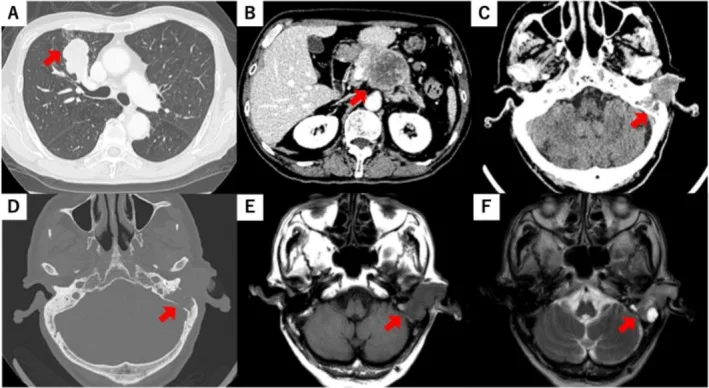
Small Cell Lung Cancer That Spread to the Ear Canal

Patient Info: Anonymized, male, 70+ | Stage IV

Metastatic Site: external auditory canal, middle ear, pancreas, bone

The metastatic lesions initially shrank and his hearing and ear pain improved, but he died 15 months after diagnosis.

PubMed Central
OutcomeIn Memory
A patient, who was diagnosed with Stage IV Breast CancerBreast Cancer

Metastatic Neuroendocrine Breast Cancer With Severe Hormone Overproduction

Patient Info: Anonymized, Female, Under 40 | Stage IV

Biomarkers: ER-negative, PR focally positive, HER2-negative, PIK3CA mutation

Metastatic Site: liver, bone

Died after rapid deterioration and cardiac arrest during progressive metastatic disease.

PubMed Central
OutcomeIn Memory
A patient, who was diagnosed with Stage IV Small Cell Lung CancerLung Cancer

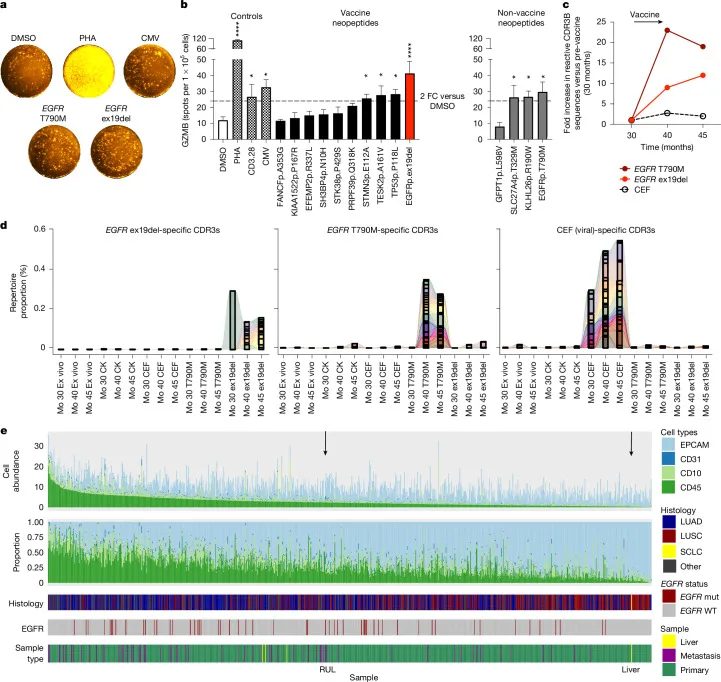
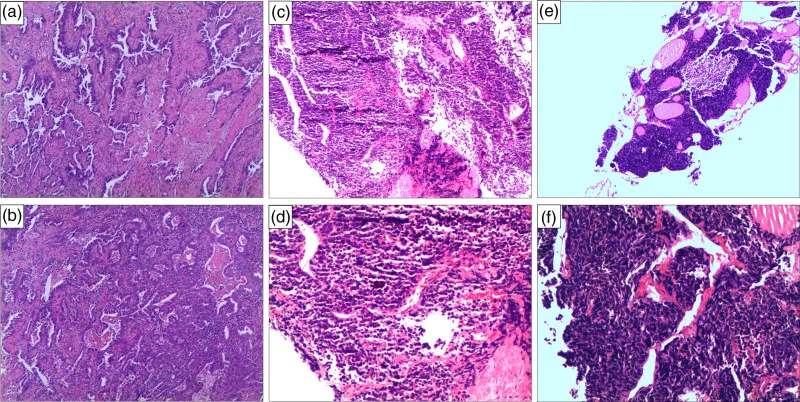
EGFR-Mutant Lung Adenocarcinoma That Transformed to Small Cell Lung Cancer

Patient Info: Anonymized, female, 40s | Stage IV

Biomarkers: EGFR exon 19 deletion; acquired EGFR T790M mutation

Metastatic Site: liver

The cancer progressed after transformation to small cell lung cancer, and she died 49 months after the original diagnosis.

PubMed Central
OutcomeIn Memory
A patient, who was diagnosed with Stage IV Small Cell Lung CancerLung Cancer

EGFR-Mutant Lung Adenocarcinoma That Transformed to Small Cell Lung Cancer

Patient Info: Anonymized, female, 40s | Stage IV

Biomarkers: EGFR exon 19 deletion

Metastatic Site: brain, adrenal gland, liver, thyroid

The cancer progressed after small-cell transformation with adrenal, thyroid, liver and brain involvement, and she died 52.7 months after the original diagnosis from disease progression and organ failure.

PubMed Central
OutcomeIn Memory
A patient, who was diagnosed with Stage IV Small Cell Lung CancerLung Cancer

Stage 4 small cell lung cancer with paraneoplastic neurological syndrome

Patient Info: Anonymized, Female, 60s | Stage IV

Biomarkers: Paraneoplastic antibody panel positive for anti-Hu, anti-AMPH, anti-Ri

Metastatic Site: left axillary lymph nodes

Over 2 years of follow-up, CT showed stable complete response, tumor markers stayed normal, no new metastases appeared, and neurological symptoms did not worsen.

PubMed Central
OutcomeCancer-Free / NED
A patient, who was diagnosed with Stage IV Small Cell Lung CancerLung Cancer

ALK-Fusion Small Cell Lung Cancer Responding to ALK-Targeted Therapy

Patient Info: Anonymized, female, 40s | Stage IV

Biomarkers: EML4-ALK fusion

Metastatic Site: brain

After several earlier treatments stopped controlling the cancer, ALK-targeted iruplinalkib produced a partial response and was still controlling disease after more than 8 months.

PubMed Central
OutcomeResponding Well
A patient, who was diagnosed with Stage III Small Cell Lung CancerLung Cancer

Stage III small cell lung cancer with paraneoplastic optic disc swelling

Patient Info: Anonymized, Male, 70+ | Stage III

Biomarkers: anti-CV2/CRMP-5 positive; anti-Hu positive

Eighteen months after diagnosis, there was no evidence of cancer recurrence. Optic disc swelling had fully resolved after steroid treatment, with preserved visual function.

PubMed Central
OutcomeCancer-Free / NED
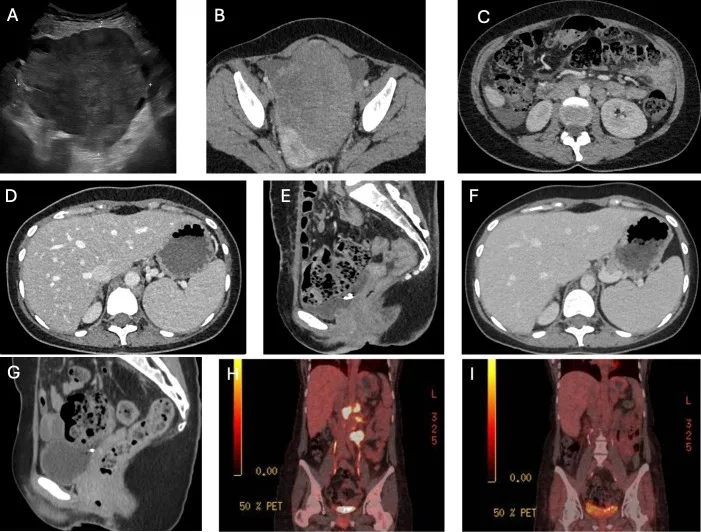
A patient, who was diagnosed with Stage III Small Cell Lung CancerOvarian Cancer

Small Cell Ovarian Cancer Causing Acute Kidney Injury

Patient Info: Anonymized, Female | Stage III

Biomarkers: Somatic SMARCA4 alterations; no germline SMARCA4 pathogenic variant

Combined pembrolizumab, carboplatin, and paclitaxel was continued after marked radiologic improvement, with an excellent PET-CT response documented after 13 cycles.

PubMed Central
OutcomeResponding Well
A patient, who was diagnosed with Stage IV Small Cell Lung CancerLung Cancer

Stage IV small cell lung cancer: no abnormality after chemotherapy, radiotherapy, and TCM follow-up

Patient Info: Anonymized, Male, 60s | Stage IV

Metastatic Site: bilateral lungs; left supraclavicular lymph nodes;…

After chemotherapy, radiotherapy, supportive care, and longitudinal TCM follow-up, imaging showed disappearance of the main lung, nodal, and intrapulmonary lesions, with no abnormality found after 4 years of follow-up.

PubMed Central
OutcomeCancer-Free / NED
A patient, who was diagnosed with Small Cell Lung CancerLung Cancer

Limited-stage SCLC with paraneoplastic syndrome: complete response

Patient Info: Anonymized, Female, 50s

Biomarkers: SCLC markers: TTF-1 and synaptophysin positive, Ki-67 ~85%; anti-CV2/CRMP5 and anti-SOX1 antibodies positive.

Remission at 6 years after carboplatin/etoposide chemotherapy, thoracic radiation, and prophylactic cranial irradiation for limited-stage SCLC with paraneoplastic cerebellar degeneration.

PubMed Central
OutcomeCancer-Free / NED
A patient, who was diagnosed with Stage IV Small Cell Lung CancerLung Cancer

Small Cell Lung Cancer With Rapidly Progressive Paraneoplastic Neuropathy

Patient Info: Anonymized, male, 50s | Stage IV

Metastatic Site: adrenal glands

Despite a partial tumor response, severe ascending motor and sensory neuropathy progressed to respiratory compromise. He chose supportive care and died 3 weeks after the neurologic symptoms began.

PubMed Central
OutcomeIn Memory
A patient, who was diagnosed with Stage IV Small Cell Lung CancerLung Cancer

Lung Adenocarcinoma That Transformed to Small Cell Cancer After Recurrence

Patient Info: Anonymized, male, 60s | Stage IV

Biomarkers: PD-L1 1%-24%; no druggable driver alteration identified

Metastatic Site: brain, liver

After treatment for the small-cell-transformed recurrence, the liver metastases showed sustained regression and progression-free survival had reached 13 months by September 2024.

PubMed Central
OutcomeResponding Well
A patient, who was diagnosed with Stage IV Small Cell Lung CancerSmall-cell Esophageal Cancer

Stage IV small-cell esophageal cancer: initial complete response before brain, lung, liver, and adrenal progression

Patient Info: Anonymized, Female, 60s | Stage IV

Biomarkers: pancytokeratin and CD56; PD-L1 TPS 5%; later lung lesion Ki-67 80%.

Metastatic Site: abdominal lymph nodes, brain, lung, liver, right…

After an extended initial complete response, she developed progressive metastatic disease involving brain, lung, liver, and right adrenal gland; whole-brain radiation and lurbinectedin were started, but septic shock and acute hypoxic respiratory failure with ARDS led to comfort care.

PubMed Central
OutcomeSetback / Progression
A patient, who was diagnosed with Stage IV Non-Small Cell Lung CancerLung Cancer

Stage IV lung cancer: brain metastasis complete response after chemoimmunotherapy

Patient Info: Anonymized, Male, 60s | Stage IV

Biomarkers: KRAS-mutated; BRG-1 partial loss; PD-L1 TPS 5%; CPS 20

Metastatic Site: brain (right cerebellar hemisphere)

The right cerebellar brain metastasis completely resolved and chest CT showed only postsurgical changes after carrelizumab plus paclitaxel/carboplatin; immune-mediated adrenal insufficiency improved with systemic glucocorticoids.

PubMed Central
OutcomeResponding Well
A patient, who was diagnosed with Stage IV Small Cell Lung CancerLung Cancer

Small Cell Lung Cancer With Paraneoplastic Cushing Syndrome Treated With Immunochemotherapy

Patient Info: Anonymized, male, 60s | Stage IV

Biomarkers: PD-L1 negative; low tumor mutation burden; microsatellite stable

Metastatic Site: liver, abdominal wall, left ilium

He lived 20 months after diagnosis. After repeated treatment responses and later progression, he died in September 2023 from respiratory and cardiac failure during a severe infection following treatment-related myelosuppression.

PubMed Central
OutcomeIn Memory
A patient, who was diagnosed with Stage IV Small Cell Lung CancerLung Cancer

Stage 4 small-cell lung cancer: ongoing response to immunotherapy

Patient Info: Anonymized, Male, 50s | Stage IV

Biomarkers: PD-L1-negative

Metastatic Site: liver, bone, brain

Extensive-stage small-cell lung cancer had complete response in the primary lung, liver, bone, and treated brain lesions, with partial response in hilar/mediastinal nodes; after about 20 months of serplulimab-based first-line therapy, the patient had no deterioration, no immunotherapy-related adverse effects, and high quality of life.

PubMed Central
OutcomeResponding Well
A patient, who was diagnosed with Stage IV Small Cell Lung CancerLung Cancer

EGFR-mutant lung adenocarcinoma transforming to small cell lung cancer during targeted therapy

Patient Info: Anonymized, Female, 60s | Stage IV

Biomarkers: EGFR exon 19 deletion, TP53 mutation, TMB 11 mut/Mb

Metastatic Site: cervical lymph nodes

At the last follow-up in February 2024, 32 months after diagnosis, she was alive and both the primary lung lesion and cervical lymph-node metastasis had decreased on combined chemotherapy, immunotherapy and targeted therapy.

PubMed Central
OutcomeResponding Well
A patient, who was diagnosed with Stage IV Small Cell Lung CancerLung Cancer

Stage 4 small cell lung cancer: response to carboplatin, etoposide, and atezolizumab

Patient Info: Anonymized, Male, 50s | Stage IV

Biomarkers: CD56-positive; synaptophysin-positive

Metastatic Site: right hilar/mediastinal disease, left adrenal gland,…

Extensive-stage small-cell lung cancer presenting with chronic intestinal pseudo-obstruction improved after 3 cycles of carboplatin, etoposide, and atezolizumab, with PET response and symptomatic improvement; longer-term durability was not reported.

PubMed Central
OutcomeResponding Well
A patient, who was diagnosed with Stage IV Small Cell Lung CancerLung Cancer

Five-year survival with extensive-stage small cell lung cancer on atezolizumab

Patient Info: Anonymized, Male, 50s | Stage IV

Metastatic Site: bilateral lungs, cervical lymph nodes

Five years after diagnosis with extensive-stage small cell lung cancer, he was alive and well on maintenance atezolizumab with no further documented progression after the 2020–2021 rechallenge, reaching 60 months overall survival and about 44 months progression-free survival.

PubMed Central
OutcomeResponding Well