Chemotherapy: 1,904 Real Stories

1,904 stories match chemotherapy. 1,436 of them mention surgery.

Kate, who was diagnosed with Stage IV Breast CancerBreast Cancer

Stage IV Breast Cancer: Kate's Patient Story

Patient Info: Kate, Female, Under 40 | Stage IV

Biomarkers: Hormone-positive

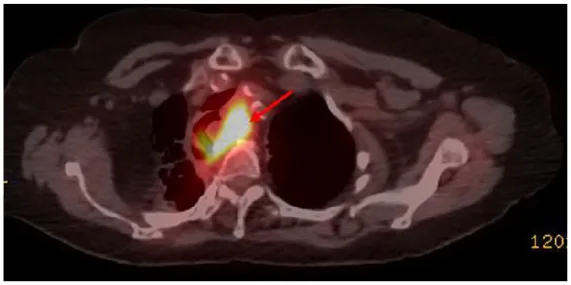
Metastatic Site: Hip bone; lymph nodes near the lungs

Kate remained in active chemotherapy for stage IV disease, with surgery and radiation planned.

The Patient Story
OutcomeCare Ongoing
Kate, who was diagnosed with Stage IV Breast CancerBreast Cancer

Stage IV HR-Positive Breast Cancer: Kate's Patient Story

Patient Info: Kate, Female, Under 40 | Stage IV

Biomarkers: HR-positive

Metastatic Site: lymph nodes near the lungs; chest wall and skin…

Kate was receiving chemotherapy for Stage IV hormone-positive breast cancer, with surgery and radiation discussed as planned next steps but not yet completed in the source.

The Patient Story
OutcomeCare Ongoing
Linda, who was diagnosed with Stage III Colorectal CancerColorectal Cancer

Stage III Colorectal Cancer: Linda's Patient Story

Patient Info: Linda | Stage III

In 2025, Linda was still receiving chemotherapy after radiation therapy for Stage III colorectal cancer and was awaiting post-treatment imaging.

Our Cancer Stories
OutcomeCare Ongoing
A patient, who was diagnosed with Stage II Lung Squamous Cell CarcinomaLung Cancer

Stage IIIA squamous lung cancer: surgery after nivolumab-related complications

Patient Info: Anonymized, Female, 70+ | Stage II

Biomarkers: PD-L1 TPS 99% before treatment; PD-L1 TPS 70% in postoperative hilar lymph node; TPOAb and TgAb normal during thyroiditis workup

As of January 2025, the patient had no recurrence 7 months after neoadjuvant nivolumab/carboplatin/paclitaxel and 5 months after thoracoscopic right upper lobectomy with lymph node dissection.

PubMed Central
OutcomeCancer-Free / NED
A patient, who was diagnosed with Stage IV Gastric AdenocarcinomaGastric Cancer

Gastric cancer recurring in the rectum about 20 months after gastrectomy

Patient Info: Anonymized, Male, 60s | Stage IV

Metastatic Site: rectum, peritoneum

Metastatic gastric adenocarcinoma involved the rectum and pericolonic fat, with peritoneal nodules seen at surgery. He died 6 months after the rectal operation.

PubMed Central
OutcomeIn Memory
A patient, who was diagnosed with Stage IV Breast CancerBreast Cancer

HER2-Positive Breast Cancer With Metastatic Progression and Drug-Induced Lupus During T-DM1

Patient Info: Anonymized, Female, 50s | Stage IV

Biomarkers: ER-positive, PR-negative, HER2-positive

Metastatic Site: bones, axillary lymph nodes, intra-abdominal lymph…

More than 5 years after her March 2018 diagnosis, she was living with metastatic breast cancer, but T-DM1 had been stopped after disease progression in 2023.

PubMed Central
OutcomeSetback / Progression
A patient, who was diagnosed with Stage III Lung Squamous Cell CarcinomaLung Cancer

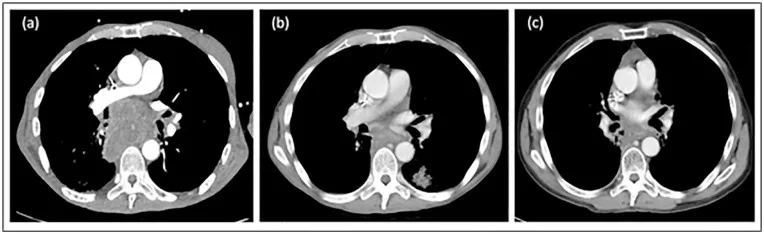
Stage 3 squamous cell lung cancer: major response to chemo-immunotherapy

Patient Info: Anonymized, Male, 70+ | Stage III

Biomarkers: PD-L1 30-40%

After neoadjuvant chemoimmunotherapy and sleeve right lower lobectomy, pathology showed major pathological response with negative margins, and no metastasis or recurrence was observed 6 months after surgery.

PubMed Central
OutcomeCancer-Free / NED
A patient, who was diagnosed with Stage I Invasive Ductal CarcinomaBreast Cancer

Stage I triple-negative solid basaloid adenoid cystic breast cancer treated with mastectomy and oral chemotherapy

Patient Info: Anonymized, Female, 70+ | Stage I

Biomarkers: Current tumor was triple-negative with high Ki-67 and c-kit/CK7 staining. Prior breast cancer was ER-positive, HER2-positive, PR-negative.

One year after mastectomy and postoperative tegafur-gimeracil-oteracil potassium, she was recovering well without signs of metastasis.

PubMed Central
OutcomeSurvivorship / Completed Treatment
A patient, who was diagnosed with Stage IV Small Cell Lung CancerLung Cancer

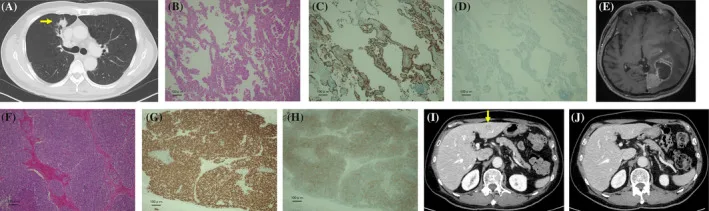
Lung Adenocarcinoma That Transformed to Small Cell Cancer After Recurrence

Patient Info: Anonymized, male, 60s | Stage IV

Biomarkers: PD-L1 1%-24%; no druggable driver alteration identified

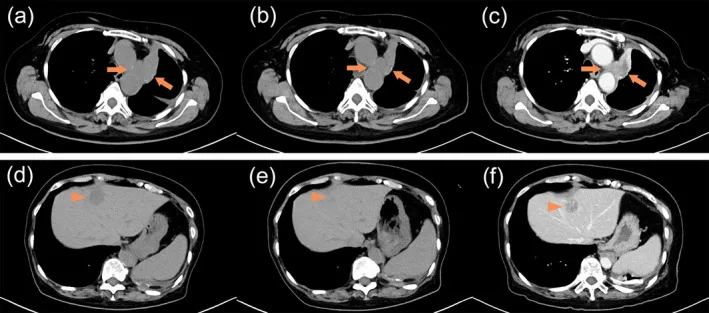
Metastatic Site: brain, liver

After treatment for the small-cell-transformed recurrence, the liver metastases showed sustained regression and progression-free survival had reached 13 months by September 2024.

PubMed Central
OutcomeResponding Well
A patient, who was diagnosed with Stage IV Lung Squamous Cell CarcinomaLung Cancer

Stage IVA pulmonary squamous cell carcinoma with nasal and bone metastases: response after paclitaxel, carboplatin, and tislelizumab

Patient Info: Anonymized, Male, 50s | Stage IV

Biomarkers: PD-L1 15%

Metastatic Site: nasal region/skin; bone (left acromion)

The lung tumor and nasal metastasis regressed after paclitaxel/carboplatin plus tislelizumab, symptoms improved, no immune-related pneumonitis/colitis/hepatitis occurred, and progression-free survival exceeded 12 months.

PubMed Central
OutcomeResponding Well
A patient, who was diagnosed with Stage IV Small Cell Lung CancerSmall-cell Esophageal Cancer

Stage IV small-cell esophageal cancer: initial complete response before brain, lung, liver, and adrenal progression

Patient Info: Anonymized, Female, 60s | Stage IV

Biomarkers: pancytokeratin and CD56; PD-L1 TPS 5%; later lung lesion Ki-67 80%.

Metastatic Site: abdominal lymph nodes, brain, lung, liver, right…

After an extended initial complete response, she developed progressive metastatic disease involving brain, lung, liver, and right adrenal gland; whole-brain radiation and lurbinectedin were started, but septic shock and acute hypoxic respiratory failure with ARDS led to comfort care.

PubMed Central
OutcomeSetback / Progression
A patient, who was diagnosed with Stage IV Lung AdenocarcinomaLung Cancer

MET Y1003N-Mutant Lung Adenocarcinoma Responding to Tepotinib

Patient Info: Anonymized, female, 60s | Stage IV

Biomarkers: MET mutation

Metastatic Site: bone

Tepotinib produced an 8-month response after many earlier treatments, but the cancer later recurred and she died about 3 years after treatment began.

PubMed Central
OutcomeIn Memory
A patient, who was diagnosed with Stage IV Colorectal AdenocarcinomaColorectal Cancer

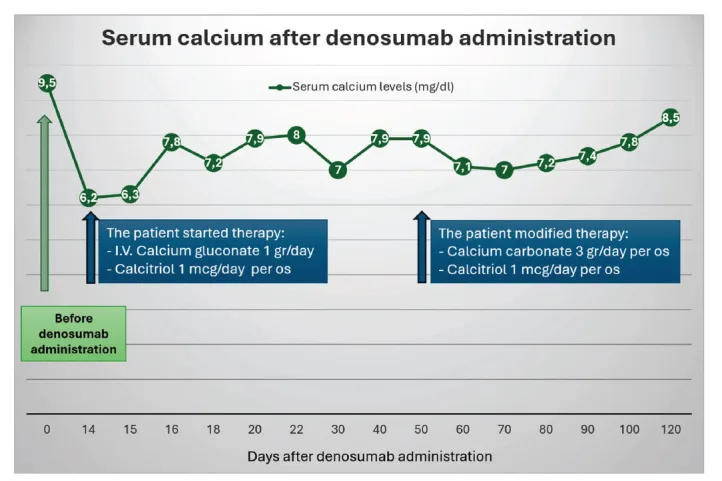
Metastatic Colorectal Cancer With Severe Hypocalcemia After Denosumab

Patient Info: Anonymized, male, 70+ | Stage IV

Biomarkers: MLH1, PMS2, MSH2 and MSH6 retained; DPYD wild type

Metastatic Site: bone, liver

Bone imaging in November 2023 showed progression with more extensive skeletal involvement while he remained under care for metastatic colorectal cancer.

PubMed Central
OutcomeSetback / Progression
MB
Breast Cancer

Metastatic breast cancer with receptor evolution: sequential endocrine, immunotherapy, CDK4/6, and antibody-drug conjugate treatment

Patient Info: Anonymized, Female, 50s | Stage IV

Biomarkers: Markers changed over time: initial tumor ER-positive/HER2-negative; local recurrence triple-negative/HER2-low; pleural fluid ER-negative.

Metastatic Site: mediastinal lymph nodes, pleura; pulmonary nodules…

More than 7 years after diagnosis, she remained on sequential systemic therapy for metastatic breast cancer, with at least a partial response 3 months after starting sacituzumab govitecan for presumed triple-negative pleural disease.

PubMed Central
OutcomeResponding Well
A patient, who was diagnosed with Stage III Invasive Ductal CarcinomaBreast Cancer

Stage III Breast Cancer Complicated by a Large Liver Abscess

Patient Info: Anonymized, Female, 70+ | Stage III

Biomarkers: ER-positive, HER2-negative

Continuing adjuvant anastrozole and oncology follow-up after mastectomy for Stage III breast cancer.

PubMed Central
OutcomeCare Ongoing
A patient, who was diagnosed with Stage IV Colorectal CancerColorectal Cancer

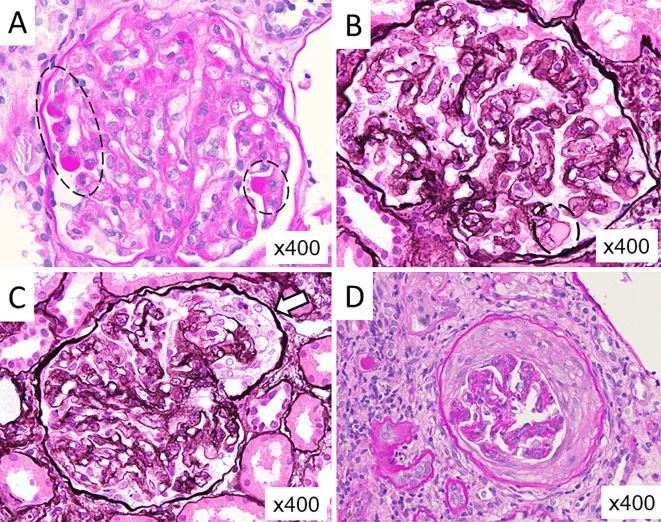
Stage IV cecum cancer with liver and ovarian metastases: ramucirumab-related nephrotic syndrome and glomerular microangiopathy

Patient Info: Anonymized, Female, 50s | Stage IV

Biomarkers: Cancer biomarkers were not reported. Kidney injury workup showed severe protein leakage and biopsy-proven glomerular microangiopathy.

Metastatic Site: liver, right ovary

The liver metastasis shrank after XELOX plus bevacizumab and metastatic liver/ovarian sites were resected, but ramucirumab-based second-line therapy was stopped after nephrotic syndrome and severe glomerular microangiopathy; blood pressure and proteinuria improved with telmisartan.

PubMed Central
OutcomeCare Ongoing
A patient, who was diagnosed with Stage II Lung Squamous Cell CarcinomaLung Cancer

Stage IIB squamous cell lung cancer: pathological complete response after chemo-immunotherapy and surgery

Patient Info: Anonymized, Male, 60s | Stage II

Biomarkers: PD-L1 >85%; P40-positive; TTF-1-negative; CEA 1.2 ng/mL; cytokeratin 19 fragments 1.7 ng/mL; pro-gastrin-releasing peptide 54 pg/mL

No recurrence for 1 year and 7 months without further treatment after transbronchoscopic resection, pembrolizumab-based chemoimmunotherapy, pneumonitis management, and sleeve resection showing pathological complete response.

PubMed Central
OutcomeCancer-Free / NED
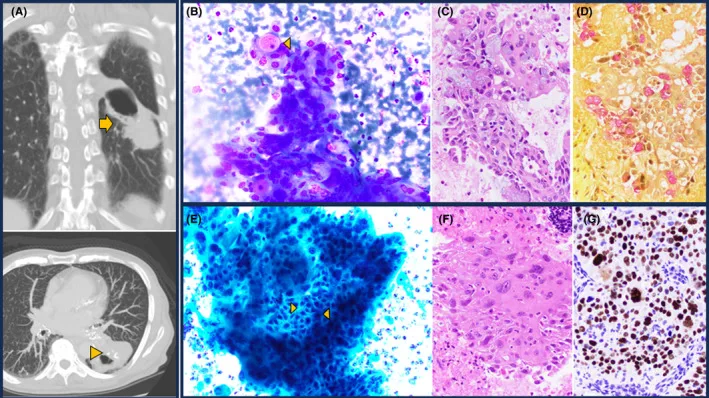
A patient, who was diagnosed with Stage IV Lung Squamous Cell CarcinomaLung Cancer

Stage 4 lung cancer: complete response to chemoimmunotherapy and surgery

Patient Info: Anonymized, Male, 50s | Stage IV

Biomarkers: EGFR exon 20 duplication with PD-L1 TPS 70%; P40/CK5/6 positive squamous markers; Ki-67 60%.

Metastatic Site: right adrenal gland; possible adjacent…

As of May 7, 2024, CT follow-up showed no evidence of disease after chemoimmunotherapy, conversion surgery with pathologic complete response, and pembrolizumab maintenance.

PubMed Central
OutcomeCancer-Free / NED