Chemotherapy: 1,904 Real Stories

1,904 stories match chemotherapy. 1,436 of them mention surgery.

Nicola, who was diagnosed with Stage IV Colorectal AdenocarcinomaColorectal Cancer

Stage IV Colorectal Adenocarcinoma: Nicola's Survivor Story

Patient Info: Nicola, Female | Stage IV

Biomarkers: BRAF: wild-type / non-BRAF colorectal adenocarcinoma

Metastatic Site: Brain

As of January 2025, Nicola had been in remission for 9 months after treatment for Stage IV colorectal cancer with brain metastasis and remained under high-risk monitoring.

The Patient Story
OutcomeCancer-Free / NED
Scott, who was diagnosed with Stage III Colorectal CancerColorectal Cancer

Scott’s Stage 3 Rectal Cancer Story

Patient Info: Scott, Male | Stage III

After surgery and ostomy reversal, Scott described himself as a 2-time cancer survivor and continued an active life.

The Patient Story
OutcomeTreatment Completed / Survivorship
Karen, who was diagnosed with Stage II Invasive Lobular CarcinomaBreast Cancer

Stage II HR-Positive Invasive Lobular Carcinoma: Karen's Survivor Story

Patient Info: Karen, Female, 40s | Stage II

Biomarkers: ER-positive; PR-positive; HER2-negative; grade 2; inherited genetic testing negative

Karen completed double mastectomy, 3 months of chemotherapy and reconstruction. She was doing well on ongoing endocrine and targeted therapy and walking 3–5 miles daily.

Lobular Breast Cancer Alliance
OutcomeCare Ongoing / Survivorship
Stephanie, who was diagnosed with Stage II Non-Small Cell Lung CancerLung Cancer

Stage II ALK Non-Small Cell Lung Cancer: Stephanie's Survivor Story

Patient Info: Stephanie, Female | Stage II

Biomarkers: ALK-rearranged

As of January 2025, Stephanie had clean scans and bloodwork for 3 years after Stage IIB ALK-positive lung adenocarcinoma treated with surgery, 4 rounds of chemotherapy, and ongoing daily targeted therapy.

The Patient Story
OutcomeCancer-Free / NED
A patient, who was diagnosed with Stage III Small Cell Lung CancerLung Cancer

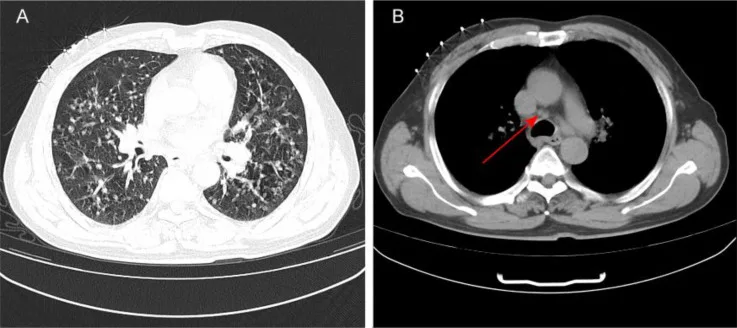
Stage III small cell lung cancer with paraneoplastic optic disc swelling

Patient Info: Anonymized, Male, 70+ | Stage III

Biomarkers: anti-CV2/CRMP-5 positive; anti-Hu positive

Eighteen months after diagnosis, there was no evidence of cancer recurrence. Optic disc swelling had fully resolved after steroid treatment, with preserved visual function.

PubMed Central
OutcomeCancer-Free / NED
Emily, who was diagnosed with Stage IV Colorectal CancerColorectal Cancer

Stage IV HER2-Positive Colorectal Cancer: Emily's Patient Story

Patient Info: Emily King, Female, Under 40 | Stage IV

Biomarkers: HER2-positive

Metastatic Site: lungs

Emily remained on active treatment for metastatic HER2-positive colon cancer, and her current Boston treatment had shrunk the cancer by 20% with fewer side effects.

The Patient Story
OutcomeResponding Well
A patient, who was diagnosed with Stage IV Lung AdenocarcinomaLung Cancer

Metastatic Lung Adenocarcinoma With a Serious Immune-Therapy Pituitary Complication

Patient Info: Anonymized, male, 60s | Stage IV

Biomarkers: No detected EGFR, ALK, ROS1, RET, MET or HER2 alterations

Metastatic Site: brain, meninges, skull, bone, pituitary

The cancer had progressed to extensive brain, skull and bone involvement after several treatments. Steroid treatment improved the severe thirst, high urine output and other symptoms from immune-related hypophysitis.

PubMed Central
OutcomeSetback / Progression
Mark, who was diagnosed with Stage IV Gastric CancerGastric Cancer

Stage IV Gastric Cancer: Mark's Patient Story

Patient Info: Mark Scragg, male, Under 40 | Stage IV

Biomarkers: Lynch syndrome

After 3 months of chemotherapy and immunotherapy, scans showed no sign of the stomach tumor. By the 2025 article, Mark had finished active treatment, felt well, and his cancer was described as remaining largely in remission.

Dana-Farber
OutcomeResponding Well
A patient, who was diagnosed with Stage III Small Cell Lung CancerOvarian Cancer

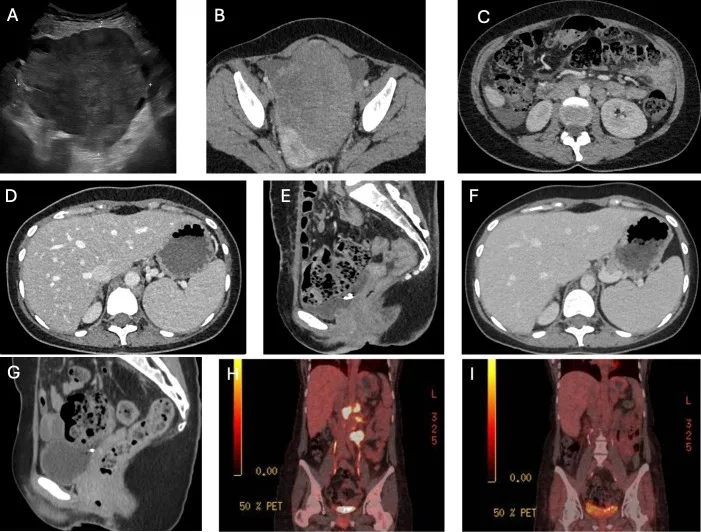
Small Cell Ovarian Cancer Causing Acute Kidney Injury

Patient Info: Anonymized, Female | Stage III

Biomarkers: Somatic SMARCA4 alterations; no germline SMARCA4 pathogenic variant

Combined pembrolizumab, carboplatin, and paclitaxel was continued after marked radiologic improvement, with an excellent PET-CT response documented after 13 cycles.

PubMed Central
OutcomeResponding Well
A patient, who was diagnosed with Stage I Breast CancerBreast Cancer

Stage I ER-positive/HER2-positive breast cancer with radiation-associated morphea

Patient Info: Anonymized, Female, 70+ | Stage I

Biomarkers: ER-positive; PR-negative; HER2-positive

No evidence of breast cancer recurrence after 2018 treatment; ongoing issue was generalized morphea and breast deformity related to prior radiation, improved with mycophenolate by April 2024.

PubMed Central
OutcomeCancer-Free / NED
Nicola, who was diagnosed with Stage IV Colorectal AdenocarcinomaColorectal Cancer

My COLON CANCER Spread to My Brain!

Patient Info: Nicola, Female | Stage IV

Metastatic Site: brain

Nicola described a clear brain MRI after craniotomy and radiation and said she was 9 months in remission, while remaining on high-risk surveillance.

The Patient Story
OutcomeCancer-Free / NED
A patient, who was diagnosed with Stage IV Small Cell Lung CancerLung Cancer

Stage IV small cell lung cancer: no abnormality after chemotherapy, radiotherapy, and TCM follow-up

Patient Info: Anonymized, Male, 60s | Stage IV

Metastatic Site: bilateral lungs; left supraclavicular lymph nodes;…

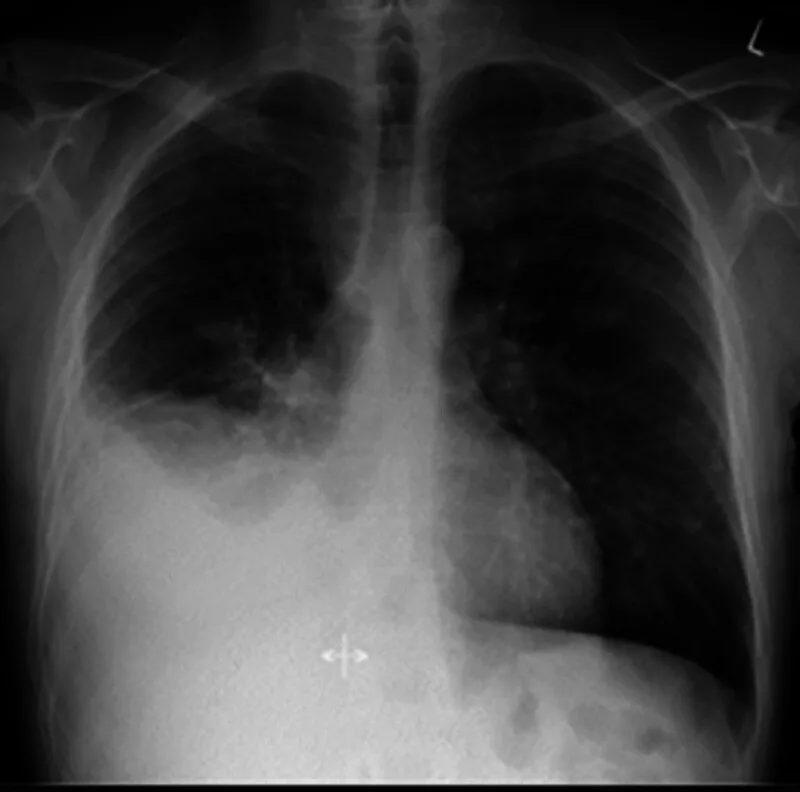
After chemotherapy, radiotherapy, supportive care, and longitudinal TCM follow-up, imaging showed disappearance of the main lung, nodal, and intrapulmonary lesions, with no abnormality found after 4 years of follow-up.

PubMed Central
OutcomeCancer-Free / NED
Stephanie, who was diagnosed with Stage II Lung AdenocarcinomaLung Cancer

Stage II ALK Lung Adenocarcinoma: Stephanie's Patient Story

Patient Info: Stephanie Williams, Female | Stage II

Biomarkers: ALK-rearranged

Stephanie had clean scans nearly 3 years after diagnosis but remained on daily ALK-targeted therapy to reduce recurrence risk.

The Patient Story
OutcomeCare Ongoing
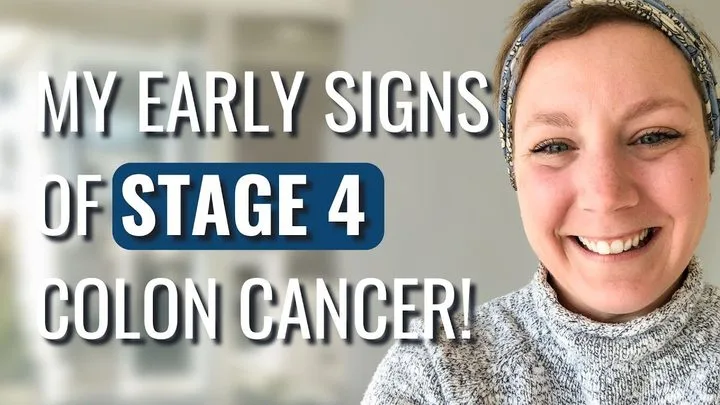
Rachael, who was diagnosed with Stage IV Colorectal CancerColorectal Cancer

How I Found Out I Had Stage 4 Colon Cancer!

Patient Info: Rachael Marie, Female, Under 40 | Stage IV

Metastatic Site: ovaries, liver

Rachael completed 12 cycles of FOLFOX/oxaliplatin; colonoscopy looked clear, liver lesions had shrunk, and no new lesions were reported, with further surgical planning pending.

The Patient Story
OutcomeResponding Well
Rachael, who was diagnosed with Stage IV Colorectal CancerColorectal Cancer

Stage IV Colorectal Cancer: Rachael's Patient Story

Patient Info: Rachael, Female, Under 40 | Stage IV

Metastatic Site: Ovaries; liver

As of January 2025, Rachael had completed intensive chemotherapy for Stage IV sigmoid colon cancer involving the ovaries and liver and was awaiting scans to determine whether liver surgery and HIPEC would be next.

The Patient Story
OutcomeCare Ongoing
A patient, who was diagnosed with Small Cell Lung CancerLung Cancer

Limited-stage SCLC with paraneoplastic syndrome: complete response

Patient Info: Anonymized, Female, 50s

Biomarkers: SCLC markers: TTF-1 and synaptophysin positive, Ki-67 ~85%; anti-CV2/CRMP5 and anti-SOX1 antibodies positive.

Remission at 6 years after carboplatin/etoposide chemotherapy, thoracic radiation, and prophylactic cranial irradiation for limited-stage SCLC with paraneoplastic cerebellar degeneration.

PubMed Central
OutcomeCancer-Free / NED
A patient, who was diagnosed with Breast CancerBreast Cancer

Stage IIIC triple-negative breast cancer with pembrolizumab-related HLH/DIC and pathologic complete response

Patient Info: Anonymized, Female, Under 40

Biomarkers: Triple-negative/HR-negative breast cancer with germline BRCA1 pathogenic mutation. HLH/DIC episode had high IL-6

Surgery confirmed ypT0ypN0 pathologic complete response after neoadjuvant carboplatin, paclitaxel, and pembrolizumab, and she remained recurrence-free while being monitored without additional cancer-directed treatment.

PubMed Central
OutcomeCancer-Free / NED
India, who was diagnosed with Stage II Breast CancerBreast Cancer

Stage II Breast Cancer: India's Survivor Story

Patient Info: India Robinson, Female, 40s | Stage II

As of January 2025, India had completed Stage II breast cancer treatment and had returned to work, the gym and daily life after robotic lymphatic microsurgery resolved breast lymphedema; the story does not explicitly state NED.

Cleveland Clinic
OutcomeSurvivorship / Surveillance
Roshonda, who was diagnosed with Stage IV Colorectal CancerColorectal Cancer

Stage IV Colorectal Cancer: Roshonda's Survivor Story

Patient Info: Roshonda Clark, Female, 40s | Stage IV

Roshonda completed chemoradiation and permanent-colostomy surgery, returned to work, and described living day by day with recurrence worries but no active treatment reported.

The Patient Story
OutcomeSurvivorship / Completed Treatment
Roshonda, who was diagnosed with Stage IV Colorectal CancerColorectal Cancer

Stage IV Colorectal Cancer: Roshonda's Patient Story

Patient Info: Roshonda, Female | Stage IV

Metastatic Site: Lung

As of January 2025, Roshonda was living after treatment for Stage IV rectal cancer with a lung spot, including chemoradiation, IV chemotherapy, and permanent colostomy surgery.

The Patient Story
OutcomeCare Ongoing
A patient, who was diagnosed with Stage IV Lung Squamous Cell CarcinomaLung Cancer

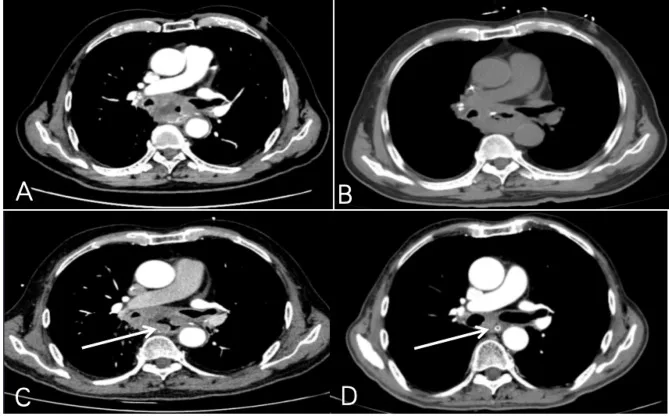
Stage IV Squamous Lung Cancer Complicated by an Esophageal-Mediastinal Fistula

Patient Info: Anonymized, male, 70+ | Stage IV

Metastatic Site: brain, bone

Four months after the fistula was treated conservatively, imaging showed the fistula had resolved and the lung tumor and metastatic hilar nodes had decreased despite no additional antitumor treatment during that interval.

PubMed Central
OutcomeResponding Well
A patient, who was diagnosed with Stage IV Small Cell Lung CancerLung Cancer

Small Cell Lung Cancer With Rapidly Progressive Paraneoplastic Neuropathy

Patient Info: Anonymized, male, 50s | Stage IV

Metastatic Site: adrenal glands

Despite a partial tumor response, severe ascending motor and sensory neuropathy progressed to respiratory compromise. He chose supportive care and died 3 weeks after the neurologic symptoms began.

PubMed Central
OutcomeIn Memory