Carboplatin: 338 Real Stories

338 stories match carboplatin. 332 of them mention chemotherapy.

Erin, who was diagnosed with Stage IV Breast CancerBreast Cancer

Stage IV Triple-Negative Breast Cancer: Erin's Patient Story

Patient Info: Erin, Female | Stage IV

Biomarkers: ER-negative; PR-negative; HER2-negative; later tumor responded to androgen signaling

Metastatic Site: Lung; brain

As of June 2026, Erin was living with metastatic triple-negative breast cancer involving lung and brain, with tumors shrinking on ongoing Gemzar plus carboplatin chemotherapy every 2 weeks.

The Patient Story
OutcomeResponding Well
Montessa, who was diagnosed with Small Cell Lung CancerLung Cancer

Small Cell Lung Cancer: Montessa's Survivor Story

Patient Info: Montessa, Female, Under 40

As of June 2026, Montessa was sharing her recovery after limited-stage small cell lung cancer treatment with concurrent chemotherapy and radiation followed by brain radiation.

The Patient Story
OutcomeSurvivorship / Completed Treatment
Genoa, who was diagnosed with Stage III Breast CancerBreast Cancer

Stage III HER2-Positive Breast Cancer: Genoa's Survivor Story

Patient Info: Genoa M., Female | Stage III

Biomarkers: HER2-positive; ER-positive

As of June 2026, Genoa had completed treatment for Stage III HER2-positive, ER-positive breast cancer with neoadjuvant Taxotere/carboplatin/trastuzumab, lumpectomy, and radiation, and was focused on survivorship and rebuilding life after treatment.

The Patient Story
OutcomeSurvivorship / Completed Treatment
Renee, who was diagnosed with Stage IV Invasive Ductal CarcinomaBreast Cancer

Stage IV HER2-Positive Invasive Ductal Carcinoma: Renee's Patient Story

Patient Info: Renee N., Female | Stage IV

Biomarkers: HER2-positive

Metastatic Site: Brain

As of June 2026, Renee’s public story described living with metastatic HER2-positive breast cancer as a chronic illness, after brain radiation and while on Kadcyla every 3 weeks with stable scans reported in December 2019 and early March 2020.

The Patient Story
OutcomeLiving With Cancer
A patient, who was diagnosed with Non-Small Cell Lung CancerLung Cancer

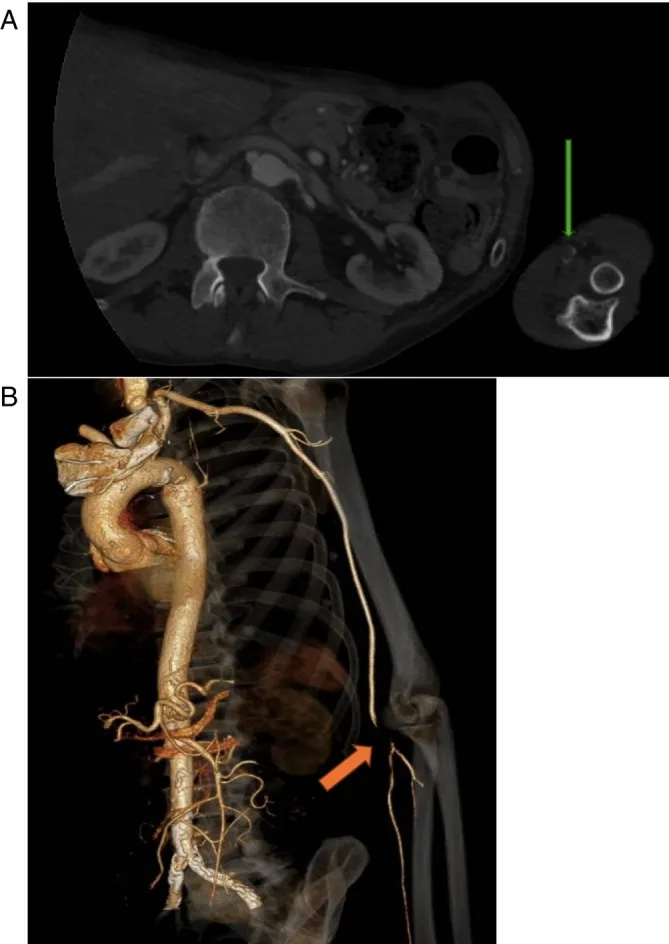
Recurrent squamous lung cancer with tumor emboli, acute limb ischemia, brain metastases, and death

Patient Info: Anonymized, Male, 60s | Stage Metastatic/Advanced

Biomarkers: p40-positive; TTF-1-negative; PD-L1 not expressed / no PD-L1 reported in raw case

Metastatic Site: brain/cerebral metastases; tumor emboli in upper and…

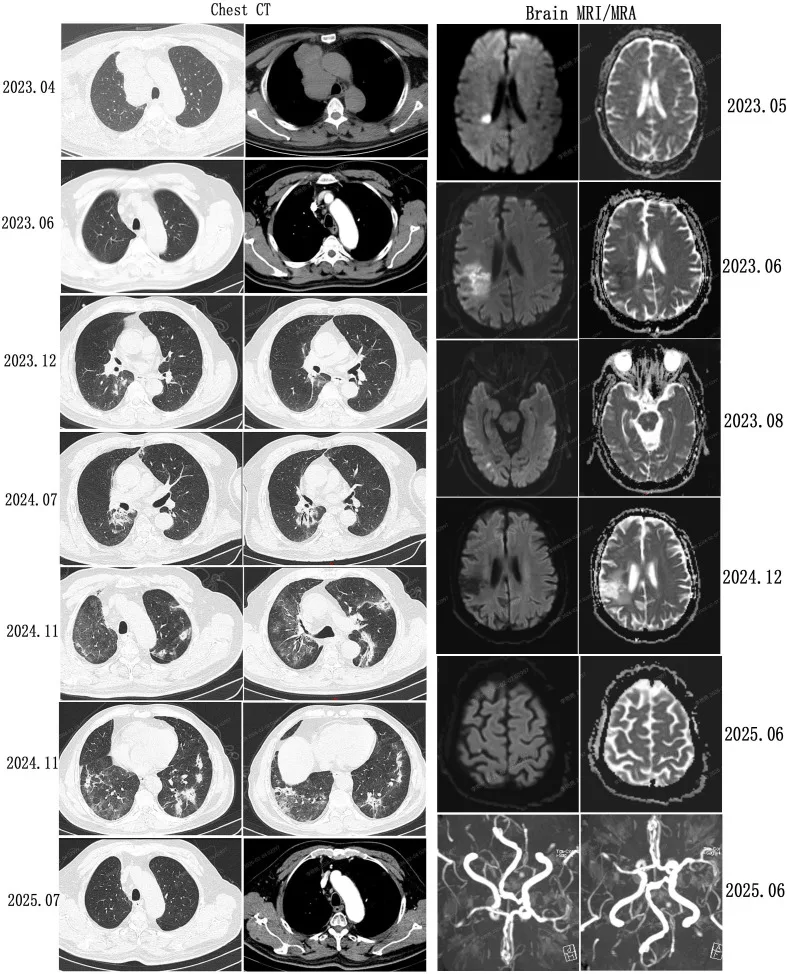
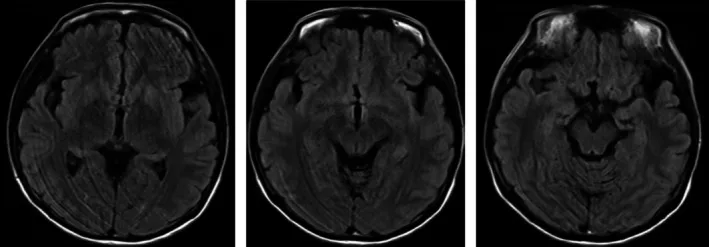
The patient developed recurrent acute limb ischemia from tumor emboli, then new cerebral metastases, and died from advanced disease 7 months after the bilateral lower-limb ischemia presentation.

PubMed Central
OutcomeIn Memory
A patient, who was diagnosed with Stage IV Lung AdenocarcinomaLung Cancer

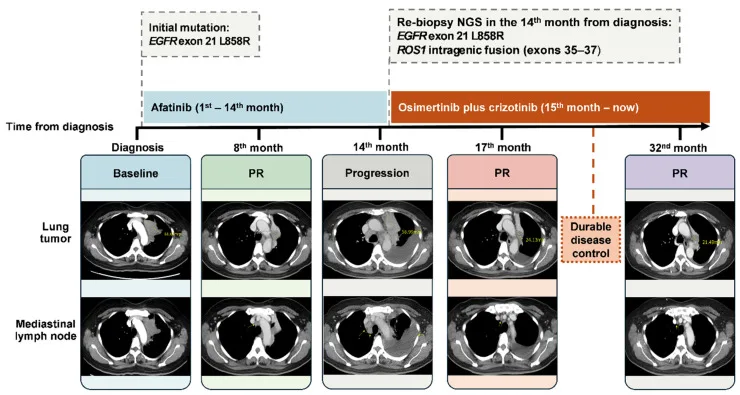
Stage IV EGFR-mutated lung cancer responds after targeted therapy intolerance

Patient Info: Anonymized, Female, 50s | Stage IV

Biomarkers: EGFR L858R mutation; PIK3CA E545K mutation; acquired ROS1 rearrangement

Metastatic Site: pleura|pericardium|bone|lungs

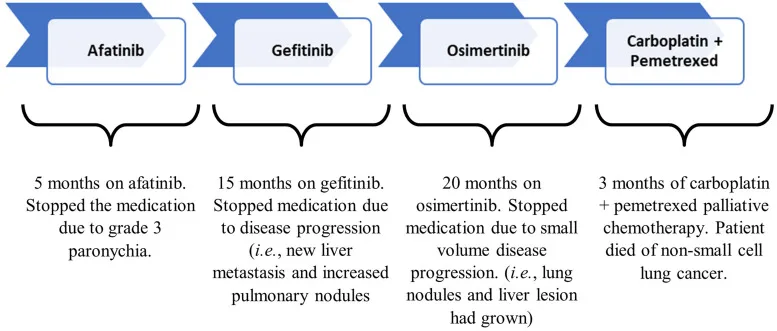
Chemotherapy produced a partial response that remained sustained for 7 months at the latest follow-up.

PubMed Central
OutcomeResponding Well
Caitlin, who was diagnosed with Stage II Ovarian Squamous Cell CarcinomaOvarian Cancer

Stage II Ovarian Squamous Cell Carcinoma: Caitlin's Survivor Story

Patient Info: Caitlin Koehler, female, Under 40 | Stage II

Biomarkers: PD-L1: high expression

After surgery for recurrence, Caitlin remained on maintenance therapy and her follow-up scans showed no evidence of disease.

MD Anderson
OutcomeCancer-Free / NED
A patient, who was diagnosed with Stage IV Breast CancerBreast Cancer

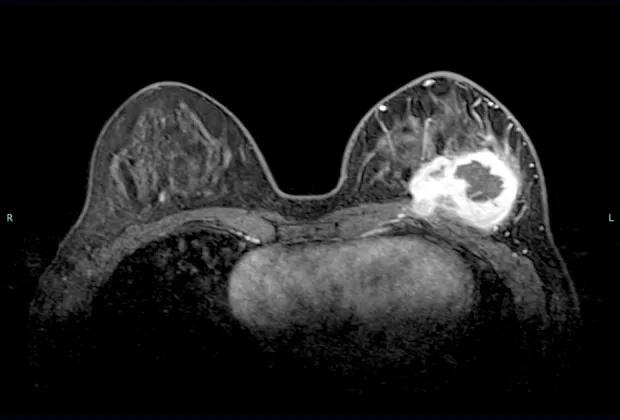
Stage IIB triple-negative metaplastic breast cancer with early metastatic recurrence: durable response to pembrolizumab-based therapy

Patient Info: Anonymized, Female, 50s | Stage IV

Biomarkers: Triple-negative metaplastic breast cancer with PD-L1 CPS 83.2, BRCA1/2 negative

Metastatic Site: lung, sternum

As of May 2026, she had more than 30 months of disease control after pembrolizumab-based therapy for early recurrent metastatic metaplastic breast cancer, with only mild residual sternal uptake and no disease progression.

PubMed Central
OutcomeResponding Well
A patient, who was diagnosed with Stage IV Ovarian AdenocarcinomaOvarian Cancer

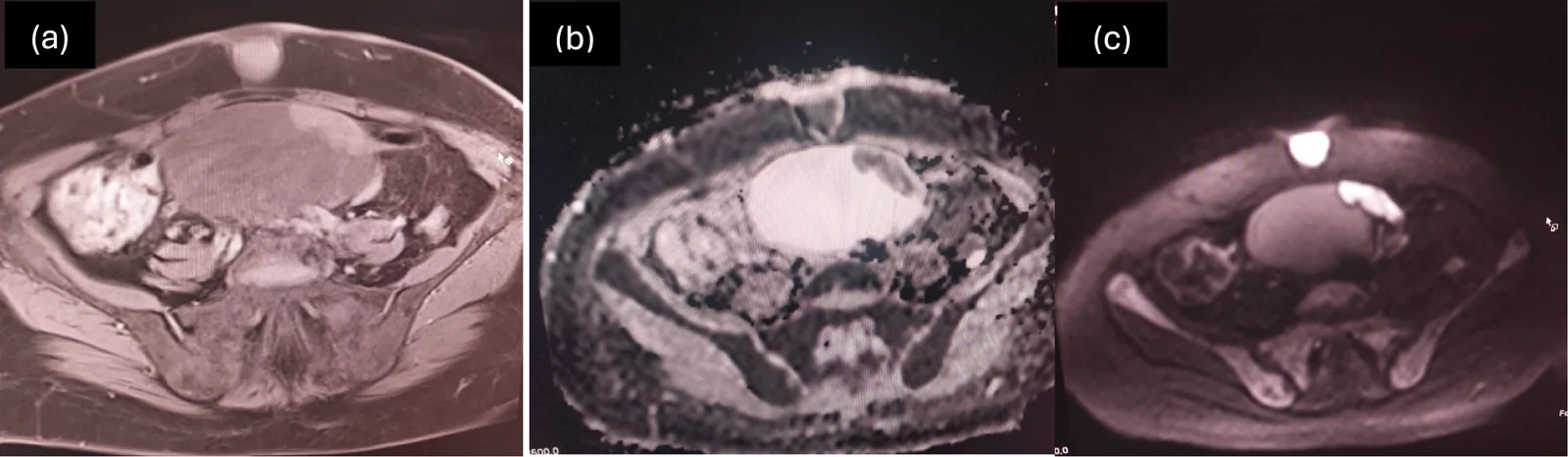
Stage IV Ovarian Cancer First Found Through an Umbilical Metastasis

Patient Info: Anonymized, female, 60s | Stage IV

Biomarkers: WT1-positive; CK7-positive; CA-125 321 U/mL at diagnosis

Metastatic Site: umbilicus

After 9 months of bevacizumab maintenance, her clinical and imaging findings remained stable.

PubMed Central
OutcomeStable Disease
A patient, who was diagnosed with Stage III Ovarian CancerOvarian Cancer

Durable response after multiple treatments for ovarian clear cell cancer

Patient Info: Anonymized, Female, 40s | Stage III

Biomarkers: HRD-positive; BRCA-negative; ARID1A mutation; PD-L1 CPS 30

She achieved a complete response, completed maintenance immunotherapy in May 2024, and continued anlotinib with normal follow-up imaging and tumor markers.

PubMed Central
OutcomeResponding Well
A patient, who was diagnosed with Multiple primary cancers AdenocarcinomaMultiple primary cancers

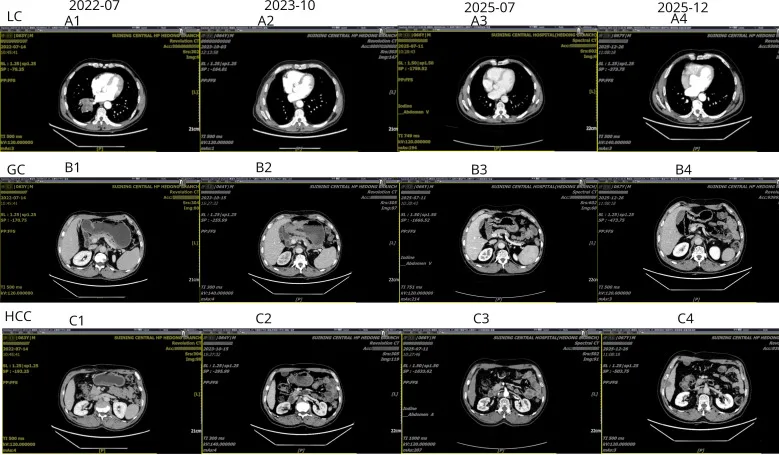
Three separate primary cancers: lung squamous carcinoma, gastric adenocarcinoma, and hepatocellular carcinoma

Patient Info: Anonymized, Male, 60s

Biomarkers: Multiple primaries: lung squamous markers CK5/6 and P40; gastric cancer HER2 negative; liver cancer markers hepatocyte/GPC3/HSP70/CD34.

As of May 2026, all 3 primary cancers were controlled: lung cancer had no recurrence after surgery, gastric cancer remained in sustained remission on sintilimab maintenance, and hepatocellular carcinoma was controlled after ablation; ECOG performance status was 1.

PubMed Central
OutcomeResponding Well
A patient, who was diagnosed with Small Cell Lung CancerLung Cancer

Stage IIIA small-cell lung cancer with anti-NMDAR encephalitis: initial complete response, recurrence, and death

Patient Info: Anonymized, Male, 60s

Biomarkers: CSF positive for anti-NMDAR antibodies; no tumor molecular biomarkers reported

The patient initially had rapid neurologic recovery and complete radiologic response after carboplatin, etoposide, and atezolizumab, but the primary lung lesion recurred 7 months later and he died 21 months after disease onset.

PubMed Central
OutcomeIn Memory
A patient, who was diagnosed with Stage IV Lung Squamous Cell CarcinomaLung Cancer

Stage IV squamous lung cancer with steroid-refractory immune-related gastritis after pembrolizumab

Patient Info: Anonymized, Male, 70+ | Stage IV

Biomarkers: Gastric biopsy during immune gastritis showed CD8-positive lymphocyte inflammation, no cancer

After about 2 years of carboplatin, pemetrexed, and pembrolizumab, lung cancer treatment was stopped because of tumor growth; the later immune-related gastritis improved after escalation to infliximab, while the cancer course remained a setback/progression story.

PubMed Central
OutcomeSetback / Progression
A patient, who was diagnosed with Stage IV Lung Squamous Cell CarcinomaLung Cancer

Stage IV lung cancer response followed by immune-related lung inflammation

Patient Info: Anonymized, Male, 70+ | Stage IV

Biomarkers: EGFR-negative; ALK-negative; ROS1-negative

Metastatic Site: pleura

After the lung inflammation improved, he did not resume tumor-directed chemotherapy, immunotherapy, or radiation and remained generally well.

PubMed Central
OutcomeLiving With Cancer
A patient, who was diagnosed with Stage IV Breast CancerBreast Cancer

Metastatic HER2-positive breast cancer complicated by severe low magnesium

Patient Info: Anonymized, Female, 50s | Stage IV

Biomarkers: HER2-positive

Metastatic Site: bone|lungs|liver|brain

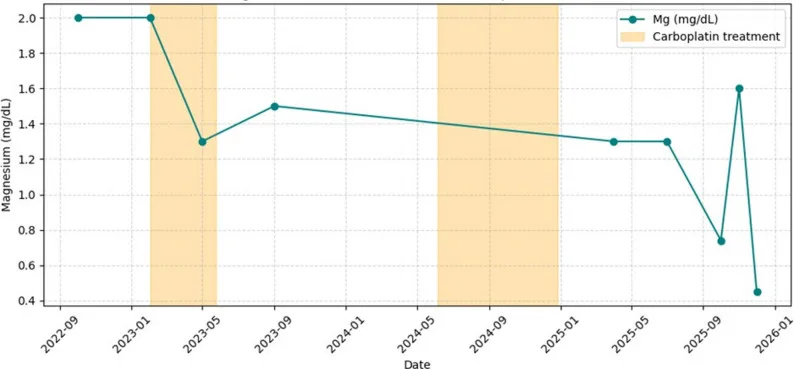
She died during a hospitalization for advanced metastatic breast cancer and severe treatment-related hypomagnesemia, with her final care focused on comfort.

PubMed Central
OutcomeIn Memory
A patient, who was diagnosed with Stage III Lung AdenocarcinomaLung Cancer

Stage IIIA lung adenocarcinoma: major pathological response after neoadjuvant immunochemotherapy, complicated by DILI/TEN

Patient Info: Anonymized, Male, 50s | Stage III

Biomarkers: No lung molecular biomarkers reported

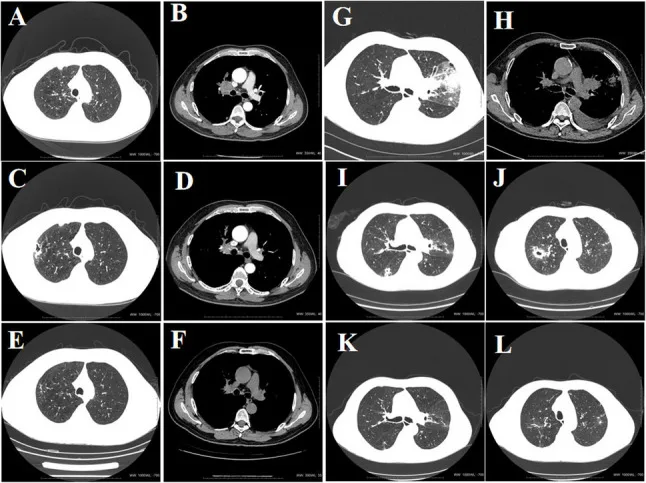
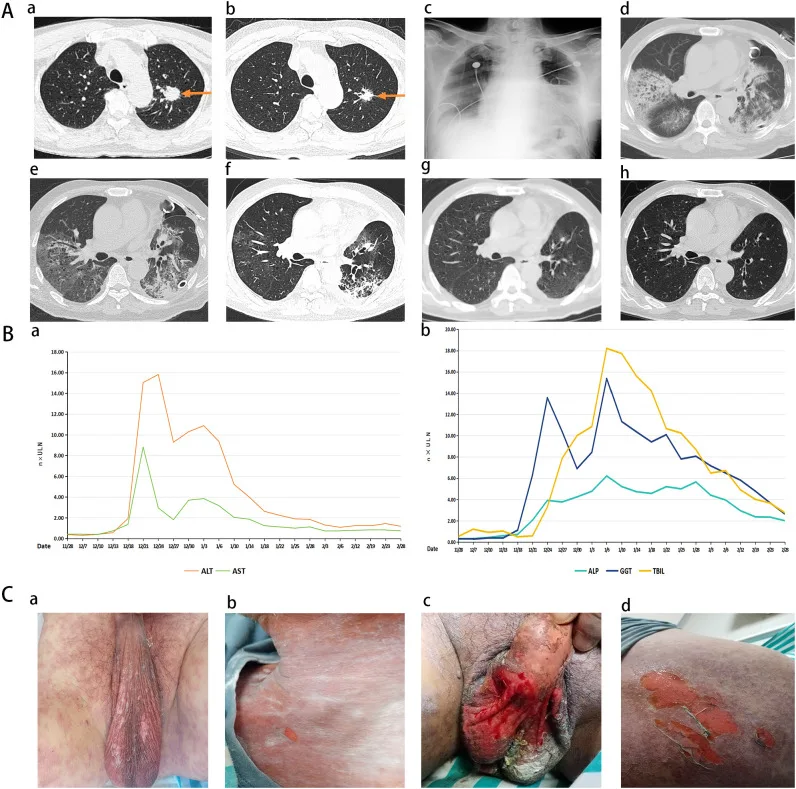
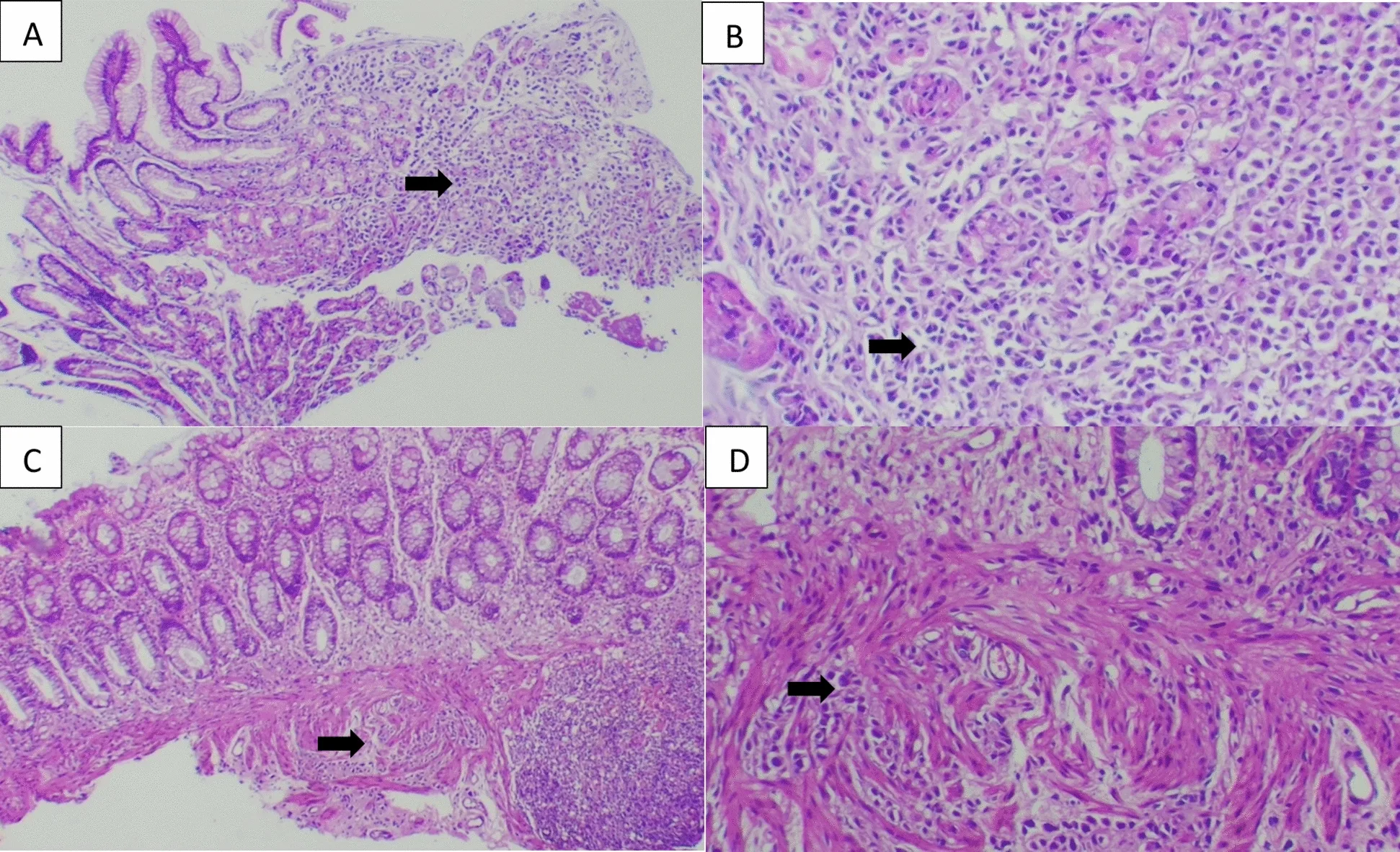
At 23 months after thoracoscopic left upper lobectomy, he was clinically stable with no evidence of tumor recurrence; severe postoperative DILI/TEN had improved after stopping the offending drug and intensive supportive treatment.

PubMed Central
OutcomeCancer-Free / NED
A patient, who was diagnosed with Small Cell Lung CancerLung Cancer

Small-cell lung cancer: envafolimab response complicated by immune-related diabetes, pneumonitis, and later submandibular progression

Patient Info: Anonymized, Male, 60s | Stage Metastatic/Advanced

Biomarkers: ProGRP and NSE were elevated at diagnosis. Tumor molecular biomarkers were not reported; diabetes antibodies were negative.

Metastatic Site: left submandibular region / adjacent lymph nodes

After initial partial response on envafolimab, carboplatin, etoposide, and thoracic radiotherapy, he developed immune-related diabetes, pneumonitis, and progressive left submandibular metastatic disease requiring iodine-125 seeds and later anlotinib.

PubMed Central
OutcomeSetback / Progression
A patient, who was diagnosed with Stage IV Invasive Lobular CarcinomaBreast Cancer

Metastatic invasive lobular breast cancer with stomach, ovarian, peritoneal, rectal, and jejunal spread

Patient Info: Anonymized, Female, 40s | Stage IV

Biomarkers: Primary tumor and gastric metastasis were ER/PR positive and HER2 negative; GATA3 supported breast origin in the metastasis.

Metastatic Site: stomach; ovaries; peritoneum; rectum; jejunum

During 2025, she remained under active oncologic management for metastatic invasive lobular breast cancer with gastrointestinal, ovarian, peritoneal, rectal, and jejunal involvement.

PubMed Central
OutcomeLiving With Cancer
A patient, who was diagnosed with Breast CancerBreast Cancer

Triple-negative breast cancer diagnosed during pregnancy: remission

Patient Info: Anonymized, Female, Under 40

Biomarkers: ER-negative; PR-negative; HER2-negative

The patient remains in remission 30 months after surgery. Immune-related brachial plexopathy after treatment improved after steroids, IVIG, and plasmapheresis, with electrophysiologic resolution and near-complete strength and sensory recovery.

PubMed Central
OutcomeCancer-Free / NED