Carboplatin: 338 Real Stories

338 stories match carboplatin. 332 of them mention chemotherapy.

A patient, who was diagnosed with Stage IV Lung Squamous Cell CarcinomaLung Cancer

Synchronous primary squamous lung cancers: long disease control after multimodal therapy, then Stage IVA lung recurrence

Patient Info: Anonymized, Male, 60s | Stage IV

Biomarkers: Squamous lung cancers with PD-L1 20% and no driver mutation detected; P40/P63 markers supported squamous type.

Metastatic Site: bilateral lung metastases at recurrence

As of November 2025, the patient had achieved 72 months of progression-free survival and remained alive at 75 months, but had developed Stage IVA recurrent pulmonary squamous cell carcinoma with bilateral lung metastases and had restarted systemic therapy.

PubMed Central
OutcomeSetback / Progression
A patient, who was diagnosed with Stage III Invasive Ductal CarcinomaBreast Cancer

Recurrent breast cancer complicated by T-DXd-associated dermatomyositis and interstitial lung disease

Patient Info: Anonymized, Female, 40s | Stage III

Biomarkers: Initial tumor had weak ER/AR, PR-negative, HER2 0. Recurrence became ER/PR/AR-negative, HER2-low, PD-L1 CPS ~30.

The cancer progressed after adjuvant therapy and again after 6 cycles of gemcitabine/carboplatin. Trastuzumab deruxtecan was followed by dermatomyositis features and interstitial pneumonia, with symptoms worsening despite glucocorticoid treatment after continued exposure.

PubMed Central
OutcomeSetback / Progression
A patient, who was diagnosed with Stage IV Breast CancerBreast Cancer

HER2-positive breast cancer: brain recurrence, T-DXd liver injury, and later progression

Patient Info: Anonymized, Female, 40s | Stage IV

Biomarkers: HER2-positive; hormone receptor-negative; grade 3 infiltrative breast carcinoma

Metastatic Site: brain; thoracic lymph nodes

As of October 2025, the patient had developed brain and thoracic nodal recurrence after HER2-directed treatment, experienced T-DXd-associated liver injury, progressed after later paclitaxel/trastuzumab, and died at home in December 2024 under palliative care.

PubMed Central
OutcomeIn Memory
Paul, who was diagnosed with Stage IV Breast CancerBreast Cancer

Stage IV HER2-Positive Breast Cancer: Paul's Patient Story

Patient Info: Paul Forgette, Male, 60s | Stage IV

Biomarkers: HER2-positive; triple-positive breast cancer; CHEK2 mutation

Metastatic Site: Bones; lymph nodes

By October 2025, 9 months after starting Enhertu, Paul’s Stage IV HER2-positive male breast cancer was described as dormant, not cured, with continued City of Hope care and integrative support.

City of Hope
OutcomeCare Ongoing
A patient, who was diagnosed with Metastasizing ameloblastoma involving lung Squamous Cell CarcinomaMetastasizing ameloblastoma involving lung

Metastasizing ameloblastoma involving lung: initially treated as squamous lung cancer

Patient Info: Anonymized, Male, 40s

Biomarkers: Final tumor had AKT1 mutation and BRAF -negative status. Initial testing found no common actionable lung-cancer drivers.

As of October 2025, final pathology had changed the diagnosis from suspected squamous lung cancer to metastasizing ameloblastoma involving the lung, and the patient was under specialist head-and-neck and thoracic follow-up.

PubMed Central
OutcomeCare Ongoing
A patient, who was diagnosed with Stage IV Small Cell Lung CancerLung Cancer

Extensive-stage small-cell lung cancer with serplulimab-associated diabetes: care ongoing

Patient Info: Anonymized, Male, 60s | Stage IV

Biomarkers: Tumor biomarkers not reported. Diabetes workup after immunotherapy: autoantibodies negative, C-peptide very low.

After 11 days in the hospital, diabetic ketoacidosis was controlled; he continued insulin therapy with good glucose control and resumed serplulimab plus levothyroxine.

PubMed Central
OutcomeCare Ongoing
A patient, who was diagnosed with Stage IV Small Cell Lung CancerLung Cancer

Extensive-stage small-cell lung cancer with serplulimab-associated diabetes

Patient Info: Anonymized, Male, 70+ | Stage IV

Biomarkers: Tumor biomarkers not reported. Diabetes autoantibodies were negative, C-peptide was low, and hypothyroidism labs were severe.

After 10 days of hospitalization, diabetic ketoacidosis was controlled; he was discharged on insulin therapy and resumed serplulimab immunotherapy.

PubMed Central
OutcomeCare Ongoing
A patient, who was diagnosed with Stage IV Non-Small Cell Lung CancerLung Cancer

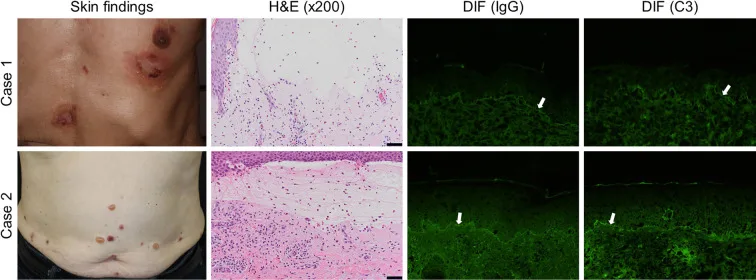
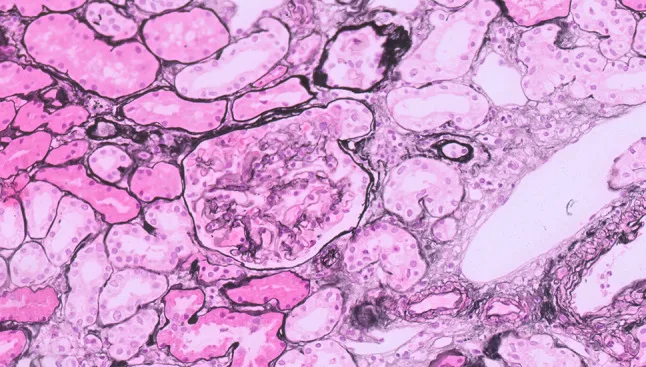
Stage IV lung adenocarcinoma with paraneoplastic nephrotic syndrome during pembrolizumab therapy

Patient Info: Anonymized, Male, 60s | Stage IV

Biomarkers: PD-L1 tumor proportion score >50% by Roche SP263 assay; KRAS exon 3 mutation; NGS/FISH did not identify targets for first-line targeted therapy

Metastatic Site: brain, bone

Pembrolizumab produced partial response and improved nephrotic-syndrome parameters, but bone metastases progressed in September 2022 and the right upper-lobe target lesion progressed 2 months later, leading to carboplatin plus pemetrexed.

PubMed Central
OutcomeSetback / Progression
A patient, who was diagnosed with Stage IV Lung Squamous Cell CarcinomaLung Cancer

Stage IVA right lung squamous cell carcinoma: partial response complicated by camrelizumab-related pneumonitis and pulmonary bullae

Patient Info: Anonymized, Male, 70+ | Stage IV

Biomarkers: Squamous lung cancer marker profile: P40/CK5/6 positive, TTF-1/Napsin A negative. CEA/CYFRA tumor markers were elevated. PD-L1 not reported.

Metastatic Site: suspected pleural involvement / right pleural effusion

The cancer had a partial response to albumin-bound paclitaxel, carboplatin, and camrelizumab; camrelizumab was stopped after suspected immune-related pneumonitis, pulmonary embolism, and reversible pulmonary bullae, which improved after methylprednisolone was resumed.

PubMed Central
OutcomeResponding Well
A patient, who was diagnosed with Stage IV Gastric CancerGastric Cancer

Aggressive SMARCA4-deficient gastric cancer with rapid liver metastases after surgery

Patient Info: Anonymized, Female, 70+ | Stage IV

Biomarkers: SMARCA4 loss; SMARCA4 frameshift mutation

Metastatic Site: liver

Multiple liver metastases appeared within 1 week after surgery. She received 1 chemotherapy cycle but could not continue because of poor condition and was transferred for hospice care.

PubMed Central
OutcomeSetback / Progression
A patient, who was diagnosed with Stage IV Small Cell Lung CancerLung Cancer

Extensive-stage small-cell lung cancer with immune-related diabetes and stable disease at 2 years

Patient Info: Anonymized, Female, 60s | Stage IV

Biomarkers: Tumor PD-L1 not reported. Immune-related diabetes showed very low C-peptide and negative diabetes autoantibodies; thyroiditis also occurred.

Metastatic Site: pancreas; pleura/pleural effusion; mediastinal lymph…

Two years after the SCLC diagnosis, she was alive with stable oncologic disease after later brain metastases were treated with whole-brain radiotherapy, and she remained insulin-dependent.

PubMed Central
OutcomeLiving With Cancer
A patient, who was diagnosed with Small Cell Lung CancerLung Cancer

Small-cell lung cancer with anti-NMDAR encephalitis: neurologic recovery and cancer care ongoing

Patient Info: Anonymized, Male, 70+

Biomarkers: Anti-NMDAR antibodies positive in cerebrospinal fluid; tumor molecular markers not reported

He recovered without significant neurologic sequelae and had no recurrence of neuropsychiatric symptoms; SCLC treatment with carboplatin and paclitaxel began after discharge, and cancer remission status was not documented.

PubMed Central
OutcomeCare Ongoing
A patient, who was diagnosed with Stage IV Non-Small Cell Lung CancerLung Cancer

Metastatic lung adenocarcinoma with brain and iliac bone response to chemoimmunotherapy

Patient Info: Anonymized, Male, 60s | Stage IV

Biomarkers: PD-L1-negative; no EGFR, ALK, ROS1, RET, KRAS, BRAF, MET, HER2, or NTRK alteration detected; TP53 mutation found.

Metastatic Site: left iliac bone, brain

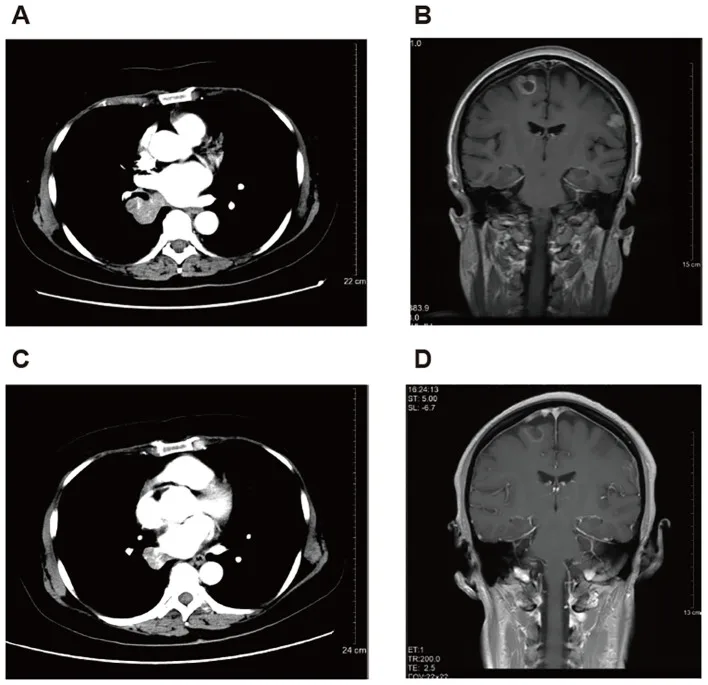
Brain metastases achieved complete remission without cranial irradiation, and lung, bone, and brain lesions remained stable at last follow-up, with PFS of 35 months and OS exceeding 40 months.

PubMed Central
OutcomeResponding Well
A patient, who was diagnosed with Stage IV Small Cell Lung CancerLung Cancer

Stage IVA lung cancer with small-cell and adenocarcinoma components: mixed response before infection halted treatment

Patient Info: Anonymized, Male, 70+ | Stage IV

Biomarkers: PD-L1 <1%

Metastatic Site: bone (C2, T10, sacral vertebrae); malignant pleural…

The lung cancer showed mixed responses, with right-lung small-cell progression after chemotherapy/immunotherapy and later treatment interruption because of severe lung infection and respiratory failure.

PubMed Central
OutcomeSetback / Progression
A patient, who was diagnosed with Stage IV Non-Small Cell Lung CancerLung Cancer

Metastatic lung adenocarcinoma with HER2 V659E/amplification responding to trastuzumab deruxtecan

Patient Info: Anonymized, Female, 50s | Stage IV

Biomarkers: Initial lung testing showed no EGFR/ALK/ROS1 and PD-L1 TPS 3%. Later biopsy found HER2 V659E plus HER2 amplification.

Metastatic Site: liver, bone, brain

As of September 2024, metastatic lung adenocarcinoma had a sustained partial response to trastuzumab deruxtecan after HER2 V659E mutation and HER2 amplification were identified.

PubMed Central
OutcomeResponding Well
A patient, who was diagnosed with Invasive Ductal CarcinomaBreast Cancer

Synchronous triple-negative breast cancer and rectal adenocarcinoma complicated by hepatitis B reactivation

Patient Info: Anonymized, Female, 50s

Biomarkers: Triple-negative breast cancer with pathogenic BRCA1 mutation; hepatitis B reactivation occurred during treatment.

At 3-year follow-up, she remained healthy and disease-free after treatment for synchronous triple-negative breast cancer and mid-rectal adenocarcinoma, with hepatitis B reactivation controlled on entecavir.

PubMed Central
OutcomeCancer-Free / NED
A patient, who was diagnosed with Stage III Non-Small Cell Lung CancerLung Cancer

Stage IIIB non-squamous NSCLC on chemoimmunotherapy: alcohol-related hypertonic hyponatremia corrected during oncology follow-up

Patient Info: Anonymized, Male, 50s | Stage III

Biomarkers: Tumor biomarkers not reported. Severe hyponatremia workup showed high serum osmolality and ethanol level.

He remained under oncology follow-up for Stage IIIB non-squamous NSCLC while alcohol-related hypertonic hyponatremia improved after detoxification and alcohol cessation.

PubMed Central
OutcomeCare Ongoing
A patient, who was diagnosed with Stage III Breast CancerBreast Cancer

HER2-positive node-positive breast cancer: mastectomy and adjuvant TCbHP

Patient Info: Anonymized, Female, Under 40 | Stage III

Biomarkers: HER2-positive breast cancer with ER/PR positivity, PD-L1 CPS 25

Adjuvant TCbHP was initiated after surgery, the first cycle was tolerated with supportive care, and regular monitoring was ongoing without evidence of distant recurrence or metastasis reported.

PubMed Central
OutcomeCare Ongoing