Capecitabine: 133 Real Stories

133 stories match capecitabine. 107 of them mention surgery.

A patient, who was diagnosed with Stage III Breast CancerBreast Cancer

Stage 3 triple-negative breast cancer complicated by immunotherapy endocrine toxicity

Patient Info: Anonymized, Female, 40s | Stage III

Biomarkers: ER-negative; PgR-negative/PR-negative; HER2 0; Ki-67 70%; triple-negative breast cancer

After neoadjuvant therapy complicated by immune-related hypothyroidism, adrenal insufficiency, and suspected hypophysitis, surgery showed residual ypT1c ypN0 triple-negative disease. Pembrolizumab was stopped, adjuvant capecitabine was completed in June 2025, and endocrine replacement/follow-up continued.

PubMed Central
OutcomeCare Ongoing
A patient, who was diagnosed with Stage IV Colorectal AdenocarcinomaColorectal Cancer

Stage IV KRAS-mutant colorectal cancer with bilobar liver metastases: multimodality treatment and no evidence of disease

Patient Info: Anonymized, Female, 40s | Stage IV

Biomarkers: KRAS-mutated; BRAF wild-type; mismatch repair proficient

Metastatic Site: liver

After second liver resection, follow-up MRI at 8 weeks showed continued response at the SABR site and no recurrent disease; she was receiving adjuvant capecitabine and remained well.

PubMed Central
OutcomeCancer-Free / NED
A patient, who was diagnosed with Stage IV Gastric CancerGastric Cancer

ALK-Fusion Gastric Cancer Responds to Alectinib Before Progression

Patient Info: Anonymized, female, 50s | Stage IV

Biomarkers: DCTN1–ALK fusion; ATM p.E1724*; CDK6 amplification; HER2 negative; mismatch-repair proteins intact; later KRAS amplification

Metastatic Site: bone

Alectinib produced a partial response for about 11.5 months, but the cancer later progressed systemically and she died from uncontrollable gastrointestinal bleeding.

PubMed Central
OutcomeIn Memory
Kalei, who was diagnosed with Stage IV Colorectal CancerColorectal Cancer

The Cancer Spread One Year Later…

Patient Info: Kalei, Female, Under 40 | Stage IV

Metastatic Site: Lungs; bilateral lung nodules

Kalei initially had Stage II rectal cancer that responded to chemoradiation and IV chemotherapy without rectal surgery. In 2025, biopsy-proven lung metastasis changed the diagnosis to Stage IV. As of October 2025, she had undergone lung resections with clear margins and remained in ongoing follow-up rather than having a clearly stated NED status.

The Patient Story
OutcomeCare Ongoing
A patient, who was diagnosed with Stage IV Colorectal CancerColorectal Cancer

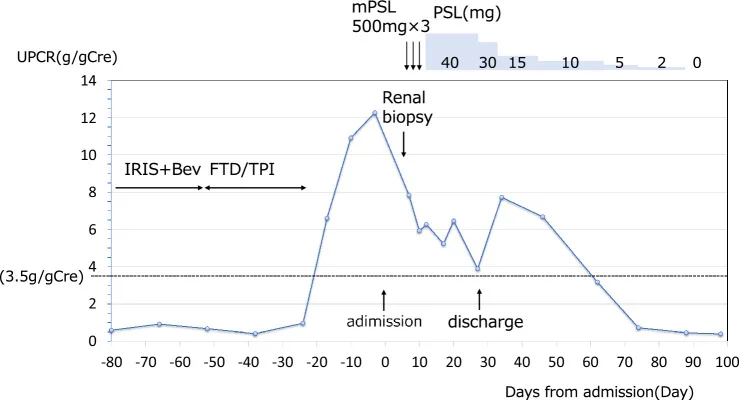
Kidney complication after switching colorectal cancer chemotherapy regimens

Patient Info: Anonymized, Male, 70+ | Stage IV

Metastatic Site: liver

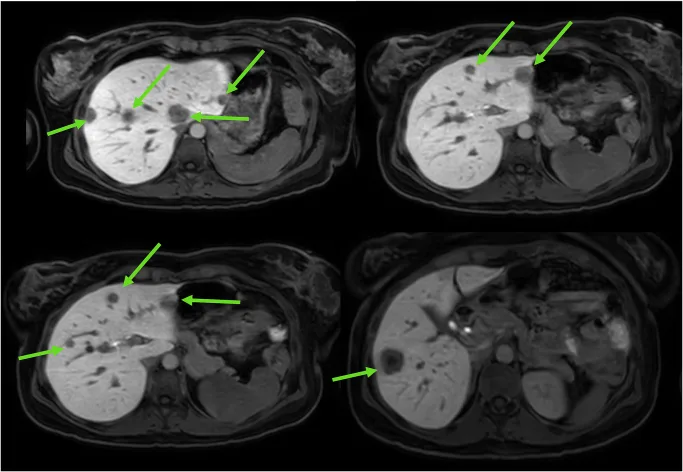
The cancer had worsening liver metastases when FTD/TPI began. After treatment was stopped, steroid therapy resolved edema within 1 month and proteinuria returned to baseline 2.5 months after admission; the later cancer course was not established.

PubMed Central
OutcomeIn Treatment
A patient, who was diagnosed with Stage IV Colorectal AdenocarcinomaColorectal Cancer

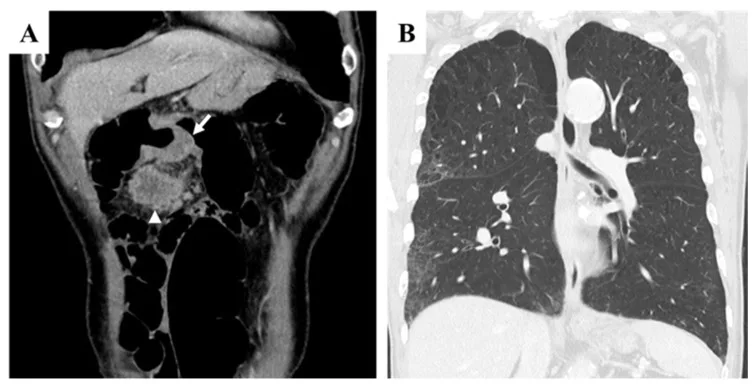
Stage IV transverse colon cancer with NTRK fusion: entrectinib response followed by fatal PTTM

Patient Info: Anonymized, Male, 70+ | Stage IV

Biomarkers: RAS/BRAF wild type, low TMB. CEA and CA19-9 were elevated before entrectinib and fell with response.

Metastatic Site: peritoneum, greater omentum, pleura,…

He died 7 weeks after hospitalization from pulmonary tumor thrombotic microangiopathy causing severe pulmonary hypertension and right-heart failure, despite biochemical and ascites response to entrectinib.

PubMed Central
OutcomeIn Memory
A patient, who was diagnosed with Stage IV Invasive Ductal CarcinomaBreast Cancer

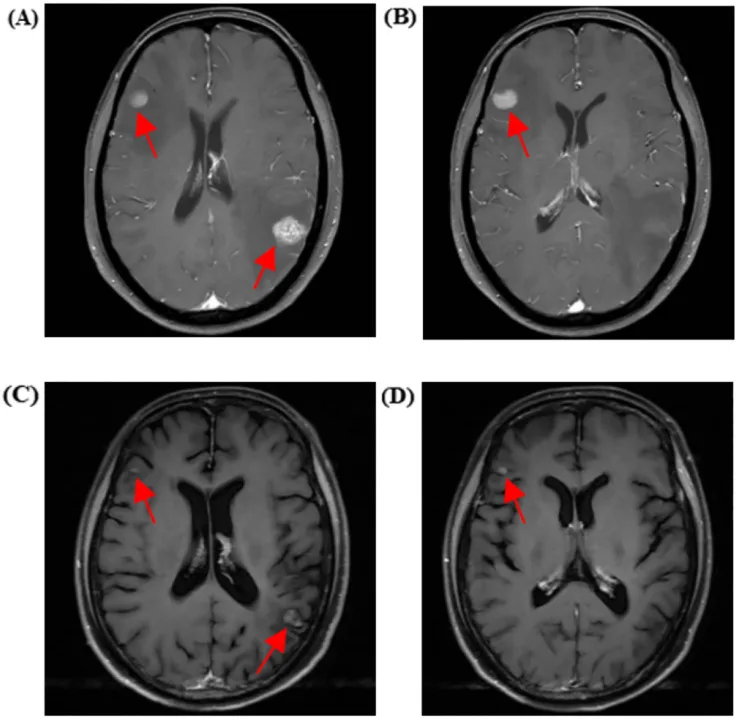
HER2-positive breast cancer with brain, skin, and lymph-node metastases responding to dual-targeted therapy

Patient Info: Anonymized, Female, 50s | Stage IV

Biomarkers: HER2-positive breast cancer. Initial tumor was ER/PR negative with Ki-67 30%; skin metastasis had Ki-67 70%.

Metastatic Site: brain, left cervical lymph nodes, skin of left chest…

After 1 cycle of inetetamab trastuzumab, pyrotinib, and capecitabine, skin metastases regressed, CEA and CA125 decreased, brain lesions shrank, and the largest lesion decreased by about 46%, meeting partial response; disease remained stable as of September 2024.

PubMed Central
OutcomeResponding Well
A patient, who was diagnosed with Stage IV Colorectal AdenocarcinomaColorectal Cancer

Metastatic rectal cancer responding well after intensive treatment despite severe chemotherapy complications

Patient Info: Anonymized, Male, 40s | Stage IV

Biomarkers: KRAS exon 4 mutation, BRAF wild-type, PD-L1 CPS 2

Metastatic Site: liver, lung

After more than 14 months of treatment, the primary rectal tumor and most lung metastases had been resected, liver lesions had largely regressed, and he was described as near NED while continuing maintenance capecitabine plus bevacizumab.

PubMed Central
OutcomeResponding Well
A patient, who was diagnosed with Stage IV Breast CancerBreast Cancer

Recurrent breast cancer with pleural disease: capecitabine stopped after cardiac complications

Patient Info: Anonymized, Female, 50s | Stage IV

Metastatic Site: pleura

As of May 2025, she was living with recurrent breast cancer involving the pleura after stopping capecitabine because of major cardiac complications; cardiac symptoms were medically managed with stable NYHA class II dyspnea at 3-month follow-up.

PubMed Central
OutcomeLiving With Cancer
A patient, who was diagnosed with Colorectal AdenocarcinomaColorectal Cancer

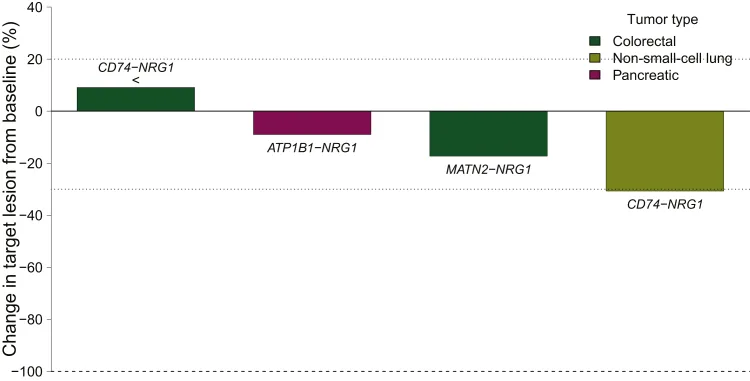
NRG1-Fusion Colorectal Cancer Progressing on Afatinib

Patient Info: Anonymized, female, 70+

Biomarkers: CD74-NRG1 fusion; no KRAS alteration detected

The cancer progressed clinically after 8 weeks on afatinib. She died in November 2021.

PubMed Central
OutcomeIn Memory
Stephani, who was diagnosed with Stage IV Breast CancerBreast Cancer

Stage IV HER2-Positive Breast Cancer: Stephani's Survivor Story

Patient Info: Stephani St. Cyr, Female | Stage IV

Biomarkers: HER2-targeted treatments reported; no inherited cancer gene mutation found.

Metastatic Site: Bone; liver; brain

As of March 2025, Stephani had Stage IV metastatic breast cancer involving bone, liver, and brain, had no evidence of disease since July 2021, and continued HER2-targeted/systemic therapy.

Living Beyond Breast Cancer
OutcomeCancer-Free / NED
Tracy, who was diagnosed with Stage II Colorectal CancerColorectal Cancer

Stage II Colorectal Cancer: Tracy's Survivor Story

Patient Info: Tracy, Female, 40s | Stage II

As of February 2025, Tracy was in post-treatment survivorship after Stage IIB colorectal cancer treated with 28 days of Xeloda chemoradiation, colostomy surgery in December 2015, and discontinued post-surgery chemotherapy.

The Patient Story
OutcomeSurvivorship / Completed Treatment
MB
Breast Cancer

Metastatic breast cancer with receptor evolution: sequential endocrine, immunotherapy, CDK4/6, and antibody-drug conjugate treatment

Patient Info: Anonymized, Female, 50s | Stage IV

Biomarkers: Markers changed over time: initial tumor ER-positive/HER2-negative; local recurrence triple-negative/HER2-low; pleural fluid ER-negative.

Metastatic Site: mediastinal lymph nodes, pleura; pulmonary nodules…

More than 7 years after diagnosis, she remained on sequential systemic therapy for metastatic breast cancer, with at least a partial response 3 months after starting sacituzumab govitecan for presumed triple-negative pleural disease.

PubMed Central
OutcomeResponding Well
A patient, who was diagnosed with Stage IV Colorectal CancerColorectal Cancer

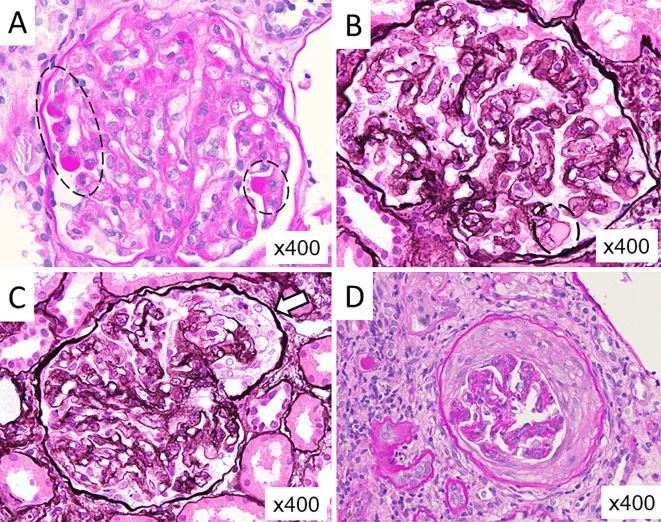
Stage IV cecum cancer with liver and ovarian metastases: ramucirumab-related nephrotic syndrome and glomerular microangiopathy

Patient Info: Anonymized, Female, 50s | Stage IV

Biomarkers: Cancer biomarkers were not reported. Kidney injury workup showed severe protein leakage and biopsy-proven glomerular microangiopathy.

Metastatic Site: liver, right ovary

The liver metastasis shrank after XELOX plus bevacizumab and metastatic liver/ovarian sites were resected, but ramucirumab-based second-line therapy was stopped after nephrotic syndrome and severe glomerular microangiopathy; blood pressure and proteinuria improved with telmisartan.

PubMed Central
OutcomeCare Ongoing
Jose, who was diagnosed with Stage III Colorectal CancerColorectal Cancer

Stage III Colorectal Cancer: Jose's Survivor Story

Patient Info: Jose Santos, Male, 40s | Stage III

As of December 2024, more than 2 years after surgery for Stage III colorectal cancer, Jose had no evidence of disease, had adapted well to his ileostomy, and no longer had ulcerative colitis symptoms.

City of Hope
OutcomeCancer-Free / NED
Paul, who was diagnosed with Stage III Colorectal CancerColorectal Cancer

Stage III Colorectal Cancer: Paul's Patient Story

Patient Info: Paul Klug, Male | Stage III

As of October 2024, Paul was on the final day of round 4 of 5 planned chemotherapy rounds, with chemoradiation and possible resection surgery still ahead.

The Patient Story
OutcomeCare Ongoing
Stephanie, who was diagnosed with Stage III Colorectal CancerColorectal Cancer

Stephanie’s Stage 3 Colon Cancer Story

Patient Info: Stephanie, Female, Under 40 | Stage III

CT and PET imaging after treatment showed no active colon cancer. Her October 2023 scans were clear and her oncologist described the cancer as in remission; unchanged spots in the liver and lung continued to be monitored.

The Patient Story
OutcomeCancer-Free / Remission
A patient, who was diagnosed with Stage IV Invasive Ductal CarcinomaBreast Cancer

Stage 4 breast cancer: ongoing treatment with multi-line chemotherapy

Patient Info: Anonymized, Female, 40s | Stage IV

Biomarkers: Initial tumor: hormone receptor-negative; HER2 2+. 2011 recurrence: ER 10%; PR 70%; HER2 2+.

Metastatic Site: pleura/pleural effusion; lung

Metastatic breast cancer with malignant pleural effusion achieved complete response after chemotherapy and long-term endocrine therapy; PET-CT in October 2023 still showed complete response, with ongoing cardiac and bone-health management.

PubMed Central
OutcomeCancer-Free / NED
Nick, who was diagnosed with Stage IV Colorectal AdenocarcinomaColorectal Cancer

Stage IV Colorectal Adenocarcinoma: Nick's Patient Story

Patient Info: Nick Sprague, Male, 40s | Stage IV

Metastatic Site: distant lymph nodes in abdomen/near aorta and left…

As of July 2024, Nick was living with Stage IVA colon cancer and receiving Keytruda/pembrolizumab with fewer side effects than chemotherapy; no NED status had been reached.

The Patient Story
OutcomeLiving With Cancer
A patient, who was diagnosed with Stage IV Invasive Ductal CarcinomaBreast Cancer

Stage 4 luminal A breast cancer: tumor regression on hormone therapy

Patient Info: Anonymized, Female, 40s | Stage IV

Biomarkers: ER-positive; PR-positive; HER2-negative

Metastatic Site: skin, soft tissue, lungs

Metastatic Luminal A breast cancer involving skin/soft tissue and lungs showed regressing tumors and stable lung metastasis after 3 months of anti-hormone therapy plus capecitabine; longer-term control was not reported.

PubMed Central
OutcomeLiving With Cancer