Capecitabine: 133 Real Stories

133 stories match capecitabine. 107 of them mention surgery.

Leftfootforward, who was diagnosed with Stage IV Breast CancerBreast Cancer

Stage IV HER2-Positive Breast Cancer: Leftfootforward's Survivor Story

Patient Info: Leftfootforward, Female, Under 40 | Stage IV

Biomarkers: HER2-positive

Metastatic Site: Brain | Liver

Leftfootforward was diagnosed with Stage IIB HER2-positive breast cancer in 2010 and metastatic brain/liver disease in 2012; after systemic therapy, Gamma Knife, craniotomy for necrotic tissue, partial liver lobectomy, and resumed Herceptin, her latest scans showed no evidence of disease.

BreastCancer.org (ES)
OutcomeCancer-Free / NED
Sydney, who was diagnosed with Stage IV Colorectal CancerColorectal Cancer

Sydney Stoner: Stage IIIB to Stage IV colon cancer with liver and lung involvement

Patient Info: Sydney Stoner, Female, Under 40 | Stage IV

Metastatic Site: Liver; lungs

Progressed from Stage IIIB colon cancer to Stage IV disease involving the liver and lungs; treated with surgery/ileostomy/reversal, FOLFOX/FOLFIRI, lung radiation, liver ablation/resection, capecitabine, and ongoing Lonsurf + Avastin.

Fight Colorectal Cancer
OutcomeSetback / Progression
A patient, who was diagnosed with Stage IV Breast CancerBreast Cancer

How Learning To Ask For Help Can Make Life With MBC Easier

Patient Info: Anonymized, Female, Under 40 | Stage IV

Biomarkers: Not explicitly reported; HER2-targeted treatment with Herceptin and Tykerb reported

Metastatic Site: Brain; liver

Living with Stage IV metastatic breast cancer involving brain and liver; latest scans showed no evidence of disease, and she reported spending most of her Stage IV life in NED status.

breastcancer.org
OutcomeCancer-Free / NED
A patient, who was diagnosed with Stage III Colorectal CancerColorectal Cancer

Sexual safety during FOLFOX treatment for Stage III rectal cancer

Patient Info: Anonymized, female, 50s | Stage III

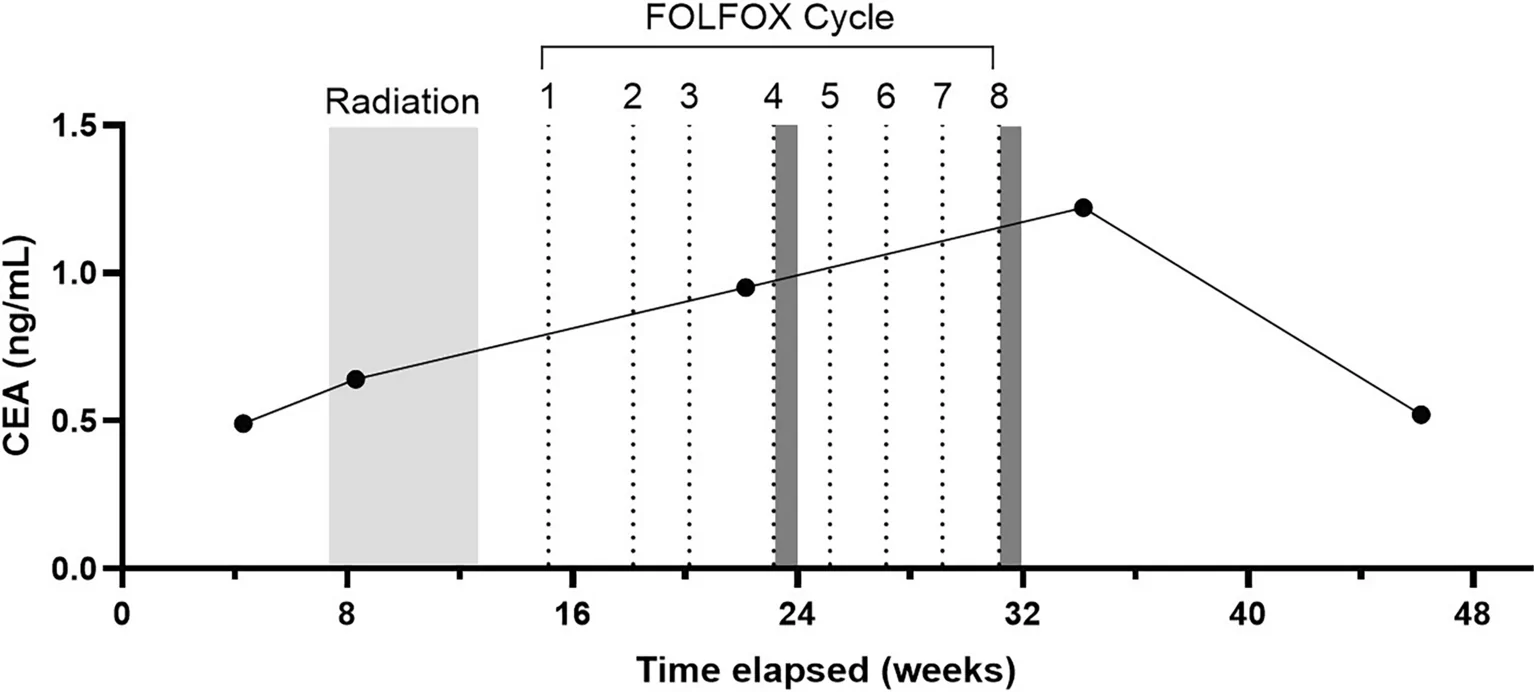
A 54-year-old woman with Stage III rectal cancer raised a practical sexual-health question while receiving FOLFOX, leading to direct measurement of oxaliplatin exposure in vaginal secretions.

PubMed Central
OutcomeNot reported
A patient, who was diagnosed with Stage IV Small Cell Lung CancerBreast Cancer

Rare Breast Neuroendocrine Cancer That Recurred in the Liver

Patient Info: Anonymized, Female, 70+ | Stage IV

Biomarkers: Chromogranin-positive; synaptophysin-positive; GATA-3-positive; ER-positive; PR negative on repeat biopsy and 40% positive on the mastectomy specimen; HER2-negative; Ki-67 85–95%

Metastatic Site: Liver; abdominal lymph nodes

After temporary responses to surgery and repeated chemotherapy, the cancer returned repeatedly in the liver and had spread to abdominal lymph nodes by May 2025. A new chemotherapy regimen was planned.

PubMed Central
OutcomeSetback / Progression
Alison, who was diagnosed with Stage IV Breast CancerBreast Cancer

Stage IV HR-Positive Breast Cancer: Alison's Survivor Story

Patient Info: Alison, Female, Under 40 | Stage IV

Biomarkers: ER-positive; PR-positive; HER2-positive

Metastatic Site: Cervical/neck lymph nodes

Alison reported complete remission since August 2017 while continuing intermittent maintenance chemotherapy, most recently 1 month of treatment followed by 2 months off.

The Patient Story
OutcomeLiving With Cancer / Remission
Haley, who was diagnosed with Stage III Colorectal CancerColorectal Cancer

Stage III Colorectal Cancer: Haley's Survivor Story

Patient Info: Haley Pollack, Female, Under 40 | Stage III

Years into survivorship after Stage IIIC colon cancer treated with surgery, CAPOX chemotherapy, and a recurrence-prevention clinical trial; later continued trial follow-up and advocacy for parents with cancer.

The Patient Story
OutcomeSurvivorship / Surveillance
Catherine, who was diagnosed with Stage III Colorectal CancerColorectal Cancer

Stage III Colorectal Cancer: Catherine's Patient Story

Patient Info: Catherine, Female | Stage III

Catherine had a complete pathological response after chemoradiation and surgery for Stage III rectal cancer, then continued adjuvant Xeloda/oxaliplatin while waiting for post-treatment scans before accepting an NED label.

The Patient Story
OutcomeResponding Well
Justine, who was diagnosed with Stage IV Colorectal CancerColorectal Cancer

Stage IV Colorectal Cancer: Justine's Patient Story

Patient Info: Justine, Female, Under 40 | Stage IV

Metastatic Site: Liver

As of June 2026, Justine was living with Stage IV rectal cancer involving the liver after chemoradiation, major surgery, FOLFOX, and liver-directed local therapies.

The Patient Story
OutcomeLiving With Cancer
Allison, who was diagnosed with Stage II Colorectal CancerColorectal Cancer

Allison’s Stage 2C Colorectal Cancer Story

Patient Info: Allison, Female, Under 40 | Stage II

As of June 2026, Allison was sharing her Stage IIC colorectal cancer experience as a patient advocate after concurrent radiation/Xeloda, major surgery with J-pouch and temporary ileostomy, and chemotherapy.

The Patient Story
OutcomeSurvivorship / Completed Treatment
A patient, who was diagnosed with Stage IV Colorectal AdenocarcinomaColorectal Cancer

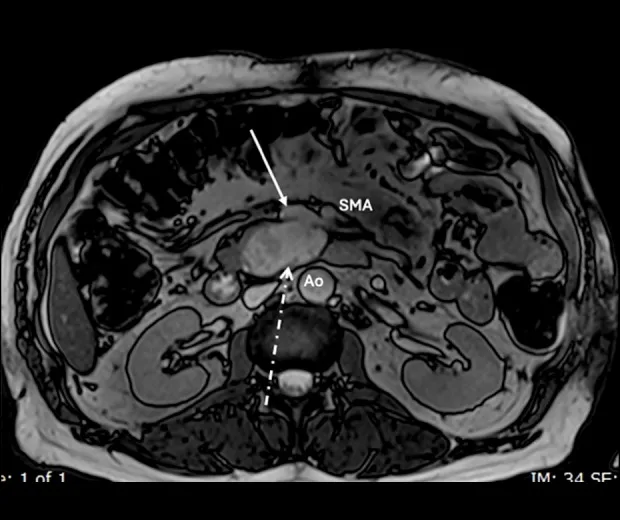
Stage IV rectal mucinous adenocarcinoma with pancreatic metastasis: response to chemotherapy and staged surgery

Patient Info: Anonymized, Male, 70+ | Stage IV

Biomarkers: CA 19-9 93.4 U/mL; CEA 3.4 ng/mL; pancreatic lesion biopsy consistent with colorectal origin

Metastatic Site: pancreas

As of May 2026, he had good clinical progress during 5 months of follow-up after staged treatment, including chemoradiation, FOLFOX, abdominoperineal resection, FOLFIRINOX, and Whipple resection of the pancreatic metastasis.

PubMed Central
OutcomeResponding Well
A patient, who was diagnosed with Stage IV Colorectal AdenocarcinomaColorectal Cancer

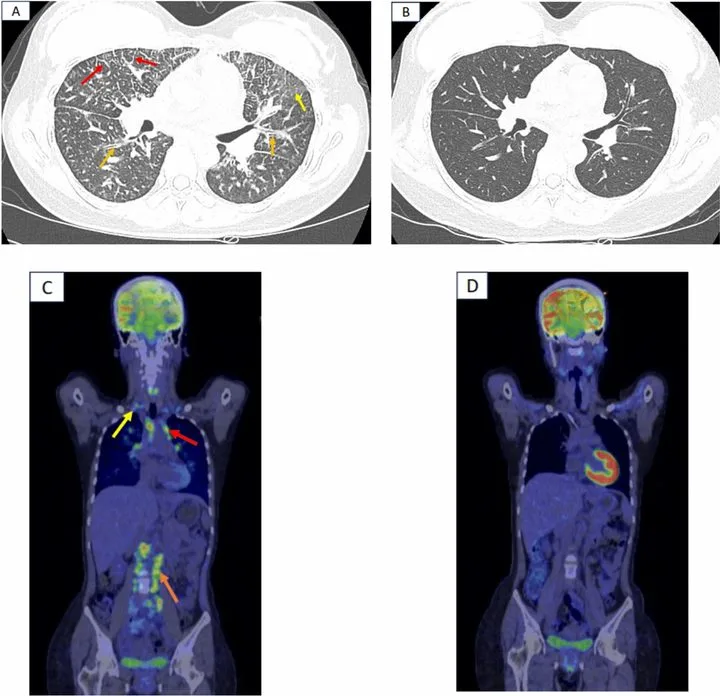
Rectal cancer that spread through the lungs: complete remission after BRAF-targeted therapy

Patient Info: Anonymized, Female, Under 40 | Stage IV

Biomarkers: BRAF mutation; HER2-negative; microsatellite stable; no detectable KRAS or NRAS mutations

Metastatic Site: lungs (pulmonary lymphangitic carcinomatosis);…

After progression with recurrent lung metastases and a new pericardial effusion, she chose hospice care and died in February 2025, 19 months after diagnosis.

PubMed Central
OutcomeIn Memory
A patient, who was diagnosed with Stage IV Colorectal AdenocarcinomaColorectal Cancer

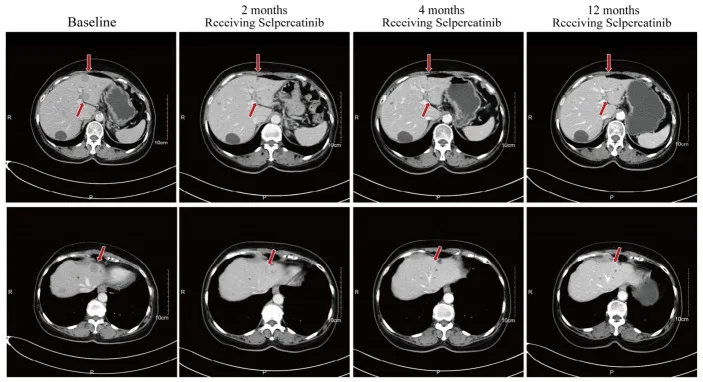
Stage IV RET-fusion transverse colon cancer: partial response to selpercatinib after capecitabine progression

Patient Info: Anonymized, Female, 70+ | Stage IV

Biomarkers: Colon cancer had RET fusion, KRAS copy-number gain, low TMB, and no KRAS/NRAS/BRAF hotspot mutations.

Metastatic Site: liver

As of May 2026, she remained on reduced-dose selpercatinib with tolerable toxicity, substantial partial response in liver metastases and the primary tumor, and progression-free survival exceeding 14 months.

PubMed Central
OutcomeResponding Well
Joe, who was diagnosed with Stage IV Colorectal CancerColorectal Cancer

Stage IV Colorectal Cancer: Joe's Patient Story

Patient Info: Joe, Male | Stage IV

Biomarkers: Specific biomarkers not reported

Metastatic Site: Liver; lymph nodes; lungs

Stage IV colon cancer initially reached no evidence of disease after FOLFOX plus panitumumab, but later recurred in the liver and lymph nodes, progressed to the lungs, and did not respond to later FOLFOX rechallenge or FOLFIRI before he started an immunotherapy clinical trial.

The Patient Story
OutcomeSetback / Progression
Sydney, who was diagnosed with Stage IV Colorectal CancerColorectal Cancer

Stage IV Colorectal Cancer: Sydney's Patient Story

Patient Info: Sydney, Female | Stage IV

Metastatic Site: Liver; lungs

Sydney was living with Stage IV colorectal cancer involving the liver and lungs. After multiple lines of treatment, she had a new liver spot and was back on lower-dose FOLFIRI every other Tuesday with a 46-hour pump.

The Patient Story
OutcomeLiving With Cancer
A patient, who was diagnosed with Breast Squamous Cell CarcinomaBreast Cancer

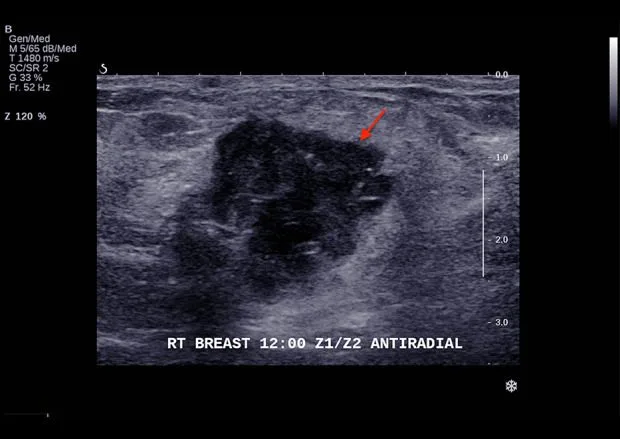
Non-metastatic metaplastic triple-negative breast cancer with residual disease after chemotherapy

Patient Info: Anonymized, Female, 40s

Biomarkers: Metaplastic triple-negative breast cancer; HER2 0

The patient had an initial partial response to neoadjuvant chemotherapy but then progressed before surgery. Modified radical mastectomy found substantial residual metaplastic carcinoma with 0/21 nodes involved, followed by adjuvant radiotherapy and metronomic capecitabine.

PubMed Central
OutcomeCare Ongoing
A patient, who was diagnosed with Stage IV Invasive Lobular CarcinomaBreast Cancer

Invasive lobular breast cancer with colonic metastases treated with colectomy and capecitabine

Patient Info: Anonymized, Female, 50s | Stage IV

Biomarkers: Breast and colon metastatic samples were ER+ and HER2-; PR varied by sample

Metastatic Site: colon; perivisceral lymph nodes

After laparoscopic left colectomy and capecitabine for colonic metastases, follow-up showed no clinical or radiological evidence of recurrence or progression at 8 months postoperatively.

PubMed Central
OutcomeResponding Well
A patient, who was diagnosed with Stage IV Breast CancerBreast Cancer

Metastatic triple-negative breast cancer with sacituzumab-govitecan pneumonitis and progression

Patient Info: Anonymized, Female, 60s | Stage IV

Biomarkers: ER-negative; PR-negative; HER2-negative

Metastatic Site: lung

Sacituzumab-govitecan pneumonitis improved with corticosteroids and half-dose rechallenge did not reproduce pneumonitis, but follow-up CT showed one new pulmonary metastasis and enlargement of previous lung metastases; PFS on sacituzumab govitecan was 5.37 months.

PubMed Central
OutcomeSetback / Progression
A patient, who was diagnosed with Stage IV Invasive Lobular CarcinomaBreast Cancer

Stage IV triple-negative invasive lobular breast cancer with HER2 mutations: complete metabolic response to trastuzumab deruxtecan

Patient Info: Anonymized, Female, 70+ | Stage IV

Biomarkers: Triple-negative invasive lobular breast cancer with HER2-low/dubious staining and HER2 FISH-negative; somatic ERBB2/HER2 and mutations.

Metastatic Site: iliac bone lesions / bone metastases

As of January 2026, metastatic triple-negative invasive lobular breast cancer with HER2 mutations had a sustained complete metabolic response to trastuzumab deruxtecan for 20 months, with dose reduction for neutropenia and no pulmonary toxicity.

PubMed Central
OutcomeResponding Well