Capecitabine: 133 Real Stories

133 stories match capecitabine. 107 of them mention surgery.

Bart, who was diagnosed with Stage IV Colorectal CancerColorectal Cancer

Stage IV Colorectal Cancer: Bart's Survivor Story

Patient Info: Bart Wilson, Male, Under 40 | Stage IV

Metastatic Site: Liver

As of May 2023, Bart had shown no evidence of disease for almost 3 years after surgery, FOLFOX, portal vein embolization, extended right hepatectomy, and adjuvant capecitabine for Stage IV colon cancer with liver metastases.

MD Anderson
OutcomeCancer-Free / NED
Haley, who was diagnosed with Stage III Colorectal CancerColorectal Cancer

How I Found Out I had Colon Cancer: I Wrote Off All My Symptoms

Patient Info: Haley P., Female, Under 40 | Stage III

As of March 2023, Haley had completed surgery, CAPOX chemotherapy, and 3 years of daily recurrence-prevention trial pills, with ongoing low-touch trial follow-up and no active recurrence described.

The Patient Story
OutcomeSurvivorship / Completed Treatment
Patricia, who was diagnosed with Colorectal CancerColorectal Cancer

Colorectal Cancer: Patricia's Patient Story

Patient Info: Patricia

Receiving a 6-month course of oral capecitabine while continuing ostomy care and recovery from postoperative complications.

Our Cancer Stories
OutcomeCare Ongoing
Gina, who was diagnosed with Stage III Colorectal CancerColorectal Cancer

Stage III Colorectal Cancer: Gina's Patient Story

Patient Info: Gina | Stage III

The cancer returned in March near the original area. Gina completed radiation in August and was awaiting scans, with FOLFOX planned for November 2024.

Our Cancer Stories
OutcomeSetback / Progression
Sagan, who was diagnosed with Stage II Gastric CancerGastric Cancer

Stage II Gastric Cancer: Sagan's Patient Story

Patient Info: Sagan | Stage II

Sagan reported completing cancer treatment and continued taking medicines for treatment-related symptoms while focusing on recovery.

Our Cancer Stories
OutcomeNot reported
A patient, who was diagnosed with Stage IV Invasive Ductal CarcinomaBreast Cancer

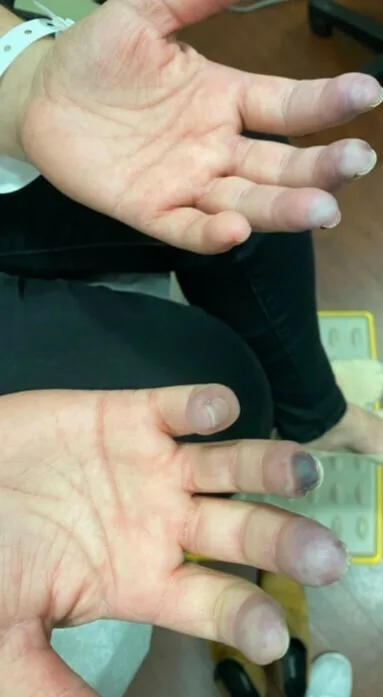
Metastatic Breast Cancer Treatment Caused Severe Circulation Problems in Her Fingers and Toes

Patient Info: Anonymized, Female | Stage IV

Biomarkers: HER2-positive; ER-negative; PR-negative

The digital ischaemia improved after gemcitabine was stopped, without revascularisation, debridement or amputation, although a small necrotic fingertip area persisted at 3 months. Metastatic breast cancer treatment continued with further systemic lines after progression.

PubMed Central
OutcomeLiving With Cancer / Ongoing Treatment
A patient, who was diagnosed with Stage IV Invasive Ductal CarcinomaBreast Cancer

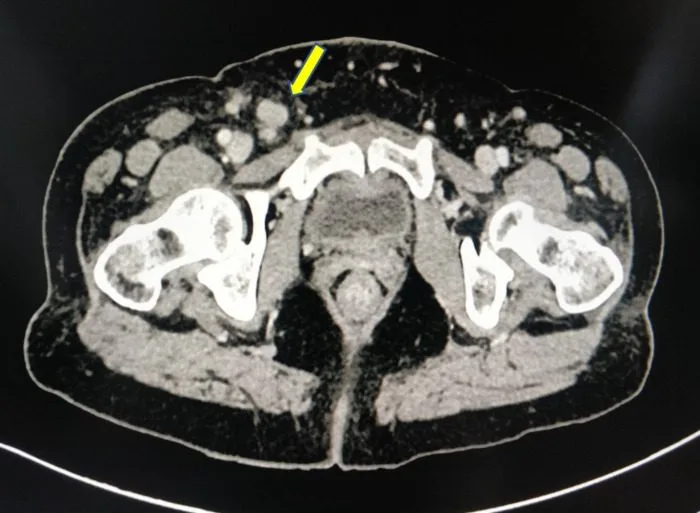
Triple-Negative Breast Cancer Recurring in Groin Lymph Nodes

Patient Info: Anonymized, Female | Stage IV

Biomarkers: ER-negative; PR-negative; HER2-negative

Metastatic Site: right inguinal lymph node; right iliac/pelvic lymph…

Her condition deteriorated after 3 cycles of palliative capecitabine. She developed vomiting, headache and seizures concerning for brain metastases and died about 4 months after the groin metastasis was detected.

PubMed Central
OutcomeIn Memory
A patient, who was diagnosed with Stage IV Colorectal AdenocarcinomaColorectal Cancer

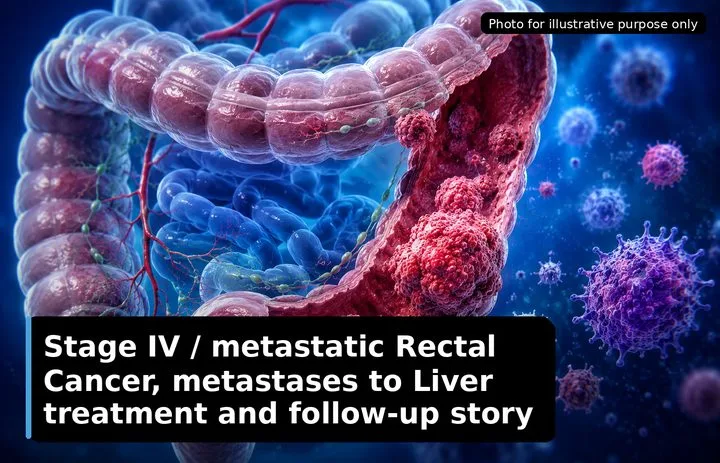
32-year-old woman with Stage IV rectal cancer, liver and lung metastases, targeted chemotherapy, surgery, ablation, radiation, and ongoing chemotherapy

Patient Info: Anonymized, Female, Under 40 | Stage IV

Biomarkers: KRAS wild-type; NRAS wild-type; BRAF wild-type

Metastatic Site: Liver | Lung | Presacral/perirectal lymph nodes

As of the story endpoint around December 2020, she was 5 years into treatment for Stage IV rectal cancer after multiple systemic regimens, bowel/liver/lung surgery, liver recurrence treatment, ablation, lung surgery, TOMO radiation, and ongoing chemotherapy.

Cancer361 (中文)
OutcomeCare Ongoing
Diana, who was diagnosed with Stage III Breast CancerBreast Cancer

Stage III Breast Cancer: Diana's Survivor Story

Patient Info: Diana, Female, 40s | Stage III

Diana described herself as being in remission while continuing low-toxicity antineoplastic monotherapy. She remained in active follow-up and focused on rebuilding daily life.

Our Cancer Stories
OutcomeCancer-Free / Remission
Barbara, who was diagnosed with Colorectal CancerColorectal Cancer

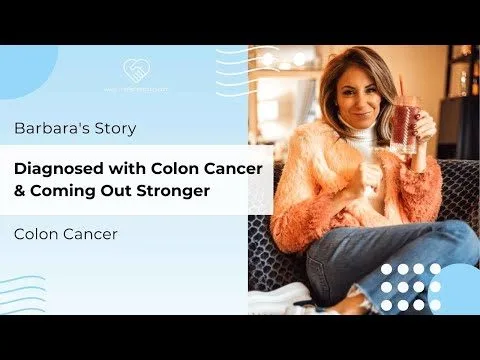
Colorectal Cancer: Barbara's Survivor Story

Patient Info: Barbara, Female, 40s

As of October 2021, Barbara described life after completed colon-cancer treatment, including survivorship, parenting, and a stronger perspective; recurrence was not described in this edited video.

The Patient Story
OutcomeSurvivorship / Completed Treatment
A patient, who was diagnosed with Stage IV Gastric AdenocarcinomaGastric Cancer

Ramucirumab and paclitaxel for metastatic gastric cancer in a patient receiving hemodialysis

Patient Info: Anonymized, male, 60s | Stage IV

Biomarkers: HER2-negative

Metastatic Site: liver, distant lymph nodes

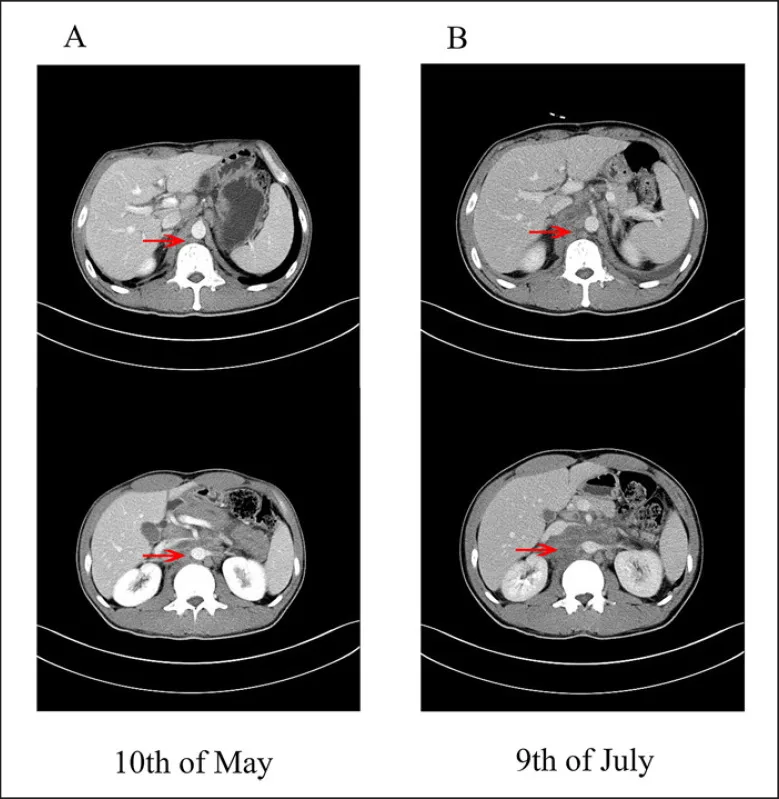
After about 16 months of disease control on paclitaxel plus ramucirumab, multiple liver metastases and distant lymph nodes progressed. Third-line irinotecan was stopped after severe toxicity, and supportive care followed.

PubMed Central
OutcomeSetback / Progression
A patient, who was diagnosed with Stage IV Invasive Ductal CarcinomaBreast Cancer

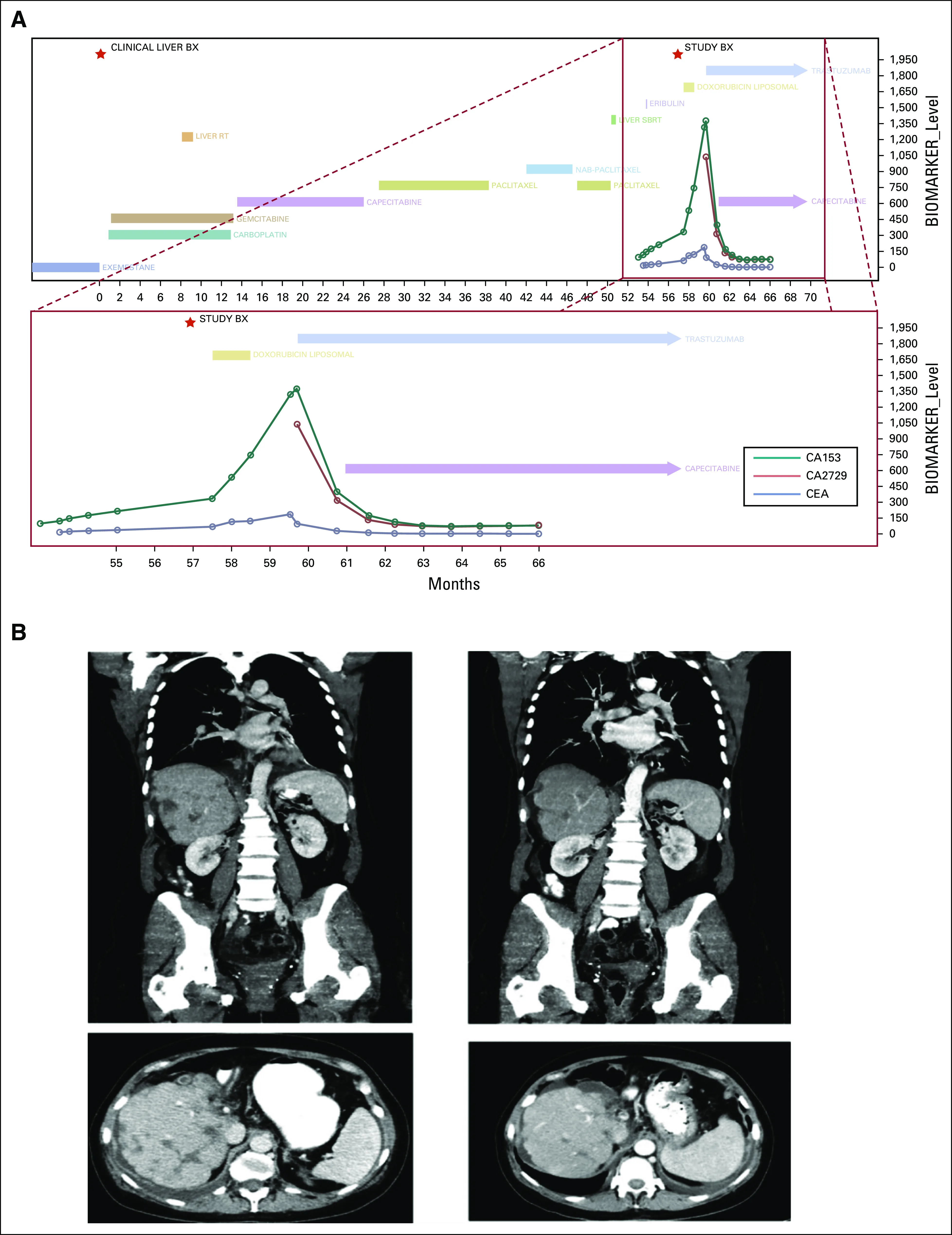
A durable response to trastuzumab in heavily pretreated metastatic breast cancer

Patient Info: Anonymized, Female, 60s | Stage IV

Biomarkers: Initial tumor ER-positive and PR-positive. Metastatic liver biopsy ER-negative and PR-negative with HER2 IHC 1+ and nonamplified. Later biopsy ER and PR weakly positive at 5%–10%, HER2 IHC 1+ and nonamplified, and ERBB3 p. with evidence of HER2/HER3 pathway activation.

Metastatic Site: lungs; hilar and mediastinal lymph nodes; liver; bone

She had ongoing benefit for more than 10 months on trastuzumab and capecitabine, with improved symptoms, lower tumor markers, and a confirmed partial response.

PubMed Central
OutcomeResponding Well
Harper, who was diagnosed with Stage IV Breast CancerBreast Cancer

Stage IV Breast Cancer: Harper's Patient Story

Patient Info: Harper, Female, 50s | Stage IV

Harper was living with Stage IV breast cancer after self-funded private treatment that included mastectomy, lymphadenectomy, chemotherapy, and radiation therapy; she felt better than before diagnosis but still hoped for complete recovery.

Our Cancer Stories
OutcomeLiving With Cancer
A patient, who was diagnosed with Stage IV Colorectal AdenocarcinomaColorectal Cancer

Metastatic Right-Sided Colon Cancer With an NRG1 Fusion

Patient Info: Anonymized, Male, 60s | Stage IV

Biomarkers: KRAS mutation; POMK-NRG1 fusion

Metastatic Site: liver|lungs

He had persistent metastatic disease after 16 months of afatinib and entered a phase I trial in January 2020.

PubMed Central
OutcomeCare Ongoing
A patient, who was diagnosed with Stage III Colorectal CancerColorectal Cancer

Colon Cancer With an MLH1 Deletion and Lynch Syndrome

Patient Info: Anonymized, Male, Under 40 | Stage III

Biomarkers: dMMR with loss of MLH1 and PMS2. Familial MLH1 c.1057_1060delGCTG frameshift deletion identified; its clinical significance had not previously been reported.

The colon cancer progressed rapidly despite postoperative and second-line therapy, and he died from multiple organ failure one week after pembrolizumab was started.

PubMed Central
OutcomeIn Memory