Surgery for Lung Cancer: 356 Real Stories

356 stories match lung cancer and surgery. 177 of them mention chemotherapy.

A patient, who was diagnosed with Stage IV Small Cell Lung CancerLung Cancer

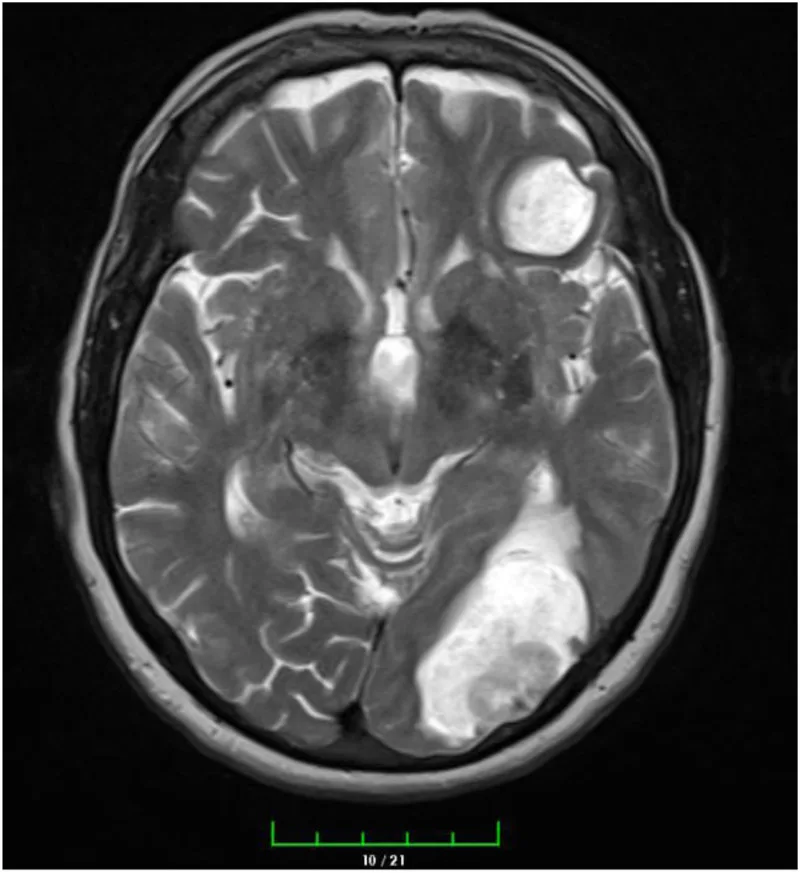
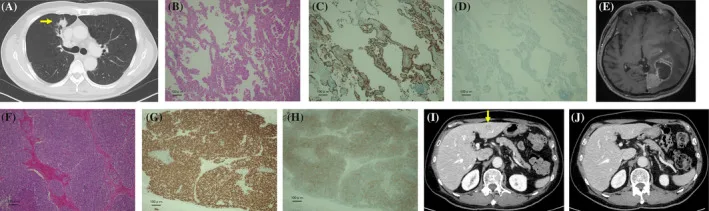
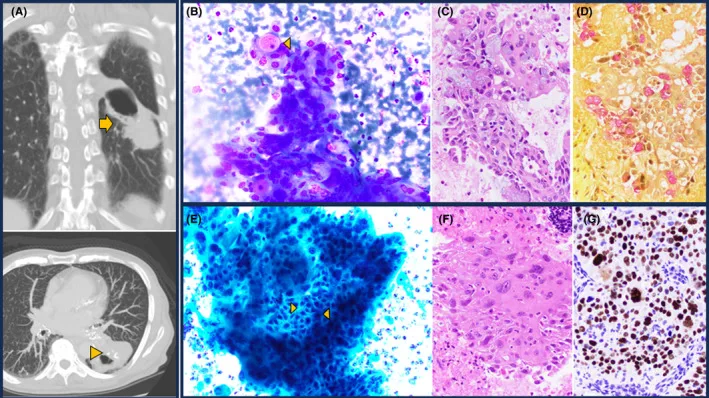
EGFR-Mutant Lung Adenocarcinoma That Transformed to Small Cell Lung Cancer

Patient Info: Anonymized, female, 40s | Stage IV

Biomarkers: EGFR exon 19 deletion; acquired EGFR T790M mutation

Metastatic Site: liver

The cancer progressed after transformation to small cell lung cancer, and she died 49 months after the original diagnosis.

PubMed Central
OutcomeIn Memory
A patient, who was diagnosed with Stage IV Non-Small Cell Lung CancerLung Cancer

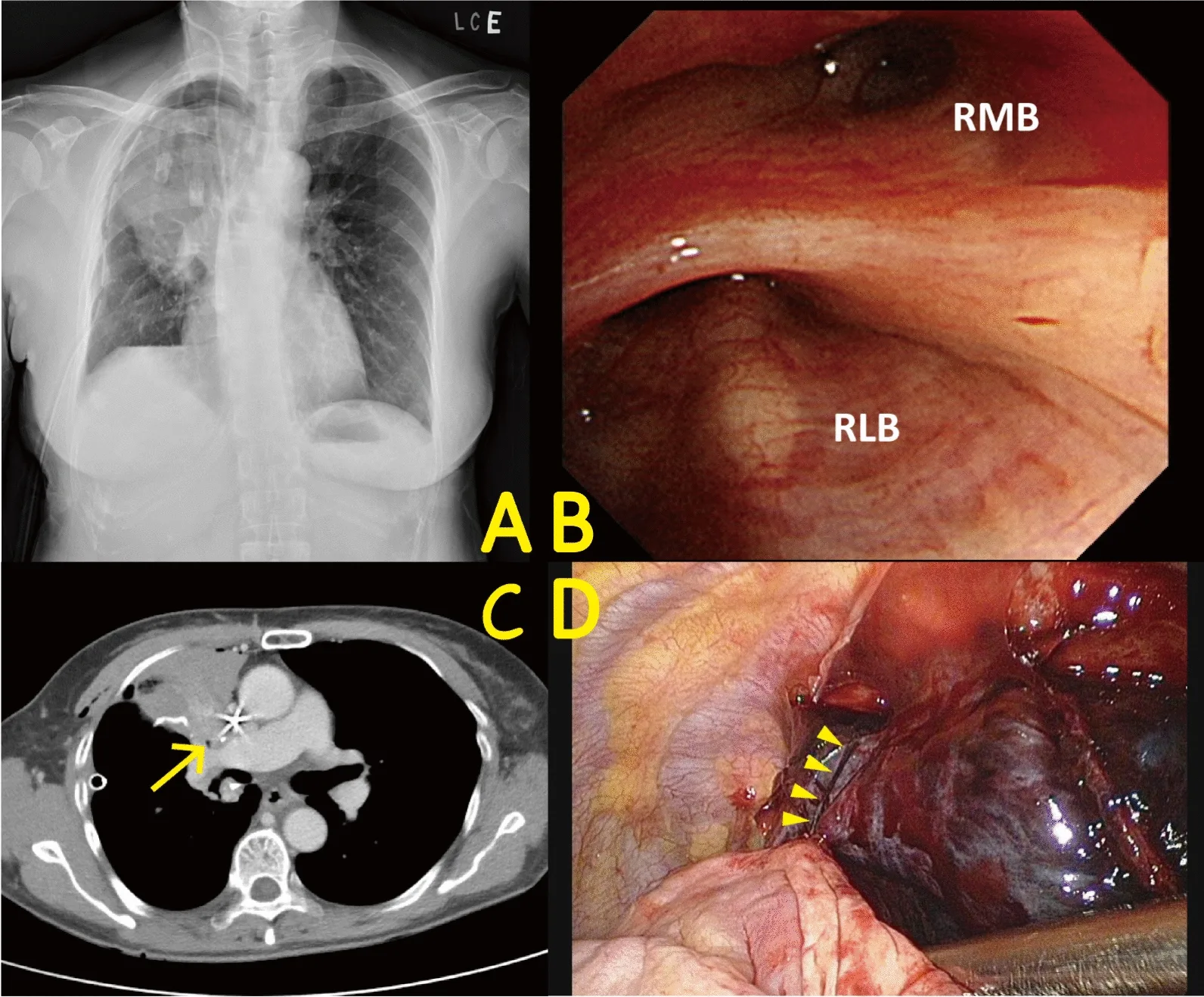
HER2 exon 20 metastatic lung adenocarcinoma with pathologic complete response after chemoimmunotherapy and surgery

Patient Info: Anonymized, Female, 40s | Stage IV

Biomarkers: HER2 exon 20 insertion lung adenocarcinoma with TP53 mutation, PD-L1 TPS 50%, and low TMB.

Metastatic Site: contralateral lung

Right lower lobectomy with radical lymphadenectomy in November 2023 showed pathologic complete response, and no additional therapy was offered after surgery.

PubMed Central
OutcomeCancer-Free / NED
A patient, who was diagnosed with Stage IV Lung AdenocarcinomaLung Cancer

Stage 4 lung cancer: managing pembrolizumab-induced myasthenia gravis

Patient Info: Anonymized, Female, 70+ | Stage IV

Biomarkers: Anti-acetylcholine receptor antibody elevated; TSH elevated during immune-related adverse event workup; cancer biomarkers not reported

At 9 months after the immune-related myasthenia gravis presentation, lung cancer remained in complete response while she continued low-dose prednisolone, pyridostigmine, levothyroxine, and nighttime NIV.

PubMed Central
OutcomeCancer-Free / NED
A patient, who was diagnosed with Stage IV Lung AdenocarcinomaLung Cancer

Stage 4 lung adenocarcinoma with RET fusion responding to pralsetinib

Patient Info: Anonymized, Male, 60s | Stage IV

Biomarkers: RET fusion

Metastatic Site: pleura

As of March 2025, he had recovered from grade 3 Pneumocystis jirovecii pneumonia, restarted pralsetinib, and had no progressive disease or recurrence of adverse events over 13 months.

PubMed Central
OutcomeResponding Well
A patient, who was diagnosed with Stage IV Non-Small Cell Lung CancerLung Cancer

Stage 4 RET-rearranged lung cancer: complete pathologic response to pralsetinib

Patient Info: Anonymized, Female, 60s | Stage IV

Biomarkers: KIF5B-RET rearrangement; TP53 missense mutation; PD-L1-negative; CK7-positive; TTF-1-positive; Ki-67 70%

Metastatic Site: pleura, mediastinal lymph nodes, hilar lymph nodes

After pralsetinib response and surgery, pathology showed no residual viable tumor in the lung primary, pleural nodules, or sampled lymph nodes; she continued adjuvant pralsetinib.

PubMed Central
OutcomeCancer-Free / NED
A patient, who was diagnosed with Non-Small Cell Lung CancerLung Cancer

Recurrent lung adenocarcinoma: sick sinus syndrome during anlotinib treatment

Patient Info: Anonymized, Female, 70+

Biomarkers: driver genes negative

Recurrent/progressive lung adenocarcinoma was being treated with anlotinib when sick sinus syndrome developed; the patient received a permanent pacemaker and remained alive under follow-up, but post-pacemaker cancer status was not fully reported.

PubMed Central
OutcomeLiving With Cancer
A patient, who was diagnosed with Stage IV Lung AdenocarcinomaLung Cancer

Fatal Multiorgan Failure After Pembrolizumab-Based Treatment for Metastatic Lung Cancer

Patient Info: Anonymized, female | Stage IV

She died less than 12 hours after hospital presentation with rapidly progressive multiorgan failure one week after the first pembrolizumab-based treatment cycle; immune-related toxicity was strongly suspected, although the rapid decline limited full evaluation.

PubMed Central
OutcomeIn Memory
A patient, who was diagnosed with Stage IV Lung AdenocarcinomaLung Cancer

Lung Adenocarcinoma With Rare Skin Metastasis to the Neck

Patient Info: Anonymized, male, 50s | Stage IV

Metastatic Site: neck skin

The lung cancer later spread to the neck skin, and he died during the following year after stopping further treatment.

PubMed Central
OutcomeIn Memory
Calvin, who was diagnosed with Stage I Lung CancerLung Cancer

Stage I Lung Cancer: Calvin's Survivor Story

Patient Info: Calvin, Male, Under 40 | Stage I

Calvin completed surgery for Stage I lung cancer, including removal of his entire left lung. As of February 2025, he was adapting to life with one lung and remained focused on family, activity, and self-advocacy.

The Patient Story
OutcomeSurvivorship / Completed Treatment
Eugenia, who was diagnosed with Stage IV Non-Small Cell Lung CancerLung Cancer

Stage IV Non-Small Cell Lung Cancer: Eugenia's Patient Story

Patient Info: Eugenia Horan, Female, 40s | Stage IV

Eugenia became Stage IV while critically ill in the ICU and was later told hospice might be appropriate, but she started Keytruda on August 29, 2019 and was alive 5 years later. As of February 2025, she described that treatment as the medicine that saved her.

The Patient Story
OutcomeResponding Well
Stephanie, who was diagnosed with Stage II Non-Small Cell Lung CancerLung Cancer

Stage II ALK Non-Small Cell Lung Cancer: Stephanie's Survivor Story

Patient Info: Stephanie, Female | Stage II

Biomarkers: ALK-rearranged

As of January 2025, Stephanie had clean scans and bloodwork for 3 years after Stage IIB ALK-positive lung adenocarcinoma treated with surgery, 4 rounds of chemotherapy, and ongoing daily targeted therapy.

The Patient Story
OutcomeCancer-Free / NED
Stephanie, who was diagnosed with Stage II Lung AdenocarcinomaLung Cancer

Stage II ALK Lung Adenocarcinoma: Stephanie's Patient Story

Patient Info: Stephanie Williams, Female | Stage II

Biomarkers: ALK-rearranged

Stephanie had clean scans nearly 3 years after diagnosis but remained on daily ALK-targeted therapy to reduce recurrence risk.

The Patient Story
OutcomeCare Ongoing
A patient, who was diagnosed with Lung AdenocarcinomaLung Cancer

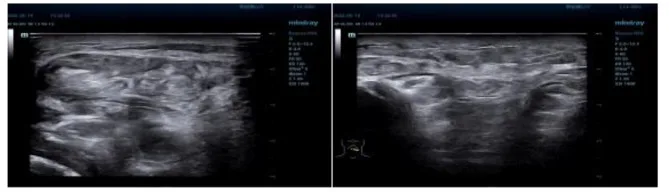
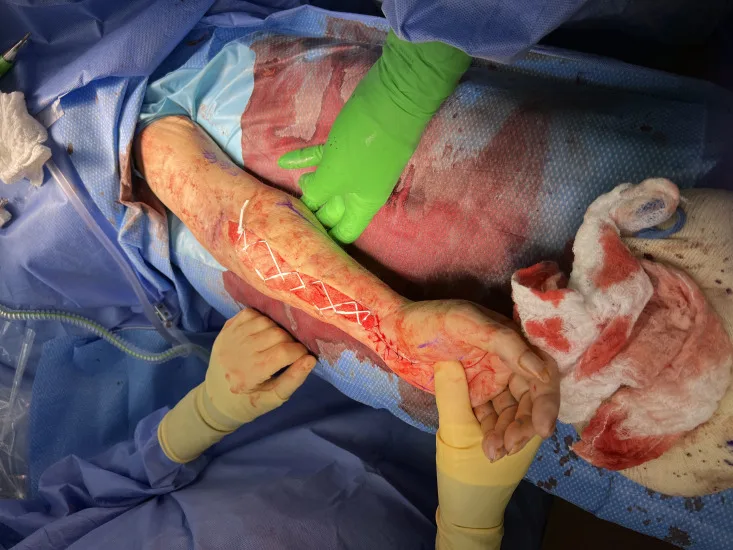
Lung Cancer Surgery Followed by Severe Arm Ischemia and Amputation

Patient Info: Anonymized, female

A woman in her mid-60s underwent surgery for lung adenocarcinoma and then developed severe arterial-line-related arm ischemia that ultimately required an above-elbow amputation.

PubMed Central
OutcomeNot reported
A patient, who was diagnosed with Stage II Lung AdenocarcinomaLung Cancer

Lung adenocarcinoma mimicking interstitial lung disease: Stage IIB diagnosis after VATS biopsy

Patient Info: Anonymized, Male, 50s | Stage II

Biomarkers: CK7-positive; CK20-positive; TTF-1-positive; CDX2-negative; no EGFR/ALK/ROS1/KRAS molecular results provided

As of January 2025, he had recovered from diagnostic VATS wedge resection/biopsies for reported Stage IIB lung adenocarcinoma and was referred for definitive oncology and pulmonology management.

PubMed Central
OutcomeCare Ongoing
A patient, who was diagnosed with Stage III Lung Squamous Cell CarcinomaLung Cancer

Stage 3 squamous cell lung cancer: major response to chemo-immunotherapy

Patient Info: Anonymized, Male, 70+ | Stage III

Biomarkers: PD-L1 30-40%

After neoadjuvant chemoimmunotherapy and sleeve right lower lobectomy, pathology showed major pathological response with negative margins, and no metastasis or recurrence was observed 6 months after surgery.

PubMed Central
OutcomeCancer-Free / NED
A patient, who was diagnosed with Stage IV Lung AdenocarcinomaLung Cancer

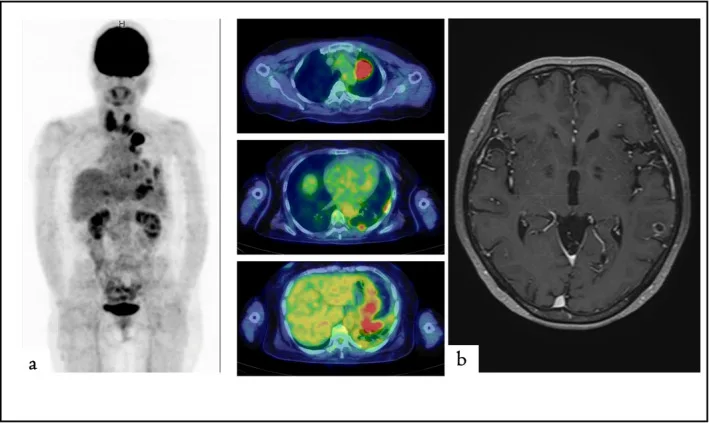
ALK-Positive Metastatic Lung Cancer Responding to Lorlatinib During Hemodialysis

Patient Info: Anonymized, female, 70+ | Stage IV

Biomarkers: ALK rearrangement 80%; EGFR and BRAF negative; ROS1 negative; PD-L1 negative

Metastatic Site: brain

After about 1 year of lorlatinib, imaging was almost compatible with a complete response, brain MRI showed no active lesions, and she continued treatment with manageable high cholesterol as the main reported side effect.

PubMed Central
OutcomeResponding Well
A patient, who was diagnosed with Stage IV Small Cell Lung CancerLung Cancer

Lung Adenocarcinoma That Transformed to Small Cell Cancer After Recurrence

Patient Info: Anonymized, male, 60s | Stage IV

Biomarkers: PD-L1 1%-24%; no druggable driver alteration identified

Metastatic Site: brain, liver

After treatment for the small-cell-transformed recurrence, the liver metastases showed sustained regression and progression-free survival had reached 13 months by September 2024.

PubMed Central
OutcomeResponding Well
A patient, who was diagnosed with Stage IV Lung AdenocarcinomaLung Cancer

EGFR-Mutant Lung Cancer With Pleomorphic Transformation Treated With Local Surgery

Patient Info: Anonymized, female, 60s | Stage IV

Biomarkers: EGFR L858R mutation; PD-L1 less than 1% initially and greater than 75% after transformation

Metastatic Site: brain

Nine months after surgery for isolated progression, no recurrence had been seen and she remained on osimertinib.

PubMed Central
OutcomeResponding Well