Radiation for Lung Cancer: 264 Real Stories

264 stories match lung cancer and radiation. 187 of them mention chemotherapy.

Kelsey, who was diagnosed with Stage IV Lung CancerLung Cancer

Stage IV EGFR Lung Cancer: Kelsey's Patient Story

Patient Info: Kelsey, Female, Under 40 | Stage IV

Biomarkers: EGFR mutation; later ALK mutation after progression

Metastatic Site: Bone — pelvis and spine/L5

Living with Stage IV lung cancer on a clinical trial after progression, with current treatment described as working and quality of life improved.

The Patient Story
OutcomeResponding Well
A patient, who was diagnosed with Stage I Lung AdenocarcinomaLung Cancer

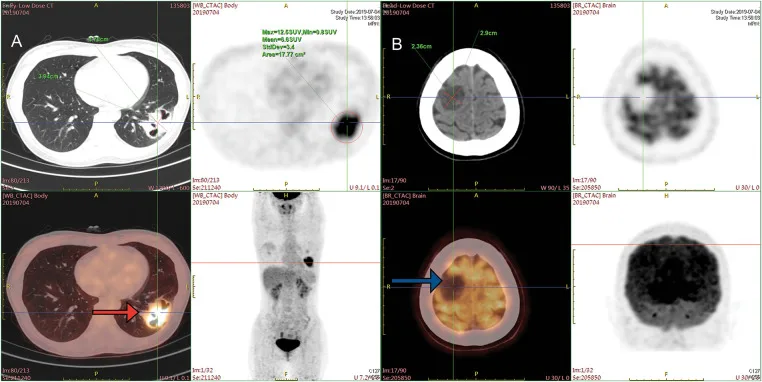
Synchronous Stage IA lung adenocarcinoma and grade 4 glioblastoma: lung nodule regressed during brain-cancer therapy

Patient Info: Anonymized, Female, 70+ | Stage I

Biomarkers: Lung molecular biomarkers not reported; glioblastoma biomarker details not summarized in library fields

The Stage IA lung adenocarcinoma was monitored without lung-directed therapy and decreased from 18 mm to 9 mm while CNS-directed glioblastoma treatment continued; she remained alive with no lung cancer progression.

PubMed Central
OutcomeCare Ongoing
A patient, who was diagnosed with Lung AdenocarcinomaLung Cancer

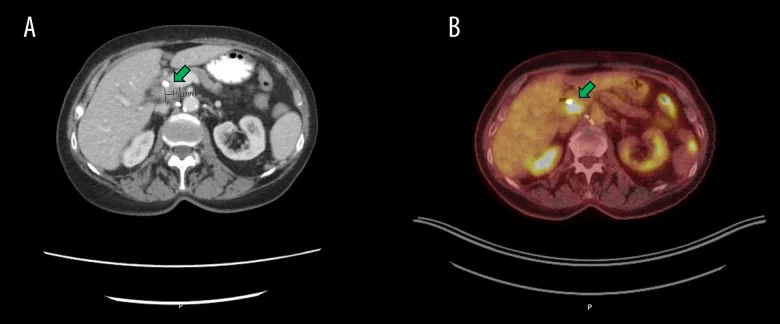
Recurrent lung adenocarcinoma with isolated pancreatic metastasis: Whipple resection after discordant tumor-origin testing

Patient Info: Anonymized, Female, 70+ | Stage Metastatic/Advanced

Biomarkers: Pancreatic lesion showed KRAS

Metastatic Site: mediastinal lymph node; pancreas

After prior lung surgery, adjuvant chemotherapy, and later chemoradiation for mediastinal nodal recurrence, an isolated pancreatic lesion was resected by Whipple procedure; post-Whipple recurrence status was not yet reported.

PubMed Central
OutcomeCare Ongoing
A patient, who was diagnosed with Small Cell Lung CancerLung Cancer

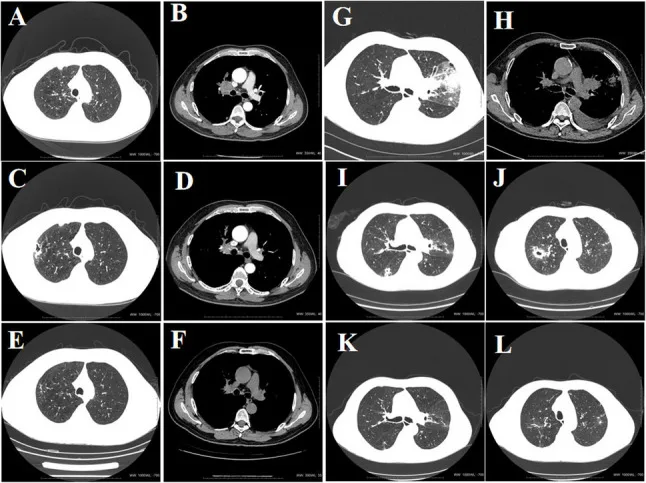
Small-cell lung cancer: envafolimab response complicated by immune-related diabetes, pneumonitis, and later submandibular progression

Patient Info: Anonymized, Male, 60s | Stage Metastatic/Advanced

Biomarkers: ProGRP and NSE were elevated at diagnosis. Tumor molecular biomarkers were not reported; diabetes antibodies were negative.

Metastatic Site: left submandibular region / adjacent lymph nodes

After initial partial response on envafolimab, carboplatin, etoposide, and thoracic radiotherapy, he developed immune-related diabetes, pneumonitis, and progressive left submandibular metastatic disease requiring iodine-125 seeds and later anlotinib.

PubMed Central
OutcomeSetback / Progression
Roxanne, who was diagnosed with Stage III Lung CancerLung Cancer

Stage III EGFR Lung Cancer: Roxanne's Patient Story

Patient Info: Roxanne, Female, 40s | Stage III

Biomarkers: EGFR mutation

Roxanne had Stage III EGFR-mutated lung cancer after surgery found mediastinal lymph-node involvement. As of March 2026, she was living with the long-term effects of surgery, chemotherapy, radiation, and ongoing EGFR-targeted therapy, while also managing the emotional and financial burden of cancer as a single parent.

The Patient Story
OutcomeCare Ongoing
Natalie, who was diagnosed with Stage IV Non-Small Cell Lung CancerLung Cancer

Stage IV Non-Small Cell Lung Cancer: Natalie's Patient Story

Patient Info: Natalie, Female, Under 40 | Stage IV

Metastatic Site: Spine

Natalie was living with Stage IV NSCLC after a double lung transplant gave her new lung function, but cancer later appeared in the spine and required renewed chemotherapy and radiation.

The Patient Story
OutcomeLiving With Cancer
Maggie, who was diagnosed with Stage IV Non-Small Cell Lung CancerLung Cancer

Stage IV EGFR Non-Small Cell Lung Cancer: Maggie's Patient Story

Patient Info: Maggie, Female, 60s | Stage IV

Biomarkers: EGFR mutation; MET amplification resistance mutation; MET overexpression

Metastatic Site: Brain

Maggie initially reached no evidence of disease on EGFR-targeted therapy, but later had repeated progression, including MET-amplification resistance and MET overexpression, requiring SBRT, a clinical trial, chemotherapy, and later-line targeted treatment.

The Patient Story
OutcomeSetback / Progression
Clara, who was diagnosed with Stage IV Non-Small Cell Lung CancerLung Cancer

Stage IV ALK Non-Small Cell Lung Cancer: Clara's Patient Story

Patient Info: Clara, Female, Under 40 | Stage IV

Biomarkers: ALK-positive / ALK-rearranged after repeat Tempus testing

Metastatic Site: Pelvis; spleen

As of February 2026, ALK-targeted therapy had improved Clara’s symptoms enough that she no longer needed a walker or cane, and upcoming scans would determine whether pelvic tumor surgery remained an option.

The Patient Story
OutcomeResponding Well
Phil, who was diagnosed with Stage IV Lung CancerLung Cancer

Stage IV ROS1 Lung Cancer: Phil's Patient Story

Patient Info: Phil, Male, 60s | Stage IV

Biomarkers: ROS1 mutation

Metastatic Site: Lymph nodes; other lung

Phil was living with incurable Stage IV ROS1-positive lung cancer. After initial chemotherapy, a ROS1-targeted pill worked for about 2 years, and he later continued on a Mass General clinical-trial treatment with follow-up every 3 months.

The Patient Story
OutcomeLiving With Cancer
Jennifer, who was diagnosed with Stage IV Small Cell Lung CancerLung Cancer

Stage IV Small Cell Lung Cancer: Jennifer's Survivor Story

Patient Info: Jennifer Robertson, Female, 40s | Stage IV

Metastatic Site: Collar bones; shoulder blades; femur; pancreas;…

As of February 2026, Jennifer had shown no evidence of disease since August 2025 after tarlatamab-dlle and whole-brain radiation, while continuing tarlatamab infusions every other Monday and scans every 3 months.

MD Anderson
OutcomeCancer-Free / NED
A patient, who was diagnosed with Stage IV Lung AdenocarcinomaLung Cancer

EGFR-mutant lung adenocarcinoma with acquired ROS1 rearrangement after EGFR-TKI resistance

Patient Info: Anonymized, Female, 50s | Stage IV

Biomarkers: EGFR exon 19 deletion; acquired EGFR T790M; acquired EZR exon10-ROS1 exon34 rearrangement

Metastatic Site: bone (distal femur); contralateral lung;…

After fourth-line crizotinib for acquired EZR-ROS1 rearrangement, response evaluation on August 27, 2025 showed partial response, and September 2025 bone scan showed stable bone lesions.

PubMed Central
OutcomeResponding Well
A patient, who was diagnosed with Stage IV Lung AdenocarcinomaLung Cancer

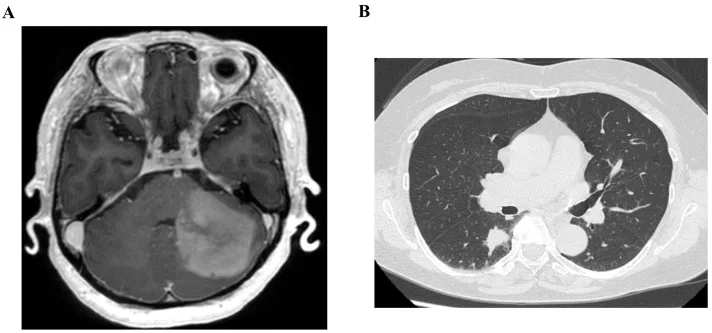
Stage 4 lung cancer: never-smoker with complete remission

Patient Info: Anonymized, Female, 50s | Stage IV

Biomarkers: EGFR20ins mutation; TP53 p.Q192 mutation; PD-L1 TPS 0%; CPS 0%

Metastatic Site: bilateral lungs, mediastinal lymph nodes, bilateral…

The patient had a durable response to high-dose furmonertinib, later developed a right cerebellar metastasis treated with stereotactic radiation, and continued to benefit from furmonertinib as of April 2025 with 27 months of progression-free survival reported.

PubMed Central
OutcomeResponding Well
A patient, who was diagnosed with Non-Small Cell Lung CancerLung Cancer

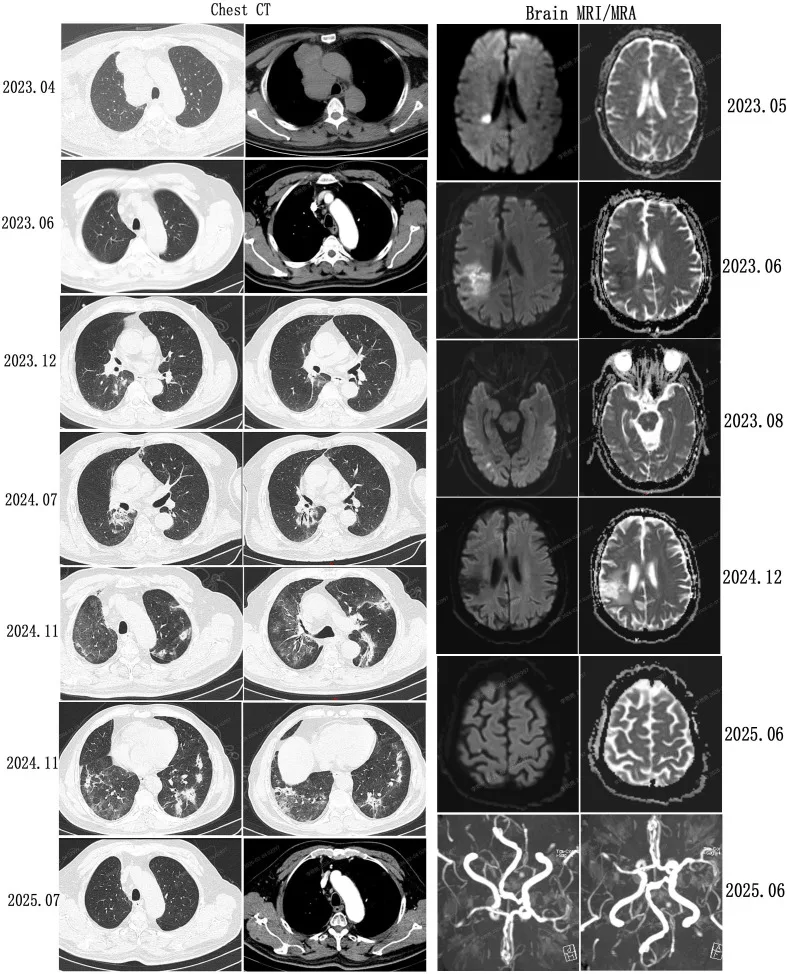
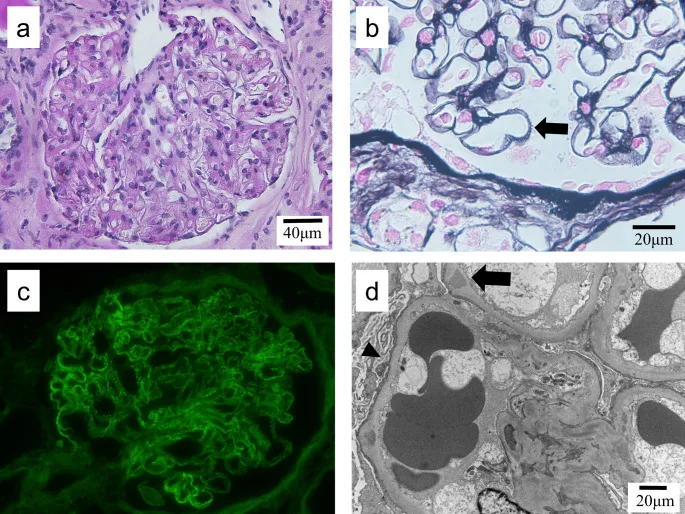
Kidney damage as a rare side effect of durvalumab immunotherapy

Patient Info: Anonymized, Male, 70+

The lung-cancer burden decreased during treatment. Durvalumab was stopped because of nephrotic syndrome, which achieved sustained complete remission with prednisolone.

PubMed Central
OutcomeResponding Well
A patient, who was diagnosed with Stage IV Lung AdenocarcinomaLung Cancer

Lynch-associated lung and colorectal cancers responded to immunotherapy

Patient Info: Anonymized, Female, 50s | Stage IV

Biomarkers: dMMR/MSI-H pattern with MLH1/PMS2 loss and germline MLH1 mutation; KRAS and PTEN mutations; PD-L1 TPS 15%.

Metastatic Site: right paraspinal metastatic lesion from lung…

After starting iparomlimab plus tuvonralimab, pleural and pelvic disease improved, intestinal wall involvement decreased further after 5 cycles, the paraspinal lung metastasis remained stable, tumor markers stayed normal, and treatment continued.

PubMed Central
OutcomeResponding Well
Jennifer, who was diagnosed with Stage IV Non-Small Cell Lung CancerLung Cancer

Stage IV EGFR Non-Small Cell Lung Cancer: Jennifer's Patient Story

Patient Info: Jennifer, Female | Stage IV

Biomarkers: EGFR genomic mutation

Metastatic Site: Not reported

Jennifer is alive more than 5.5 years after a Stage IV adenocarcinoma diagnosis, continuing EGFR-targeted treatment and living with ongoing side effects and surveillance needs.

The Patient Story
OutcomeLiving With Cancer
A patient, who was diagnosed with Stage IV Lung AdenocarcinomaLung Cancer

Stage IV METex14 lung adenocarcinoma: responding well to capmatinib and SBRT

Patient Info: Anonymized, Male, 70+ | Stage IV

Biomarkers: MET exon 14 skipping mutation; PD-L1 >80%. EGFR/RAS/MEK wild type; lung-origin markers present.

Metastatic Site: brain; bone (thoracic/lumbar vertebrae, right iliac…

At 24 months after diagnosis, he was alive, asymptomatic, and continuing capmatinib with no evidence of progression and excellent tolerance.

PubMed Central
OutcomeResponding Well
A patient, who was diagnosed with Stage IV Lung AdenocarcinomaLung Cancer

Stage IV NSCLC with brain and leptomeningeal metastases responding to radiotherapy, camrelizumab, GM-CSF, and chemotherapy

Patient Info: Anonymized, Male, 50s | Stage IV

Biomarkers: Lung cancer markers supported adenocarcinoma. PD-L1 negative; no common lung driver found; TMB high; MSI not detected.

Metastatic Site: brain, leptomeningeal disease, left supraclavicular…

As of March 2025, leptomeningeal metastases had complete response, brain lesions had further regression, the lung lesion had decreased from 76 mm to 21 mm, and overall disease remained in partial response with 69 months of progression-free survival since radiotherapy.

PubMed Central
OutcomeResponding Well
A patient, who was diagnosed with Stage IV Non-Small Cell Lung CancerLung Cancer

Stage IVB SMARCA4-deficient NSCLC with brain metastasis: stable disease after surgery, radiation, chemotherapy, immunotherapy, and bevacizumab

Patient Info: Anonymized, Male, 70+ | Stage IV

Biomarkers: SMARCA4/BRG-1 loss with TP53 and other mutations; TMB high; PD-L1 <1%; MSI-H not detected.

Metastatic Site: brain

As of October 2025, the patient had stable disease, no brain recurrence, a controlled left lower-lobe lung lesion, and manageable treatment toxicity while continuing bevacizumab plus pemetrexed maintenance.

PubMed Central
OutcomeLiving With Cancer
A patient, who was diagnosed with Stage IV Lung Squamous Cell CarcinomaLung Cancer

Synchronous primary squamous lung cancers: long disease control after multimodal therapy, then Stage IVA lung recurrence

Patient Info: Anonymized, Male, 60s | Stage IV

Biomarkers: Squamous lung cancers with PD-L1 20% and no driver mutation detected; P40/P63 markers supported squamous type.

Metastatic Site: bilateral lung metastases at recurrence

As of November 2025, the patient had achieved 72 months of progression-free survival and remained alive at 75 months, but had developed Stage IVA recurrent pulmonary squamous cell carcinoma with bilateral lung metastases and had restarted systemic therapy.

PubMed Central
OutcomeSetback / Progression