Chemotherapy for Lung Cancer: 428 Real Stories

428 stories match lung cancer and chemotherapy. 224 of them mention immunotherapy.

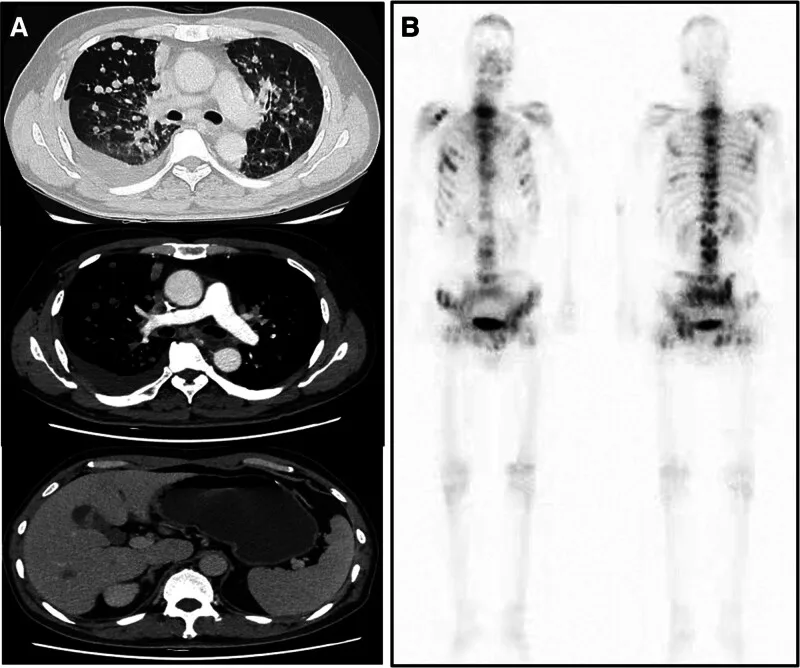
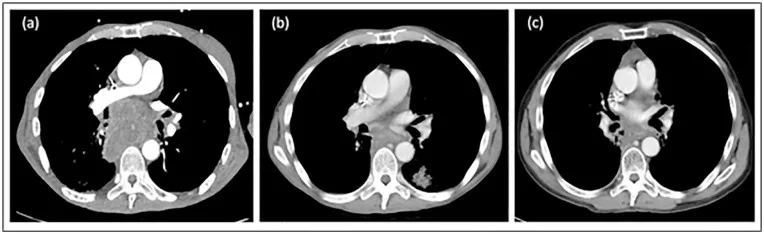
A patient, who was diagnosed with Stage IV Small Cell Lung CancerLung Cancer

Stage 4 small cell lung cancer with paraneoplastic neurological syndrome

Patient Info: Anonymized, Female, 60s | Stage IV

Biomarkers: Paraneoplastic antibody panel positive for anti-Hu, anti-AMPH, anti-Ri

Metastatic Site: left axillary lymph nodes

Over 2 years of follow-up, CT showed stable complete response, tumor markers stayed normal, no new metastases appeared, and neurological symptoms did not worsen.

PubMed Central
OutcomeCancer-Free / NED
Brian, who was diagnosed with Stage III Small Cell Lung CancerLung Cancer

Stage III Small Cell Lung Cancer: Brian's Patient Story

Patient Info: Brian, Male | Stage III

Brian was early in treatment for Stage III limited-stage small cell lung cancer. As of February 2025, he had completed 1 round of chemotherapy, was starting concurrent radiation, and was waiting on PET scan results to assess response or spread.

The Patient Story
OutcomeCare Ongoing
Brian, who was diagnosed with Small Cell Lung CancerLung Cancer

Small Cell Lung Cancer: Brian's Patient Story

Patient Info: Brian, Male, 40s

As of February 2025, Brian was actively receiving chemotherapy and twice-daily radiation for limited-stage small cell lung cancer and remained hopeful during treatment.

The Patient Story
OutcomeCare Ongoing
A patient, who was diagnosed with Stage IV Lung AdenocarcinomaLung Cancer

Fatal Multiorgan Failure After Pembrolizumab-Based Treatment for Metastatic Lung Cancer

Patient Info: Anonymized, female | Stage IV

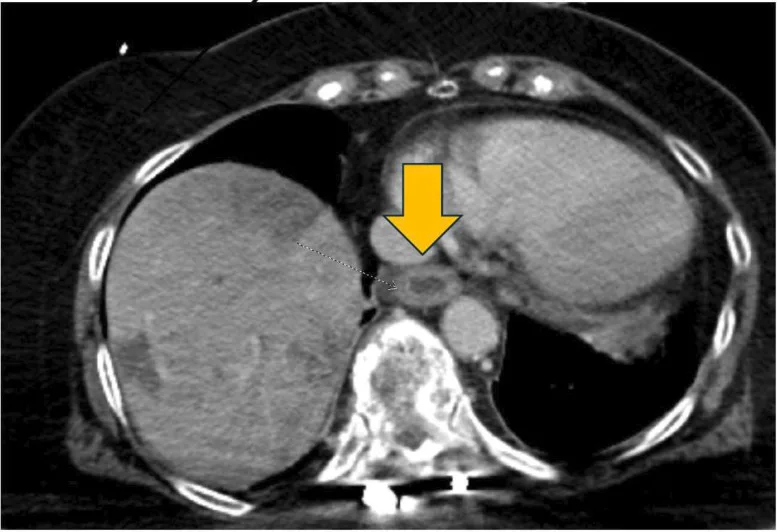
She died less than 12 hours after hospital presentation with rapidly progressive multiorgan failure one week after the first pembrolizumab-based treatment cycle; immune-related toxicity was strongly suspected, although the rapid decline limited full evaluation.

PubMed Central
OutcomeIn Memory
A patient, who was diagnosed with Lung AdenocarcinomaLung Cancer

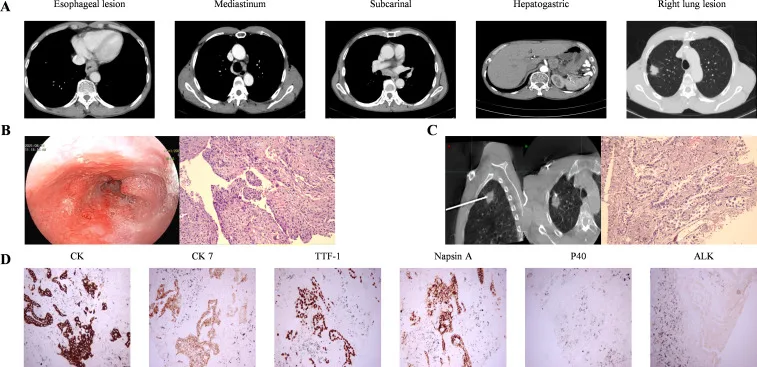
Treating Lung Adenocarcinoma Alongside a Separate Esophageal Cancer

Patient Info: Anonymized, male, 60s

Biomarkers: PD-L1 negative; ALK negative; no mutations detected on lung-cancer testing

By July 2024, the lung lesion remained in partial response and he was alive 36 months after the synchronous cancer diagnoses, eating well and gaining weight.

PubMed Central
OutcomeResponding Well
A patient, who was diagnosed with Stage IV Lung AdenocarcinomaLung Cancer

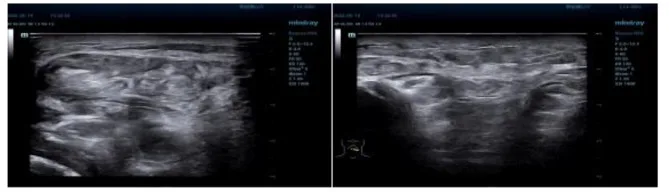
Lung Adenocarcinoma With Rare Skin Metastasis to the Neck

Patient Info: Anonymized, male, 50s | Stage IV

Metastatic Site: neck skin

The lung cancer later spread to the neck skin, and he died during the following year after stopping further treatment.

PubMed Central
OutcomeIn Memory
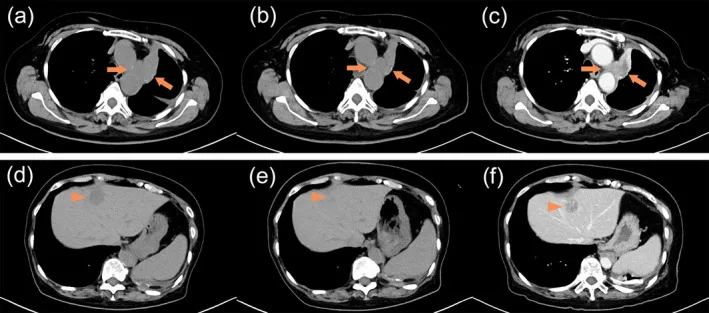
A patient, who was diagnosed with Stage IV Non-Small Cell Lung CancerLung Cancer

Advanced Non-Small Cell Lung Cancer With ERBB2 and TP53 Mutations

Patient Info: Anonymized, male, 50s | Stage IV

Biomarkers: ERBB2 exon 20 Y772-A775dup mutation; TP53 mutation; PD-L1 TPS 0%

Metastatic Site: liver, bone, both lungs

Imaging after treatment showed stable disease, and he remained in good condition while continuing maintenance pemetrexed and bevacizumab.

PubMed Central
OutcomeStable Disease
A patient, who was diagnosed with Stage IV Small Cell Lung CancerLung Cancer

ALK-Fusion Small Cell Lung Cancer Responding to ALK-Targeted Therapy

Patient Info: Anonymized, female, 40s | Stage IV

Biomarkers: EML4-ALK fusion

Metastatic Site: brain

After several earlier treatments stopped controlling the cancer, ALK-targeted iruplinalkib produced a partial response and was still controlling disease after more than 8 months.

PubMed Central
OutcomeResponding Well
Eugenia, who was diagnosed with Stage IV Non-Small Cell Lung CancerLung Cancer

Stage IV Non-Small Cell Lung Cancer: Eugenia's Patient Story

Patient Info: Eugenia Horan, Female, 40s | Stage IV

Eugenia became Stage IV while critically ill in the ICU and was later told hospice might be appropriate, but she started Keytruda on August 29, 2019 and was alive 5 years later. As of February 2025, she described that treatment as the medicine that saved her.

The Patient Story
OutcomeResponding Well
Stephanie, who was diagnosed with Stage II Non-Small Cell Lung CancerLung Cancer

Stage II ALK Non-Small Cell Lung Cancer: Stephanie's Survivor Story

Patient Info: Stephanie, Female | Stage II

Biomarkers: ALK-rearranged

As of January 2025, Stephanie had clean scans and bloodwork for 3 years after Stage IIB ALK-positive lung adenocarcinoma treated with surgery, 4 rounds of chemotherapy, and ongoing daily targeted therapy.

The Patient Story
OutcomeCancer-Free / NED
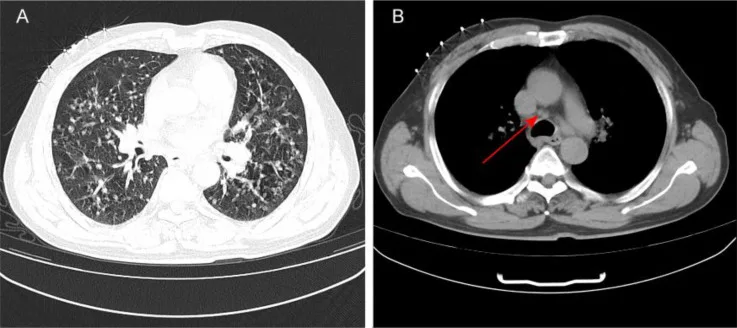
A patient, who was diagnosed with Stage III Small Cell Lung CancerLung Cancer

Stage III small cell lung cancer with paraneoplastic optic disc swelling

Patient Info: Anonymized, Male, 70+ | Stage III

Biomarkers: anti-CV2/CRMP-5 positive; anti-Hu positive

Eighteen months after diagnosis, there was no evidence of cancer recurrence. Optic disc swelling had fully resolved after steroid treatment, with preserved visual function.

PubMed Central
OutcomeCancer-Free / NED
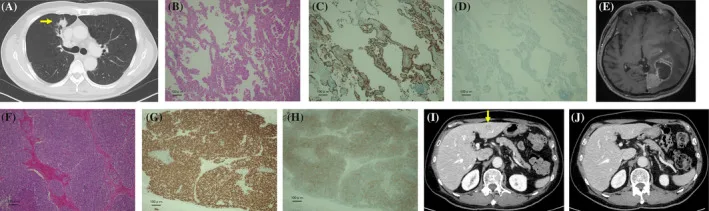
A patient, who was diagnosed with Stage IV Lung AdenocarcinomaLung Cancer

Metastatic Lung Adenocarcinoma With a Serious Immune-Therapy Pituitary Complication

Patient Info: Anonymized, male, 60s | Stage IV

Biomarkers: No detected EGFR, ALK, ROS1, RET, MET or HER2 alterations

Metastatic Site: brain, meninges, skull, bone, pituitary

The cancer had progressed to extensive brain, skull and bone involvement after several treatments. Steroid treatment improved the severe thirst, high urine output and other symptoms from immune-related hypophysitis.

PubMed Central
OutcomeSetback / Progression
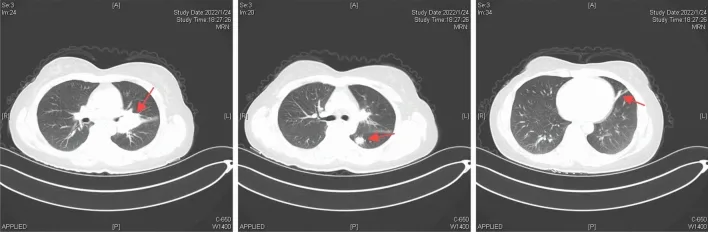
A patient, who was diagnosed with Stage IV Small Cell Lung CancerLung Cancer

Stage IV small cell lung cancer: no abnormality after chemotherapy, radiotherapy, and TCM follow-up

Patient Info: Anonymized, Male, 60s | Stage IV

Metastatic Site: bilateral lungs; left supraclavicular lymph nodes;…

After chemotherapy, radiotherapy, supportive care, and longitudinal TCM follow-up, imaging showed disappearance of the main lung, nodal, and intrapulmonary lesions, with no abnormality found after 4 years of follow-up.

PubMed Central
OutcomeCancer-Free / NED
Stephanie, who was diagnosed with Stage II Lung AdenocarcinomaLung Cancer

Stage II ALK Lung Adenocarcinoma: Stephanie's Patient Story

Patient Info: Stephanie Williams, Female | Stage II

Biomarkers: ALK-rearranged

Stephanie had clean scans nearly 3 years after diagnosis but remained on daily ALK-targeted therapy to reduce recurrence risk.

The Patient Story
OutcomeCare Ongoing
A patient, who was diagnosed with Small Cell Lung CancerLung Cancer

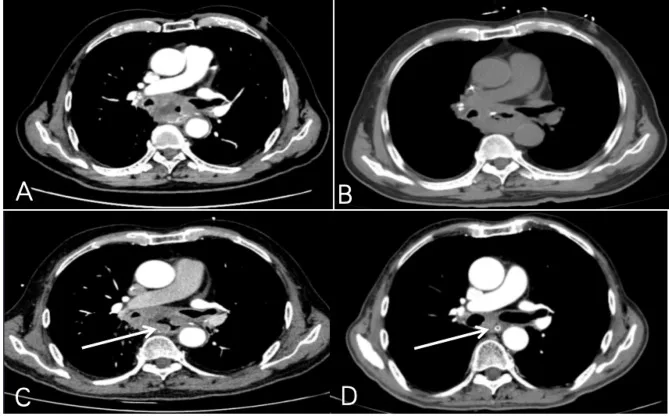
Limited-stage SCLC with paraneoplastic syndrome: complete response

Patient Info: Anonymized, Female, 50s

Biomarkers: SCLC markers: TTF-1 and synaptophysin positive, Ki-67 ~85%; anti-CV2/CRMP5 and anti-SOX1 antibodies positive.

Remission at 6 years after carboplatin/etoposide chemotherapy, thoracic radiation, and prophylactic cranial irradiation for limited-stage SCLC with paraneoplastic cerebellar degeneration.

PubMed Central
OutcomeCancer-Free / NED
A patient, who was diagnosed with Stage IV Lung Squamous Cell CarcinomaLung Cancer

Stage IV Squamous Lung Cancer Complicated by an Esophageal-Mediastinal Fistula

Patient Info: Anonymized, male, 70+ | Stage IV

Metastatic Site: brain, bone

Four months after the fistula was treated conservatively, imaging showed the fistula had resolved and the lung tumor and metastatic hilar nodes had decreased despite no additional antitumor treatment during that interval.

PubMed Central
OutcomeResponding Well
A patient, who was diagnosed with Stage IV Small Cell Lung CancerLung Cancer

Small Cell Lung Cancer With Rapidly Progressive Paraneoplastic Neuropathy

Patient Info: Anonymized, male, 50s | Stage IV

Metastatic Site: adrenal glands

Despite a partial tumor response, severe ascending motor and sensory neuropathy progressed to respiratory compromise. He chose supportive care and died 3 weeks after the neurologic symptoms began.

PubMed Central
OutcomeIn Memory
A patient, who was diagnosed with Stage II Lung Squamous Cell CarcinomaLung Cancer

Stage IIIA squamous lung cancer: surgery after nivolumab-related complications

Patient Info: Anonymized, Female, 70+ | Stage II

Biomarkers: PD-L1 TPS 99% before treatment; PD-L1 TPS 70% in postoperative hilar lymph node; TPOAb and TgAb normal during thyroiditis workup

As of January 2025, the patient had no recurrence 7 months after neoadjuvant nivolumab/carboplatin/paclitaxel and 5 months after thoracoscopic right upper lobectomy with lymph node dissection.

PubMed Central
OutcomeCancer-Free / NED
A patient, who was diagnosed with Stage IV Small Cell Lung CancerLung Cancer

Lung Adenocarcinoma That Transformed to Small Cell Cancer After Recurrence

Patient Info: Anonymized, male, 60s | Stage IV

Biomarkers: PD-L1 1%-24%; no druggable driver alteration identified

Metastatic Site: brain, liver

After treatment for the small-cell-transformed recurrence, the liver metastases showed sustained regression and progression-free survival had reached 13 months by September 2024.

PubMed Central
OutcomeResponding Well
A patient, who was diagnosed with Stage IV Lung Squamous Cell CarcinomaLung Cancer

Stage IVA pulmonary squamous cell carcinoma with nasal and bone metastases: response after paclitaxel, carboplatin, and tislelizumab

Patient Info: Anonymized, Male, 50s | Stage IV

Biomarkers: PD-L1 15%

Metastatic Site: nasal region/skin; bone (left acromion)

The lung tumor and nasal metastasis regressed after paclitaxel/carboplatin plus tislelizumab, symptoms improved, no immune-related pneumonitis/colitis/hepatitis occurred, and progression-free survival exceeded 12 months.

PubMed Central
OutcomeResponding Well
A patient, who was diagnosed with Stage IV Lung AdenocarcinomaLung Cancer

MET Y1003N-Mutant Lung Adenocarcinoma Responding to Tepotinib

Patient Info: Anonymized, female, 60s | Stage IV

Biomarkers: MET mutation

Metastatic Site: bone

Tepotinib produced an 8-month response after many earlier treatments, but the cancer later recurred and she died about 3 years after treatment began.

PubMed Central
OutcomeIn Memory