Chemotherapy for Lung Cancer: 428 Real Stories

428 stories match lung cancer and chemotherapy. 224 of them mention immunotherapy.

A patient, who was diagnosed with Stage IV Lung AdenocarcinomaLung Cancer

Stage IVA lung adenocarcinoma: fatal hemoptysis from pulmonary artery pseudoaneurysm after chemoradiotherapy

Patient Info: Anonymized, Female, 40s | Stage IV

Biomarkers: CEA 62 ng/mL; CA19-9 and neuron-specific enolase within normal limits; no molecular biomarkers reported

Metastatic Site: bone (11th thoracic vertebra)

The patient died from airway obstruction after massive hemoptysis caused by rupture of a pulmonary artery pseudoaneurysm that developed at the tumor-invaded pulmonary artery site after chemoradiotherapy.

PubMed Central
OutcomeIn Memory
A patient, who was diagnosed with Stage IV Small Cell Lung CancerLung Cancer

Extensive-stage small-cell lung cancer with serplulimab-associated diabetes: care ongoing

Patient Info: Anonymized, Male, 60s | Stage IV

Biomarkers: Tumor biomarkers not reported. Diabetes workup after immunotherapy: autoantibodies negative, C-peptide very low.

After 11 days in the hospital, diabetic ketoacidosis was controlled; he continued insulin therapy with good glucose control and resumed serplulimab plus levothyroxine.

PubMed Central
OutcomeCare Ongoing
A patient, who was diagnosed with Stage IV Small Cell Lung CancerLung Cancer

Extensive-stage small-cell lung cancer with serplulimab-associated diabetes

Patient Info: Anonymized, Male, 70+ | Stage IV

Biomarkers: Tumor biomarkers not reported. Diabetes autoantibodies were negative, C-peptide was low, and hypothyroidism labs were severe.

After 10 days of hospitalization, diabetic ketoacidosis was controlled; he was discharged on insulin therapy and resumed serplulimab immunotherapy.

PubMed Central
OutcomeCare Ongoing
A patient, who was diagnosed with Stage III Lung AdenocarcinomaLung Cancer

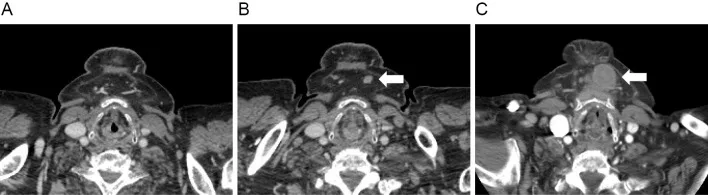
Stage IIIA lung adenocarcinoma: complete metabolic remission after chemoradiotherapy, complicated by radiation esophagitis

Patient Info: Anonymized, Male, 70+ | Stage III

Biomarkers: No molecular biomarkers reported

The primary lung lesion achieved complete metabolic remission after concurrent chemoradiotherapy, and radiation esophagitis/stricture improved with conservative management until swallowing returned to a normal diet by 16 months.

PubMed Central
OutcomeCancer-Free / NED
A patient, who was diagnosed with Stage IV Non-Small Cell Lung CancerLung Cancer

Stage IV lung adenocarcinoma with paraneoplastic nephrotic syndrome during pembrolizumab therapy

Patient Info: Anonymized, Male, 60s | Stage IV

Biomarkers: PD-L1 tumor proportion score >50% by Roche SP263 assay; KRAS exon 3 mutation; NGS/FISH did not identify targets for first-line targeted therapy

Metastatic Site: brain, bone

Pembrolizumab produced partial response and improved nephrotic-syndrome parameters, but bone metastases progressed in September 2022 and the right upper-lobe target lesion progressed 2 months later, leading to carboplatin plus pemetrexed.

PubMed Central
OutcomeSetback / Progression
A patient, who was diagnosed with Stage IV Lung Squamous Cell CarcinomaLung Cancer

Stage IVA right lung squamous cell carcinoma: partial response complicated by camrelizumab-related pneumonitis and pulmonary bullae

Patient Info: Anonymized, Male, 70+ | Stage IV

Biomarkers: Squamous lung cancer marker profile: P40/CK5/6 positive, TTF-1/Napsin A negative. CEA/CYFRA tumor markers were elevated. PD-L1 not reported.

Metastatic Site: suspected pleural involvement / right pleural effusion

The cancer had a partial response to albumin-bound paclitaxel, carboplatin, and camrelizumab; camrelizumab was stopped after suspected immune-related pneumonitis, pulmonary embolism, and reversible pulmonary bullae, which improved after methylprednisolone was resumed.

PubMed Central
OutcomeResponding Well
Emily, who was diagnosed with Stage IV Lung CancerLung Cancer

Stage IV EGFR Lung Cancer: Emily's Patient Story

Patient Info: Emily, Female, 40s | Stage IV

Biomarkers: EGFR mutation

Metastatic Site: Right lung; right 8th rib; sacrum; pancreas; brain

Emily had Stage IV EGFR-mutated lung cancer treated with daily targeted therapy, 4 rounds of chemotherapy, and later radiation. As of September 2025, she felt well and described being almost/basically in remission, but her cancer remained treatable rather than curable and she continued daily targeted therapy.

The Patient Story

OutcomeResponding Well
Lauren, who was diagnosed with Stage IV Non-Small Cell Lung CancerLung Cancer

Stage IV HER2-Positive Non-Small Cell Lung Cancer: Lauren's Patient Story

Patient Info: Lauren, Female, Under 40 | Stage IV

Biomarkers: HER2 mutation

Metastatic Site: Bones/ribs/shoulder; liver

As of September 2025, after about 4 months of targeted therapy, Lauren reported better quality of life, resolved bone pain, improved liver pain, improved liver enzymes, and manageable infusion-week side effects.

The Patient Story

OutcomeResponding Well
A patient, who was diagnosed with Stage III Lung AdenocarcinomaLung Cancer

Stage IIIA KRAS p.G12V lung adenocarcinoma: pathologic complete response after chemoimmunotherapy and surgery

Patient Info: Anonymized, Female, 70+ | Stage III

Biomarkers: KRAS p.G12V mutation; PD-L1 0% tumor-cell staining; <1% tumor-associated inflammatory-cell staining; no EGFR, ALK, or ROS1 driver mutation reported

Pathology after lobectomy showed a pathologic complete response, and surveillance imaging 12 months later showed no evidence of disease recurrence.

PubMed Central
OutcomeCancer-Free / NED
A patient, who was diagnosed with Stage III Lung AdenocarcinomaLung Cancer

Stage IIIA lung adenocarcinoma complicated by severe atezolizumab-induced liver toxicity

Patient Info: Anonymized, Male, 60s | Stage III

Biomarkers: PD-L1 49%; case text describes triple-negative status without expanding the specific markers

The patient was discharged clinically stable but with guarded prognosis after atezolizumab-induced vanishing bile duct syndrome, requiring prednisone, mycophenolate mofetil, ursodeoxycholic acid, prophylaxis, and close oncology/internal medicine follow-up.

PubMed Central
OutcomeCare Ongoing
A patient, who was diagnosed with Stage IV Small Cell Lung CancerLung Cancer

Extensive-stage small-cell lung cancer with immune-related diabetes and stable disease at 2 years

Patient Info: Anonymized, Female, 60s | Stage IV

Biomarkers: Tumor PD-L1 not reported. Immune-related diabetes showed very low C-peptide and negative diabetes autoantibodies; thyroiditis also occurred.

Metastatic Site: pancreas; pleura/pleural effusion; mediastinal lymph…

Two years after the SCLC diagnosis, she was alive with stable oncologic disease after later brain metastases were treated with whole-brain radiotherapy, and she remained insulin-dependent.

PubMed Central
OutcomeLiving With Cancer
A patient, who was diagnosed with Small Cell Lung CancerLung Cancer

Small-cell lung cancer with anti-NMDAR encephalitis: neurologic recovery and cancer care ongoing

Patient Info: Anonymized, Male, 70+

Biomarkers: Anti-NMDAR antibodies positive in cerebrospinal fluid; tumor molecular markers not reported

He recovered without significant neurologic sequelae and had no recurrence of neuropsychiatric symptoms; SCLC treatment with carboplatin and paclitaxel began after discharge, and cancer remission status was not documented.

PubMed Central
OutcomeCare Ongoing
A patient, who was diagnosed with Stage IV Non-Small Cell Lung CancerLung Cancer

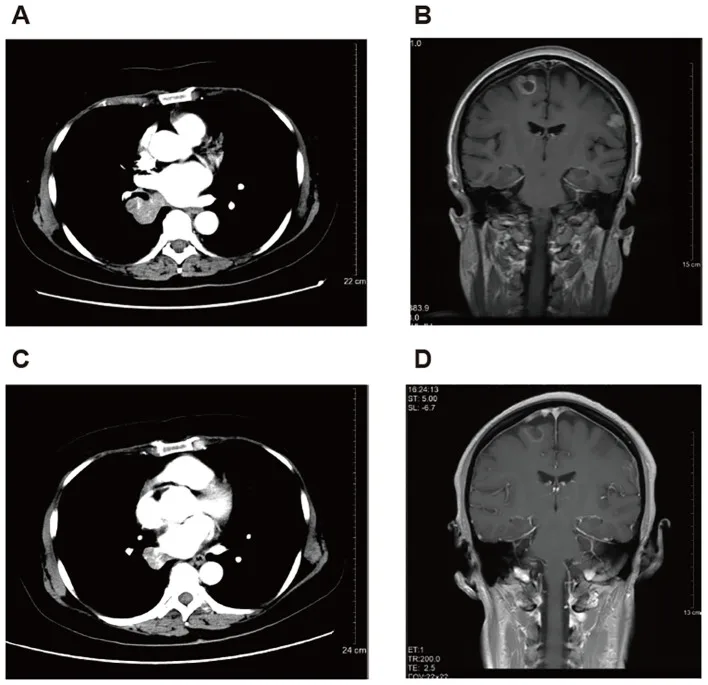
Metastatic lung adenocarcinoma with brain and iliac bone response to chemoimmunotherapy

Patient Info: Anonymized, Male, 60s | Stage IV

Biomarkers: PD-L1-negative; no EGFR, ALK, ROS1, RET, KRAS, BRAF, MET, HER2, or NTRK alteration detected; TP53 mutation found.

Metastatic Site: left iliac bone, brain

Brain metastases achieved complete remission without cranial irradiation, and lung, bone, and brain lesions remained stable at last follow-up, with PFS of 35 months and OS exceeding 40 months.

PubMed Central
OutcomeResponding Well
Wyatt, who was diagnosed with Lung CancerLung Cancer

KRAS Lung Cancer: Wyatt's Patient Story

Patient Info: Wyatt, Male

Biomarkers: KRAS mutation mentioned indirectly; exact variant not stated in available source text

Wyatt was living with lung cancer on ongoing chemotherapy and immunotherapy, with multiple prior lines of treatment and significant side effects. As of August 2025, he had tried to access clinical trials but had not enrolled.

The Patient Story
OutcomeLiving With Cancer
A patient, who was diagnosed with Stage IV Lung AdenocarcinomaLung Cancer

Stage IV lung adenocarcinoma with Aspergillus-associated empyema: disease control after chemotherapy and antifungal therapy

Patient Info: Anonymized, Male | Stage IV

Biomarkers: Pathogenic NF1 mutation; CEA elevated in pleural fluid; Aspergillus fumigatus cultured from bronchoalveolar lavage fluid

Metastatic Site: pleural disease/effusion (M1a)

After 6 cycles of pemetrexed/cisplatin and 6 months of antifungal therapy for Aspergillus-associated empyema, 12-month follow-up showed disease stability without recurrence.

PubMed Central
OutcomeResponding Well
A patient, who was diagnosed with Stage IV Non-Small Cell Lung CancerLung Cancer

Metastatic lung adenocarcinoma presenting with central diabetes insipidus

Patient Info: Anonymized, Male, 50s | Stage IV

Biomarkers: Weak TTF-1-positive; weak Napsin A-positive; weak p63-positive; CK5/6-negative; molecular testing not performed because of financial constraints

Metastatic Site: brain lesions, cervical spine bone lesions

He died shortly after the second cycle of platinum-based chemotherapy for metastatic lung adenocarcinoma that presented with central diabetes insipidus and brain/bone lesions.

PubMed Central
OutcomeIn Memory
A patient, who was diagnosed with Stage IV Small Cell Lung CancerLung Cancer

Stage IVA lung cancer with small-cell and adenocarcinoma components: mixed response before infection halted treatment

Patient Info: Anonymized, Male, 70+ | Stage IV

Biomarkers: PD-L1 <1%

Metastatic Site: bone (C2, T10, sacral vertebrae); malignant pleural…

The lung cancer showed mixed responses, with right-lung small-cell progression after chemotherapy/immunotherapy and later treatment interruption because of severe lung infection and respiratory failure.

PubMed Central
OutcomeSetback / Progression
A patient, who was diagnosed with Stage IV Non-Small Cell Lung CancerLung Cancer

Metastatic lung adenocarcinoma with HER2 V659E/amplification responding to trastuzumab deruxtecan

Patient Info: Anonymized, Female, 50s | Stage IV

Biomarkers: Initial lung testing showed no EGFR/ALK/ROS1 and PD-L1 TPS 3%. Later biopsy found HER2 V659E plus HER2 amplification.

Metastatic Site: liver, bone, brain

As of September 2024, metastatic lung adenocarcinoma had a sustained partial response to trastuzumab deruxtecan after HER2 V659E mutation and HER2 amplification were identified.

PubMed Central
OutcomeResponding Well
Clara, who was diagnosed with Stage IV Lung CancerLung Cancer

Stage IV Lung Cancer: Clara's Patient Story

Patient Info: Clara, Female, Under 40 | Stage IV

Biomarkers: Biomarker found but specific mutation not stated

Metastatic Site: Bone and joints; brain; liver/other organs

Clara was living with Stage IV metastatic lung cancer involving bone/joints, brain, and other organs. As of August 2025, she had received brain radiation and first-line chemotherapy plus immunotherapy, with ongoing lifelong immunotherapy planned.

The Patient Story
OutcomeLiving With Cancer
A patient, who was diagnosed with Stage IV Lung AdenocarcinomaLung Cancer

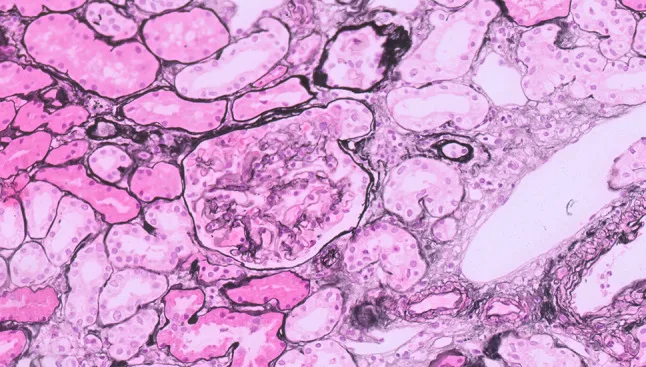
Recurrent lung adenocarcinoma with bevacizumab-associated glomerular microangiopathy

Patient Info: Anonymized, Male, 50s | Stage IV

Biomarkers: No tumor molecular biomarkers reported. Kidney biopsy and complement/immune deposits supported bevacizumab-related kidney microangiopathy.

Metastatic Site: pleura

He was living with recurrent metastatic lung adenocarcinoma after pleural spread and had persistent renal dysfunction and severe proteinuria from bevacizumab-associated glomerular microangiopathy despite stopping bevacizumab.

PubMed Central
OutcomeLiving With Cancer
Jenny, who was diagnosed with Lung CancerLung Cancer

Lung Cancer: Jenny's Patient Story

Patient Info: Jenny, Female

Jenny died from lung cancer in November 2023. As of August 2025, her husband Kyle was raising their children, continuing her advocacy around lung cancer awareness, and preserving her legacy.

The Patient Story
OutcomeIn Memory