Surgery for Breast Cancer: 974 Real Stories

974 stories match breast cancer and surgery. 653 of them mention chemotherapy.

Kelsey, who was diagnosed with Stage II Breast CancerBreast Cancer

Stage II HR-Positive Breast Cancer: Kelsey's Patient Story

Patient Info: Kelsey, Female, Under 40 | Stage II

Biomarkers: ER-positive

As of May 2025, Kelsey had completed chemotherapy, double mastectomy with reconstruction, and 16 radiation sessions, and was continuing tamoxifen with Verzenio planned for 2 years plus Lupron ovarian-suppression shots.

The Patient Story
OutcomeCare Ongoing
Samantha, who was diagnosed with Stage IV Invasive Ductal CarcinomaBreast Cancer

Stage IV HR-Positive Invasive Ductal Carcinoma: Samantha's Patient Story

Patient Info: Samantha, Female, Under 40 | Stage IV

Biomarkers: ER-positive; PR-positive; HER2-positive

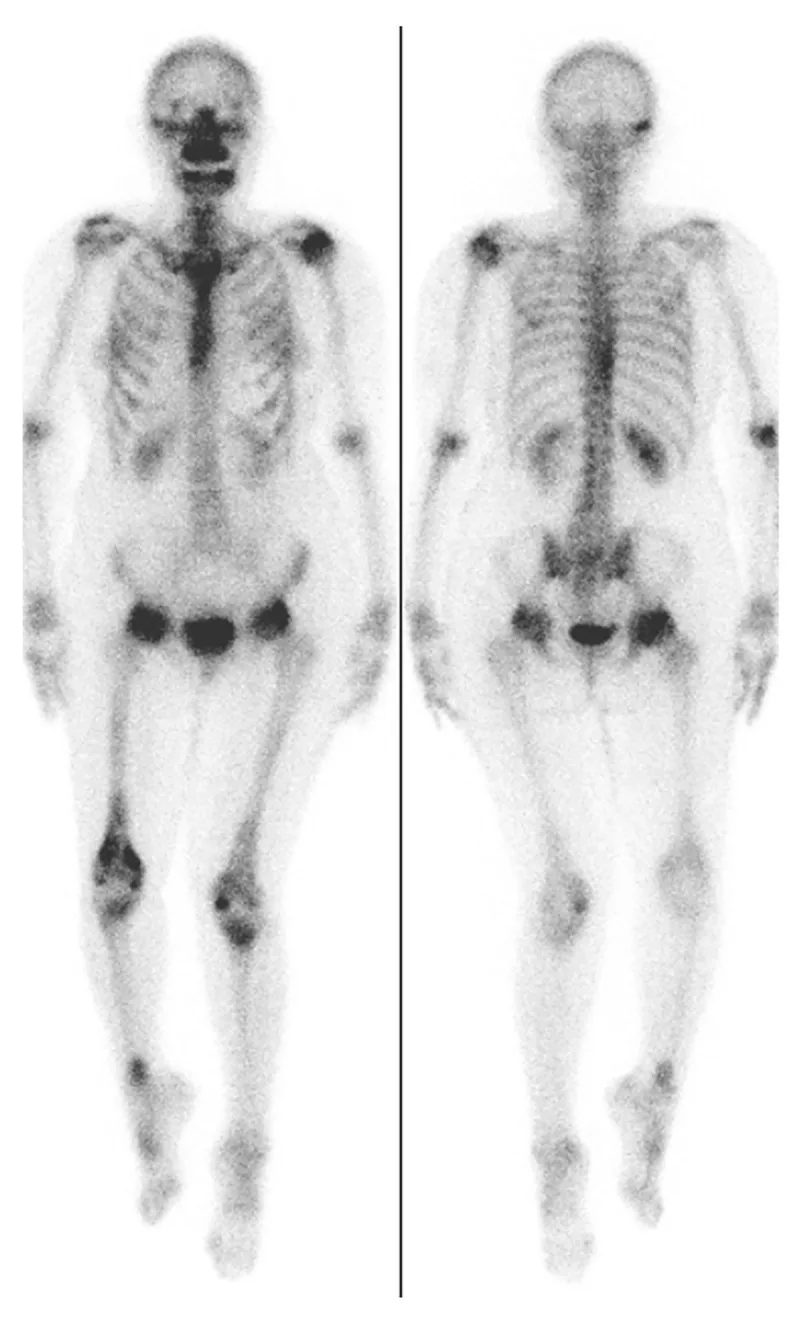
Metastatic Site: Rib; spine; pelvis

After a mixed response on the radium trial, Samantha changed to anastrozole and abemaciclib. She described the newer hormone-targeted combination as easier to tolerate and working better while remaining in ongoing treatment.

The Patient Story
OutcomeLiving With Cancer / Ongoing Therapy
LaShae, who was diagnosed with Stage II Invasive Ductal CarcinomaBreast Cancer

Stage II HR-Positive Invasive Ductal Carcinoma: LaShae's Patient Story

Patient Info: LaShae, Female, Under 40 | Stage II

Biomarkers: ER-positive; comprehensive genetic panel negative

As of May 2025, LaShae had completed mastectomy for Stage IIB ER-positive breast cancer with 2 positive lymph nodes and was undergoing chemotherapy, with radiation and 5-10 years of hormone therapy planned.

The Patient Story
OutcomeCare Ongoing
Christine, who was diagnosed with Stage III Breast CancerBreast Cancer

Stage III HR-Positive Breast Cancer: Christine's Survivor Story

Patient Info: Christine, Female, Under 40 | Stage III

Biomarkers: ER-positive; PR-positive; HER2-positive

Three years after diagnosis, Christine described herself in the survivorship stage and focused on the physical and emotional effects that continued after active treatment.

The Patient Story
OutcomeSurvivorship / Surveillance
Krista, who was diagnosed with Stage I Breast CancerBreast Cancer

Stage I Breast Cancer: Krista's Patient Story

Patient Info: Krista, Female | Stage I

Biomarkers: ATM mutation; hormone receptor-positive; HER2-negative; Oncotype DX score 1

As of May 2025, Krista had undergone double mastectomy with flap reconstruction for Stage IA hormone receptor-positive, HER2-negative breast cancer and was taking tamoxifen with minimal early side effects.

The Patient Story
OutcomeCare Ongoing
A patient, who was diagnosed with Stage IV Breast CancerBreast Cancer

Recurrent breast cancer with pleural disease: capecitabine stopped after cardiac complications

Patient Info: Anonymized, Female, 50s | Stage IV

Metastatic Site: pleura

As of May 2025, she was living with recurrent breast cancer involving the pleura after stopping capecitabine because of major cardiac complications; cardiac symptoms were medically managed with stable NYHA class II dyspnea at 3-month follow-up.

PubMed Central
OutcomeLiving With Cancer
Lourdes, who was diagnosed with Breast CancerBreast Cancer

Breast Cancer: Lourdes's Survivor Story

Patient Info: Lourdes del Río, Female

Biomarkers: Oncotype test performed; score/result not reported

As of May 2025, Lourdes described herself as cancer-free and 100% healthy, with a mammogram and ultrasound from the previous day coming out perfect.

YouTube (ES search)
OutcomeCancer-Free / NED
A patient, who was diagnosed with Stage I Invasive Ductal CarcinomaBreast Cancer

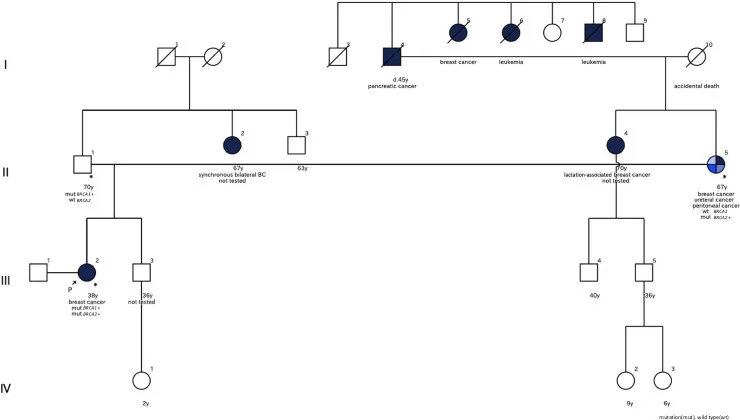
Breast Cancer in a Woman Carrying Both BRCA1 and BRCA2 Mutations

Patient Info: Anonymized, Female | Stage I

Biomarkers: ER-positive, PR-positive, HER2-negative, BRCA1 pathogenic variant, BRCA2 pathogenic variant

Remained free of recurrence 17 months after treatment.

PubMed Central
OutcomeCancer-Free / NED
MT
Breast Cancer

Metaplastic triple-negative breast cancer: near-complete response to taxane/carboplatin before surgery

Patient Info: Anonymized, Female, Under 40 | Stage Metastatic/Advanced

Biomarkers: ER-negative; PR-negative; HER2-negative; CA 15-3 elevated, triple negative

As of April 2025, imaging after taxane/carboplatin showed a near-complete morpho-metabolic response in the right breast and major reduction of axillary nodal disease, followed by surgery and adjuvant chemotherapy/radiotherapy.

PubMed Central
OutcomeResponding Well
Mandy, who was diagnosed with Stage I Invasive Lobular CarcinomaBreast Cancer

Stage I HR-Positive Invasive Lobular Carcinoma: Mandy's Patient Story

Patient Info: Mandy, Female, 40s | Stage I

Biomarkers: ER-positive; PR-positive; low Oncotype score; genetic testing negative for 70 cancer-causing genes

As of April 2025, Mandy was about 10 months after bilateral mastectomy for Stage IA ER-positive, PR-positive ILC, had a low Oncotype score, was planning several years of tamoxifen, and was still in reconstruction.

Lobular Breast Cancer Alliance

OutcomeCare Ongoing
A patient, who was diagnosed with Stage II Breast CancerBreast Cancer

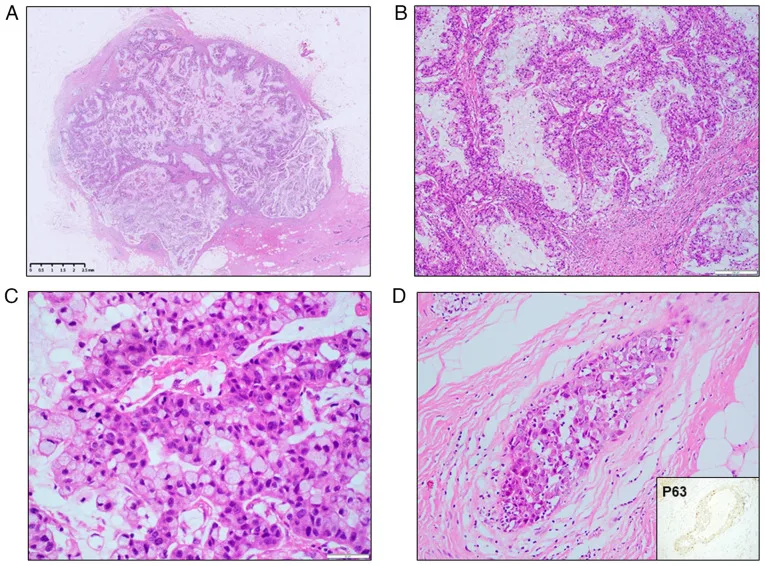
HER2-amplified primary mucinous cystadenocarcinoma of the breast: surgery and adjuvant treatment

Patient Info: Anonymized, Female, 60s | Stage II

Biomarkers: HER2-amplified / HER2 3+; ER/PR-negative; Ki-67 ~50%; p53 high; microsatellite stable. No clinically significant inherited mutation reported.

As of November 2024, she had more than 104 months of disease-free survival after breast-conserving surgery, sentinel lymph node biopsy, EC-T chemotherapy, and radiotherapy for Stage IIA HER2-amplified primary mucinous cystadenocarcinoma of the breast.

PubMed Central
OutcomeCancer-Free / NED
Kathleen, who was diagnosed with Stage 0 Invasive Lobular CarcinomaBreast Cancer

Stage 0 Invasive Lobular Carcinoma: Kathleen's Survivor Story

Patient Info: Kathleen, Female | Stage 0

Kathleen completed surgery-focused treatment for DCIS with a very small invasive lobular component. No chemotherapy was needed, endocrine therapy was discussed but not required, and she continued imaging surveillance and advocacy in the flat community.

The Patient Story
OutcomeSurvivorship / Completed Treatment
A patient, who was diagnosed with Stage I Invasive Lobular CarcinomaBreast Cancer

Early-stage mixed breast carcinoma found during LGI1 limbic encephalitis workup

Patient Info: Anonymized, Female | Stage I

Biomarkers: ER 95-100% positive; PR 80% positive; HER2-negative

She gradually recovered after immunotherapy for limbic encephalitis and excision of the early-stage breast tumor, and had returned to part-time work 12 months after discharge.

PubMed Central
OutcomeCare Ongoing
A patient, who was diagnosed with Invasive Ductal CarcinomaBreast Cancer

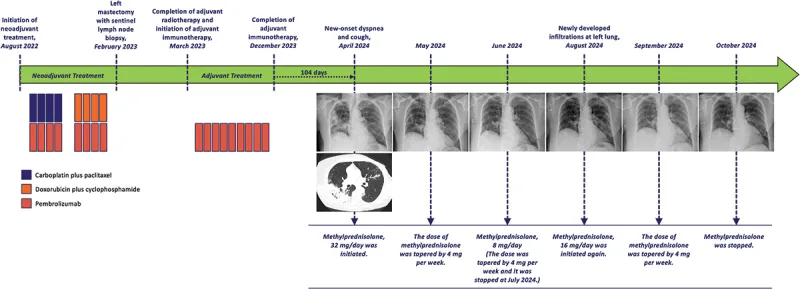
Lung inflammation from pembrolizumab immunotherapy returned months after stopping treatment

Patient Info: Anonymized, Female, 70+

Biomarkers: Estrogen receptor-negative; progesterone receptor-negative; HER2-negative

Surgery confirmed a pathologic complete response, and she remained in breast-cancer remission during routine follow-up after treatment for recurrent pembrolizumab-related pneumonitis.

PubMed Central
OutcomeCancer-Free / NED
A patient, who was diagnosed with Stage IV Breast CancerBreast Cancer

Metastatic Neuroendocrine Breast Cancer With Severe Hormone Overproduction

Patient Info: Anonymized, Female, Under 40 | Stage IV

Biomarkers: ER-negative, PR focally positive, HER2-negative, PIK3CA mutation

Metastatic Site: liver, bone

Died after rapid deterioration and cardiac arrest during progressive metastatic disease.

PubMed Central
OutcomeIn Memory
A patient, who was diagnosed with Stage IV Invasive Ductal CarcinomaBreast Cancer

HER2-positive breast cancer with brain metastases: responding well to T-DXd

Patient Info: Anonymized, Female, 50s | Stage IV

Biomarkers: ER-positive; PR-positive; HER2-positive / HER2 IHC 3+

Metastatic Site: brain (left cerebellum, left frontal lobe, medulla)

After 14 months and 19 doses of T-DXd, brain metastases remained controlled with no symptomatic or radiological relapse and no severe T-DXd-related adverse events.

PubMed Central
OutcomeResponding Well