Surgery: 2,208 Real Stories

2,208 stories match surgery. 1,436 of them mention chemotherapy.

A patient, who was diagnosed with Invasive Ductal CarcinomaBreast Cancer

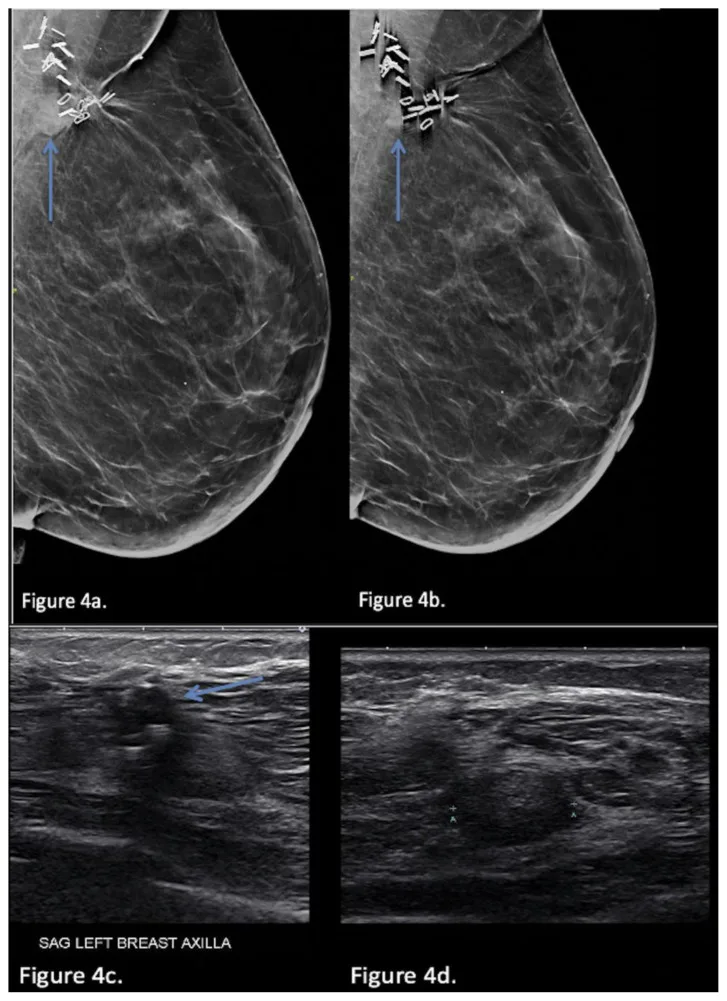
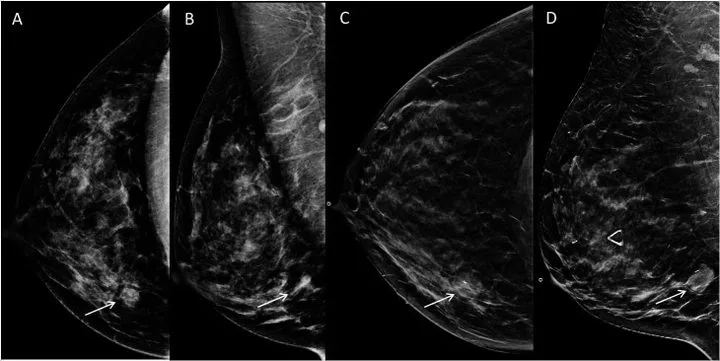
A Mass Beside a BioZorb Implant Was Fat Necrosis, Not Recurrence

Patient Info: Anonymized, Female, 50s

Biomarkers: ER-positive; PR-positive; HER2-negative.

A 1.8 cm mass detected beside the BioZorb site was confirmed as fat necrosis, with continued imaging follow-up recommended.

PubMed Central
OutcomeCare Ongoing
A patient, who was diagnosed with Invasive Ductal CarcinomaBreast Cancer

Local Breast Cancer Recurrence Was Found During BioZorb Surveillance

Patient Info: Anonymized, Female, 70+

Biomarkers: Initial right breast tumor: ER-positive, PR-positive, HER2-equivocal. Recurrent right breast tumor: ER-positive, HER2-negative.

Two sites of right-breast recurrence were confirmed three years after lumpectomy, leading to right mastectomy.

PubMed Central
OutcomeCare Ongoing
A patient, who was diagnosed with Breast CancerBreast Cancer

A BioZorb-Site Density Two Years After Lumpectomy Was Fat Necrosis

Patient Info: Anonymized, Female, 60s

Biomarkers: ER-positive; PR-positive; HER2-negative.

A new density at the lumpectomy site was confirmed as fat necrosis rather than recurrent cancer during ongoing surveillance.

PubMed Central
OutcomeCare Ongoing
A patient, who was diagnosed with Lung CancerLung Cancer

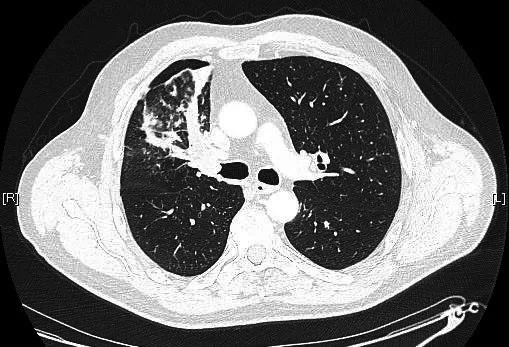
Primary pulmonary adenoid cystic carcinoma found with chronic lymphocytic leukaemia

Patient Info: Anonymized, Male, 50s

Biomarkers: Cytokeratin-positive; SMA-positive; p63-positive; TTF-1-negative; S100-negative; CK20-negative; CD56-negative.

Six months after adjuvant radiation, restaging CT showed treatment-related changes without local or metastatic recurrence.

PubMed Central
OutcomeCancer-Free / NED
A patient, who was diagnosed with Stage IV Colorectal AdenocarcinomaColorectal Cancer

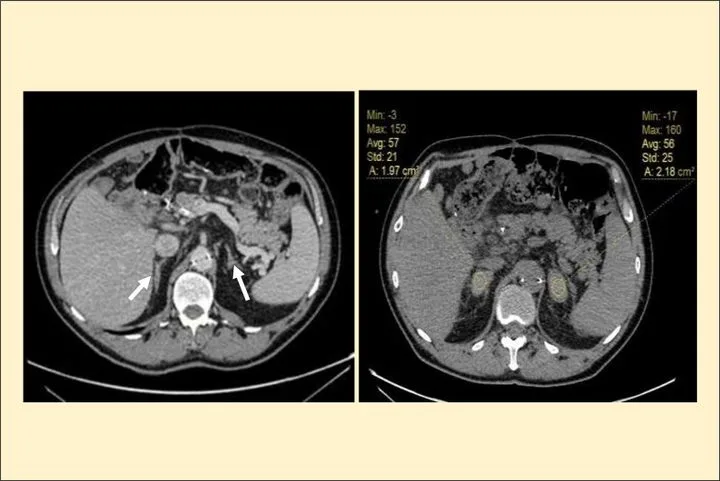
Bilateral adrenal bleeding during bevacizumab treatment for metastatic colon cancer

Patient Info: Anonymized, Male, 50s | Stage IV

Biomarkers: RAS-mutant; BRAF-wild type; microsatellite stable.

Metastatic Site: peritoneum; liver; lung

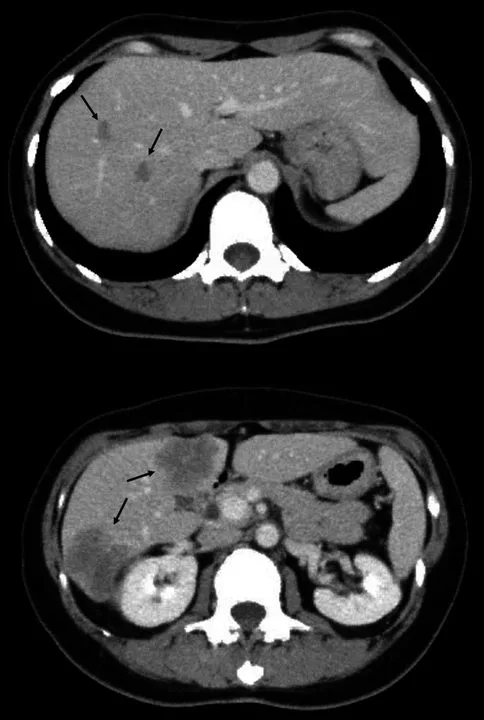
Despite multiple systemic and local treatments, his metastatic colon cancer progressed in the liver and peritoneum, and he died from disease progression in November 2018.

PubMed Central
OutcomeIn Memory
A patient, who was diagnosed with Stage IV Lung AdenocarcinomaLung Cancer

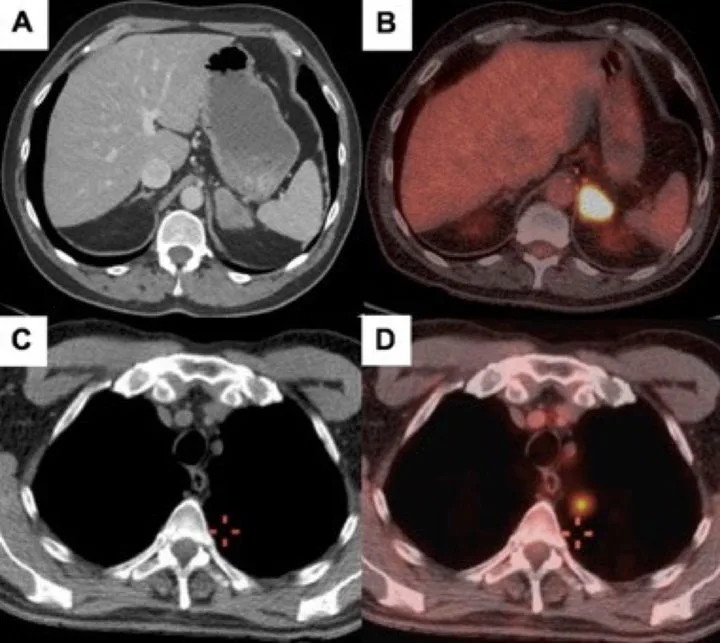
Lung adenocarcinoma first detected through an adrenal metastasis

Patient Info: Anonymized, Male, 60s | Stage IV

Biomarkers: No driver mutations identified.

Metastatic Site: left adrenal gland

After resection of the adrenal metastasis, postoperative imaging showed further thoracic uptake and he began palliative chemotherapy for metastatic lung adenocarcinoma without identified driver mutations.

PubMed Central
OutcomeCare Ongoing
A patient, who was diagnosed with Stage IV Lung CancerLung Cancer

Likely lung carcinoma presenting as bilateral adrenal metastases

Patient Info: Anonymized, Male, 70+ | Stage IV

Metastatic Site: bilateral adrenal glands

Three months after bilateral adrenalectomy, he remained under regular oncology surveillance, was receiving steroid replacement, and had not required adjuvant chemotherapy.

PubMed Central
OutcomeCare Ongoing
A patient, who was diagnosed with Stage IV Gastric AdenocarcinomaGastric Cancer

Ramucirumab and paclitaxel for metastatic gastric cancer in a patient receiving hemodialysis

Patient Info: Anonymized, male, 60s | Stage IV

Biomarkers: HER2-negative

Metastatic Site: liver, distant lymph nodes

After about 16 months of disease control on paclitaxel plus ramucirumab, multiple liver metastases and distant lymph nodes progressed. Third-line irinotecan was stopped after severe toxicity, and supportive care followed.

PubMed Central
OutcomeSetback / Progression
A patient, who was diagnosed with Breast CancerBreast Cancer

Silicone lymphadenopathy after treatment for recurrent triple-negative breast cancer

Patient Info: Anonymized, Female, 50s

Biomarkers: Triple-negative; BRCA1-negative; BRCA2-negative; latest recurrence Ki-67 60%–70%.

At the May 2020 follow-up, biopsies confirmed silicone-related lymph-node changes rather than cancer, and imaging showed no recurrent disease while six-monthly surveillance continued.

PubMed Central
OutcomeCancer-Free / NED
A patient, who was diagnosed with Stage IV Invasive Ductal CarcinomaBreast Cancer

Right breast cancer with contralateral axillary lymph-node metastasis

Patient Info: Anonymized, Female, 60s | Stage IV

Biomarkers: Right breast primary: ER-positive; PR-positive; HER2-negative; Ki-67 70%. Left axillary metastasis: ER-positive; PR-negative; HER2-negative; Ki-67 15%; GATA3-positive.

Metastatic Site: contralateral left axillary lymph nodes

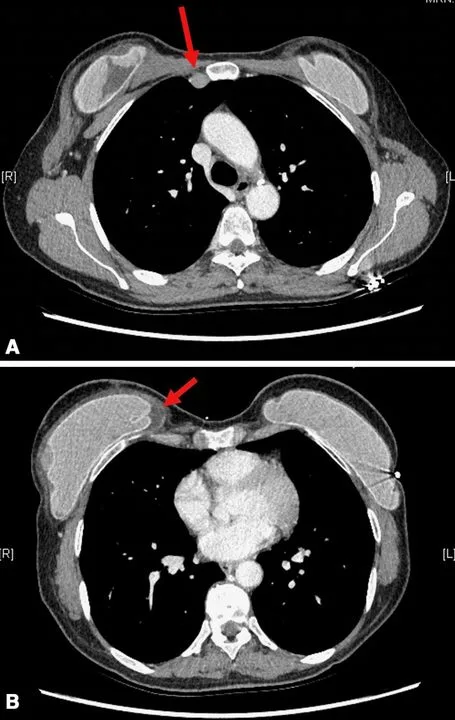
Two years after bilateral surgery, clinical and radiological follow-up showed no metastasis or disease recurrence.

PubMed Central
OutcomeCancer-Free / NED
Linda, who was diagnosed with Breast CancerBreast Cancer

Linda Stokes

Patient Info: Linda Stokes, Female

Biomarkers: germline CDH1 mutation

After breast cancer led to discovery of a CDH1 mutation, Linda Stokes chose bilateral mastectomy and later preventive stomach removal.

No Stomach For Cancer
OutcomeNot reported
Lee, who was diagnosed with Stage IV Colorectal CancerColorectal Cancer

Stage IV Colorectal Cancer: Lee's Survivor Story

Patient Info: Lee Jones, Male, 50s | Stage IV

Metastatic Site: Liver

As of February 2021, Lee reported no evidence of colon cancer since 2011 after treatment for Stage IV colon cancer with liver metastases, recurrence, chemotherapy, colon surgery, and liver surgery.

The Patient Story
OutcomeCancer-Free / NED
A patient, who was diagnosed with Stage IV Colorectal AdenocarcinomaColorectal Cancer

Rectal cancer liver surgery in a woman with mitochondrial disease

Patient Info: Anonymized, Female | Stage IV

Metastatic Site: liver; lungs; para-aortic lymph nodes

Three months after rectal and liver surgery, CT showed multiple lung metastases and para-aortic lymph-node metastasis, and FOLFIRI chemotherapy was resumed.

PubMed Central
OutcomeSetback / Progression
A patient, who was diagnosed with Invasive Ductal CarcinomaBreast Cancer

A difficult breast-reconstruction infection after breast cancer treatment

Patient Info: Anonymized, Female, 40s

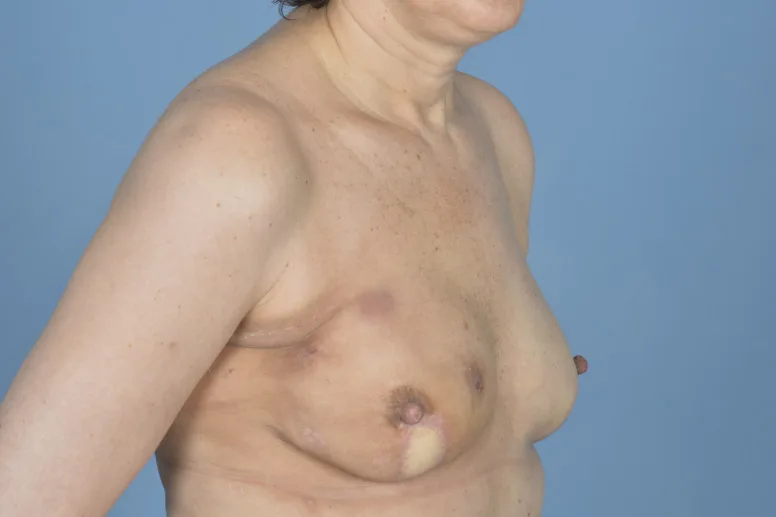
After wide debridement and prolonged antibiotic treatment, the breast and abdominal wounds healed, imaging showed resolution of the subcutaneous infection, and no infection recurrence was seen over three years.

PubMed Central
OutcomeNot reported
A patient, who was diagnosed with Stage IV Colorectal AdenocarcinomaColorectal Cancer

Rectal cancer that later spread to the vagina

Patient Info: Anonymized, Female, 60s | Stage IV

Metastatic Site: vagina

The isolated vaginal metastasis was surgically removed and followed by another 12 cycles of chemotherapy.

PubMed Central
OutcomeCare Ongoing
A patient, who was diagnosed with Stage IV Ovarian AdenocarcinomaOvarian Cancer

Kidney Complications After Treatment for Stage IV Ovarian Cancer

Patient Info: Anonymized, Female, 60s | Stage IV

Metastatic Site: peritoneum|left lymph node

No further ovarian-cancer progression was observed during the 10 months after kidney biopsy. The nephrotic syndrome reached partial remission after immunosuppressive treatment was stopped and supportive care continued.

PubMed Central
OutcomeStable Disease
Kara, who was diagnosed with Peutz-Jeghers syndrome / hereditary GI polyposis risk; no confirmed colorectal cancer diagnosisPeutz-Jeghers syndrome / hereditary GI polyposis risk; no confirmed colorectal cancer diagnosis

Peutz-Jeghers syndrome / hereditary GI polyposis risk; no confirmed colorectal cancer diagnosis: Kara's Patient Story

Patient Info: Kara, Female

Biomarkers: Peutz-Jeghers syndrome

As of January 2021, Kara had no confirmed invasive cancer but required ongoing Peutz-Jeghers syndrome surveillance; more than 110 polyps had been removed without further bowel resection to reduce obstruction and cancer risk.

Cleveland Clinic
OutcomeCare Ongoing
A patient, who was diagnosed with Invasive Lobular CarcinomaBreast Cancer

Ductal and lobular carcinoma in situ arising within a fibroadenoma

Patient Info: Anonymized, Female, 40s

Biomarkers: DCIS ER-positive and PR-positive; LCIS E-cadherin-negative.

Lumpectomy achieved tumor-free margins for the in situ disease, and she subsequently completed adjuvant radiation therapy.

PubMed Central
OutcomeNot reported
LA
Breast Cancer

Locally advanced male breast cancer associated with a pathogenic ATM variant

Patient Info: Anonymized, Male, 50s | Stage Metastatic/Advanced

Biomarkers: ER 100% positive; PR 100% positive; HER2-negative; Ki-67 30%; germline pathogenic ATM variant c.2921+1G>A.

Two years after diagnosis, he had an ECOG performance status of 0 and remained without signs of breast-cancer relapse or another primary cancer.

PubMed Central
OutcomeCancer-Free / NED