Paclitaxel: 361 Real Stories

361 stories match paclitaxel. 359 of them mention chemotherapy.

Diana, who was diagnosed with Stage III Breast CancerBreast Cancer

Stage III Breast Cancer: Diana's Survivor Story

Patient Info: Diana, Female, 40s | Stage III

Diana described herself as being in remission while continuing low-toxicity antineoplastic monotherapy. She remained in active follow-up and focused on rebuilding daily life.

Our Cancer Stories
OutcomeCancer-Free / Remission
A patient, who was diagnosed with Ovarian CancerOvarian Cancer

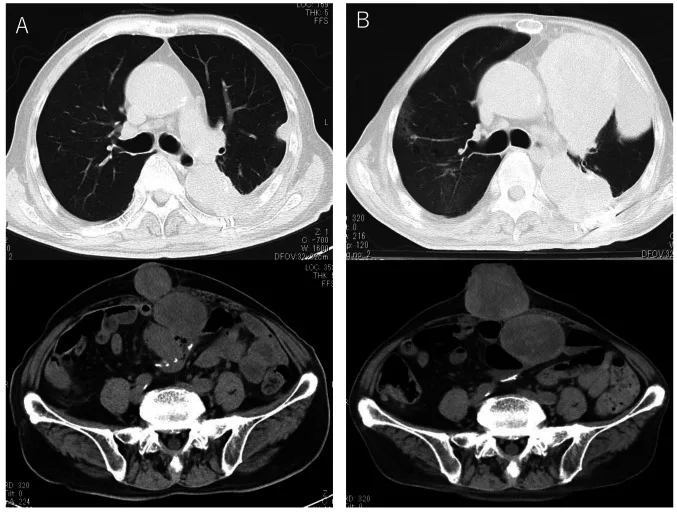
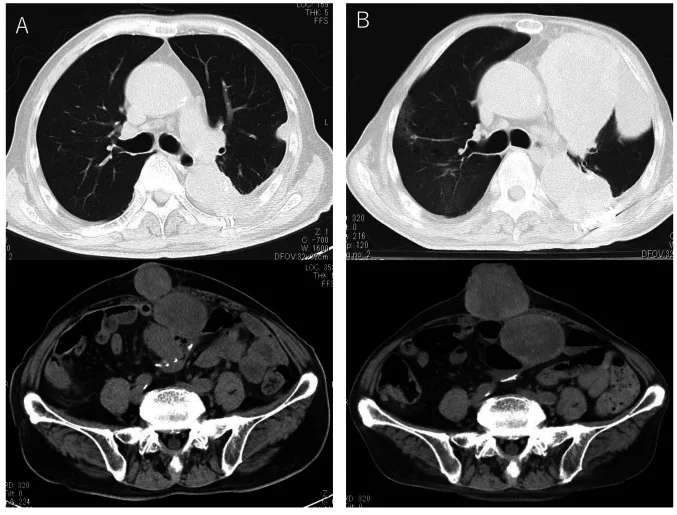
Ovarian Granulosa Cell Tumor Recurring 17 Years After Surgery

Patient Info: Anonymized, Female, 70+

Biomarkers: Weak oestrogen sensitivity

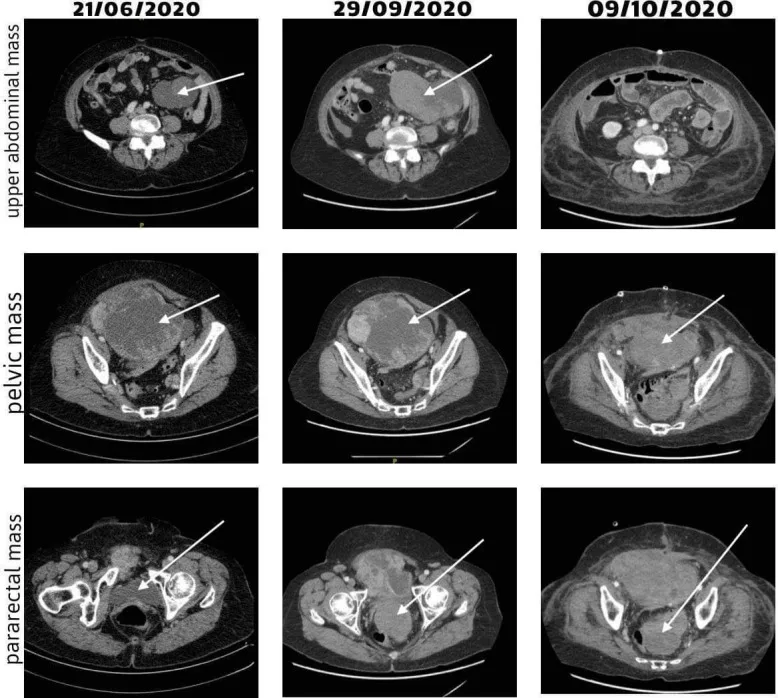
Complete resection was not possible, but debulking relieved pressure on surrounding structures and improved her quality of life. She then continued oncology care with palliative carboplatin and paclitaxel.

PubMed Central
OutcomeCare Ongoing
A patient, who was diagnosed with Ovarian CancerOvarian Cancer

Metastatic Clear Cell Ovarian Cancer Complicated by Treatment-Related Sarcoidosis

Patient Info: Anonymized, Female, 60s | Stage Metastatic/Advanced

Metastatic Site: peritoneum

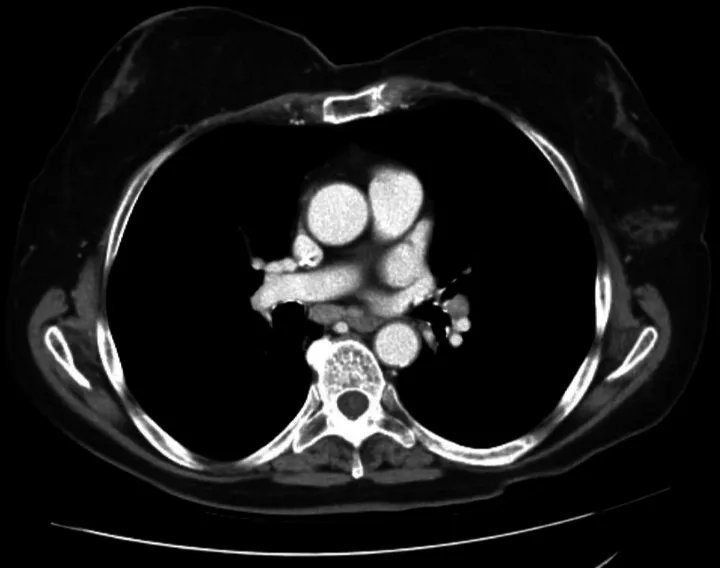
During a treatment holiday, biopsy and laboratory evaluation showed treatment-related sarcoidosis rather than ovarian-cancer spread in the enlarged lymph nodes. After prednisone, the sarcoidosis resolved and imaging showed no progression of the clear cell ovarian cancer; she remained clinically well 4 months later.

PubMed Central
OutcomeStable Disease
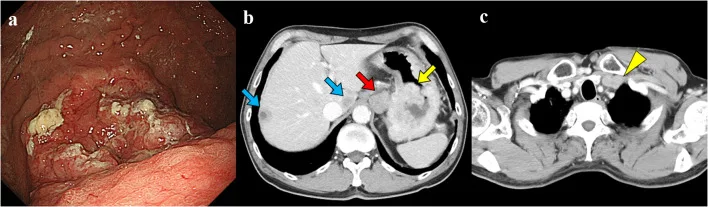
A patient, who was diagnosed with Stage IV Gastric CancerGastric Cancer

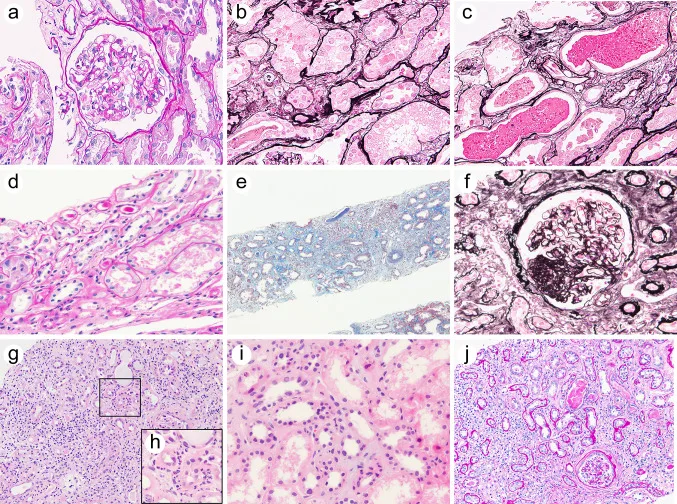
Kidney Injury During Nivolumab Treatment for Stage IV Gastric Cancer

Patient Info: Anonymized, Male, 60s | Stage IV

Kidney function and proteinuria improved after nivolumab was stopped, but the gastric cancer progressed. Restarted nivolumab was ineffective, and treatment was changed to irinotecan.

PubMed Central
OutcomeSetback / Progression
A patient, who was diagnosed with Gastric AdenocarcinomaGastric Cancer

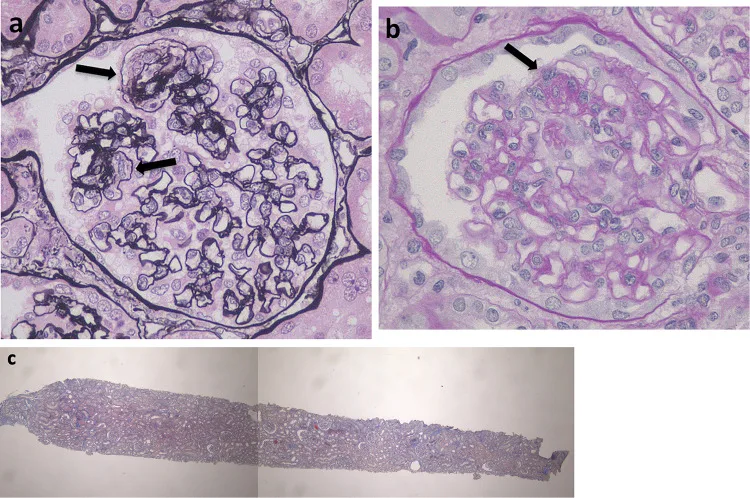
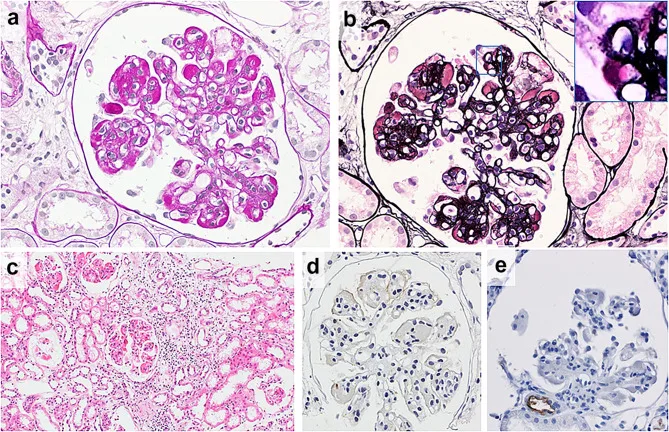
Kidney Disease During Treatment for Metastatic Gastric Cancer

Patient Info: Anonymized, Male, 70+ | Stage Metastatic/Advanced

Metastatic Site: liver

His condition worsened with nephrotic syndrome, malnutrition, treatment side effects, and progressing metastases. He died 5 months after the kidney biopsy following a fatal cerebral bleed.

PubMed Central
OutcomeIn Memory
Angie, who was diagnosed with Stage III Invasive Lobular CarcinomaBreast Cancer

Stage III Invasive Lobular Carcinoma: Angie's Patient Story

Patient Info: Angie, Female | Stage III

Angie completed 4 AC, 12 Taxol, and 30 rounds of radiation for Stage III grade 3 ILC, then continued Arimidex for a planned 10 years as of September 2021.

Lobular Breast Cancer Alliance
OutcomeCare Ongoing
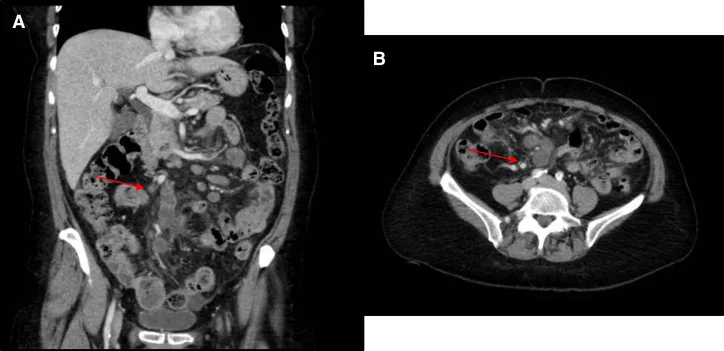
A patient, who was diagnosed with Stage IV Breast CancerBreast Cancer

Triple-negative breast cancer first discovered through a duodenal metastasis

Patient Info: Anonymized, Female, 50s | Stage IV

Biomarkers: ER-negative; PR-negative; HER2-negative; CK7-positive; GATA3-positive; vimentin-positive; CDX2-negative; CK20-negative., triple negative

Metastatic Site: duodenum

She died two days after choosing comfort-focused care, following rapid decline from metastatic triple-negative breast cancer with duodenal involvement and small-bowel obstruction.

PubMed Central
OutcomeIn Memory
Carol, who was diagnosed with Stage IV Invasive Lobular CarcinomaBreast Cancer

Stage IV Invasive Lobular Carcinoma: Carol's Survivor Story

Patient Info: Carol, Female, 60s | Stage IV

Metastatic Site: Bone

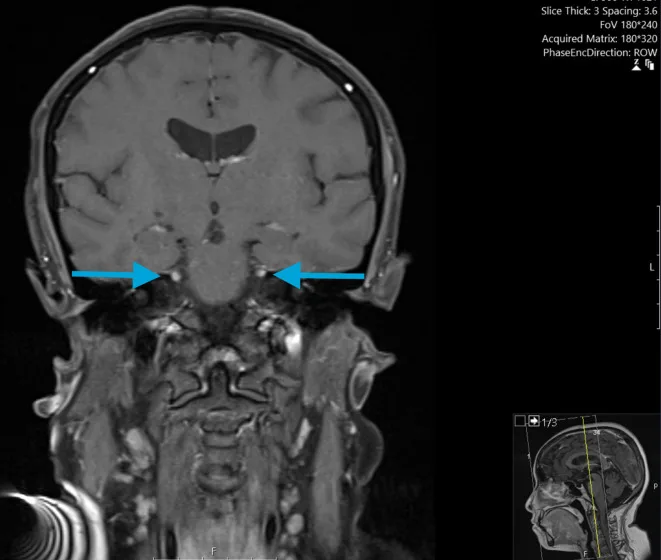
Carol had de novo Stage IV breast cancer with bone metastases, achieved complete remission after chemotherapy, stayed on daily Letrozole for 10 years, then returned to NED/no active disease after Kisqali and Faslodex for bone progression.

Lobular Breast Cancer Alliance
OutcomeCancer-Free / NED
A patient, who was diagnosed with Stage IV Ovarian CancerOvarian Cancer

Stage 4 Ovarian Cancer Discovered During Trigeminal Neuralgia Evaluation

Patient Info: Anonymized, Female, 50s | Stage IV

Three months after surgery, she had recovered well from debulking and 6 total chemotherapy cycles, with complete macroscopic clearance achieved at surgery. Trigeminal-neuralgia symptoms persisted and continued to require daily medication.

PubMed Central
OutcomeResponding Well
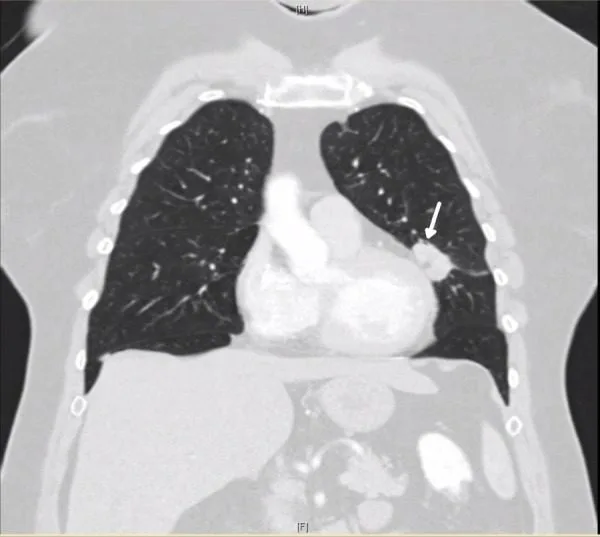
A patient, who was diagnosed with Lung CancerLung Cancer

Immunotherapy and surgery for adenosquamous lung cancer with brain metastases

Patient Info: Anonymized, Female, 70+

Biomarkers: PD-L1 positive; no actionable mutations on next-generation sequencing.

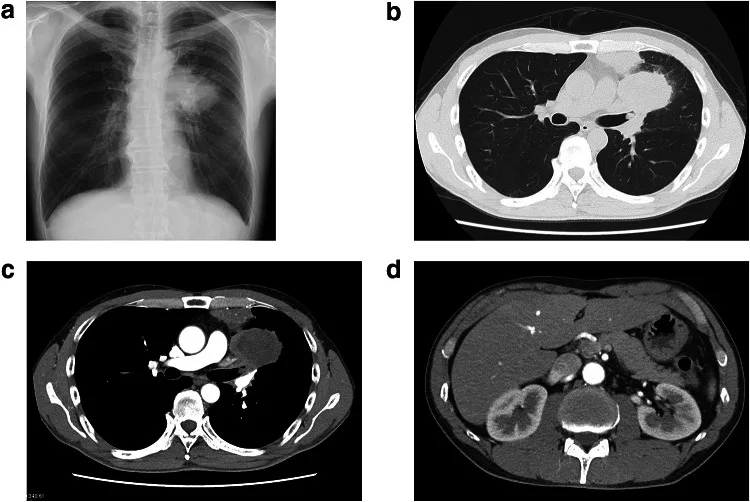
After chemotherapy, 19 cycles of pembrolizumab, and right middle lobectomy, she was off immunotherapy and under observation in remission.

PubMed Central
OutcomeCancer-Free / NED
A patient, who was diagnosed with Stage III Lung CancerLung Cancer

Strong Response to Pembrolizumab-Based Therapy for Pleomorphic Lung Cancer

Patient Info: Anonymized, Male, 60s | Stage III

Biomarkers: EGFR-negative; ALK-negative; ROS1-negative; PD-L1 TPS 90%-100%.

A marked response followed four combination cycles, and maintenance pembrolizumab remained ongoing seven months after treatment began.

PubMed Central
OutcomeResponding Well
A patient, who was diagnosed with Lung Squamous Cell CarcinomaLung Cancer

Lung Cancer Metastases to Both Kidneys Causing Kidney Failure

Patient Info: Anonymized, Male, 50s | Stage Metastatic/Advanced

Biomarkers: PD-L1 highly expressed

Metastatic Site: brain|bilateral kidneys|lungs

The cancer progressed in both kidneys and lungs despite treatment, causing dialysis-dependent kidney failure. He later developed severe respiratory illness and died 5 days after readmission.

PubMed Central
OutcomeIn Memory
A patient, who was diagnosed with Stage IV Lung CancerLung Cancer

Pembrolizumab Controlled Metastatic Pleomorphic Lung Cancer After Chemotherapy Failed

Patient Info: Anonymized, Male, 40s | Stage IV

Biomarkers: EGFR-negative; ALK-negative; ROS1-negative; BRAF-negative; PD-L1 TPS 60%-70%; BRCA2, and TP53 mutations; tumor mutation burden 42 mutations/Mb; no actionable alteration.

Metastatic Site: right adrenal gland; left adrenal gland; bone

Tumor diameter had decreased at 11 months, and pembrolizumab remained ongoing at 12 months.

PubMed Central
OutcomeResponding Well
A patient, who was diagnosed with Stage IV Gastric AdenocarcinomaGastric Cancer

Ramucirumab and paclitaxel for metastatic gastric cancer in a patient receiving hemodialysis

Patient Info: Anonymized, male, 60s | Stage IV

Biomarkers: HER2-negative

Metastatic Site: liver, distant lymph nodes

After about 16 months of disease control on paclitaxel plus ramucirumab, multiple liver metastases and distant lymph nodes progressed. Third-line irinotecan was stopped after severe toxicity, and supportive care followed.

PubMed Central
OutcomeSetback / Progression
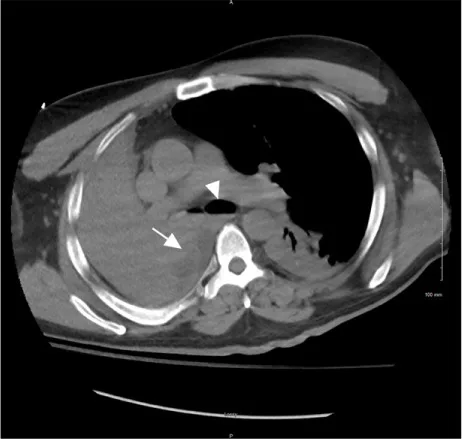
A patient, who was diagnosed with Lung AdenocarcinomaLung Cancer

Low-dose intrapleural therapy relieved a complex malignant pleural effusion

Patient Info: Anonymized, Female, Under 40 | Stage Metastatic/Advanced

Biomarkers: EGFR mutation-negative; ALK alteration-negative; ROS1 alteration-negative.

Metastatic Site: pleura; adrenal gland; bone

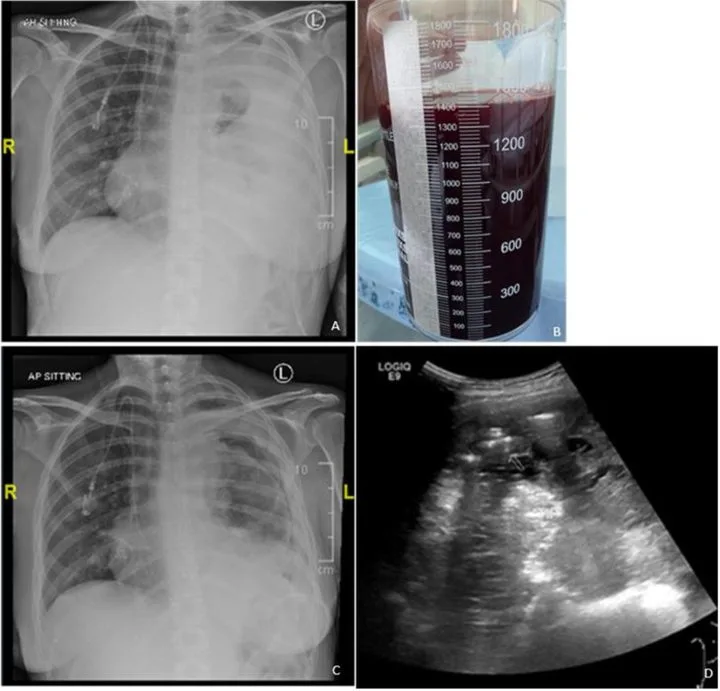
The lung cancer had progressed after initial chemotherapy, but rescue treatment of the infected loculated pleural effusion drained 2,000 mL, resolved the collection, and improved her breathing and fever.

PubMed Central
OutcomeSetback / Progression
A patient, who was diagnosed with Stage IV Ovarian AdenocarcinomaOvarian Cancer

Kidney Complications After Treatment for Stage IV Ovarian Cancer

Patient Info: Anonymized, Female, 60s | Stage IV

Metastatic Site: peritoneum|left lymph node

No further ovarian-cancer progression was observed during the 10 months after kidney biopsy. The nephrotic syndrome reached partial remission after immunosuppressive treatment was stopped and supportive care continued.

PubMed Central
OutcomeStable Disease
LA
Breast Cancer

Locally advanced male breast cancer associated with a pathogenic ATM variant

Patient Info: Anonymized, Male, 50s | Stage Metastatic/Advanced

Biomarkers: ER 100% positive; PR 100% positive; HER2-negative; Ki-67 30%; germline pathogenic ATM variant c.2921+1G>A.

Two years after diagnosis, he had an ECOG performance status of 0 and remained without signs of breast-cancer relapse or another primary cancer.

PubMed Central
OutcomeCancer-Free / NED
A patient, who was diagnosed with Stage IV Invasive Ductal CarcinomaBreast Cancer

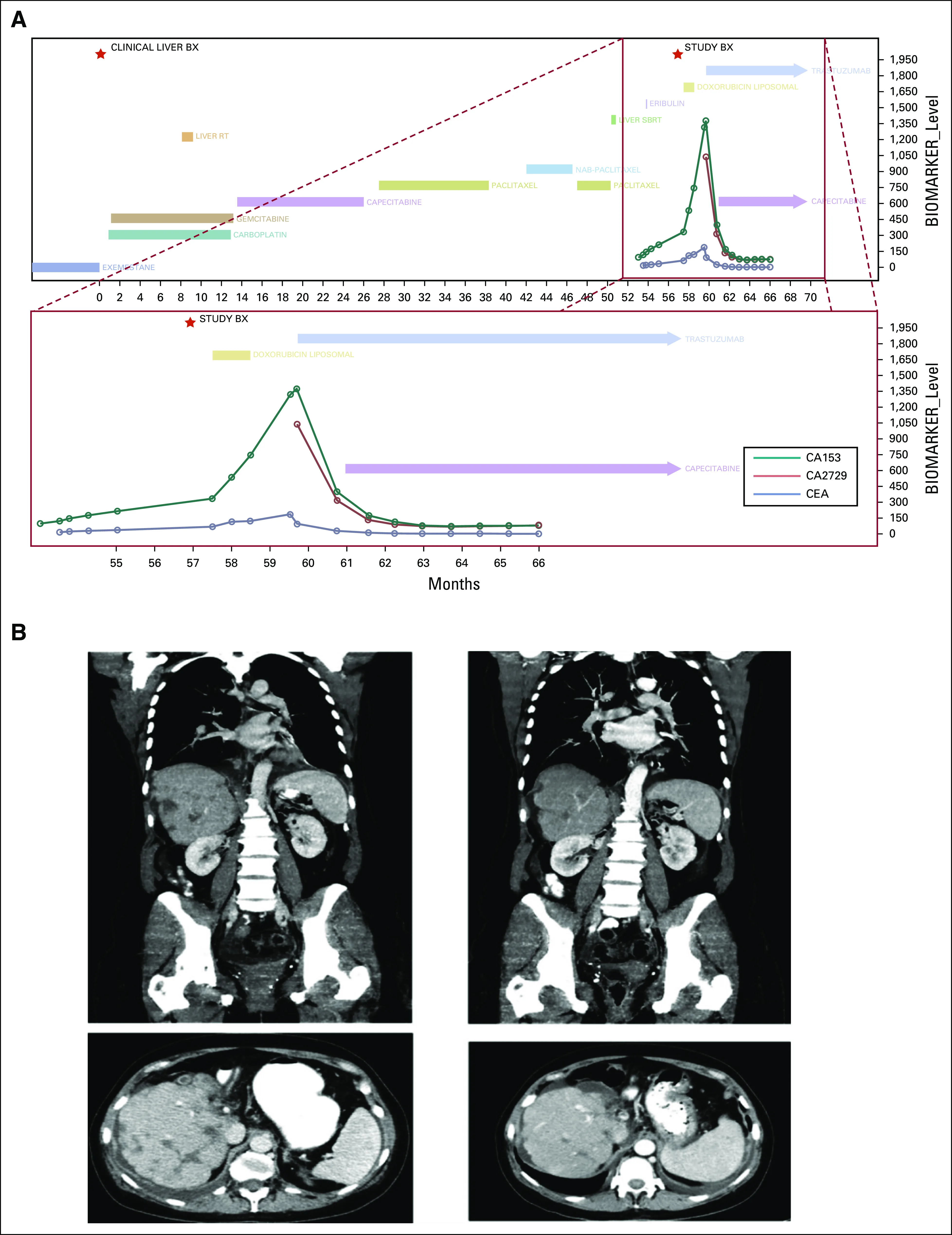
A durable response to trastuzumab in heavily pretreated metastatic breast cancer

Patient Info: Anonymized, Female, 60s | Stage IV

Biomarkers: Initial tumor ER-positive and PR-positive. Metastatic liver biopsy ER-negative and PR-negative with HER2 IHC 1+ and nonamplified. Later biopsy ER and PR weakly positive at 5%–10%, HER2 IHC 1+ and nonamplified, and ERBB3 p. with evidence of HER2/HER3 pathway activation.

Metastatic Site: lungs; hilar and mediastinal lymph nodes; liver; bone

She had ongoing benefit for more than 10 months on trastuzumab and capecitabine, with improved symptoms, lower tumor markers, and a confirmed partial response.

PubMed Central
OutcomeResponding Well