Endocrine Therapy: 36 Real Stories

36 stories match endocrine therapy. 27 of them mention surgery.

A patient, who was diagnosed with Stage IV Invasive Ductal CarcinomaBreast Cancer

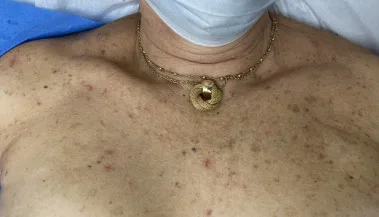
Metastatic HER2-Positive Breast Cancer With Treatment-Related Telangiectasias

Patient Info: Anonymized, female, 60s | Stage IV

Biomarkers: HER2-positive; initially ER-negative and PR-negative; metastatic disease weakly ER-positive and PR-negative; germline testing negative

Metastatic Site: left supraclavicular, mediastinal, axillary and…

Living with HER2-positive breast cancer for 9+ years since her 2014 diagnosis, including metastatic disease since 2017. She remained on reduced-dose tucatinib in 2023 while treatment-related telangiectasias improved after dose reduction and electrocautery.

PubMed Central
OutcomeLiving With Cancer
A patient, who was diagnosed with Stage IV Invasive Ductal CarcinomaBreast Cancer

BRCA2-Positive Breast Cancer in a Woman With Down Syndrome

Patient Info: Anonymized, female, Under 40 | Stage IV

Biomarkers: ER-positive, PR-negative, HER2-negative, germline BRCA2 pathogenic variant

Metastatic Site: lungs, bones

The cancer later progressed with lung and bone metastases and extensive cancer spread through lymphatic vessels in both lungs. She died 59 months after breast surgery.

PubMed Central
OutcomeIn Memory
A patient, who was diagnosed with Stage IV Invasive Ductal CarcinomaBreast Cancer

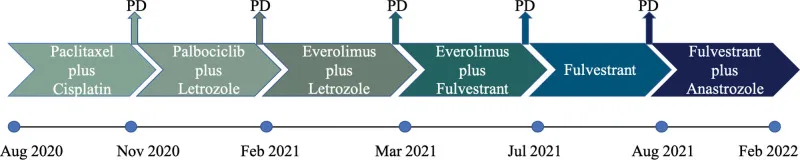
Male Breast Cancer Controlled for Years Through Multiple Lines of Targeted and Endocrine Therapy

Patient Info: Anonymized, male, 70+ | Stage IV

Biomarkers: Initial tumor ER-positive, PR-positive, HER2-positive; later ER-positive, PR-negative, HER2-negative; PIK3CA mutation; germline BRCA1/2 negative

Metastatic Site: bones, pleura, liver

After a 5-year and 6-month disease-free interval, the cancer recurred in bone and later progressed to the pleura and liver. He died in January 2021, more than 13 years after his 2007 breast-cancer diagnosis.

PubMed Central
OutcomeIn Memory
A patient, who was diagnosed with Invasive Ductal CarcinomaBreast Cancer

Breast Tumor Disappears on Imaging During Treatment for Multiple Myeloma

Patient Info: Anonymized, female, 60s

Biomarkers: ER-positive, PR-positive, HER2-negative

The breast lesion showed a complete radiologic response before planned surgery, and there was no evidence of breast-cancer relapse or progression through 2022, about 5 years after diagnosis.

PubMed Central
OutcomeCancer-Free / NED
A patient, who was diagnosed with Stage IV Invasive Ductal CarcinomaBreast Cancer

Breast Cancer Recurs After a 19-Year Remission and Responds to Later Chemotherapy

Patient Info: Anonymized, female, 50s | Stage IV

Biomarkers: Initial tumor: PR-positive, ER-negative, HER2-negative. Recurrence: ER-positive, PR-negative

Metastatic Site: bones

The cancer recurred after a 19-year remission and later spread to bone. More than 21 years after the original diagnosis, she had marked tumor shrinkage, was in good general condition, and had 10 months of progression-free survival after utidelone plus capecitabine.

PubMed Central
OutcomeResponding Well
A patient, who was diagnosed with Stage IV Breast CancerBreast Cancer

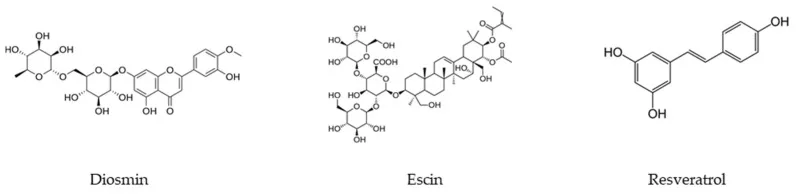
Metastatic Breast Cancer Treatment Complicated by a Supplement–Drug Interaction

Patient Info: Anonymized, female, 50s | Stage IV

Biomarkers: ER-positive, PR-positive, HER2-negative

Metastatic Site: bones

She resumed ribociclib with letrozole after the supplement was discontinued and the treatment-related neutropenia improved enough to restart therapy.

PubMed Central
OutcomeCare Ongoing
A patient, who was diagnosed with Stage IV Breast AdenocarcinomaBreast Cancer

Occult Metastatic Breast Cancer First Appears as a Sternal Mass

Patient Info: Anonymized, female, 60s | Stage IV

Biomarkers: ER-positive, PR-positive, HER2-negative; BRCA1/2 testing negative

Metastatic Site: sternum

More than 3 years after the sternal mass was first detected, imaging showed no active breast or chest-wall disease and the cancers were described as appearing in remission while she continued tamoxifen.

PubMed Central
OutcomeResponding Well