Docetaxel: 122 Real Stories

122 stories match docetaxel. 94 of them mention surgery.

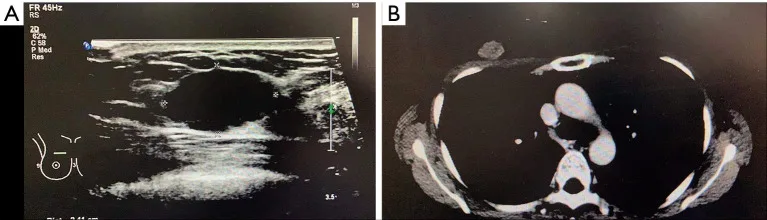
A patient, who was diagnosed with Stage II Breast Squamous Cell CarcinomaBreast Cancer

HER2-positive squamous cell breast cancer in complete remission

Patient Info: Anonymized, Female, 40s | Stage II

Biomarkers: HER2-positive squamous cell breast cancer, ER/PR negative, PD-L1 negative

Clinical complete remission and survival beyond 4 years after mastectomy, AC-TH chemotherapy, and HER2-directed maintenance therapy for Stage IIA HER2-positive primary squamous cell breast cancer.

PubMed Central
OutcomeCancer-Free / NED
A patient, who was diagnosed with Stage IV Lung AdenocarcinomaLung Cancer

Lung Adenocarcinoma With Immune-Related Abdominal Inflammation and Later Bone Progression

Patient Info: Anonymized, male | Stage IV

Biomarkers: PD-L1 30%; KRAS G13X mutation; EGFR/ALK/ROS1 negative

Metastatic Site: bone

After several periods of response or stability, lymph-node progression recurred and bone progression was documented in July 2024. Another treatment line was being planned.

PubMed Central
OutcomeSetback / Progression
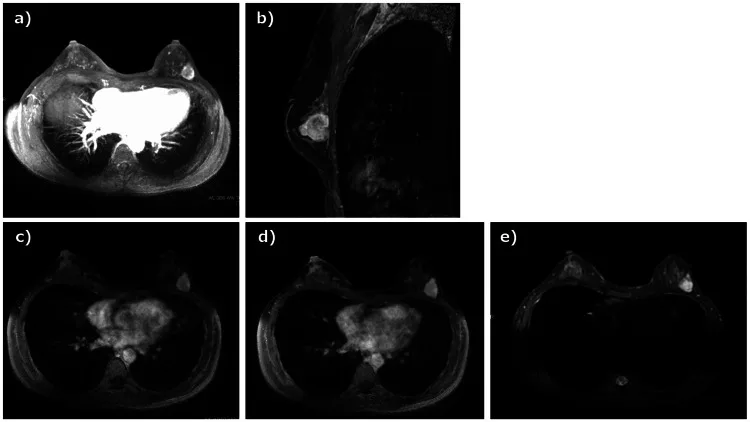
A patient, who was diagnosed with Stage I Breast CancerBreast Cancer

Rare squamous cell breast cancer: tumorectomy and partial mastectomy

Patient Info: Anonymized, Female, 40s | Stage I

Biomarkers: ER-negative; PR-negative; HER2-negative; Ki-67 21%, triple negative

As of August 2024, she had no recurrence 4 years after surgery, adjuvant AC/docetaxel chemotherapy, and residual breast irradiation for Stage I squamous cell carcinoma of the breast arising in a benign phyllodes tumor.

PubMed Central
OutcomeCancer-Free / NED
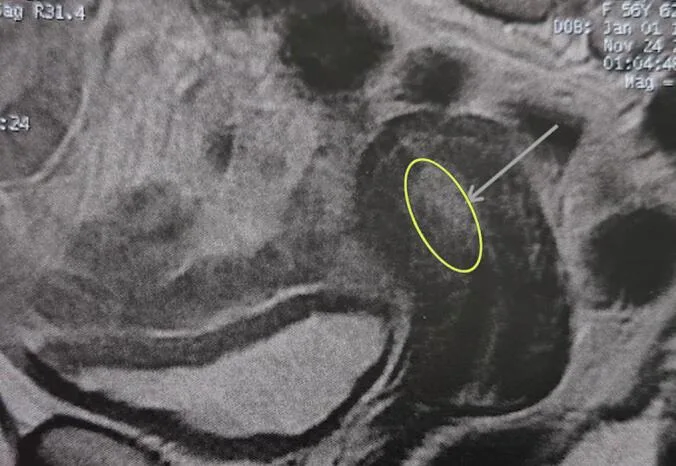
A patient, who was diagnosed with Stage IV Invasive Lobular CarcinomaBreast Cancer

Breast invasive lobular carcinoma metastatic to the endometrium: hysterectomy and hormone therapy

Patient Info: Anonymized, Female, 50s | Stage IV

Biomarkers: HER2 negative, PR/HER2 negative.

Metastatic Site: endometrium (endometrial polyp)

No signs of recurrence were reported 18 months after total hysterectomy with bilateral adnexectomy for endometrial metastasis from invasive lobular breast carcinoma, with scheduled follow-up every 3 to 6 months.

PubMed Central
OutcomeCancer-Free / NED
A patient, who was diagnosed with Stage IV Invasive Ductal CarcinomaBreast Cancer

Stage 4 invasive ductal carcinoma: metastatic disease with bone involvement managed successfully

Patient Info: Anonymized, Female, 50s | Stage IV

Biomarkers: ER <1%; PR 0%; HER2 score 3+; Ki-67 60%

Metastatic Site: bone (12th thoracic vertebra/T12)

Stage IV HER2-positive breast cancer had improved T12 bone metastasis, major breast-tumor regression on trastuzumab deruxtecan, and pathologic complete response in the breast after mastectomy; durable systemic disease status was not reported.

PubMed Central
OutcomeResponding Well
A patient, who was diagnosed with Stage III Non-Small Cell Lung CancerLung Cancer

Stage 3 lung cancer: complete response to chemo and immunotherapy

Patient Info: Anonymized, Male, 70+ | Stage III

Biomarkers: Tumor markers were normal during mesorectal nodule workup; lung molecular biomarkers were not reported.

No radiologic NSCLC recurrence was detected during 16 months of follow-up after complete response to cisplatin/docetaxel chemoradiation plus 1 year of durvalumab; the suspicious mesorectal nodule proved to be a benign organized thrombus.

PubMed Central
OutcomeCancer-Free / NED
A patient, who was diagnosed with Stage II Breast CancerBreast Cancer

Stage II Breast Cancer Treatment Complicated by Scleroderma-Like Skin Changes

Patient Info: Anonymized, female, 50s | Stage II

Biomarkers: ER low-positive; PR-negative; HER2-negative

Her cancer remained stable during combination treatment. After morphea-like skin changes developed during therapy, treatment was modified and the skin condition improved 6 months after docetaxel was stopped.

PubMed Central
OutcomeCare Ongoing
A patient, who was diagnosed with Stage IV Invasive Ductal CarcinomaBreast Cancer

MSI-High Metastatic Hormone-Receptor-Positive Breast Cancer Responding to Pembrolizumab

Patient Info: Anonymized, female, 40s | Stage IV

Biomarkers: ER-positive; PR-positive; HER2-negative; MSI-high; BRCA mutation-negative

Metastatic Site: bone, para-aortic lymph nodes, brain

Pembrolizumab produced marked improvement in metastatic bone and nodal disease. After 1 year it was stopped because of appetite loss; 8 months later she was symptom-free and back at work on endocrine therapy, although asymptomatic brain metastases were documented.

PubMed Central
OutcomeLiving With Cancer
A patient, who was diagnosed with Stage IV Invasive Lobular CarcinomaBreast Cancer

Invasive lobular breast cancer with isolated scalp metastasis: excision and endocrine therapy

Patient Info: Anonymized, Female, 50s | Stage IV

Biomarkers: Original breast tumor: ER-positive; PR-positive; scalp metastasis: CK7-positive; ER-positive; GCDFP-15 partially positive

Metastatic Site: scalp/skin

As of April 2024, she had no signs of recurrence in the breast or scalp and no distant metastasis after excision of the isolated scalp metastasis while continuing anastrozole.

PubMed Central
OutcomeCancer-Free / NED
Susana, who was diagnosed with Stage III Breast CancerBreast Cancer

Stage III Breast Cancer: Susana's Patient Story

Patient Info: Susana | Stage III

Treatment is ongoing with docetaxel chemotherapy, with surgery still being planned at the time described.

Our Cancer Stories
OutcomeCare Ongoing
A patient, who was diagnosed with Stage III Breast CancerBreast Cancer

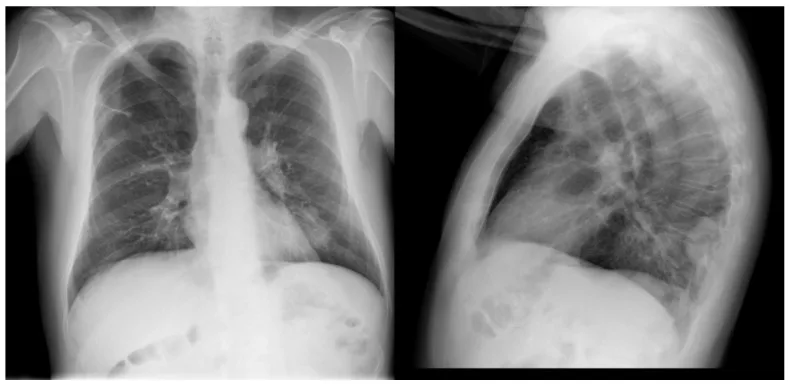
Stage IIIA breast cancer history with benign lipid pneumonia mimicking lung malignancy

Patient Info: Anonymized, Female, 40s | Stage III

Prior Stage IIIA breast cancer treatment was completed; a later suspicious lung lesion proved to be benign lipid pneumonia rather than recurrence or lung cancer, and she was asymptomatic 1 year after lobectomy with continued surveillance for new right-lung changes.

PubMed Central
OutcomeSurvivorship / Completed Treatment
A patient, who was diagnosed with Stage IV Invasive Ductal CarcinomaBreast Cancer

Metastatic HER2-Positive Breast Cancer With Treatment-Related Telangiectasias

Patient Info: Anonymized, female, 60s | Stage IV

Biomarkers: HER2-positive; initially ER-negative and PR-negative; metastatic disease weakly ER-positive and PR-negative; germline testing negative

Metastatic Site: left supraclavicular, mediastinal, axillary and…

Living with HER2-positive breast cancer for 9+ years since her 2014 diagnosis, including metastatic disease since 2017. She remained on reduced-dose tucatinib in 2023 while treatment-related telangiectasias improved after dose reduction and electrocautery.

PubMed Central
OutcomeLiving With Cancer
A patient, who was diagnosed with Stage IV Gastric AdenocarcinomaGastric Cancer

Metastatic gastric cancer with an ATM mutation responding to olaparib

Patient Info: Anonymized, male, 60s | Stage IV

Biomarkers: Pathogenic germline ATM mutation, HER2-negative, PD-L1 15%

Metastatic Site: peritoneum

He had a deep response lasting about 18 months, but imaging in December 2023 again showed peritoneal carcinomatosis.

PubMed Central
OutcomeSetback / Progression
A patient, who was diagnosed with Stage IV Invasive Ductal CarcinomaBreast Cancer

Male Breast Cancer Controlled for Years Through Multiple Lines of Targeted and Endocrine Therapy

Patient Info: Anonymized, male, 70+ | Stage IV

Biomarkers: Initial tumor ER-positive, PR-positive, HER2-positive; later ER-positive, PR-negative, HER2-negative; PIK3CA mutation; germline BRCA1/2 negative

Metastatic Site: bones, pleura, liver

After a 5-year and 6-month disease-free interval, the cancer recurred in bone and later progressed to the pleura and liver. He died in January 2021, more than 13 years after his 2007 breast-cancer diagnosis.

PubMed Central
OutcomeIn Memory
A patient, who was diagnosed with Stage IV Non-Small Cell Lung CancerLung Cancer

Brain radiation therapy complication (radionecrosis) potentially linked to combined chemo-immunotherapy

Patient Info: Anonymized, Female | Stage IV

Biomarkers: PD-L1 0%; tumour mutational burden 33 mutations/Mb; TP53 mutation at diagnosis; later ctDNA included KEAP1 and NOTCH3 alterations

Metastatic Site: brain; presumed leptomeningeal disease

She recovered completely from surgery for radiation necrosis, resumed cancer treatment and remained neurologically intact at 18 months. She was found deceased 9 months later; the cause of death was unknown.

PubMed Central
OutcomeIn Memory
A patient, who was diagnosed with Stage IV Breast CancerBreast Cancer

Metastatic breast cancer: three years in remission with T-DM1 (Kadcyla) treatment

Patient Info: Anonymized, Female | Stage IV

Biomarkers: HER2-positive; hormone receptor-positive

Metastatic Site: liver; spine / bone

T-DM1 produced a complete clinical and radiological response after 7 cycles, sustained for 41 months and 60 cycles while treatment continued.

PubMed Central
OutcomeComplete Response
Nikki, who was diagnosed with Stage III Inflammatory Breast CancerBreast Cancer

Stage III Inflammatory Breast Cancer: Nikki's Patient Story

Patient Info: Nikki, Female, 40s | Stage III

Biomarkers: Hormone-positive

As of July 2023, Nikki had completed 7 chemotherapy rounds for Stage III inflammatory hormone-positive breast cancer, had no sign of distant spread on PET scans, and was preparing for single mastectomy, radiation, and long-term hormone therapy.

The Patient Story
OutcomeCare Ongoing
Nikki, who was diagnosed with Stage III Inflammatory Breast CancerBreast Cancer

Stage III HER2-Positive Inflammatory Breast Cancer: Nikki's Patient Story

Patient Info: Nikki, Female | Stage III

Biomarkers: HER2-positive; hormone receptor-positive

After 7 chemotherapy rounds, imaging showed no visible disease, but the team expected possible microscopic cancer. A single mastectomy, radiation and long-term hormone therapy were still planned, so she was not classified as cancer-free.

The Patient Story
OutcomeCare Ongoing / Surgery Planned