Chemotherapy: 1,904 Real Stories

1,904 stories match chemotherapy. 1,436 of them mention surgery.

A patient, who was diagnosed with Small Cell Lung CancerLung Cancer

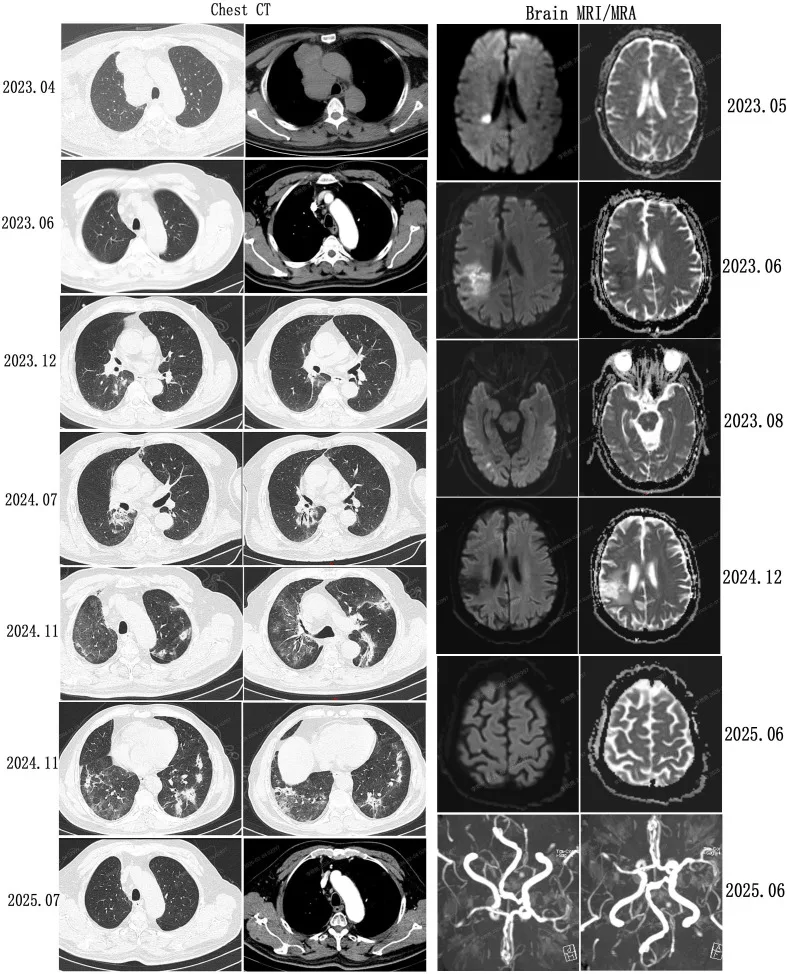
Small-cell lung cancer: envafolimab response complicated by immune-related diabetes, pneumonitis, and later submandibular progression

Patient Info: Anonymized, Male, 60s | Stage Metastatic/Advanced

Biomarkers: ProGRP and NSE were elevated at diagnosis. Tumor molecular biomarkers were not reported; diabetes antibodies were negative.

Metastatic Site: left submandibular region / adjacent lymph nodes

After initial partial response on envafolimab, carboplatin, etoposide, and thoracic radiotherapy, he developed immune-related diabetes, pneumonitis, and progressive left submandibular metastatic disease requiring iodine-125 seeds and later anlotinib.

PubMed Central
OutcomeSetback / Progression
A patient, who was diagnosed with Gastric CancerGastric Cancer

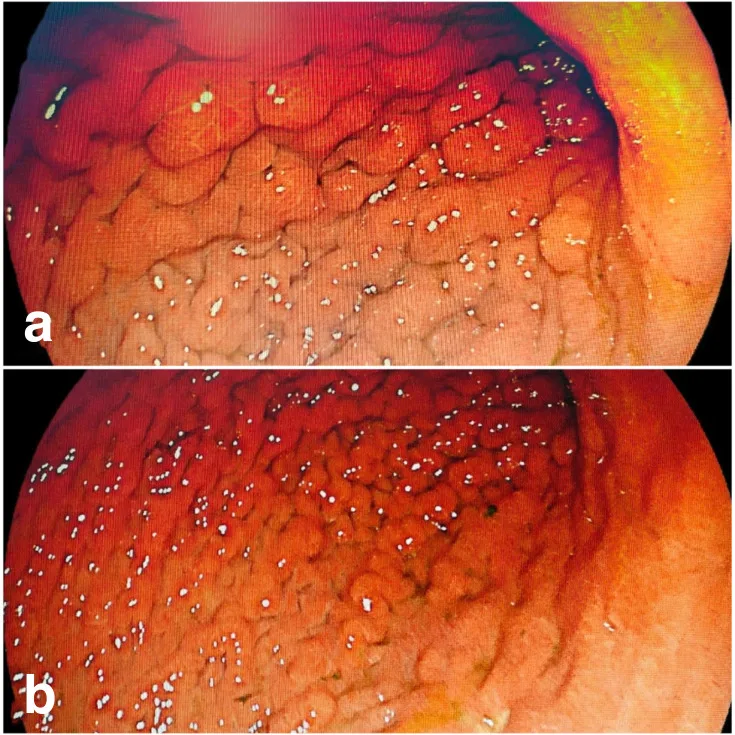
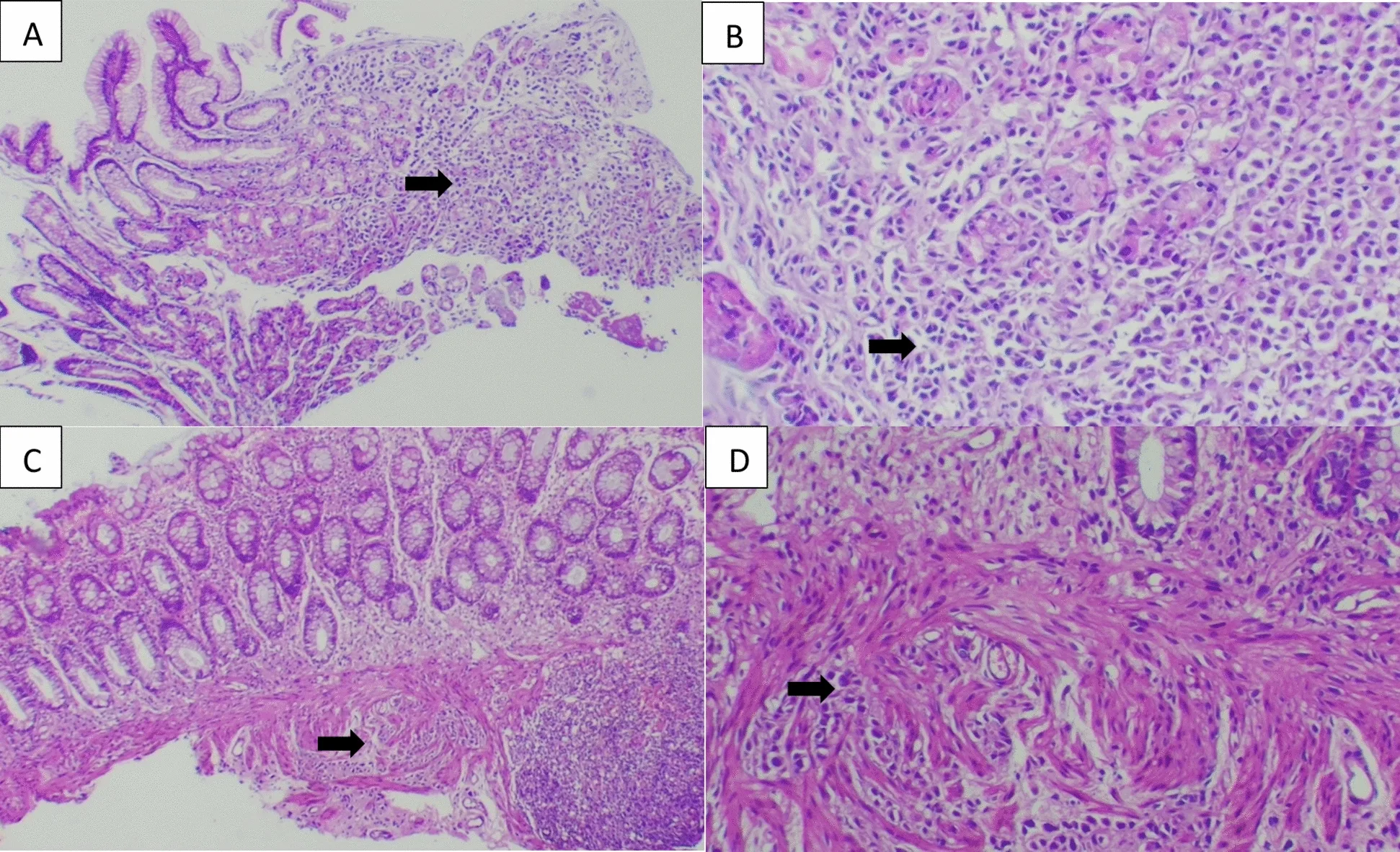
Metastatic Signet Ring Cell Stomach Cancer With Ménétrier’s Disease

Patient Info: Anonymized, Female | Stage Metastatic/Advanced

Metastatic Site: peritoneum|omentum

She was living with metastatic gastric signet ring cell carcinoma involving the peritoneum and received palliative chemotherapy.

PubMed Central
OutcomeLiving With Cancer
David, who was diagnosed with Stage IV Colorectal CancerColorectal Cancer

Stage IV Colorectal Cancer: David's Survivor Story

Patient Info: David, Male, Under 40 | Stage IV

Metastatic Site: Liver; lymph nodes near the heart

As of March 2026, David showed no evidence of cancer after Stage IV colorectal cancer with liver and near-heart lymph node metastases, following chemotherapy, tumor and lymph-node surgery, liver-directed radiation, radioembolization, and liver transplant.

Cleveland Clinic
OutcomeCancer-Free / NED
Joe, who was diagnosed with Stage IV Colorectal CancerColorectal Cancer

Stage IV Colorectal Cancer: Joe's Patient Story

Patient Info: Joe, Male | Stage IV

Biomarkers: Specific biomarkers not reported

Metastatic Site: Liver; lymph nodes; lungs

Stage IV colon cancer initially reached no evidence of disease after FOLFOX plus panitumumab, but later recurred in the liver and lymph nodes, progressed to the lungs, and did not respond to later FOLFOX rechallenge or FOLFIRI before he started an immunotherapy clinical trial.

The Patient Story
OutcomeSetback / Progression
Roxanne, who was diagnosed with Stage III Lung CancerLung Cancer

Stage III EGFR Lung Cancer: Roxanne's Patient Story

Patient Info: Roxanne, Female, 40s | Stage III

Biomarkers: EGFR mutation

Roxanne had Stage III EGFR-mutated lung cancer after surgery found mediastinal lymph-node involvement. As of March 2026, she was living with the long-term effects of surgery, chemotherapy, radiation, and ongoing EGFR-targeted therapy, while also managing the emotional and financial burden of cancer as a single parent.

The Patient Story
OutcomeCare Ongoing
Alyssa, who was diagnosed with Stage IV Colorectal CancerColorectal Cancer

Stage IV Colorectal Cancer: Alyssa's Patient Story

Patient Info: Alyssa Kelly, Female, Under 40 | Stage IV

Metastatic Site: Liver; lung

More than 4 years after pregnancy-associated Stage IV colorectal cancer, Alyssa was alive with her son, but after more than 1 year off chemotherapy she had several lung tumors, restarted chemotherapy, and was looking into clinical trials.

City of Hope
OutcomeSetback / Progression
Rebecca, who was diagnosed with Stage III Inflammatory Breast CancerBreast Cancer

Stage III HER2-Positive Inflammatory Breast Cancer: Rebecca's Survivor Story

Patient Info: Rebecca, Female | Stage III

Biomarkers: HER2-positive; hormone receptor-negative

Rebecca was entering her 6th year of remission after Stage IIIC HER2-positive, hormone receptor-negative inflammatory breast cancer, while continuing to manage recurrence fears and annual scares.

The Patient Story
OutcomeCancer-Free / NED
A patient, who was diagnosed with Stage IV Invasive Lobular CarcinomaBreast Cancer

Metastatic invasive lobular breast cancer with stomach, ovarian, peritoneal, rectal, and jejunal spread

Patient Info: Anonymized, Female, 40s | Stage IV

Biomarkers: Primary tumor and gastric metastasis were ER/PR positive and HER2 negative; GATA3 supported breast origin in the metastasis.

Metastatic Site: stomach; ovaries; peritoneum; rectum; jejunum

During 2025, she remained under active oncologic management for metastatic invasive lobular breast cancer with gastrointestinal, ovarian, peritoneal, rectal, and jejunal involvement.

PubMed Central
OutcomeLiving With Cancer
Natalie, who was diagnosed with Stage IV Non-Small Cell Lung CancerLung Cancer

Stage IV Non-Small Cell Lung Cancer: Natalie's Patient Story

Patient Info: Natalie, Female, Under 40 | Stage IV

Metastatic Site: Spine

Natalie was living with Stage IV NSCLC after a double lung transplant gave her new lung function, but cancer later appeared in the spine and required renewed chemotherapy and radiation.

The Patient Story
OutcomeLiving With Cancer
Christina, who was diagnosed with Stage IV Breast CancerBreast Cancer

Stage IV HER2-Positive Breast Cancer: Christina's Patient Story

Patient Info: Christina, Female | Stage IV

Biomarkers: HER2-positive

Metastatic Site: Liver; lymph nodes

Christina was living with Stage IV HER2-positive metastatic breast cancer. Treatment had cleared the liver disease and removed the visible breast tumor, but small armpit lymph-node disease required radiation and she continued IV treatment every 3 weeks.

The Patient Story
OutcomeLiving With Cancer
A patient, who was diagnosed with Stage IV Invasive Ductal CarcinomaBreast Cancer

ER-positive/HER2-positive breast cancer with rare paranasal sinus and skull metastasis

Patient Info: Anonymized, Female, 70+ | Stage IV

Biomarkers: Primary and paranasal sinus metastasis were ER positive, PR negative, HER2 positive; GATA3 supported breast origin in metastasis.

Metastatic Site: left frontal sinus; ethmoid air cells; posterior…

The paranasal sinus/skull metastasis did not respond to palliative radiotherapy; her condition deteriorated and she died 2 years after her initial presentation to the treating facility.

PubMed Central
OutcomeIn Memory
Mike, who was diagnosed with Stage IV Colorectal CancerColorectal Cancer

Stage IV Colorectal Cancer: Mike's Patient Story

Patient Info: Mike Ray, Male, Under 40 | Stage IV

Biomarkers: Lynch syndrome

Metastatic Site: Liver

As of March 2026, Mike had recovered quickly from a May 2025 liver transplant after about 2.5 years of cancer-control treatment for liver-metastatic colon cancer with Lynch syndrome, and he had returned to running, weight training, and triathlon goals.

Cleveland Clinic
OutcomeCare Ongoing
Maggie, who was diagnosed with Stage IV Non-Small Cell Lung CancerLung Cancer

Stage IV EGFR Non-Small Cell Lung Cancer: Maggie's Patient Story

Patient Info: Maggie, Female, 60s | Stage IV

Biomarkers: EGFR mutation; MET amplification resistance mutation; MET overexpression

Metastatic Site: Brain

Maggie initially reached no evidence of disease on EGFR-targeted therapy, but later had repeated progression, including MET-amplification resistance and MET overexpression, requiring SBRT, a clinical trial, chemotherapy, and later-line targeted treatment.

The Patient Story
OutcomeSetback / Progression
Sydney, who was diagnosed with Stage IV Colorectal CancerColorectal Cancer

Stage IV Colorectal Cancer: Sydney's Patient Story

Patient Info: Sydney, Female | Stage IV

Metastatic Site: Liver; lungs

Sydney was living with Stage IV colorectal cancer involving the liver and lungs. After multiple lines of treatment, she had a new liver spot and was back on lower-dose FOLFIRI every other Tuesday with a 46-hour pump.

The Patient Story
OutcomeLiving With Cancer
Amber, who was diagnosed with Stage III Colorectal CancerColorectal Cancer

Stage III Colorectal Cancer: Amber's Survivor Story

Patient Info: Amber Mike, Female, 40s | Stage III

As of February 2026, Amber had completed Stage III colorectal cancer treatment, was doing well under close monitoring with tumor markers every 3 months, and was rebuilding life through survivorship, therapy, travel, and advocacy.

City of Hope
OutcomeSurvivorship / Surveillance
Natasha, who was diagnosed with Stage IV Colorectal CancerColorectal Cancer

Stage IV Colorectal Cancer: Natasha's Patient Story

Patient Info: Natasha McCants, Female, 40s | Stage IV

Biomarkers: Unspecified tumor mutation identified by molecular testing

Metastatic Site: Liver; lungs; ovary

As of February 2026, Natasha’s Stage IV colorectal cancer was under control after mutation-informed treatment at City of Hope, but Signatera showed potentially active cells and she remained on daily chemotherapy pills.

City of Hope
OutcomeResponding Well
Clara, who was diagnosed with Stage IV Non-Small Cell Lung CancerLung Cancer

Stage IV ALK Non-Small Cell Lung Cancer: Clara's Patient Story

Patient Info: Clara, Female, Under 40 | Stage IV

Biomarkers: ALK-positive / ALK-rearranged after repeat Tempus testing

Metastatic Site: Pelvis; spleen

As of February 2026, ALK-targeted therapy had improved Clara’s symptoms enough that she no longer needed a walker or cane, and upcoming scans would determine whether pelvic tumor surgery remained an option.

The Patient Story
OutcomeResponding Well
Jacqueline, who was diagnosed with Breast CancerBreast Cancer

Triple-Negative Breast Cancer: Jacqueline's Patient Story

Patient Info: Jacqueline Bennett, Female, Under 40

Biomarkers: Initial ER-negative, PR-negative, HER2-negative; later HER2-positive

Jacqueline completed treatment for initial Stage IA triple-negative breast cancer during pregnancy and later developed a HER2-positive, hormone receptor-negative breast cancer. After 3 of 6 current treatments, the tumor was no longer visible on ultrasound or MRI, with targeted therapy and double mastectomy still planned.

The Patient Story
OutcomeResponding Well
A patient, who was diagnosed with Breast CancerBreast Cancer

Triple-negative breast cancer diagnosed during pregnancy: remission

Patient Info: Anonymized, Female, Under 40

Biomarkers: ER-negative; PR-negative; HER2-negative

The patient remains in remission 30 months after surgery. Immune-related brachial plexopathy after treatment improved after steroids, IVIG, and plasmapheresis, with electrophysiologic resolution and near-complete strength and sensory recovery.

PubMed Central
OutcomeCancer-Free / NED
A patient, who was diagnosed with Stage IV Lung AdenocarcinomaLung Cancer

Stage IVB lung adenocarcinoma with severe immune-related complications

Patient Info: Anonymized, Male, 70+ | Stage IV

Biomarkers: PD-L1 TPS 20%; BRAF mutation

Metastatic Site: left supraclavicular fossa, left axilla, right hilum,…

The patient had an initial partial response to ipilimumab/nivolumab but developed severe immune-related pneumonitis, thrombocytopenia, and aplastic anemia. Cytopenias recovered with eltrombopag, but lung cancer later relapsed with carcinomatous meningitis, and he died 20 months after diagnosis.

PubMed Central
OutcomeIn Memory