Bevacizumab: 111 Real Stories

111 stories match bevacizumab. 109 of them mention chemotherapy.

A patient, who was diagnosed with Stage IV Colorectal AdenocarcinomaColorectal Cancer

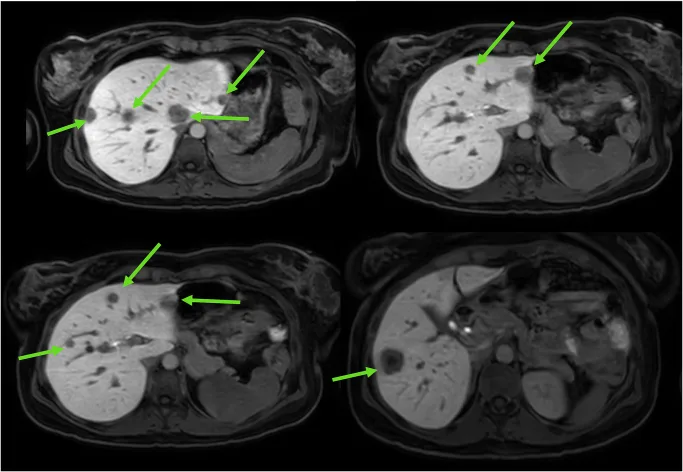
Stage IV KRAS-mutant colorectal cancer with bilobar liver metastases: multimodality treatment and no evidence of disease

Patient Info: Anonymized, Female, 40s | Stage IV

Biomarkers: KRAS-mutated; BRAF wild-type; mismatch repair proficient

Metastatic Site: liver

After second liver resection, follow-up MRI at 8 weeks showed continued response at the SABR site and no recurrent disease; she was receiving adjuvant capecitabine and remained well.

PubMed Central
OutcomeCancer-Free / NED
A patient, who was diagnosed with Stage IV Lung AdenocarcinomaLung Cancer

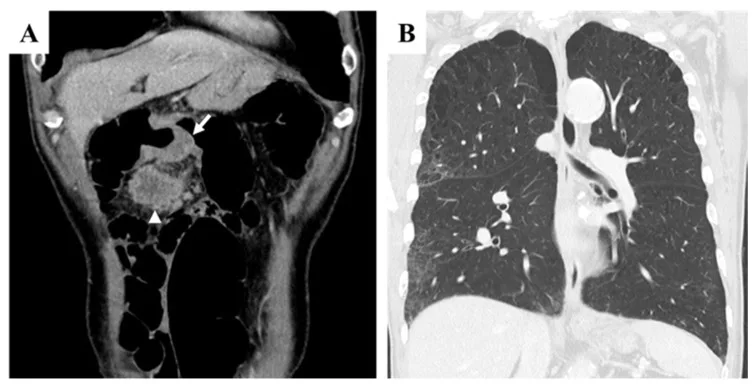
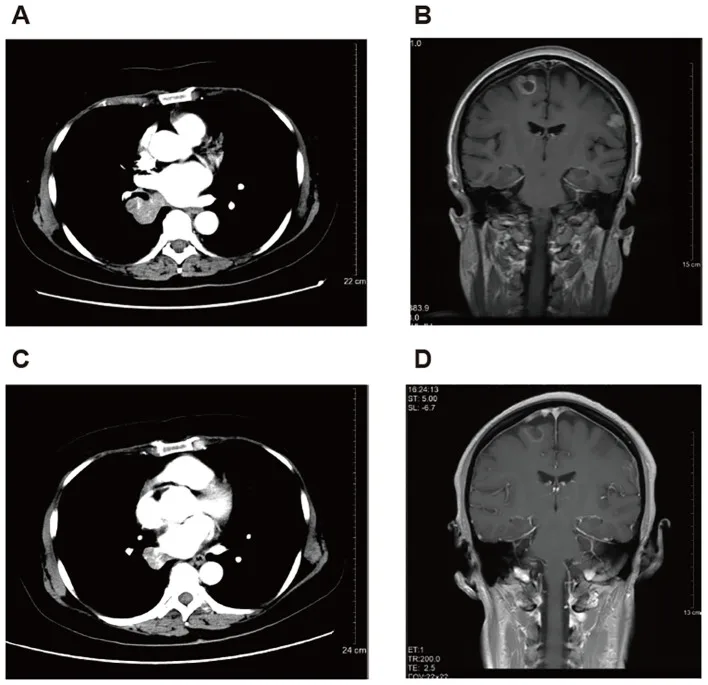
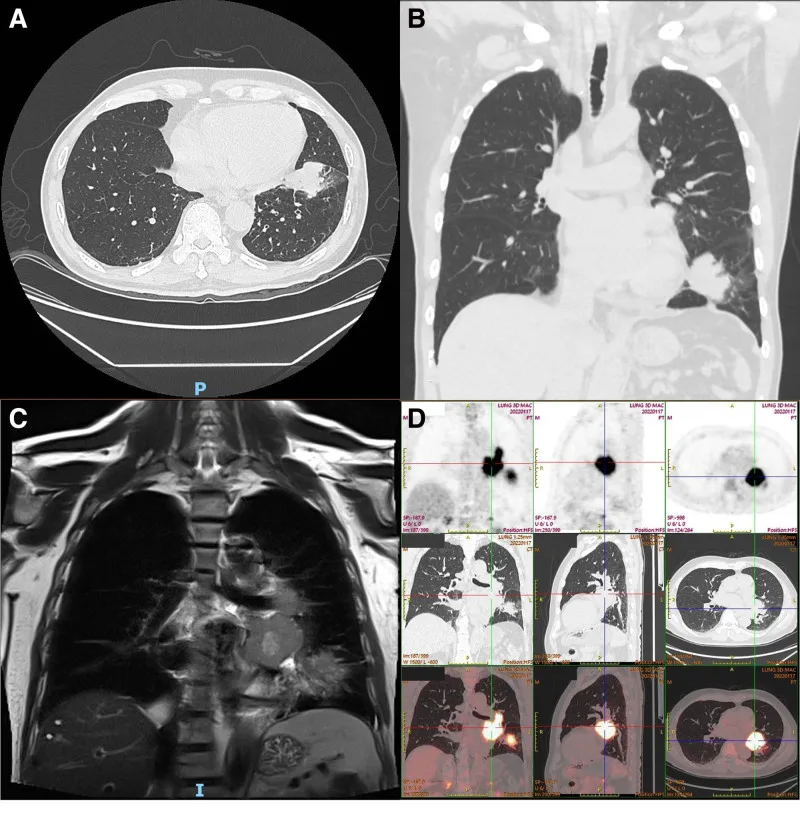
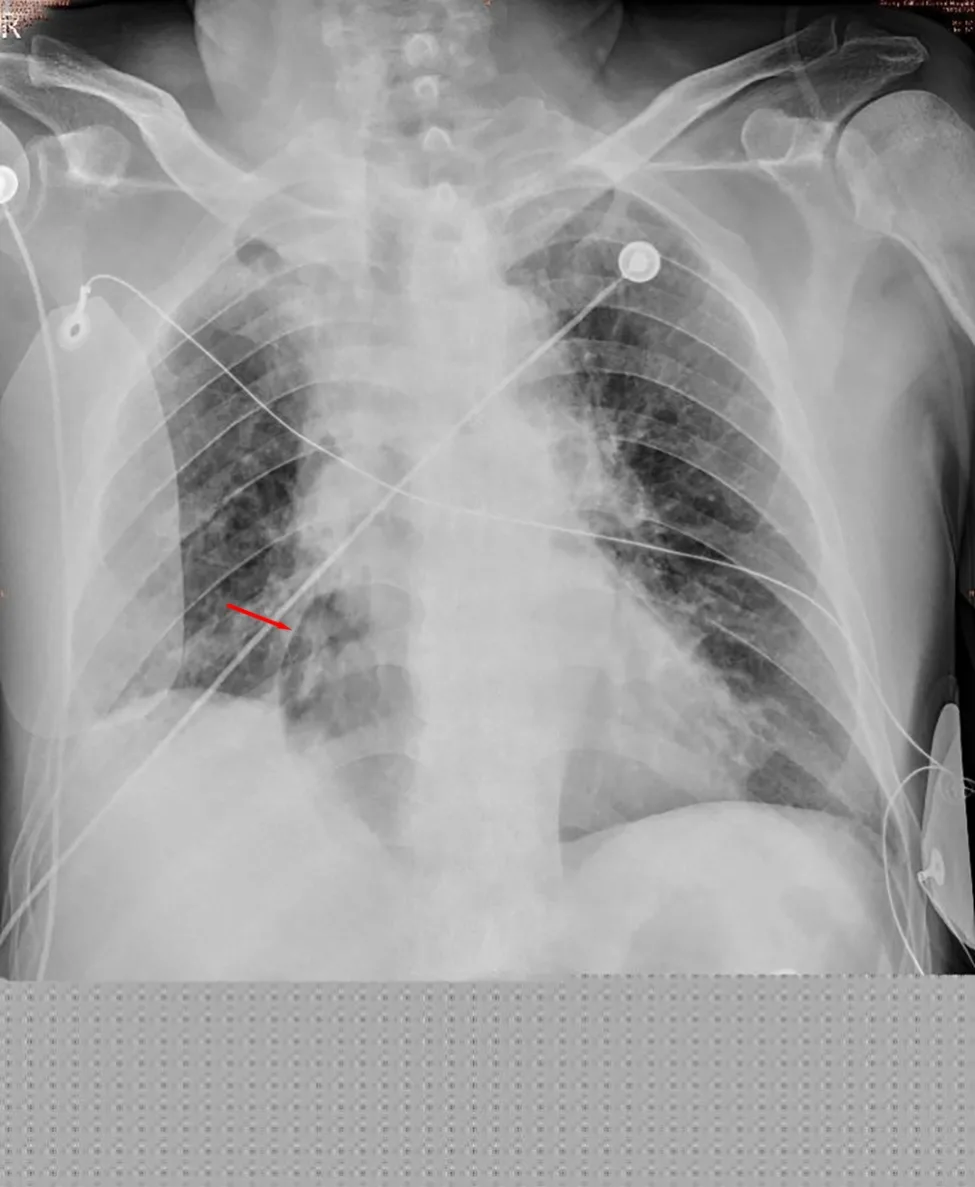
Stage IVA lung adenocarcinoma: fatal hemoptysis from pulmonary artery pseudoaneurysm after chemoradiotherapy

Patient Info: Anonymized, Female, 40s | Stage IV

Biomarkers: CEA 62 ng/mL; CA19-9 and neuron-specific enolase within normal limits; no molecular biomarkers reported

Metastatic Site: bone (11th thoracic vertebra)

The patient died from airway obstruction after massive hemoptysis caused by rupture of a pulmonary artery pseudoaneurysm that developed at the tumor-invaded pulmonary artery site after chemoradiotherapy.

PubMed Central
OutcomeIn Memory
A patient, who was diagnosed with Stage IV Colorectal CancerColorectal Cancer

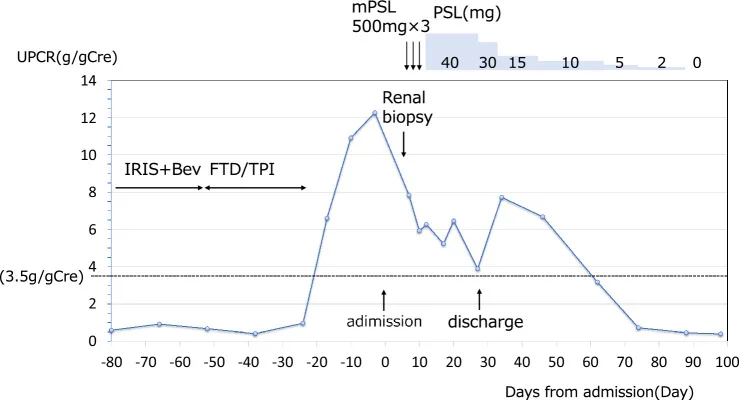
Kidney complication after switching colorectal cancer chemotherapy regimens

Patient Info: Anonymized, Male, 70+ | Stage IV

Metastatic Site: liver

The cancer had worsening liver metastases when FTD/TPI began. After treatment was stopped, steroid therapy resolved edema within 1 month and proteinuria returned to baseline 2.5 months after admission; the later cancer course was not established.

PubMed Central
OutcomeIn Treatment
A patient, who was diagnosed with Stage IV Colorectal AdenocarcinomaColorectal Cancer

Stage IV sigmoid colon cancer: recurrence after FOLFOX, hepatectomy, and colectomy

Patient Info: Anonymized, Male, 60s | Stage IV

Biomarkers: Mismatch repair proficient; microsatellite stable; KRAS wild-type; BRAF wild-type; CEA 3.8 ng/mL at diagnosis

Metastatic Site: liver, lung

As of September 2025, metastatic sigmoid colon cancer had recurred in the lungs and remnant liver after initial FOLFOX, hepatectomy, and colectomy, requiring FOLFIRI plus cetuximab.

PubMed Central
OutcomeSetback / Progression
A patient, who was diagnosed with Stage IV Colorectal AdenocarcinomaColorectal Cancer

Stage IV transverse colon cancer with NTRK fusion: entrectinib response followed by fatal PTTM

Patient Info: Anonymized, Male, 70+ | Stage IV

Biomarkers: RAS/BRAF wild type, low TMB. CEA and CA19-9 were elevated before entrectinib and fell with response.

Metastatic Site: peritoneum, greater omentum, pleura,…

He died 7 weeks after hospitalization from pulmonary tumor thrombotic microangiopathy causing severe pulmonary hypertension and right-heart failure, despite biochemical and ascites response to entrectinib.

PubMed Central
OutcomeIn Memory
A patient, who was diagnosed with Stage IV Non-Small Cell Lung CancerLung Cancer

Metastatic lung adenocarcinoma with HER2 V659E/amplification responding to trastuzumab deruxtecan

Patient Info: Anonymized, Female, 50s | Stage IV

Biomarkers: Initial lung testing showed no EGFR/ALK/ROS1 and PD-L1 TPS 3%. Later biopsy found HER2 V659E plus HER2 amplification.

Metastatic Site: liver, bone, brain

As of September 2024, metastatic lung adenocarcinoma had a sustained partial response to trastuzumab deruxtecan after HER2 V659E mutation and HER2 amplification were identified.

PubMed Central
OutcomeResponding Well
A patient, who was diagnosed with Stage IV Lung AdenocarcinomaLung Cancer

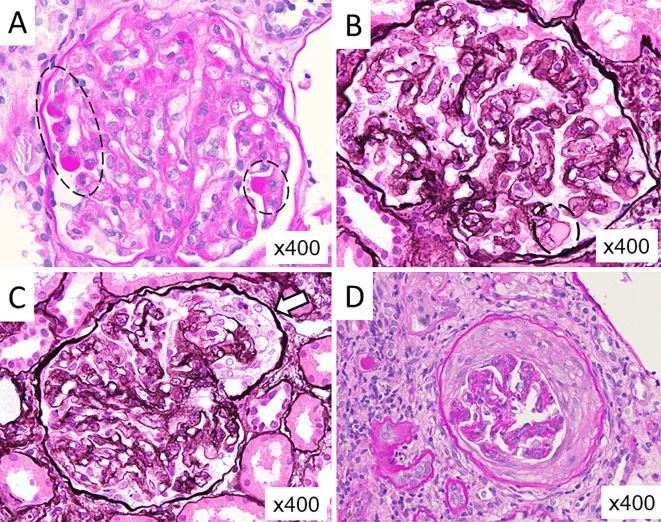
Recurrent lung adenocarcinoma with bevacizumab-associated glomerular microangiopathy

Patient Info: Anonymized, Male, 50s | Stage IV

Biomarkers: No tumor molecular biomarkers reported. Kidney biopsy and complement/immune deposits supported bevacizumab-related kidney microangiopathy.

Metastatic Site: pleura

He was living with recurrent metastatic lung adenocarcinoma after pleural spread and had persistent renal dysfunction and severe proteinuria from bevacizumab-associated glomerular microangiopathy despite stopping bevacizumab.

PubMed Central
OutcomeLiving With Cancer
A patient, who was diagnosed with Stage IV Colorectal AdenocarcinomaColorectal Cancer

Metastatic colorectal cancer during pregnancy: chemotherapy and liver metastases

Patient Info: Anonymized, Female, Under 40 | Stage IV

Biomarkers: Mismatch-repair deficient; KRAS ; BRAF not detected; CEA 38 ug/L; Lynch syndrome family history

Metastatic Site: liver, porta hepatis lymph nodes, retroperitoneal…

After initial response to FOLFOX, she developed bowel obstruction after moving closer to family and died during that admission after conservative management.

PubMed Central
OutcomeIn Memory
A patient, who was diagnosed with Stage IV Lung CancerLung Cancer

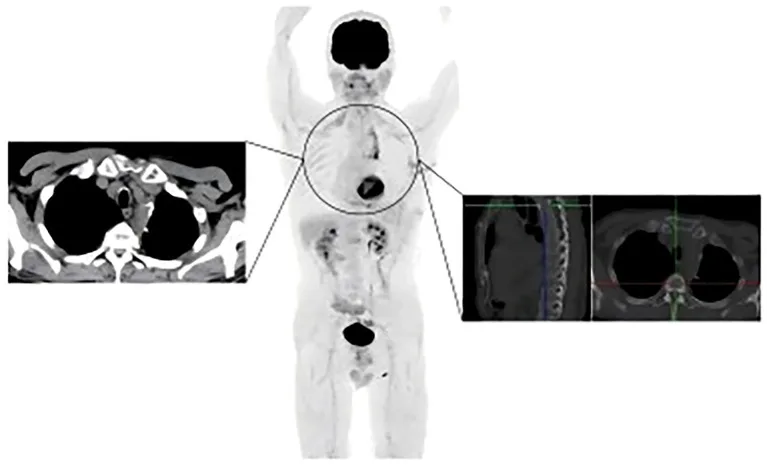
Stage I Pleomorphic Lung Cancer Recurring With Bone Metastasis Within Five Months

Patient Info: Anonymized, male, 60s | Stage IV

Biomarkers: PD-L1 high; no detected driver mutation

Metastatic Site: bone

PET-CT in December 2024 showed a partial response. As of February 2025, he remained on sintilimab and bevacizumab maintenance with about 9 months of progression-free survival after recurrence treatment.

PubMed Central
OutcomeResponding Well
A patient, who was diagnosed with Stage IV Colorectal AdenocarcinomaColorectal Cancer

Metastatic colon cancer: soft-tissue and adrenal metastases responding to FOLFIRI plus bevacizumab

Patient Info: Anonymized, Female, 60s | Stage IV

Biomarkers: KRAS codon 146 mutation; BRAF wild type. CK20 and Ki-67 supported colorectal metastasis; CEA/CA19-9 were elevated.

Metastatic Site: lungs; left arm/biceps soft tissue; right…

As of May 2025, metastatic colon cancer involving soft tissue, muscle, lung history, and right adrenal gland had regressed after 12 months of FOLFIRI plus bevacizumab, and the patient was alive 1 year after chemotherapy completion.

PubMed Central
OutcomeResponding Well
A patient, who was diagnosed with Stage IV Colorectal AdenocarcinomaColorectal Cancer

Metastatic rectal cancer responding well after intensive treatment despite severe chemotherapy complications

Patient Info: Anonymized, Male, 40s | Stage IV

Biomarkers: KRAS exon 4 mutation, BRAF wild-type, PD-L1 CPS 2

Metastatic Site: liver, lung

After more than 14 months of treatment, the primary rectal tumor and most lung metastases had been resected, liver lesions had largely regressed, and he was described as near NED while continuing maintenance capecitabine plus bevacizumab.

PubMed Central
OutcomeResponding Well
A patient, who was diagnosed with Stage IV Colorectal AdenocarcinomaColorectal Cancer

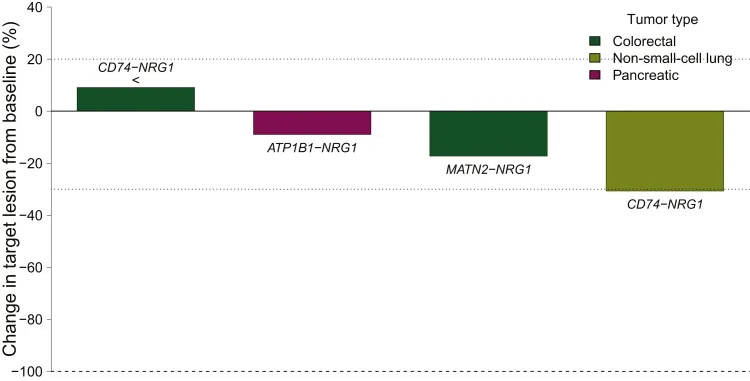
Metastatic Colorectal Cancer With NRG1 Fusion Controlled for Years With Afatinib

Patient Info: Anonymized, female, 40s | Stage IV

Biomarkers: MATN-NRG1 fusion; no KRAS alteration detected

Afatinib controlled her metastatic colorectal cancer for 136 weeks. After resection of the remaining target lesion in September 2022, she remained alive with no progression as of October 2024.

PubMed Central
OutcomeStable Disease
A patient, who was diagnosed with Stage IV Non-Small Cell Lung CancerLung Cancer

Stage 4 SMARCA4-deficient lung cancer: ongoing treatment response

Patient Info: Anonymized, Male, 50s | Stage IV

Biomarkers: SMARCA4-deficient lung cancer with BRG-1 loss, CK/CK7 positive, Ki-67 >40%. CEA

Metastatic Site: sigmoid colon, left adrenal gland

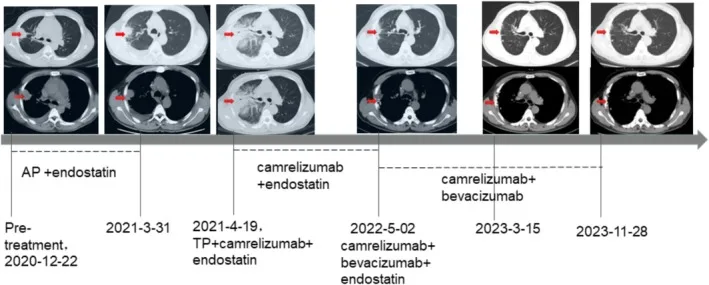
After colon metastasis surgery, continued radiotherapy, and later gemcitabine/nedaplatin/bevacizumab/camrelizumab for adrenal metastasis, the cancer showed a favorable response with no further recurrence or new metastasis reported.

PubMed Central
OutcomeResponding Well
Luna, who was diagnosed with Stage IV Lung AdenocarcinomaLung Cancer

Stage IV ROS1 Lung Adenocarcinoma: Luna's Patient Story

Patient Info: Luna, Female, 50s | Stage IV

Biomarkers: ROS1 rearrangement; EGFR negative; ALK negative

Metastatic Site: liver; bones

Luna had Stage IV ROS1-positive lung adenocarcinoma with liver and bone metastases. After progression on initial chemotherapy, crizotinib led to tumor shrinkage and controlled her cancer for almost 12 years as of March 2025.

The Patient Story
OutcomeResponding Well
A patient, who was diagnosed with Stage IV Lung AdenocarcinomaLung Cancer

Stage 4 lung adenocarcinoma with RET fusion responding to pralsetinib

Patient Info: Anonymized, Male, 60s | Stage IV

Biomarkers: RET fusion

Metastatic Site: pleura

As of March 2025, he had recovered from grade 3 Pneumocystis jirovecii pneumonia, restarted pralsetinib, and had no progressive disease or recurrence of adverse events over 13 months.

PubMed Central
OutcomeResponding Well
A patient, who was diagnosed with Stage IV Lung AdenocarcinomaLung Cancer

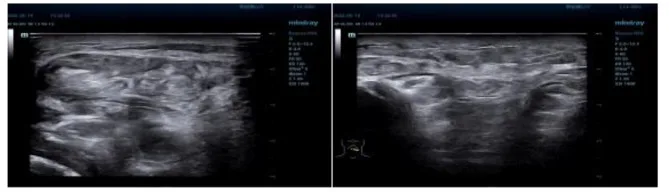
Lung Adenocarcinoma With Rare Skin Metastasis to the Neck

Patient Info: Anonymized, male, 50s | Stage IV

Metastatic Site: neck skin

The lung cancer later spread to the neck skin, and he died during the following year after stopping further treatment.

PubMed Central
OutcomeIn Memory
A patient, who was diagnosed with Stage IV Non-Small Cell Lung CancerLung Cancer

Advanced Non-Small Cell Lung Cancer With ERBB2 and TP53 Mutations

Patient Info: Anonymized, male, 50s | Stage IV

Biomarkers: ERBB2 exon 20 Y772-A775dup mutation; TP53 mutation; PD-L1 TPS 0%

Metastatic Site: liver, bone, both lungs

Imaging after treatment showed stable disease, and he remained in good condition while continuing maintenance pemetrexed and bevacizumab.

PubMed Central
OutcomeStable Disease
A patient, who was diagnosed with Stage IV Lung AdenocarcinomaLung Cancer

Metastatic Lung Adenocarcinoma With a Serious Immune-Therapy Pituitary Complication

Patient Info: Anonymized, male, 60s | Stage IV

Biomarkers: No detected EGFR, ALK, ROS1, RET, MET or HER2 alterations

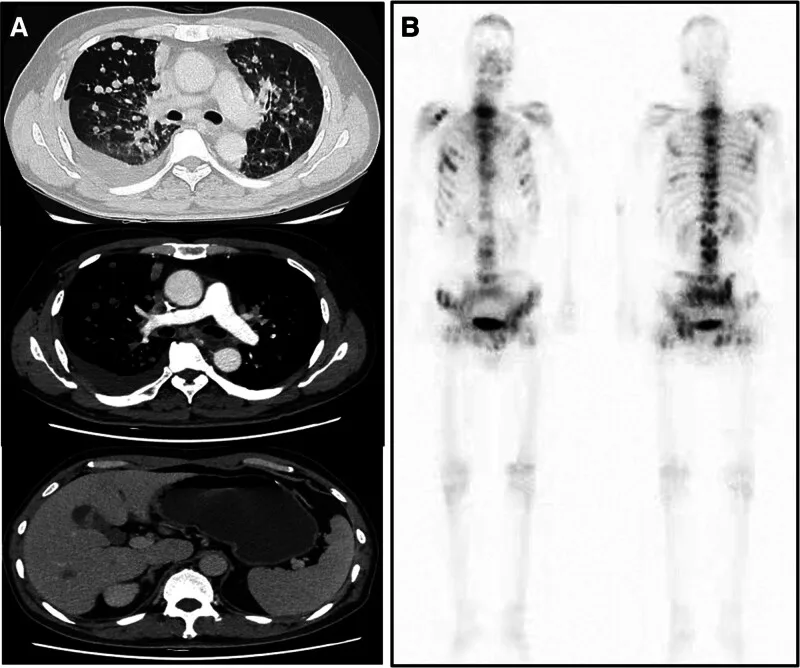
Metastatic Site: brain, meninges, skull, bone, pituitary

The cancer had progressed to extensive brain, skull and bone involvement after several treatments. Steroid treatment improved the severe thirst, high urine output and other symptoms from immune-related hypophysitis.

PubMed Central
OutcomeSetback / Progression
A patient, who was diagnosed with Stage IV Colorectal CancerColorectal Cancer

Stage IV cecum cancer with liver and ovarian metastases: ramucirumab-related nephrotic syndrome and glomerular microangiopathy

Patient Info: Anonymized, Female, 50s | Stage IV

Biomarkers: Cancer biomarkers were not reported. Kidney injury workup showed severe protein leakage and biopsy-proven glomerular microangiopathy.

Metastatic Site: liver, right ovary

The liver metastasis shrank after XELOX plus bevacizumab and metastatic liver/ovarian sites were resected, but ramucirumab-based second-line therapy was stopped after nephrotic syndrome and severe glomerular microangiopathy; blood pressure and proteinuria improved with telmisartan.

PubMed Central
OutcomeCare Ongoing
A patient, who was diagnosed with Stage IV Small Cell Lung CancerLung Cancer

Small Cell Lung Cancer With Paraneoplastic Cushing Syndrome Treated With Immunochemotherapy

Patient Info: Anonymized, male, 60s | Stage IV

Biomarkers: PD-L1 negative; low tumor mutation burden; microsatellite stable

Metastatic Site: liver, abdominal wall, left ilium

He lived 20 months after diagnosis. After repeated treatment responses and later progression, he died in September 2023 from respiratory and cardiac failure during a severe infection following treatment-related myelosuppression.

PubMed Central
OutcomeIn Memory
A patient, who was diagnosed with Stage II Lung AdenocarcinomaLung Cancer

Recurrent Lung Adenocarcinoma Complicated by a Tracheopericardial Fistula

Patient Info: Anonymized, male, 70+ | Stage II

Biomarkers: No gene mutations identified on postoperative testing

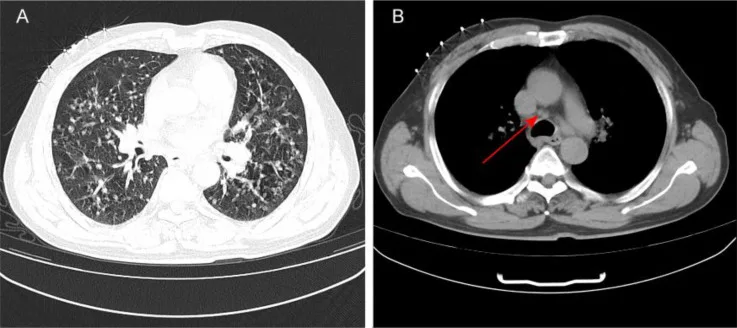
He died during the June 2024 admission, about 7½ years after his November 2016 lung-cancer diagnosis, after massive hemoptysis occurred in the setting of a tracheopericardial fistula and recurrent cancer.

PubMed Central
OutcomeIn Memory