Bevacizumab: 111 Real Stories

111 stories match bevacizumab. 109 of them mention chemotherapy.

Sydney, who was diagnosed with Stage IV Colorectal CancerColorectal Cancer

Sydney Stoner: Stage IIIB to Stage IV colon cancer with liver and lung involvement

Patient Info: Sydney Stoner, Female, Under 40 | Stage IV

Metastatic Site: Liver; lungs

Progressed from Stage IIIB colon cancer to Stage IV disease involving the liver and lungs; treated with surgery/ileostomy/reversal, FOLFOX/FOLFIRI, lung radiation, liver ablation/resection, capecitabine, and ongoing Lonsurf + Avastin.

Fight Colorectal Cancer
OutcomeSetback / Progression
A patient, who was diagnosed with Stage IV Colorectal AdenocarcinomaColorectal Cancer

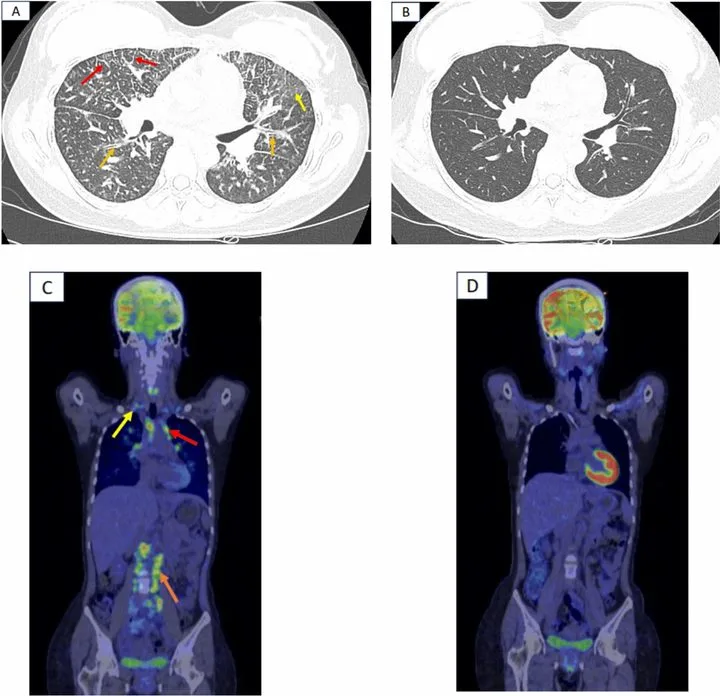
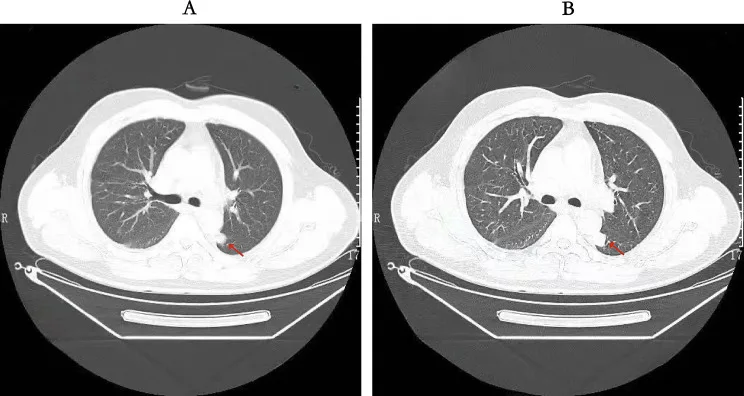
Stage IV colon cancer with a lung infection mimicking new metastases

Patient Info: Anonymized, male, 60s | Stage IV

Biomarkers: KRAS wild-type; NRAS wild-type; BRAF wild-type; microsatellite stable; HER2-positive

Metastatic Site: liver

The colon primary and liver metastases achieved a partial response and were later assessed as stable with continued shrinkage. New lung nodules regressed with fluconazole, supporting pulmonary cryptococcosis rather than new cancer spread.

PubMed Central
OutcomeStable Disease
Adrienne, who was diagnosed with Stage IV Colorectal AdenocarcinomaColorectal Cancer

Stage IV Colorectal Adenocarcinoma: Adrienne's Patient Story

Patient Info: Adrienne, Female | Stage IV

Metastatic Site: Liver

As of June 2026, Adrienne had Stage IV colon adenocarcinoma with liver metastases, had experienced liver recurrence after intensive multimodal treatment, and was back on FOLFIRI plus Avastin.

The Patient Story
OutcomeSetback / Progression
A patient, who was diagnosed with Stage IV Non-Small Cell Lung CancerLung Cancer

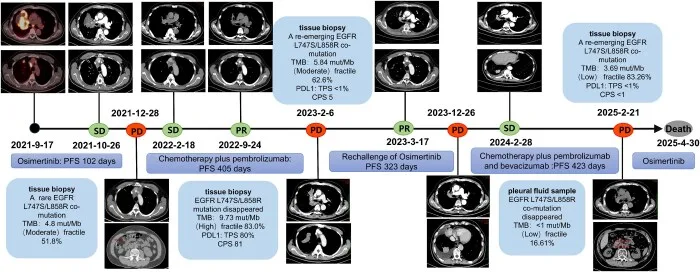
Stage IVA EGFR-mutant lung adenocarcinoma: clonal evolution, chemoimmunotherapy response, osimertinib rechallenge, and death after progression

Patient Info: Anonymized, Male, 60s | Stage IV

Biomarkers: Markers changed over time: started with EGFR L747S/L858R; later MET-amplified, PD-L1 TPS 80%, high TMB clone; later EGFR reappeared.

Metastatic Site: pleura, peritoneal nodule, retroperitoneal lymph nodes

The patient died on 30 April 2025 after progression through multiple lines and infection related to treatment-associated myelosuppression.

PubMed Central
OutcomeIn Memory
A patient, who was diagnosed with Stage IV Non-Small Cell Lung CancerLung Cancer

Stage IV EGFR-mutated lung adenocarcinoma: high-dose furmonertinib after CNS progression

Patient Info: Anonymized, Female, 50s | Stage IV

Biomarkers: Initial EGFR L858R mutation. Later blood testing showed EGFR p.S553Y variation; CEA rose and fell with treatment.

Metastatic Site: brain/meninges; bilateral pleura/lungs; mediastinal…

As of June-September 2024, the left lung lesion was stable to slightly smaller on escalated furmonertinib, but brain/CNS lesions had progressed and required dose escalation to 240 mg/day; later imaging was declined.

PubMed Central
OutcomeSetback / Progression
Lee, who was diagnosed with Stage IV Colorectal CancerColorectal Cancer

Stage IV Colorectal Cancer: Lee's Patient Story

Patient Info: Lee, Male, 50s | Stage IV

Metastatic Site: Liver

Lee initially reached no evidence of disease after chemotherapy and right hemicolectomy, but the cancer recurred in the liver about 1 year later, requiring FOLFIRI and liver resection with major postoperative complications.

The Patient Story
OutcomeSetback / Progression
A patient, who was diagnosed with Stage IV Lung AdenocarcinomaLung Cancer

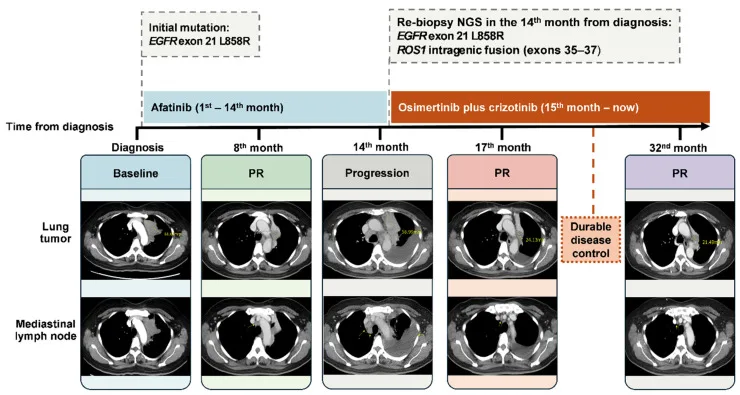
Stage IV EGFR-mutated lung cancer responds after targeted therapy intolerance

Patient Info: Anonymized, Female, 50s | Stage IV

Biomarkers: EGFR L858R mutation; PIK3CA E545K mutation; acquired ROS1 rearrangement

Metastatic Site: pleura|pericardium|bone|lungs

Chemotherapy produced a partial response that remained sustained for 7 months at the latest follow-up.

PubMed Central
OutcomeResponding Well
A patient, who was diagnosed with Stage IV Colorectal AdenocarcinomaColorectal Cancer

Rectal cancer that spread through the lungs: complete remission after BRAF-targeted therapy

Patient Info: Anonymized, Female, Under 40 | Stage IV

Biomarkers: BRAF mutation; HER2-negative; microsatellite stable; no detectable KRAS or NRAS mutations

Metastatic Site: lungs (pulmonary lymphangitic carcinomatosis);…

After progression with recurrent lung metastases and a new pericardial effusion, she chose hospice care and died in February 2025, 19 months after diagnosis.

PubMed Central
OutcomeIn Memory
Caitlin, who was diagnosed with Stage II Ovarian Squamous Cell CarcinomaOvarian Cancer

Stage II Ovarian Squamous Cell Carcinoma: Caitlin's Survivor Story

Patient Info: Caitlin Koehler, female, Under 40 | Stage II

Biomarkers: PD-L1: high expression

After surgery for recurrence, Caitlin remained on maintenance therapy and her follow-up scans showed no evidence of disease.

MD Anderson
OutcomeCancer-Free / NED
A patient, who was diagnosed with Stage IV Ovarian AdenocarcinomaOvarian Cancer

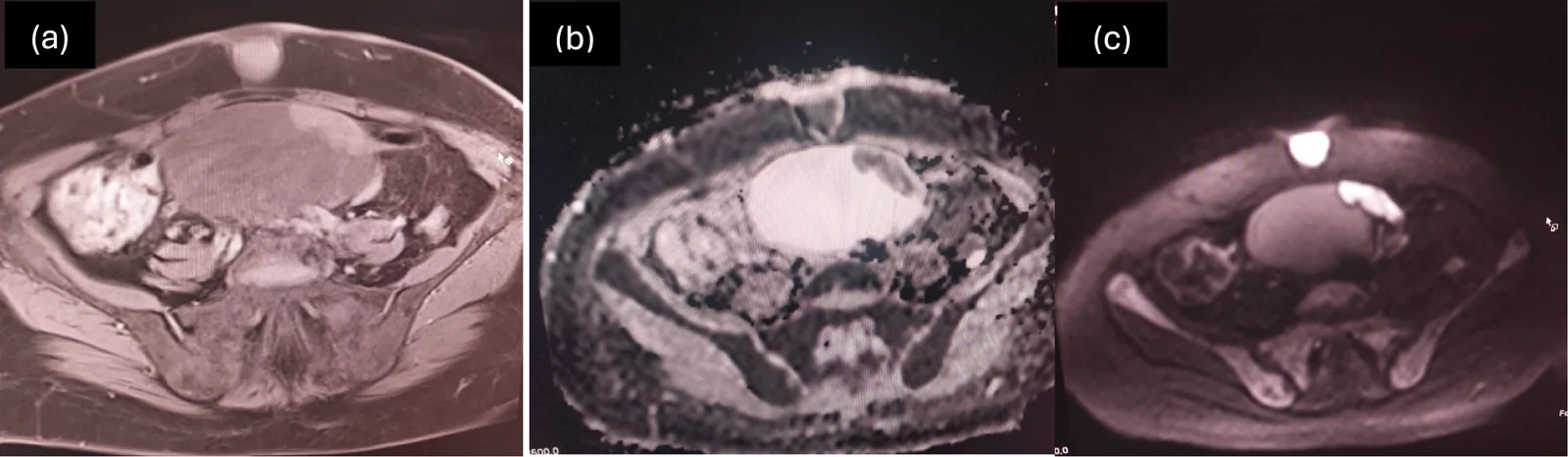
Stage IV Ovarian Cancer First Found Through an Umbilical Metastasis

Patient Info: Anonymized, female, 60s | Stage IV

Biomarkers: WT1-positive; CK7-positive; CA-125 321 U/mL at diagnosis

Metastatic Site: umbilicus

After 9 months of bevacizumab maintenance, her clinical and imaging findings remained stable.

PubMed Central
OutcomeStable Disease
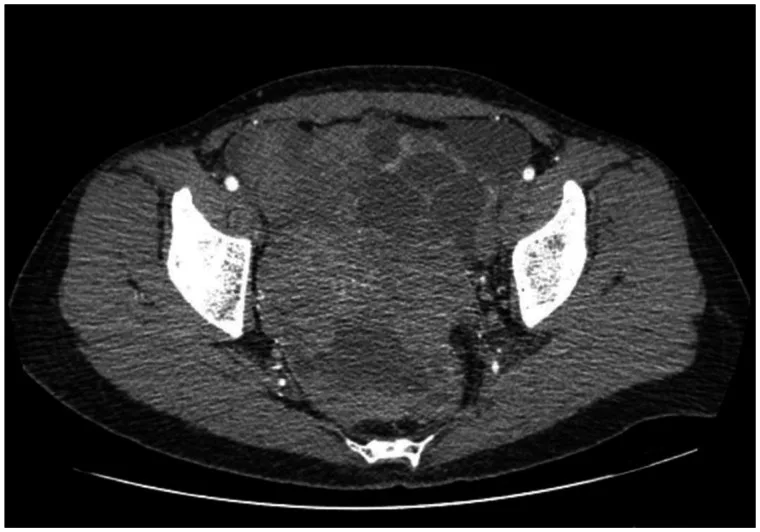
A patient, who was diagnosed with Stage III Ovarian CancerOvarian Cancer

Durable response after multiple treatments for ovarian clear cell cancer

Patient Info: Anonymized, Female, 40s | Stage III

Biomarkers: HRD-positive; BRCA-negative; ARID1A mutation; PD-L1 CPS 30

She achieved a complete response, completed maintenance immunotherapy in May 2024, and continued anlotinib with normal follow-up imaging and tumor markers.

PubMed Central
OutcomeResponding Well
Jim, who was diagnosed with Stage IV Colorectal CancerColorectal Cancer

My STAGE 4 Colon Cancer was Revealed by a Routine Blood Test! (NO SYMPTOMS!)

Patient Info: Jim, Male, 40s | Stage IV

Metastatic Site: Liver; lungs

Stage IV colon cancer with liver and lung metastases responded strongly to FOLFIRINOX-based chemotherapy, with tumor reduction over 70%, no detectable lung cancer on testing, and ongoing maintenance chemotherapy for remaining liver disease.

The Patient Story
OutcomeResponding Well
A patient, who was diagnosed with Stage I Lung AdenocarcinomaLung Cancer

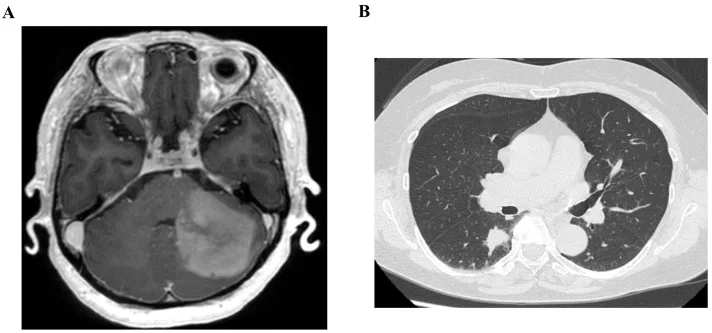
Synchronous Stage IA lung adenocarcinoma and grade 4 glioblastoma: lung nodule regressed during brain-cancer therapy

Patient Info: Anonymized, Female, 70+ | Stage I

Biomarkers: Lung molecular biomarkers not reported; glioblastoma biomarker details not summarized in library fields

The Stage IA lung adenocarcinoma was monitored without lung-directed therapy and decreased from 18 mm to 9 mm while CNS-directed glioblastoma treatment continued; she remained alive with no lung cancer progression.

PubMed Central
OutcomeCare Ongoing
A patient, who was diagnosed with Lung CancerLung Cancer

Pulmonary epithelioid hemangioendothelioma with complete response after neoadjuvant therapy

Patient Info: Anonymized, Male, 60s

Biomarkers: WWTR1-CAMTA1 fusion; vascular markers supported epithelioid hemangioendothelioma; lung cancer markers were absent.

The patient achieved radiographic disappearance of the lung tumor after neoadjuvant paclitaxel/carboplatin plus bevacizumab. Surgery then showed no residual tumor and lymph nodes were negative; CT follow-up through April 2024 showed no recurrence.

PubMed Central
OutcomeCancer-Free / NED
A patient, who was diagnosed with Stage IV Lung AdenocarcinomaLung Cancer

EGFR-Mutant Lung Adenocarcinoma With Bone and Leptomeningeal Metastases

Patient Info: Anonymized, male, 40s | Stage IV

Biomarkers: EGFR exon 19 deletion; acquired EGFR T790M mutation

Metastatic Site: bone, leptomeninges

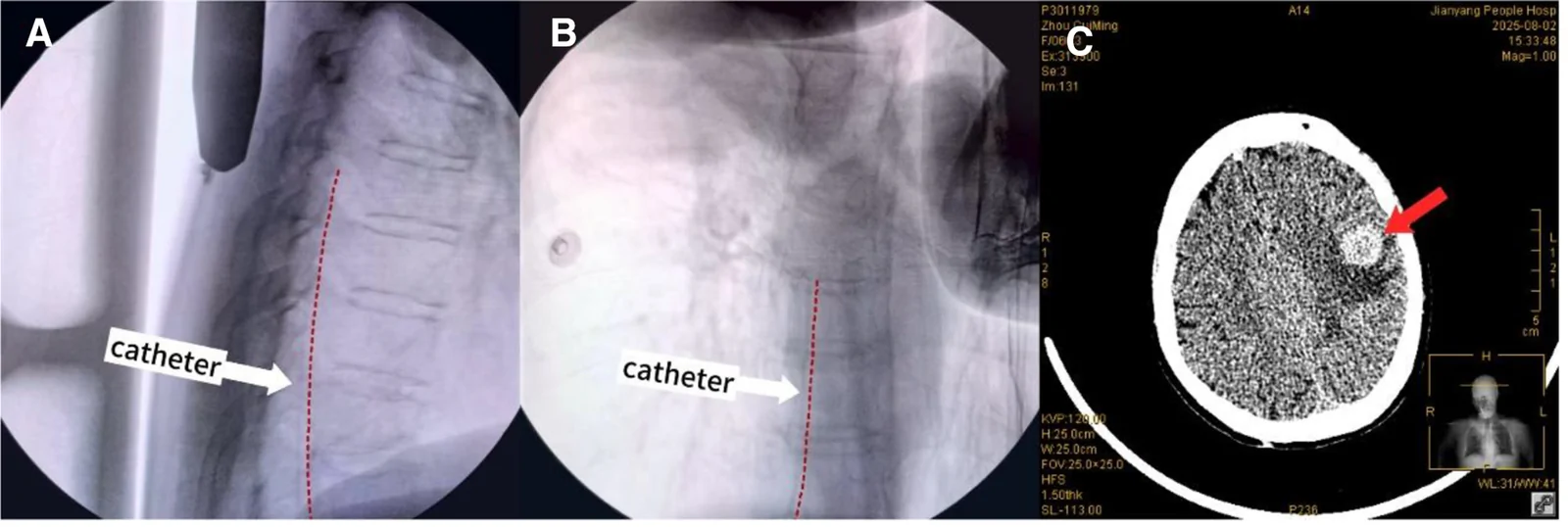
In May 2025, leptomeningeal disease remained present and he continued combination chemotherapy with bevacizumab and high-dose furmonertinib, leaving hospital in stable condition after cycle 8.

PubMed Central
OutcomeCare Ongoing
A patient, who was diagnosed with Stage IV Non-Small Cell Lung CancerLung Cancer

MET exon 14 skipping lung adenocarcinoma: sequential MET-TKI toxicity and ongoing chemotherapy

Patient Info: Anonymized, Male, 70+ | Stage IV

Biomarkers: MET exon 14 skipping mutation; EGFR negative; ALK negative; ROS1 negative; PD-L1 tumor proportion score 10%

Metastatic Site: pleura

The cancer recurred with pleural dissemination after surgery and adjuvant UFT. Sequential MET inhibitors and systemic therapies provided periods of disease control but were limited by ILD and non-ILD toxicities; at the report, he remained on carboplatin, pemetrexed, and bevacizumab.

PubMed Central
OutcomeLiving With Cancer
A patient, who was diagnosed with Stage IV Ovarian CancerOvarian Cancer

Ovarian Cancer Metastatic to an Axillary Lymph Node Without Breast Disease

Patient Info: Anonymized, female, 50s | Stage IV

Biomarkers: BRCA1/2 negative

Metastatic Site: right axillary lymph node

Secondary cytoreductive surgery in April 2025 achieved complete macroscopic cytoreduction, and she was discharged without complications.

PubMed Central
OutcomeCare Ongoing
A patient, who was diagnosed with Stage IV Breast CancerBreast Cancer

Metastatic Breast Cancer Causing Bile Duct Obstruction and Liver Failure

Patient Info: Anonymized, female, Under 40 | Stage IV

Biomarkers: Metastatic biopsy ER-negative, PR-negative, HER2-negative

Metastatic Site: bone, liver, common bile duct

Her metastatic breast cancer progressed rapidly with diffuse liver involvement and bile-duct invasion, leading to liver failure and death 28 days after admission.

PubMed Central
OutcomeIn Memory
A patient, who was diagnosed with Stage IV Lung AdenocarcinomaLung Cancer

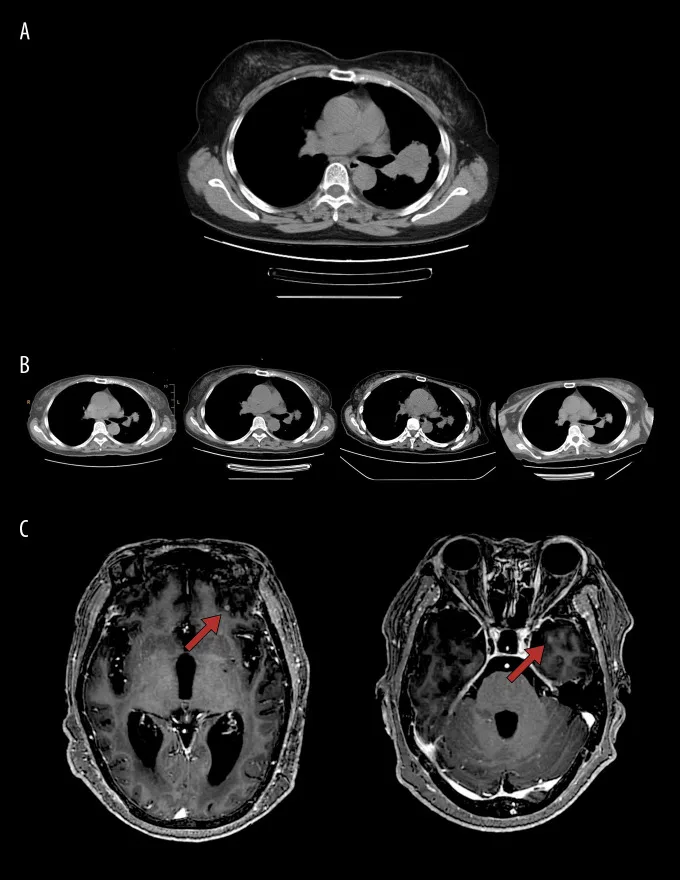
Stage IV NSCLC with brain and leptomeningeal metastases responding to radiotherapy, camrelizumab, GM-CSF, and chemotherapy

Patient Info: Anonymized, Male, 50s | Stage IV

Biomarkers: Lung cancer markers supported adenocarcinoma. PD-L1 negative; no common lung driver found; TMB high; MSI not detected.

Metastatic Site: brain, leptomeningeal disease, left supraclavicular…

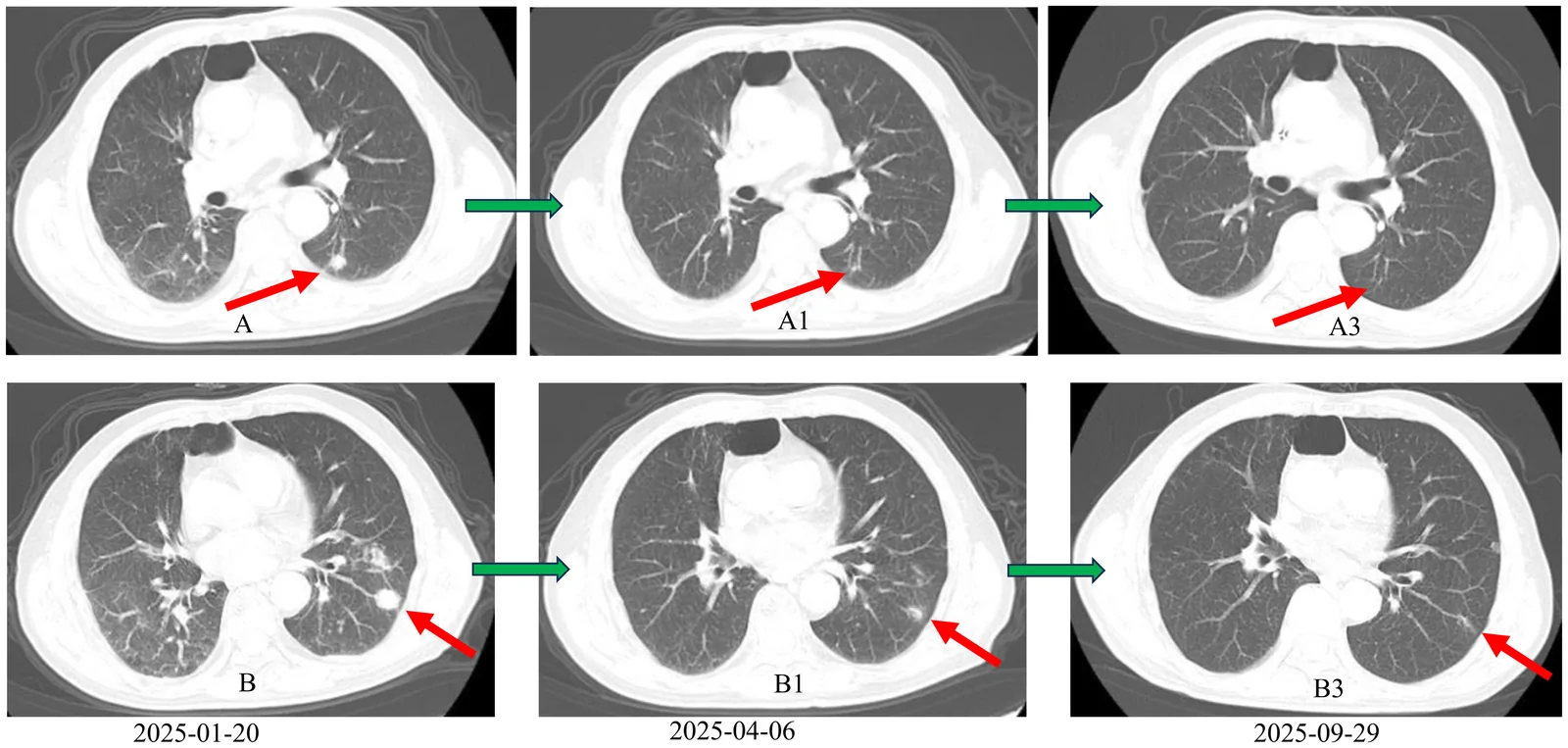
As of March 2025, leptomeningeal metastases had complete response, brain lesions had further regression, the lung lesion had decreased from 76 mm to 21 mm, and overall disease remained in partial response with 69 months of progression-free survival since radiotherapy.

PubMed Central
OutcomeResponding Well
A patient, who was diagnosed with Stage IV Non-Small Cell Lung CancerLung Cancer

Stage IVB SMARCA4-deficient NSCLC with brain metastasis: stable disease after surgery, radiation, chemotherapy, immunotherapy, and bevacizumab

Patient Info: Anonymized, Male, 70+ | Stage IV

Biomarkers: SMARCA4/BRG-1 loss with TP53 and other mutations; TMB high; PD-L1 <1%; MSI-H not detected.

Metastatic Site: brain

As of October 2025, the patient had stable disease, no brain recurrence, a controlled left lower-lobe lung lesion, and manageable treatment toxicity while continuing bevacizumab plus pemetrexed maintenance.

PubMed Central
OutcomeLiving With Cancer
A patient, who was diagnosed with Colorectal CancerColorectal Cancer

Colon cancer patient with insulin autoimmune syndrome after FOLFOX, bevacizumab, and omeprazole

Patient Info: Anonymized, Male, 70+

Biomarkers: No cancer biomarkers reported. Insulin autoimmune syndrome followed chemotherapy/omeprazole exposure.

As of November 2025, the rare insulin autoimmune syndrome episode had improved after glucose supplementation and prednisone acetate, with blood glucose returning to the normal range during postoperative colon cancer treatment.

PubMed Central
OutcomeCare Ongoing