Targeted Therapy for Stage 4 Lung Cancer: 213 Real Stories

213 stories match lung cancer, stage 4 and targeted therapy. 103 of them mention chemotherapy.

A patient, who was diagnosed with Stage IV Non-Small Cell Lung CancerLung Cancer

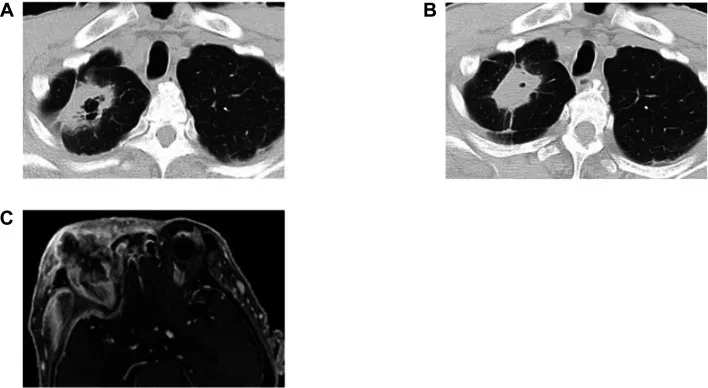
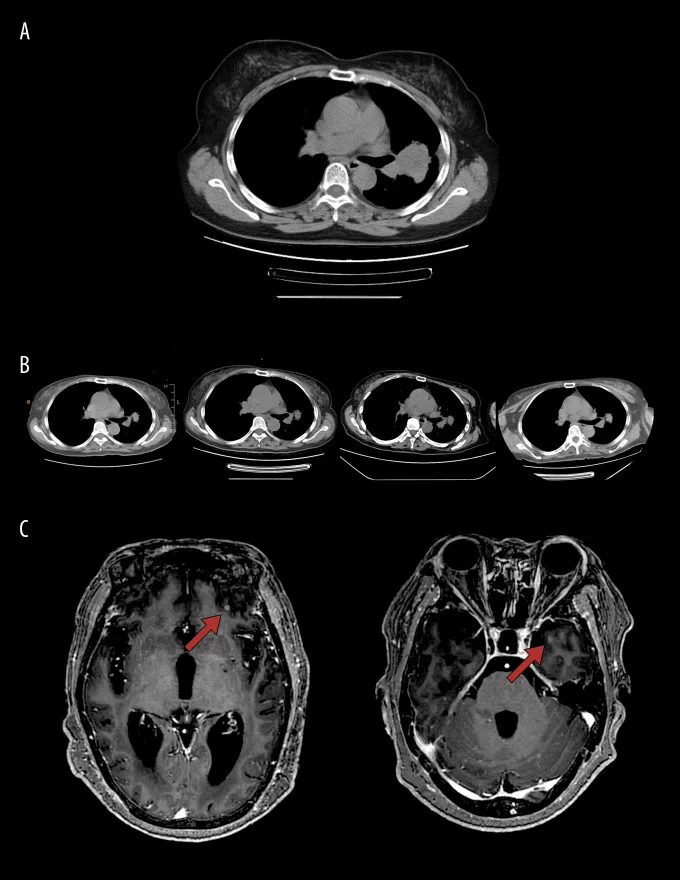
MET-Positive Lung Cancer Found After Eye Pain and Forehead Swelling

Patient Info: Anonymized, Male | Stage IV

Biomarkers: MET exon 14 skipping mutation

Metastatic Site: Right orbit; frontal skull/bone; left iliac bone

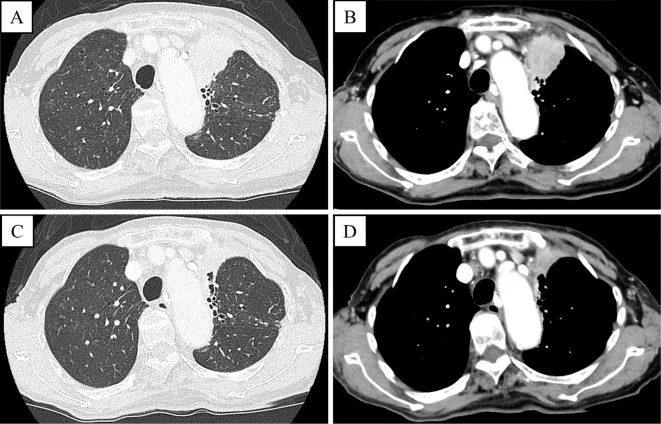
After 2 months of tepotinib, the primary lung lesion decreased from about 53 × 33 mm to 36 × 24 mm, metastatic sites were stable and the patient continued treatment without significant adverse events.

PubMed Central
OutcomeStable Disease / Ongoing Therapy
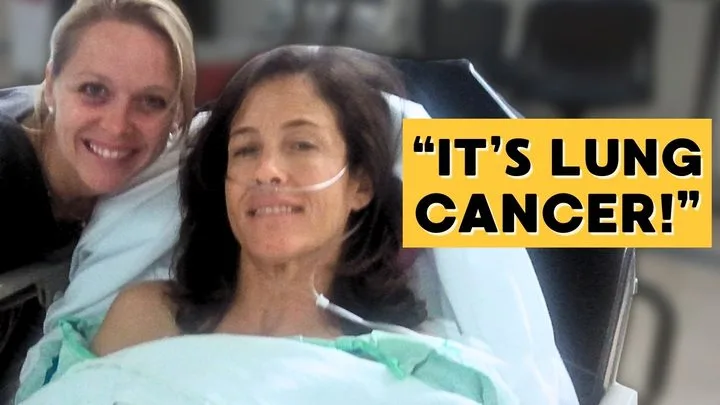
Anne, who was diagnosed with Stage IV Lung CancerLung Cancer

Stage IV EGFR Lung Cancer: Anne's Patient Story

Patient Info: Anne, Female | Stage IV

Biomarkers: EGFR-positive

Metastatic Site: spine; hips; lymph nodes; liver

Anne maintained a good quality of life for about 1 year on an oral EGFR-targeted medicine and later entered a clinical trial while continuing lung-cancer advocacy.

The Patient Story
OutcomeLiving With Cancer / Clinical Trial
Jeff, who was diagnosed with Stage IV Lung CancerLung Cancer

Stage IV ALK Lung Cancer: Jeff's Patient Story

Patient Info: Jeff Meckstroth, Male | Stage IV

Biomarkers: ALK-positive driver mutation

Metastatic Site: Brain

More than 6 years after an initial prognosis of about 6 months, Jeff was alive, preparing to retire and continuing biomarker-guided care; the brain metastases had disappeared within a few months of the therapy change.

The Patient Story
OutcomeLiving With Cancer / Ongoing Therapy
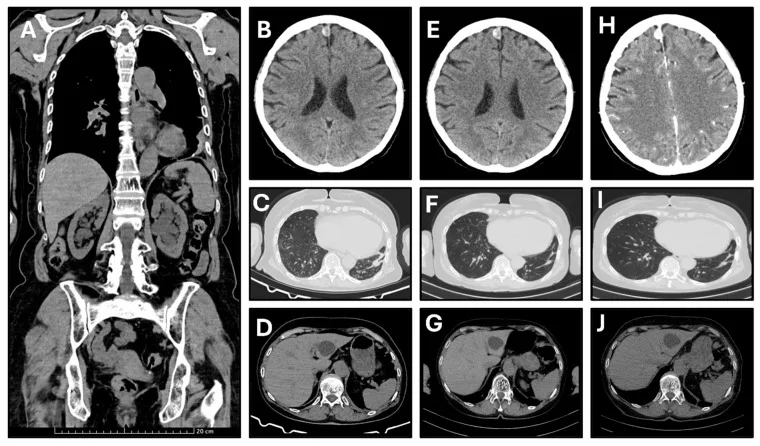
A patient, who was diagnosed with Stage IV Lung AdenocarcinomaLung Cancer

RET-positive Stage IV lung cancer: targeted therapy stopped after severe side effects

Patient Info: Anonymized, Female, 70+ | Stage IV

Biomarkers: RET fusion

Metastatic Site: brain|bone

Selpercatinib produced early shrinkage of the lung tumor and brain metastases, but it was permanently discontinued because of recurrent severe side effects. She was transferred for supportive care.

PubMed Central
OutcomeLiving With Cancer
A patient, who was diagnosed with Stage IV Lung AdenocarcinomaLung Cancer

HER2-mutated lung cancer: restarting targeted therapy after lung inflammation

Patient Info: Anonymized, Female, 70+ | Stage IV

Biomarkers: HER2 exon 20 insertion; PD-L1 negative

Metastatic Site: brain

Trastuzumab deruxtecan was restarted successfully after lung inflammation improved, but it was discontinued after 9 cycles when the cancer progressed.

PubMed Central
OutcomeSetback / Progression
Rosee, who was diagnosed with Stage IV Non-Small Cell Lung CancerLung Cancer

Stage IV EGFR Non-Small Cell Lung Cancer: Rosee's Patient Story

Patient Info: Rosee, Female | Stage IV

Biomarkers: EGFR mutation; specific variant not reported

Metastatic Site: brain

Within weeks of starting osimertinib, Rosee’s tumors shrank significantly, migraines and vertigo resolved, and hearing began to return; she remained on treatment and active in advocacy.

Lung Cancer Research Foundation
OutcomeResponding Well
A patient, who was diagnosed with Stage IV Non-Small Cell Lung CancerLung Cancer

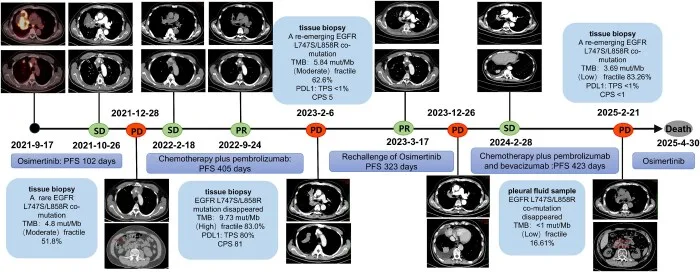
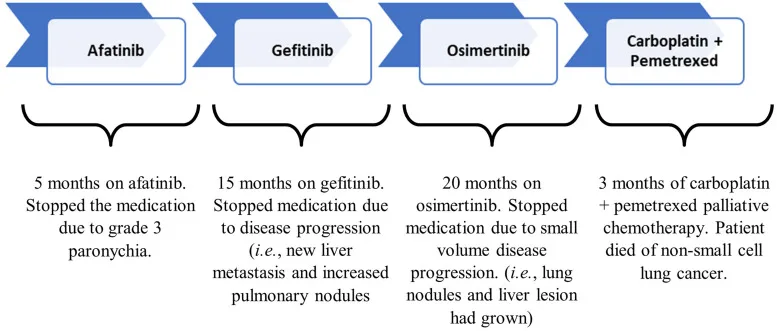
Stage IVA EGFR-mutant lung adenocarcinoma: clonal evolution, chemoimmunotherapy response, osimertinib rechallenge, and death after progression

Patient Info: Anonymized, Male, 60s | Stage IV

Biomarkers: Markers changed over time: started with EGFR L747S/L858R; later MET-amplified, PD-L1 TPS 80%, high TMB clone; later EGFR reappeared.

Metastatic Site: pleura, peritoneal nodule, retroperitoneal lymph nodes

The patient died on 30 April 2025 after progression through multiple lines and infection related to treatment-associated myelosuppression.

PubMed Central
OutcomeIn Memory
Shannon, who was diagnosed with Stage IV Lung CancerLung Cancer

Stage IV EGFR Lung Cancer: Shannon's Survivor Story

Patient Info: Shannon, Female, Under 40 | Stage IV

Biomarkers: EGFR mutation; TP53 mutation

Metastatic Site: cervical spine (C1/C2 and C4/C6), liver

As of June 2026, Shannon described no evidence of active disease: visible tumors were gone, the original lung mass had decreased from 10.8 cm to a 3.8 cm cavity, and targeted therapy continued to suppress possible remaining cells.

The Patient Story
OutcomeCancer-Free / NED
A patient, who was diagnosed with Stage IV Non-Small Cell Lung CancerLung Cancer

Stage IV EGFR-mutated lung adenocarcinoma: high-dose furmonertinib after CNS progression

Patient Info: Anonymized, Female, 50s | Stage IV

Biomarkers: Initial EGFR L858R mutation. Later blood testing showed EGFR p.S553Y variation; CEA rose and fell with treatment.

Metastatic Site: brain/meninges; bilateral pleura/lungs; mediastinal…

As of June-September 2024, the left lung lesion was stable to slightly smaller on escalated furmonertinib, but brain/CNS lesions had progressed and required dose escalation to 240 mg/day; later imaging was declined.

PubMed Central
OutcomeSetback / Progression
Nancee, who was diagnosed with Stage IV Lung CancerLung Cancer

Stage IV ALK Lung Cancer: Nancee's Patient Story

Patient Info: Nancee Pronsati, Female | Stage IV

Biomarkers: ALK-positive; ALK fusion/rearrangement

Metastatic Site: bilateral lung nodules, brain

As of May 2026, Nancee had lived about 10 years with metastatic ALK-positive lung cancer, including brain progression, and continued long-term targeted therapy with quality of life as a major goal.

The Patient Story
OutcomeLiving With Cancer
Jill, who was diagnosed with Stage IV Non-Small Cell Lung CancerLung Cancer

Stage IV Non-Small Cell Lung Cancer: Jill's Patient Story

Patient Info: Jill, Female, 50s | Stage IV

Biomarkers: Driver mutation identified; specific mutation not stated

Metastatic Site: pleura

As of May 2026, Jill had lived 17 years with NSCLC, later experienced pleural metastases/progression, and remained on biomarker-guided targeted therapy with chemotherapy added.

The Patient Story
OutcomeLiving With Cancer
A patient, who was diagnosed with Stage IV Lung AdenocarcinomaLung Cancer

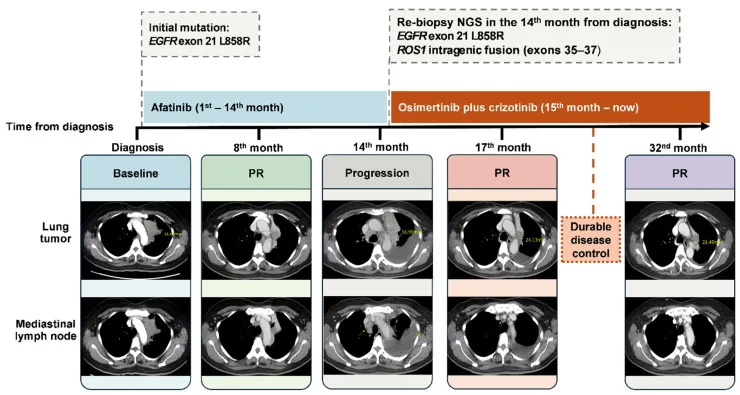
EGFR-mutated lung cancer responds after acquired ROS1 resistance

Patient Info: Anonymized, Female, 50s | Stage IV

Biomarkers: EGFR L858R mutation; acquired ROS1 rearrangement

Metastatic Site: pleura

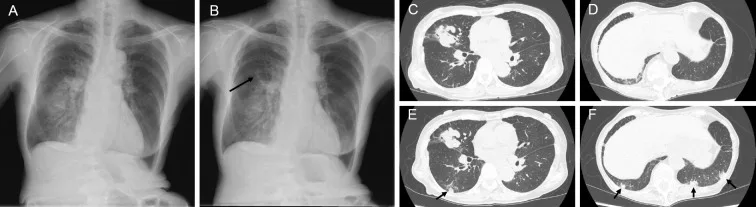
She remained on osimertinib plus crizotinib with a sustained clinical and radiologic response for more than 18 months.

PubMed Central
OutcomeResponding Well
A patient, who was diagnosed with Stage IV Lung AdenocarcinomaLung Cancer

Stage IV EGFR-mutated lung cancer responds after targeted therapy intolerance

Patient Info: Anonymized, Female, 50s | Stage IV

Biomarkers: EGFR L858R mutation; PIK3CA E545K mutation; acquired ROS1 rearrangement

Metastatic Site: pleura|pericardium|bone|lungs

Chemotherapy produced a partial response that remained sustained for 7 months at the latest follow-up.

PubMed Central
OutcomeResponding Well
A patient, who was diagnosed with Stage IV Lung AdenocarcinomaLung Cancer

EGFR-mutated Stage IV lung cancer with later brain progression

Patient Info: Anonymized, Female, 60s | Stage IV

Biomarkers: EGFR exon 19 deletion; acquired EGFR C797S mutation; acquired ROS1 rearrangement

Metastatic Site: brain|bone

She died about 20 months after diagnosis after brain progression and a severe postoperative stroke.

PubMed Central
OutcomeIn Memory
Jake, who was diagnosed with Stage IV Lung CancerLung Cancer

Stage IV ALK Lung Cancer: Jake's Patient Story

Patient Info: Jake, Male, Under 40 | Stage IV

Biomarkers: ALK-positive mutation

Metastatic Site: brain; lung; ankle bone

As of May 2026, Jake was 28 and had lived more than 13 years with Stage IV ALK-positive lung cancer, with ongoing treatment history including targeted therapy, surgeries, radiation, clinical-trial therapy, and recent chemotherapy.

The Patient Story
OutcomeLiving With Cancer
Kartik, who was diagnosed with Stage IV Lung CancerLung Cancer

Stage IV ALK Lung Cancer: Kartik's Patient Story

Patient Info: Kartik, Male, Under 40 | Stage IV

Biomarkers: EML4/ALK mutation

Kartik was diagnosed with Stage IV ALK-rearranged lung cancer at age 28, continued working for several years through a targeted clinical trial, and died in 2015 at age 34.

GO2 Foundation
OutcomeIn Memory
A patient, who was diagnosed with Stage IV Lung AdenocarcinomaLung Cancer

Stage IVA EGFR-mutated lung adenocarcinoma: stable disease on first-line osimertinib

Patient Info: Anonymized, Female, 70+ | Stage IV

Biomarkers: EGFR exon 19 deletion; baseline EGFR exon 20 T790M mutation; ALK IHC negative; PD-L1 TPS 30%; TTF-1-positive

Metastatic Site: pleura; malignant pleural-pericardial adhesions

As of April 2026, she had stable disease for more than 9 months on first-line osimertinib, with no progressive disease, no recurrent pleural effusion, ECOG improvement from 2 to 0, and no treatment-related adverse events.

PubMed Central
OutcomeResponding Well
Kelsey, who was diagnosed with Stage IV Lung CancerLung Cancer

Stage IV EGFR Lung Cancer: Kelsey's Patient Story

Patient Info: Kelsey, Female, Under 40 | Stage IV

Biomarkers: EGFR mutation; later ALK mutation after progression

Metastatic Site: Bone — pelvis and spine/L5

Living with Stage IV lung cancer on a clinical trial after progression, with current treatment described as working and quality of life improved.

The Patient Story
OutcomeResponding Well
Megan, who was diagnosed with Stage IV Non-Small Cell Lung CancerLung Cancer

Stage IV ALK Non-Small Cell Lung Cancer: Megan's Survivor Story

Patient Info: Megan, Female, Under 40 | Stage IV

Biomarkers: ALK-positive

Metastatic Site: Spine; chest lymph nodes; stomach lymph nodes

Stage IV ALK-positive non-small cell lung cancer responded dramatically to daily targeted therapy, with latest scans described as no evidence of disease while she continues long-term targeted therapy.

The Patient Story
OutcomeCancer-Free / NED
Maggie, who was diagnosed with Stage IV Non-Small Cell Lung CancerLung Cancer

Stage IV EGFR Non-Small Cell Lung Cancer: Maggie's Patient Story

Patient Info: Maggie, Female, 60s | Stage IV

Biomarkers: EGFR mutation; MET amplification resistance mutation; MET overexpression

Metastatic Site: Brain

Maggie initially reached no evidence of disease on EGFR-targeted therapy, but later had repeated progression, including MET-amplification resistance and MET overexpression, requiring SBRT, a clinical trial, chemotherapy, and later-line targeted treatment.

The Patient Story
OutcomeSetback / Progression
Clara, who was diagnosed with Stage IV Non-Small Cell Lung CancerLung Cancer

Stage IV ALK Non-Small Cell Lung Cancer: Clara's Patient Story

Patient Info: Clara, Female, Under 40 | Stage IV

Biomarkers: ALK-positive / ALK-rearranged after repeat Tempus testing

Metastatic Site: Pelvis; spleen

As of February 2026, ALK-targeted therapy had improved Clara’s symptoms enough that she no longer needed a walker or cane, and upcoming scans would determine whether pelvic tumor surgery remained an option.

The Patient Story
OutcomeResponding Well
Phil, who was diagnosed with Stage IV Lung CancerLung Cancer

Stage IV ROS1 Lung Cancer: Phil's Patient Story

Patient Info: Phil, Male, 60s | Stage IV

Biomarkers: ROS1 mutation

Metastatic Site: Lymph nodes; other lung

Phil was living with incurable Stage IV ROS1-positive lung cancer. After initial chemotherapy, a ROS1-targeted pill worked for about 2 years, and he later continued on a Mass General clinical-trial treatment with follow-up every 3 months.

The Patient Story
OutcomeLiving With Cancer
Stephanie, who was diagnosed with Stage IV Non-Small Cell Lung CancerLung Cancer

Stage IV ALK Non-Small Cell Lung Cancer: Stephanie's Patient Story

Patient Info: Stephanie, Female, 40s | Stage IV

Biomarkers: ALK mutation / ALK-positive

Metastatic Site: ovaries; spine; liver; lung

Stage IV ALK-positive NSCLC is being managed with ALK-directed treatment; follow-up scans were described as improving, but the source does not state complete remission.

The Patient Story
OutcomeResponding Well