Targeted Therapy for Stage 4 Lung Cancer: 213 Real Stories

213 stories match lung cancer, stage 4 and targeted therapy. 103 of them mention chemotherapy.

A patient, who was diagnosed with Stage IV Lung AdenocarcinomaLung Cancer

Stage 4 lung cancer: 2-year survival with immunotherapy

Patient Info: Anonymized, Male, 50s | Stage IV

Biomarkers: SMARCA4/BRG1 loss; MET exon 14 ; BRCA1/MSH6/CDK12 mutations; PD-L1 TPS 90%; no MSI. Other common lung drivers not detected.

Metastatic Site: pleural effusion, multiple bilateral lung nodules,…

The patient declined MET inhibitor therapy and chemotherapy but responded strongly to sintilimab plus anlotinib, with marked shrinkage after 2 cycles, sustained lesion control through 32 cycles, and more than 2 years of progression-free survival.

PubMed Central
OutcomeResponding Well
A patient, who was diagnosed with Stage IV Lung AdenocarcinomaLung Cancer

Stage IV ROS1-positive lung adenocarcinoma: entrectinib-associated ventricular tachyarrhythmia treated with plasma exchange

Patient Info: Anonymized, Male, Under 40 | Stage IV

Biomarkers: ROS1-positive lung adenocarcinoma

Metastatic Site: not specified

As of October 2025, the patient survived severe entrectinib-associated ventricular tachyarrhythmia, was weaned from VA-ECMO by day 5 after therapeutic plasma exchange, and was discharged improved on day 13; later lung-cancer response was not described.

PubMed Central
OutcomeCare Ongoing
A patient, who was diagnosed with Stage IV Lung AdenocarcinomaLung Cancer

Stage IVA lung adenocarcinoma: fatal hemoptysis from pulmonary artery pseudoaneurysm after chemoradiotherapy

Patient Info: Anonymized, Female, 40s | Stage IV

Biomarkers: CEA 62 ng/mL; CA19-9 and neuron-specific enolase within normal limits; no molecular biomarkers reported

Metastatic Site: bone (11th thoracic vertebra)

The patient died from airway obstruction after massive hemoptysis caused by rupture of a pulmonary artery pseudoaneurysm that developed at the tumor-invaded pulmonary artery site after chemoradiotherapy.

PubMed Central
OutcomeIn Memory
A patient, who was diagnosed with Stage IV Non-Small Cell Lung CancerLung Cancer

Stage IVA EGFR-mutant lung adenocarcinoma: response to triple targeted therapy and surgery

Patient Info: Anonymized, Female, 50s | Stage IV

Biomarkers: Initial EGFR exon 19 deletion; acquired BRAF V600E mutation in progressive lesion while EGFR exon 19 deletion persisted

Metastatic Site: pleura, pulmonary metastases; mediastinal and left…

As of May 2025, she continued osimertinib, dabrafenib, and trametinib after segmentectomy/lymphadenectomy, with 1% viable residual tumor in resected lung lesions, complete nodal pathologic response, and no disease progression.

PubMed Central
OutcomeResponding Well
A patient, who was diagnosed with Stage IV Lung AdenocarcinomaLung Cancer

Stage IVB ROS1-rearranged lung adenocarcinoma with bilateral ocular metastases: durable response to entrectinib

Patient Info: Anonymized, Male, 40s | Stage IV

Biomarkers: EZR-ROS1 fusion with mutation frequency 42.99%; TTF-1-positive in lung and left-eye tumor tissue

Metastatic Site: bilateral uveal/ocular metastases; bronchial lymph…

After about 3 years on entrectinib, systemic disease remained well controlled with partial remission, both eyes had best corrected visual acuity of 20/20, and no treatment-related discomfort or adverse events were reported.

PubMed Central
OutcomeResponding Well
A patient, who was diagnosed with Stage IV Non-Small Cell Lung CancerLung Cancer

EGFR L858R lung adenocarcinoma presenting as rectal and peritoneal metastases

Patient Info: Anonymized, Male, 70+ | Stage IV

Biomarkers: Rectal/peritoneal tumors supported lung origin. Key result: EGFR L858R with TP53 mutations; no other actionable lung alteration reported.

Metastatic Site: rectum; peritoneum; omentum; mesentery; colonic wall

After transverse colostomy and confirmation of EGFR L858R-mutant lung adenocarcinoma metastasis, aumolertinib led to clinical stabilization; palliative radiotherapy was later given to the rectal lesion, but long-term follow-up was not yet available.

PubMed Central
OutcomeResponding Well
Emily, who was diagnosed with Stage IV Lung CancerLung Cancer

Stage IV EGFR Lung Cancer: Emily's Patient Story

Patient Info: Emily, Female, 40s | Stage IV

Biomarkers: EGFR mutation

Metastatic Site: Right lung; right 8th rib; sacrum; pancreas; brain

Emily had Stage IV EGFR-mutated lung cancer treated with daily targeted therapy, 4 rounds of chemotherapy, and later radiation. As of September 2025, she felt well and described being almost/basically in remission, but her cancer remained treatable rather than curable and she continued daily targeted therapy.

The Patient Story
OutcomeResponding Well
Lauren, who was diagnosed with Stage IV Non-Small Cell Lung CancerLung Cancer

Stage IV HER2-Positive Non-Small Cell Lung Cancer: Lauren's Patient Story

Patient Info: Lauren, Female, Under 40 | Stage IV

Biomarkers: HER2 mutation

Metastatic Site: Bones/ribs/shoulder; liver

As of September 2025, after about 4 months of targeted therapy, Lauren reported better quality of life, resolved bone pain, improved liver pain, improved liver enzymes, and manageable infusion-week side effects.

The Patient Story
OutcomeResponding Well
Shauna, who was diagnosed with Stage IV Lung CancerLung Cancer

Stage IV ALK Lung Cancer: Shauna's Patient Story

Patient Info: Shauna, Female, 50s | Stage IV

Biomarkers: ALK-positive

Metastatic Site: Both lungs

Shauna had Stage IV ALK-positive lung cancer involving both lungs. She was stable for about 5 years on her first TKI, had radiation for limited lung growth, and later switched to a newer TKI with stable scans. She explicitly said she had never had no evidence of disease, so the record should not be labeled NED.

The Patient Story
OutcomeLiving With Cancer
Steven, who was diagnosed with Stage IV Non-Small Cell Lung CancerLung Cancer

Stage IV ALK Non-Small Cell Lung Cancer: Steven's Patient Story

Patient Info: Steven Huff, Male, Under 40 | Stage IV

Biomarkers: ALK-positive

Metastatic Site: Lungs; liver; spine; sacrum; chest lymph nodes;…

Steven had Stage IV ALK-positive NSCLC and responded well to twice-daily oral targeted therapy, with several years of stable scans and a return to teaching and family life. As of September 2025, he remained on active treatment rather than being cancer-free.

The Patient Story
OutcomeResponding Well
Allison, who was diagnosed with Stage IV Lung AdenocarcinomaLung Cancer

Stage IV ALK Lung Adenocarcinoma: Allison's Patient Story

Patient Info: Allison, Female, 40s | Stage IV

Biomarkers: ALK-positive fusion; later ALK resistance mutations reported

Metastatic Site: Bone (spine, femur, ribs, shoulder); brain

Allison was living with Stage IV ALK-positive lung cancer and had a strong response to targeted therapy: brain lesions cleared, most PET activity resolved, and the primary tumor shrank to about 1.5 cm. As of August 2025, she remained on second-line targeted therapy.

The Patient Story
OutcomeResponding Well
A patient, who was diagnosed with Stage IV Lung AdenocarcinomaLung Cancer

EGFR-Mutant Stage IV Lung Cancer Treated After Osimertinib-Related Lung Toxicity

Patient Info: Anonymized, female, 60s | Stage IV

Biomarkers: EGFR exon 19 deletion; later EGFR T790M resistance mutation

Metastatic Site: brain, lungs, bones, left adrenal gland, meninges

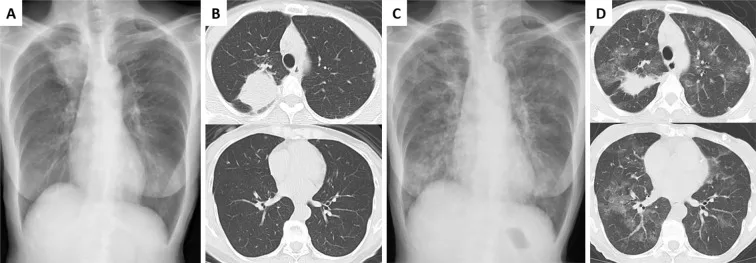
The latest documented treatment was a lower-dose osimertinib rechallenge with corticosteroids, which reduced the tumor without recurrence of the prior interstitial lung disease.

PubMed Central
OutcomeResponding Well
A patient, who was diagnosed with Stage IV Non-Small Cell Lung CancerLung Cancer

ROS1-rearranged Stage IV lung adenocarcinoma: sequential targeted therapy and 73-month survival

Patient Info: Anonymized, Female, 60s | Stage IV

Biomarkers: CD74-ROS1 C6:R33 fusion; CTNNB1 p.Thr41Ala; APC p.Glu601fs; acquired ROS1 resistance mutation; mTOR p. mutation; FGFR3 gene amplification

Metastatic Site: contralateral lung nodules, brain, pleura

She died on October 6, 2024, after sequential crizotinib, lorlatinib, and cabozantinib for Stage IV ROS1-rearranged lung adenocarcinoma, with total overall survival of 73 months from diagnosis.

PubMed Central
OutcomeIn Memory
A patient, who was diagnosed with Stage IV Small Cell Lung CancerLung Cancer

Stage IVA lung cancer with small-cell and adenocarcinoma components: mixed response before infection halted treatment

Patient Info: Anonymized, Male, 70+ | Stage IV

Biomarkers: PD-L1 <1%

Metastatic Site: bone (C2, T10, sacral vertebrae); malignant pleural…

The lung cancer showed mixed responses, with right-lung small-cell progression after chemotherapy/immunotherapy and later treatment interruption because of severe lung infection and respiratory failure.

PubMed Central
OutcomeSetback / Progression
A patient, who was diagnosed with Stage IV Non-Small Cell Lung CancerLung Cancer

Metastatic lung adenocarcinoma with HER2 V659E/amplification responding to trastuzumab deruxtecan

Patient Info: Anonymized, Female, 50s | Stage IV

Biomarkers: Initial lung testing showed no EGFR/ALK/ROS1 and PD-L1 TPS 3%. Later biopsy found HER2 V659E plus HER2 amplification.

Metastatic Site: liver, bone, brain

As of September 2024, metastatic lung adenocarcinoma had a sustained partial response to trastuzumab deruxtecan after HER2 V659E mutation and HER2 amplification were identified.

PubMed Central
OutcomeResponding Well
A patient, who was diagnosed with Stage IV Lung AdenocarcinomaLung Cancer

Recurrent lung adenocarcinoma with bevacizumab-associated glomerular microangiopathy

Patient Info: Anonymized, Male, 50s | Stage IV

Biomarkers: No tumor molecular biomarkers reported. Kidney biopsy and complement/immune deposits supported bevacizumab-related kidney microangiopathy.

Metastatic Site: pleura

He was living with recurrent metastatic lung adenocarcinoma after pleural spread and had persistent renal dysfunction and severe proteinuria from bevacizumab-associated glomerular microangiopathy despite stopping bevacizumab.

PubMed Central
OutcomeLiving With Cancer
A patient, who was diagnosed with Stage IV Non-Small Cell Lung CancerLung Cancer

BRAF V600E stage IV lung adenocarcinoma with complete radiologic remission on dabrafenib-trametinib

Patient Info: Anonymized, Female, 70+ | Stage IV

Biomarkers: BRAF lung cancer with PD-L1 TPS 95%, and TMB 6.3. TP53 and CHEK2 changes were also reported.

Metastatic Site: left adrenal gland, right adrenal gland,…

As of February 2024, she had ECOG performance status 0, no need for oxygen therapy, no radiologic evidence of active oncologic disease, no visible adrenal lesions, and only residual scarring at the primary lung site.

PubMed Central
OutcomeCancer-Free / NED
A patient, who was diagnosed with Stage IV Lung AdenocarcinomaLung Cancer

ALK-rearranged Stage IVA lung adenocarcinoma: partial response to pembrolizumab as eighth-line treatment

Patient Info: Anonymized, Male, 70+ | Stage IV

Biomarkers: ALK strongly positive by IHC 3+; ALK rearrangement confirmed by FISH; PD-L1 expression 95% by 22C3 immunostaining; CEA 2.3 ng/mL at diagnosis

Metastatic Site: brain

Nine months after pembrolizumab was started as eighth-line therapy, he maintained a partial response after prior progression on multiple ALK inhibitors and chemotherapies.

PubMed Central
OutcomeResponding Well
Kathrin, who was diagnosed with Stage IV Lung CancerLung Cancer

Stage IV ALK Lung Cancer: Kathrin's Patient Story

Patient Info: Kathrin, Female | Stage IV

Biomarkers: ALK-positive

Metastatic Site: bones including left foot, liver, abdomen/belly

Kathrin had Stage IV ALK-positive lung cancer with metastases including left foot/bone, liver, and abdomen. Radiation and targeted therapy worked quickly, with PET imaging after about 8 weeks showing almost everything gone; she remained on lifelong targeted therapy and did not describe being cured.

The Patient Story
OutcomeResponding Well
A patient, who was diagnosed with Stage IV Lung AdenocarcinomaLung Cancer

Stage IVA EGFR L858R lung adenocarcinoma with malignant effusions and thrombosis

Patient Info: Anonymized, Male, Under 40 | Stage IV

Biomarkers: EGFR exon 21 L858R mutation; TTF-1 weak positive; Napsin A positive; p40 negative; Ki-67 about 10%

Metastatic Site: malignant pleural effusion; malignant pericardial…

As of May 2025, abdominal pain had resolved, splenic infarction had not progressed, thromboembolic events were regressing, no new thrombus formation was seen, and outpatient follow-up continued while he remained on cancer and anticoagulation management.

PubMed Central
OutcomeCare Ongoing
A patient, who was diagnosed with Stage IV Small Cell Lung CancerLung Cancer

Extensive-stage small cell lung cancer with brain and adrenal progression after prolonged disease control

Patient Info: Anonymized, Male, 50s | Stage IV

Biomarkers: Small-cell lung cancer markers included CD56, CgA and TTF-1; Ki-67 was 80%.

Metastatic Site: brain, right adrenal gland, left adrenal gland

After 31 months of stability on second-line anlotinib with palliative chemoradiotherapy, disease progressed in July 2024 with new brain lesions and adrenal progression; the patient declined additional systemic options and continued anlotinib.

PubMed Central
OutcomeSetback / Progression