Carboplatin for Stage 4 Lung Cancer: 104 Real Stories

104 stories match lung cancer, stage 4 and carboplatin. 101 of them mention chemotherapy.

AL
Lung Cancer

Aggressive lung cancer with bone metastases and concurrent localized breast cancer

Patient Info: Anonymized, Female | Stage IV

Metastatic Site: Bone: skull, spine, clavicle

The patient was still receiving carboplatin and Taxol for aggressive lung cancer with bone metastases, while her caregiver reported rapid clinical improvement, pain relief, disappearance of a visible forehead metastasis, and 1 cm reduction in a concurrent localized breast tumor.

Cancer et Métabolisme
OutcomeResponding Well
A patient, who was diagnosed with Stage IV Lung AdenocarcinomaLung Cancer

Lung adenocarcinoma that spread to the thyroid 9 years later

Patient Info: Anonymized, Female, 60s | Stage IV

Metastatic Site: thyroid

After the thyroid metastasis was removed, she started systemic chemotherapy and remained under oncology management.

PubMed Central
OutcomeCare Ongoing
A patient, who was diagnosed with Stage IV Lung AdenocarcinomaLung Cancer

HER2-mutated lung cancer: restarting targeted therapy after lung inflammation

Patient Info: Anonymized, Female, 70+ | Stage IV

Biomarkers: HER2 exon 20 insertion; PD-L1 negative

Metastatic Site: brain

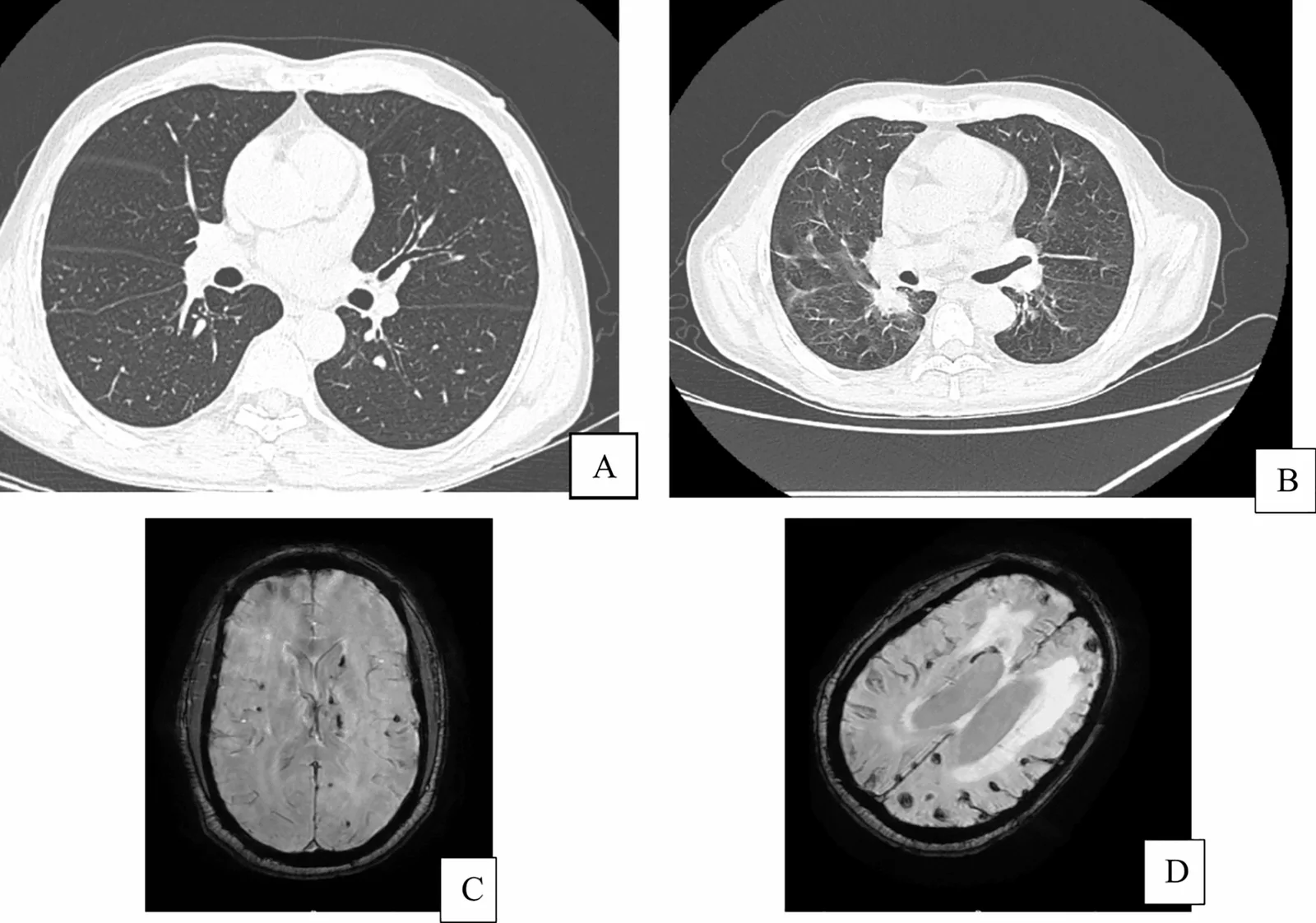
Trastuzumab deruxtecan was restarted successfully after lung inflammation improved, but it was discontinued after 9 cycles when the cancer progressed.

PubMed Central
OutcomeSetback / Progression
A patient, who was diagnosed with Stage IV Non-Small Cell Lung CancerLung Cancer

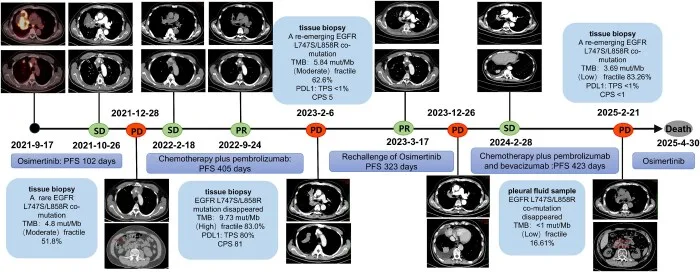
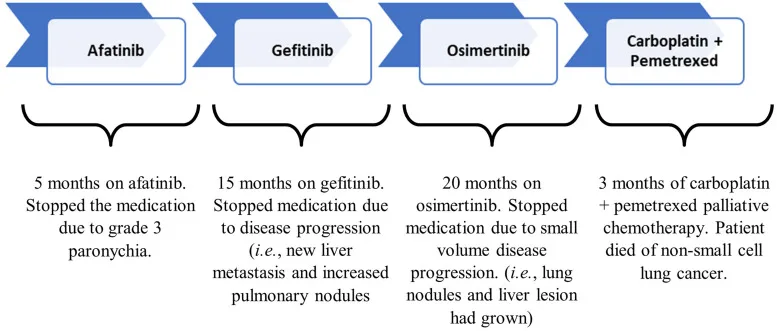
Stage IVA EGFR-mutant lung adenocarcinoma: clonal evolution, chemoimmunotherapy response, osimertinib rechallenge, and death after progression

Patient Info: Anonymized, Male, 60s | Stage IV

Biomarkers: Markers changed over time: started with EGFR L747S/L858R; later MET-amplified, PD-L1 TPS 80%, high TMB clone; later EGFR reappeared.

Metastatic Site: pleura, peritoneal nodule, retroperitoneal lymph nodes

The patient died on 30 April 2025 after progression through multiple lines and infection related to treatment-associated myelosuppression.

PubMed Central
OutcomeIn Memory
A patient, who was diagnosed with Stage IV Non-Small Cell Lung CancerLung Cancer

Stage IV EGFR-mutated lung adenocarcinoma: high-dose furmonertinib after CNS progression

Patient Info: Anonymized, Female, 50s | Stage IV

Biomarkers: Initial EGFR L858R mutation. Later blood testing showed EGFR p.S553Y variation; CEA rose and fell with treatment.

Metastatic Site: brain/meninges; bilateral pleura/lungs; mediastinal…

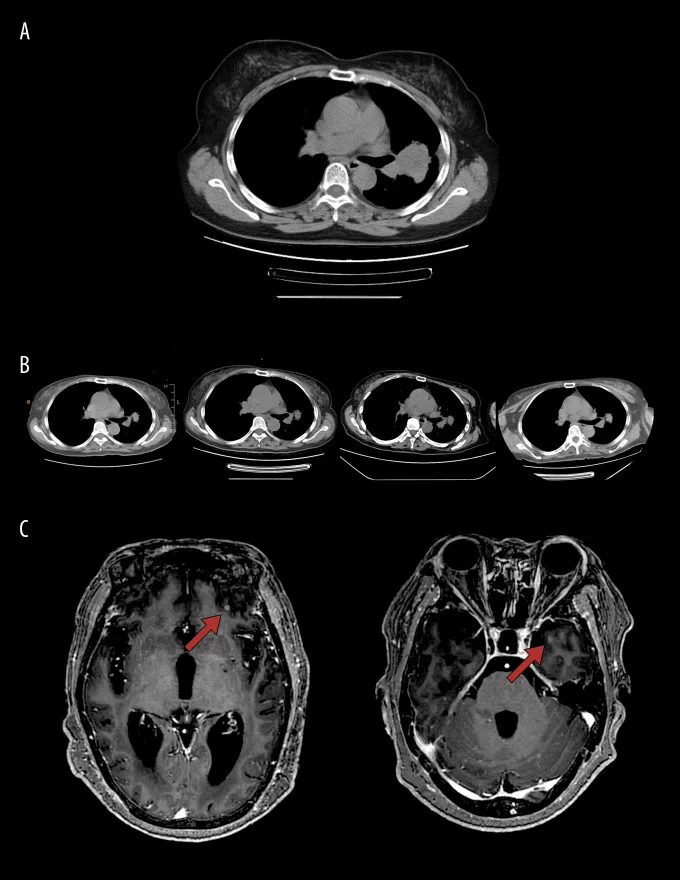
As of June-September 2024, the left lung lesion was stable to slightly smaller on escalated furmonertinib, but brain/CNS lesions had progressed and required dose escalation to 240 mg/day; later imaging was declined.

PubMed Central
OutcomeSetback / Progression
A patient, who was diagnosed with Stage IV Lung AdenocarcinomaLung Cancer

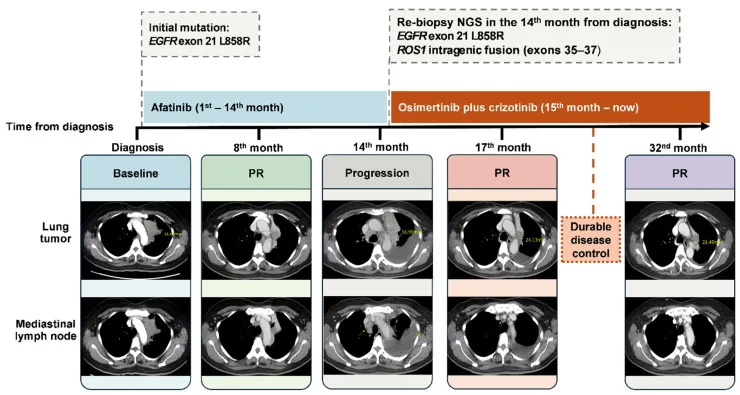
Stage IV EGFR-mutated lung cancer responds after targeted therapy intolerance

Patient Info: Anonymized, Female, 50s | Stage IV

Biomarkers: EGFR L858R mutation; PIK3CA E545K mutation; acquired ROS1 rearrangement

Metastatic Site: pleura|pericardium|bone|lungs

Chemotherapy produced a partial response that remained sustained for 7 months at the latest follow-up.

PubMed Central
OutcomeResponding Well
A patient, who was diagnosed with Stage IV Lung Squamous Cell CarcinomaLung Cancer

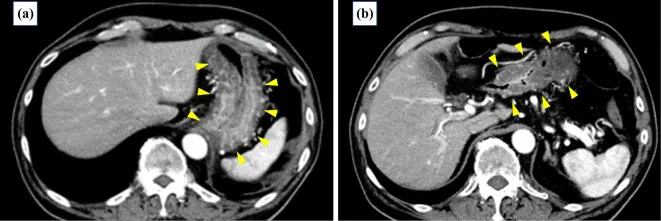
Stage IV squamous lung cancer with steroid-refractory immune-related gastritis after pembrolizumab

Patient Info: Anonymized, Male, 70+ | Stage IV

Biomarkers: Gastric biopsy during immune gastritis showed CD8-positive lymphocyte inflammation, no cancer

After about 2 years of carboplatin, pemetrexed, and pembrolizumab, lung cancer treatment was stopped because of tumor growth; the later immune-related gastritis improved after escalation to infliximab, while the cancer course remained a setback/progression story.

PubMed Central
OutcomeSetback / Progression
A patient, who was diagnosed with Stage IV Lung Squamous Cell CarcinomaLung Cancer

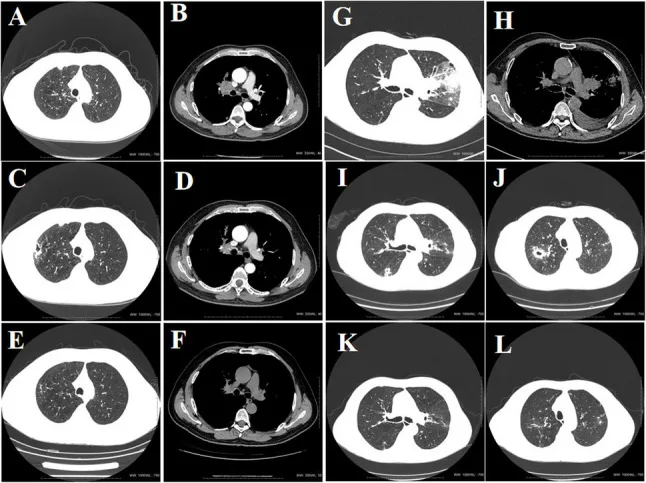
Stage IV lung cancer response followed by immune-related lung inflammation

Patient Info: Anonymized, Male, 70+ | Stage IV

Biomarkers: EGFR-negative; ALK-negative; ROS1-negative

Metastatic Site: pleura

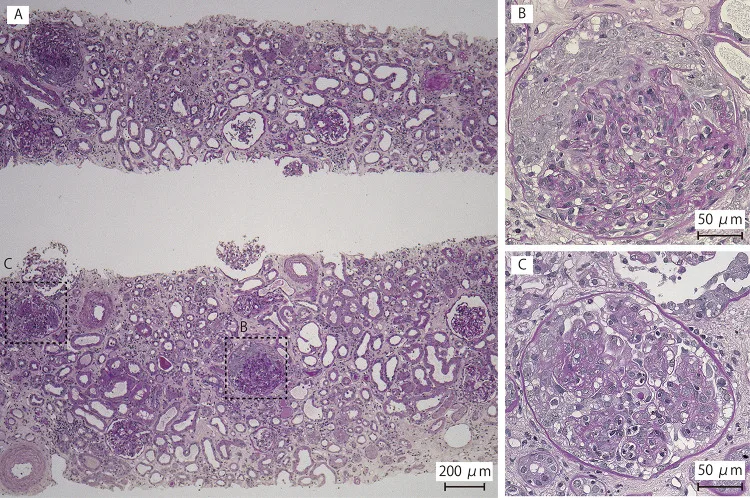
After the lung inflammation improved, he did not resume tumor-directed chemotherapy, immunotherapy, or radiation and remained generally well.

PubMed Central
OutcomeLiving With Cancer
A patient, who was diagnosed with Stage IV Lung Squamous Cell CarcinomaLung Cancer

Stage 4 lung cancer: large tumor managed with targeted care

Patient Info: Anonymized, Male, 70+ | Stage IV

Biomarkers: PD-L1 TPS <1%

Metastatic Site: contralateral lymph nodes, supraclavicular lymph…

The patient had a partial response to CheckMate 9LA despite PD-L1 TPS <1%, later progressed after 24 cycles of immunotherapy, received additional chemotherapy, and died in November 20XX+2.

PubMed Central
OutcomeIn Memory
A patient, who was diagnosed with Stage IV Lung AdenocarcinomaLung Cancer

Lynch-associated lung and colorectal cancers responded to immunotherapy

Patient Info: Anonymized, Female, 50s | Stage IV

Biomarkers: dMMR/MSI-H pattern with MLH1/PMS2 loss and germline MLH1 mutation; KRAS and PTEN mutations; PD-L1 TPS 15%.

Metastatic Site: right paraspinal metastatic lesion from lung…

After starting iparomlimab plus tuvonralimab, pleural and pelvic disease improved, intestinal wall involvement decreased further after 5 cycles, the paraspinal lung metastasis remained stable, tumor markers stayed normal, and treatment continued.

PubMed Central
OutcomeResponding Well
A patient, who was diagnosed with Stage IV Lung AdenocarcinomaLung Cancer

EGFR-Mutant Lung Adenocarcinoma With Bone and Leptomeningeal Metastases

Patient Info: Anonymized, male, 40s | Stage IV

Biomarkers: EGFR exon 19 deletion; acquired EGFR T790M mutation

Metastatic Site: bone, leptomeninges

In May 2025, leptomeningeal disease remained present and he continued combination chemotherapy with bevacizumab and high-dose furmonertinib, leaving hospital in stable condition after cycle 8.

PubMed Central
OutcomeCare Ongoing
A patient, who was diagnosed with Stage IV Non-Small Cell Lung CancerLung Cancer

MET exon 14 skipping lung adenocarcinoma: sequential MET-TKI toxicity and ongoing chemotherapy

Patient Info: Anonymized, Male, 70+ | Stage IV

Biomarkers: MET exon 14 skipping mutation; EGFR negative; ALK negative; ROS1 negative; PD-L1 tumor proportion score 10%

Metastatic Site: pleura

The cancer recurred with pleural dissemination after surgery and adjuvant UFT. Sequential MET inhibitors and systemic therapies provided periods of disease control but were limited by ILD and non-ILD toxicities; at the report, he remained on carboplatin, pemetrexed, and bevacizumab.

PubMed Central
OutcomeLiving With Cancer
A patient, who was diagnosed with Stage IV Lung AdenocarcinomaLung Cancer

KRAS G12C Stage IV lung adenocarcinoma with synchronous urothelial carcinoma and durable response

Patient Info: Anonymized, Male, 70+ | Stage IV

Biomarkers: Lung adenocarcinoma: KRAS ; PD-L1 TPS 5%. Urothelial carcinoma: GATA3-positive; CK7-positive; TTF1-negative.

Metastatic Site: homolateral pulmonary metastases and N2 lymph nodes…

After enfortumab vedotin, the urothelial carcinoma reached complete radiologic response and the lung cancer remained partially responding/stable; treatment was stopped after 16 months, and PET 2 months later showed complete metabolic response.

PubMed Central
OutcomeResponding Well
A patient, who was diagnosed with Stage IV Lung Squamous Cell CarcinomaLung Cancer

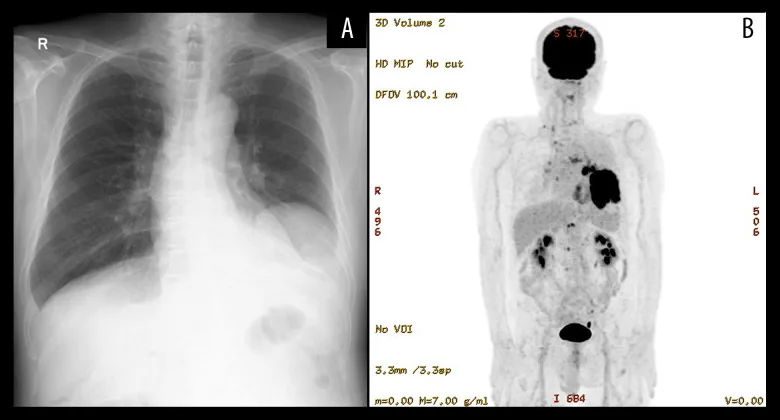
Stage IV squamous lung cancer: complete response followed by fatal bone marrow metastasis

Patient Info: Anonymized, Male, 60s | Stage IV

Biomarkers: with PD-L1 95%. SCC antigen/CYFRA rose at relapse.

Metastatic Site: bone (spine, bilateral humerus, bilateral femur); bone…

As of December 2025, he had died of aspiration pneumonia 1 month after admission for biopsy-confirmed bone marrow metastasis from squamous lung cancer, despite a prior complete response to chemoimmunotherapy and pembrolizumab maintenance.

PubMed Central
OutcomeIn Memory
A patient, who was diagnosed with Stage IV Non-Small Cell Lung CancerLung Cancer

Stage IVB SMARCA4-deficient NSCLC with brain metastasis: stable disease after surgery, radiation, chemotherapy, immunotherapy, and bevacizumab

Patient Info: Anonymized, Male, 70+ | Stage IV

Biomarkers: SMARCA4/BRG-1 loss with TP53 and other mutations; TMB high; PD-L1 <1%; MSI-H not detected.

Metastatic Site: brain

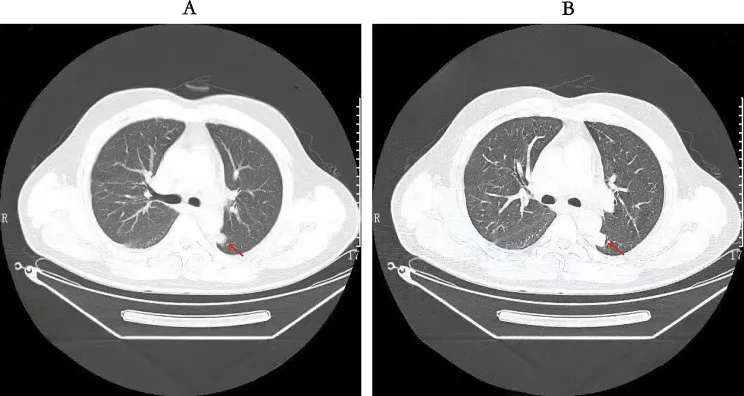
As of October 2025, the patient had stable disease, no brain recurrence, a controlled left lower-lobe lung lesion, and manageable treatment toxicity while continuing bevacizumab plus pemetrexed maintenance.

PubMed Central
OutcomeLiving With Cancer
Tina, who was diagnosed with Stage IV Lung CancerLung Cancer

Stage IV Lung Cancer: Tina's Patient Story

Patient Info: Tina Powell, Female | Stage IV

As of November 2025, Tina was living with Stage IV lung cancer after 27 chemotherapy rounds over 3 years and was receiving an antibody-drug conjugate in a clinical trial.

YouTube (AR search)
OutcomeLiving With Cancer
A patient, who was diagnosed with Stage IV Small Cell Lung CancerLung Cancer

Stage IV small cell lung cancer: complete tumor response with recovery from paraneoplastic limbic encephalitis

Patient Info: Anonymized, Male, 60s | Stage IV

Biomarkers: Small-cell lung cancer markers included TTF-1/chromogranin-A with Ki-67 90%. Paraneoplastic testing showed GABA-B receptor IgG positive.

Metastatic Site: adrenal glands, diaphragmatic lymph nodes, lungs,…

After 4 cycles of chemotherapy, PET showed complete tumor response. He was alive, clinically well, fully recovered from neurologic symptoms, and April 2025 brain MRI showed improvement of limbic encephalitis changes with evolution toward hippocampal atrophy.

PubMed Central
OutcomeResponding Well
A patient, who was diagnosed with Stage IV Lung Squamous Cell CarcinomaLung Cancer

Synchronous primary squamous lung cancers: long disease control after multimodal therapy, then Stage IVA lung recurrence

Patient Info: Anonymized, Male, 60s | Stage IV

Biomarkers: Squamous lung cancers with PD-L1 20% and no driver mutation detected; P40/P63 markers supported squamous type.

Metastatic Site: bilateral lung metastases at recurrence

As of November 2025, the patient had achieved 72 months of progression-free survival and remained alive at 75 months, but had developed Stage IVA recurrent pulmonary squamous cell carcinoma with bilateral lung metastases and had restarted systemic therapy.

PubMed Central
OutcomeSetback / Progression