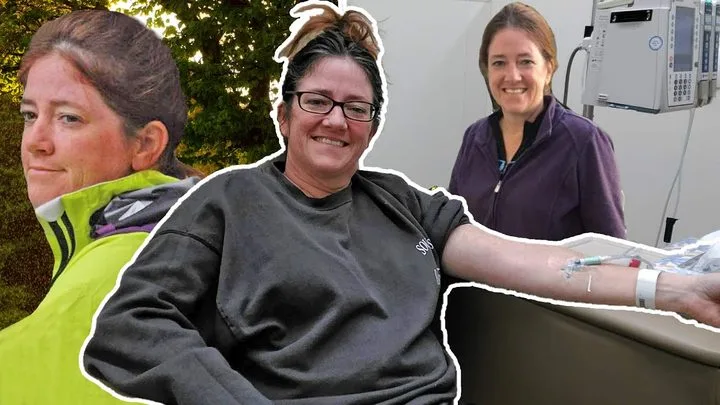
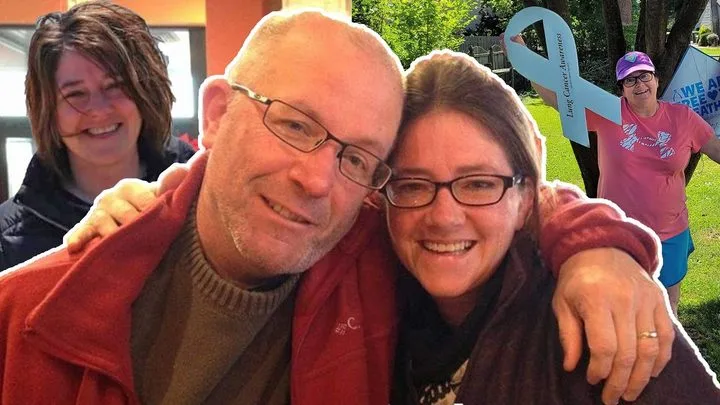
Immunotherapy for Lung Cancer: 269 Real Stories

269 stories match lung cancer and immunotherapy. 224 of them mention chemotherapy.

A patient, who was diagnosed with Stage IV Lung AdenocarcinomaLung Cancer

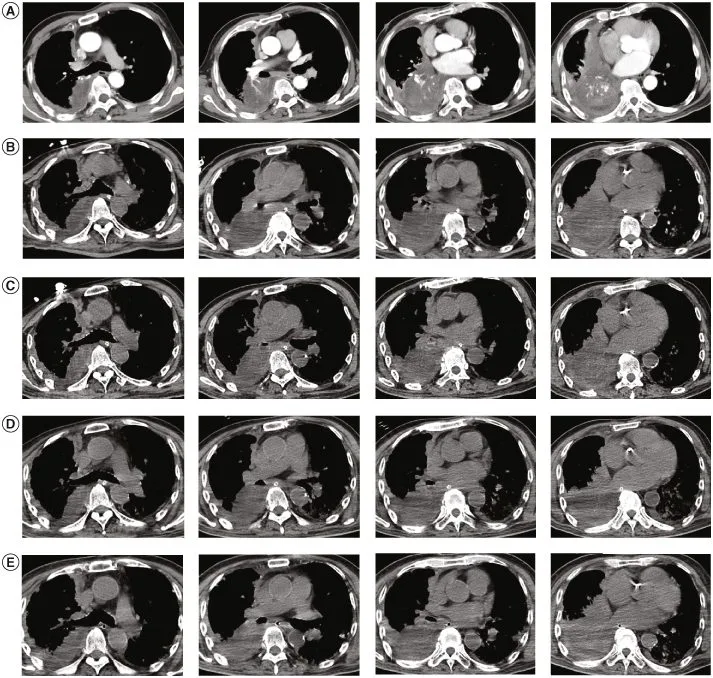
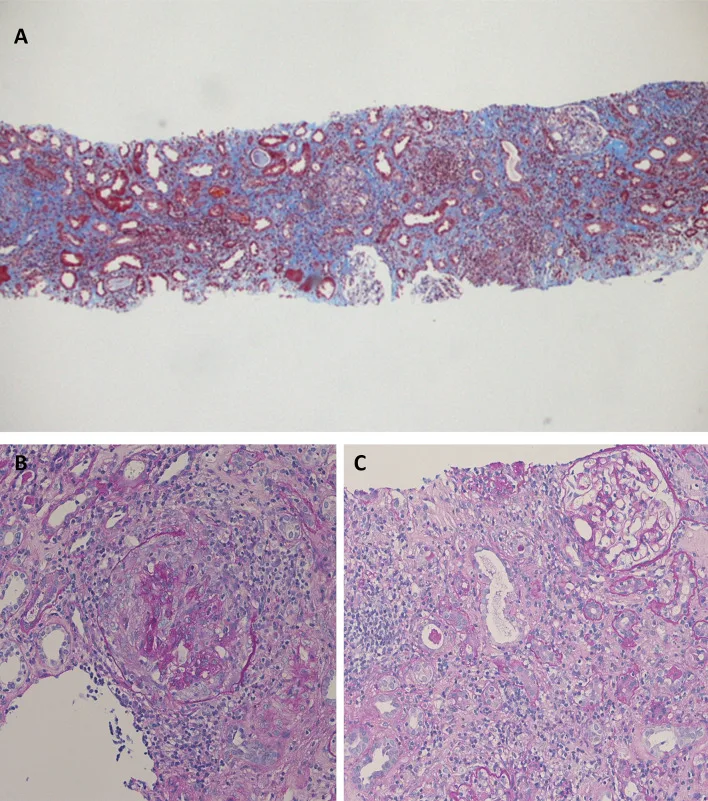
Stage IV enteric-type lung adenocarcinoma with EGFR mutations and MSI-high disease

Patient Info: Anonymized, male, 60s | Stage IV

Biomarkers: EGFR exon 19 deletion; acquired EGFR T790M; MSI-high; high tumor mutation burden; MLH1 mutation; pMMR; PD-L1-negative

Metastatic Site: lung, pleura

The cancer progressed through multiple targeted, chemotherapy, and immunotherapy regimens. He died about 30 months after the initial diagnosis.

PubMed Central
OutcomeIn Memory
A patient, who was diagnosed with Stage IV Lung AdenocarcinomaLung Cancer

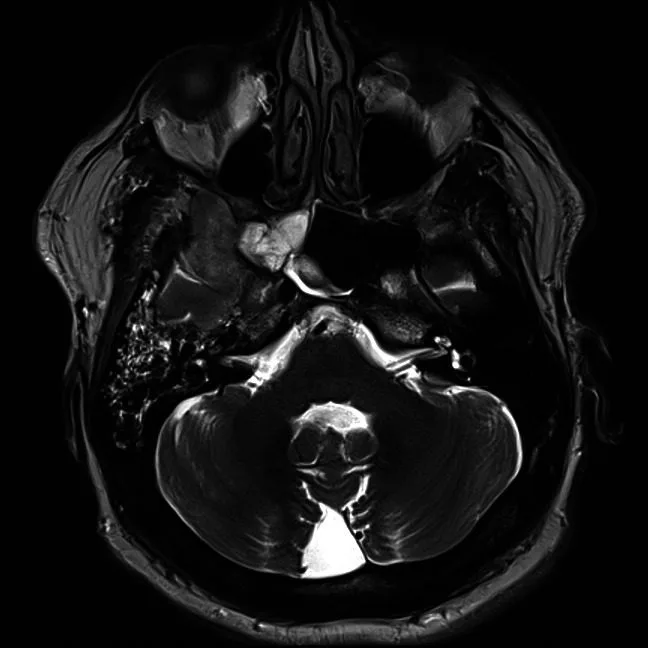
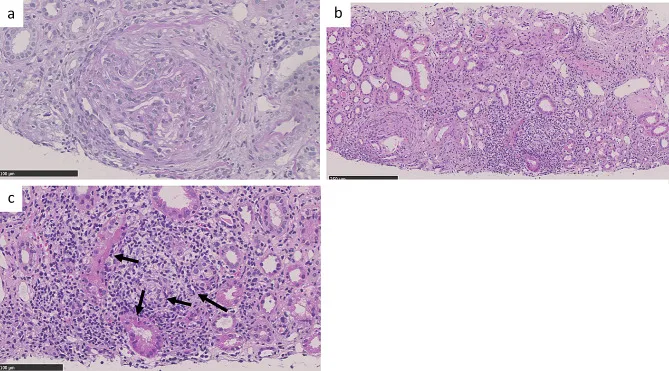
Rare lung cancer first discovered as a mass in the skull

Patient Info: Anonymized, Male | Stage IV

Biomarkers: KRAS ; CK7-positive; CDX2-positive; pathology favoured pulmonary enteric adenocarcinoma

Metastatic Site: skull base / sphenoid sinus; right posterior acetabulum

He received palliative radiation and prolonged systemic therapy, completing 35 cycles including 31 maintenance cycles of pemetrexed and pembrolizumab.

PubMed Central
OutcomeNot reported
A patient, who was diagnosed with Stage IV Non-Small Cell Lung CancerLung Cancer

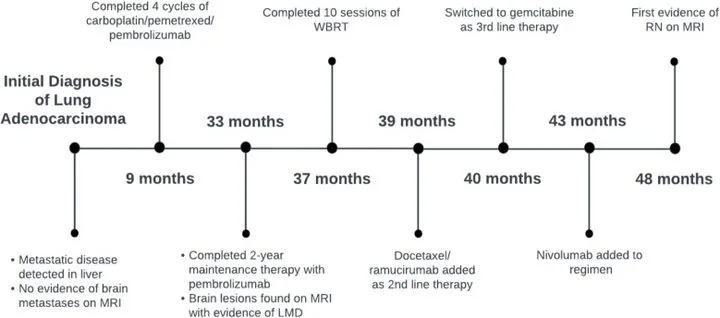
Brain radiation therapy complication (radionecrosis) potentially linked to combined chemo-immunotherapy

Patient Info: Anonymized, Female | Stage IV

Biomarkers: PD-L1 0%; tumour mutational burden 33 mutations/Mb; TP53 mutation at diagnosis; later ctDNA included KEAP1 and NOTCH3 alterations

Metastatic Site: brain; presumed leptomeningeal disease

She recovered completely from surgery for radiation necrosis, resumed cancer treatment and remained neurologically intact at 18 months. She was found deceased 9 months later; the cause of death was unknown.

PubMed Central
OutcomeIn Memory
A patient, who was diagnosed with Lung AdenocarcinomaLung Cancer

Severe colitis from pembrolizumab immunotherapy requiring additional treatment

Patient Info: Anonymized, Male

Infliximab stopped the bleeding and reduced bowel movements from 11–12 to about 3–4 per day within 1 week, allowing discharge. Continued follow-up was needed for the colitis, hepatitis B reactivation risk and lung cancer.

PubMed Central
OutcomeCare Ongoing
A patient, who was diagnosed with Stage IV Lung AdenocarcinomaLung Cancer

BRCA2-Mutated Metastatic Lung Adenocarcinoma Controlled for 30 Months With Olaparib

Patient Info: Anonymized, female, 60s | Stage IV

Biomarkers: PD-L1-negative; BRCA2 mutation; ATM mutation; EGFR-negative; ALK-negative

Metastatic Site: brain

Olaparib provided about 30 months of disease control, and PET imaging remained overall stable when a separate new breast primary was found in February 2023.

PubMed Central
OutcomeStable Disease
A patient, who was diagnosed with Stage IV Lung AdenocarcinomaLung Cancer

MET-mutated lung cancer: testing savolitinib before surgery

Patient Info: Anonymized, Male, 60s | Stage IV

Biomarkers: MET exon 14 skipping, TP53 and BRAF mutations; PD-L1 expression 5%

Metastatic Site: pleura; mediastinal lymph node

Savolitinib produced a partial radiological response, but surgery confirmed persistent pleural and mediastinal nodal metastases with ypStage IVA disease. He recovered and continued adjuvant savolitinib.

PubMed Central
OutcomeIn Treatment
A patient, who was diagnosed with Stage IV Non-Small Cell Lung CancerLung Cancer

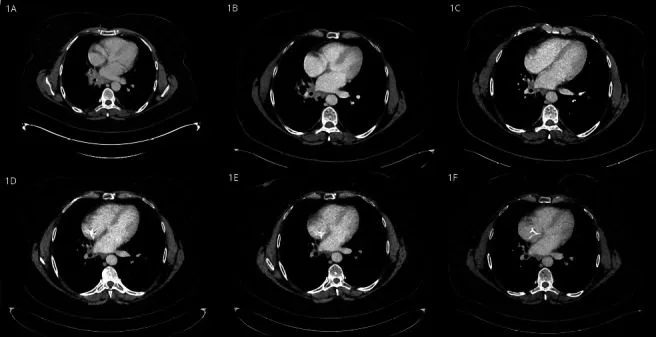
HER2-positive metastatic lung cancer treated with trastuzumab deruxtecan (Enhertu)

Patient Info: Anonymized, Female | Stage IV

Biomarkers: ERBB2/HER2 copy-number gain of at least 20 copies; TP53 C242fs; CDK12 copy-number gain; tumour mutational burden 3.2 mutations/Mb

Metastatic Site: lungs / multiple pulmonary nodules

Trastuzumab deruxtecan reduced the pulmonary nodules by more than 50% at 3 months and produced a documented response lasting 13.8 months.

PubMed Central
OutcomeResponding Well
A patient, who was diagnosed with Stage IV Non-Small Cell Lung CancerLung Cancer

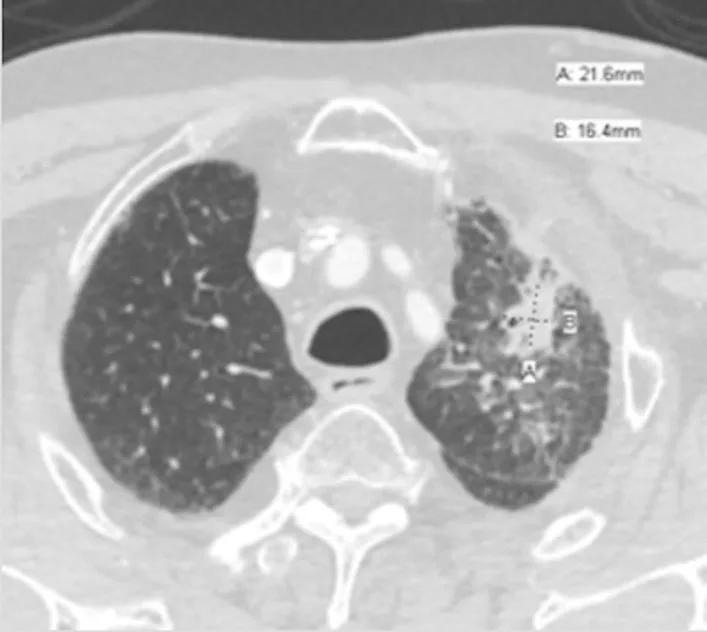
Stage IV Lung Cancer Reached Remission After Severe Nerve Damage and Neck Surgery

Patient Info: Anonymized, Female | Stage IV

Metastatic Site: left cervical lymph nodes

Considered in complete remission after cervical lymph-node surgery, with no clinical or radiological progression 24 months after systemic treatment; alive and back at work 3 years after diagnosis.

PubMed Central
OutcomeCancer-Free / NED
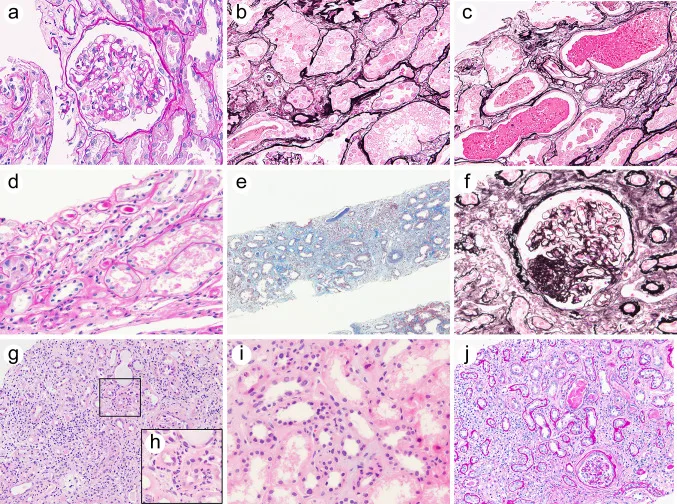
Amy, who was diagnosed with Stage IV Lung Squamous Cell CarcinomaLung Cancer

Living with Stage 4 Lung Cancer (Plus Radiation & My Follow Up!) | Amy’s Story (3 of 3)

Patient Info: Amy, Female | Stage IV

Biomarkers: MET amplification

Metastatic Site: Bone/femur and hips; adrenal gland

As of July 2022, Amy was 3.5 years after Stage IV squamous cell lung cancer diagnosis, not NED but stable for about 3 years on Crizotinib with ongoing imaging and local treatment to lung/adrenal sites.

The Patient Story
OutcomeLiving With Cancer
Amy, who was diagnosed with Stage IV Lung Squamous Cell CarcinomaLung Cancer

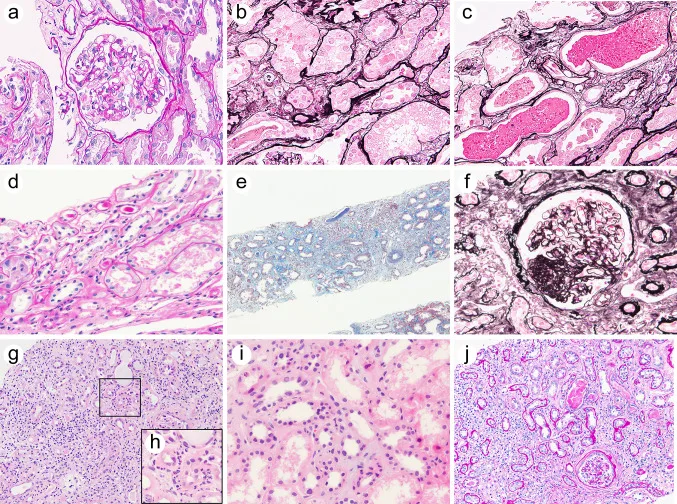
Stage IV MET Lung Squamous Cell Carcinoma: Amy's Patient Story

Patient Info: Amy, Female | Stage IV

Biomarkers: MET amplification

Metastatic Site: Bone/femur; lymph nodes; shoulder; adrenal glands;…

As of July 2022, Amy had a rapid and strong response to Crizotinib after MET amplification was found, with pain and lumps improving within about 2 weeks after Keytruda had failed.

The Patient Story
OutcomeResponding Well
Amy, who was diagnosed with Stage IV Non-Small Cell Lung CancerLung Cancer

Stage IV MET Non-Small Cell Lung Cancer: Amy's Patient Story

Patient Info: Amy, Female | Stage IV

Biomarkers: MET amplification identified later in the series; not known at initial treatment decision

As of July 2022, this first Amy segment covered diagnosis, second opinion, and the initial Keytruda-versus-clinical-trial decision before MET amplification was known; later response is addressed in the following series segments.

The Patient Story
OutcomeCare Ongoing