Immunotherapy for Lung Cancer: 269 Real Stories

269 stories match lung cancer and immunotherapy. 224 of them mention chemotherapy.

A patient, who was diagnosed with Stage IV Lung AdenocarcinomaLung Cancer

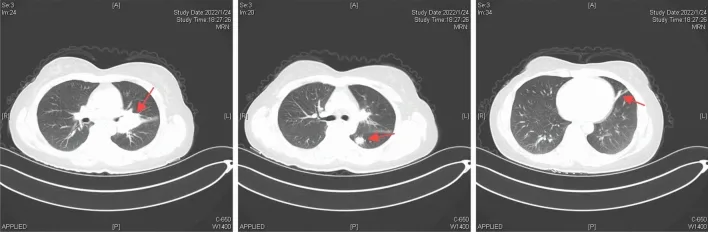
Stage IV Lung Adenocarcinoma Presenting as Persistent Chest Pain and Rib Metastasis

Patient Info: Anonymized, male, 60s | Stage IV

Biomarkers: TP53 mutation; PD-L1 30%; no sensitive driver mutation identified

Metastatic Site: bone

After delayed diagnosis of Stage IV lung adenocarcinoma with a painful rib metastasis, he began systemic immunotherapy and local treatment for the painful bone lesion.

PubMed Central
OutcomeCare Ongoing
A patient, who was diagnosed with Stage IV Non-Small Cell Lung CancerLung Cancer

Metastatic SMARCA4-Deficient Lung Cancer Controlled for More Than Two Years With Tislelizumab and Fruquintinib

Patient Info: Anonymized, male, 60s | Stage IV

Biomarkers: PD-L1 8%; no target-sensitive mutation identified

Metastatic Site: left adrenal gland, cervical lymph nodes

After radiotherapy reduced the cervical-node metastasis, imaging on April 26, 2024 showed stable disease. He ended trial treatment after 2 years and continued regular follow-up.

PubMed Central
OutcomeStable Disease
A patient, who was diagnosed with Stage IV Non-Small Cell Lung CancerLung Cancer

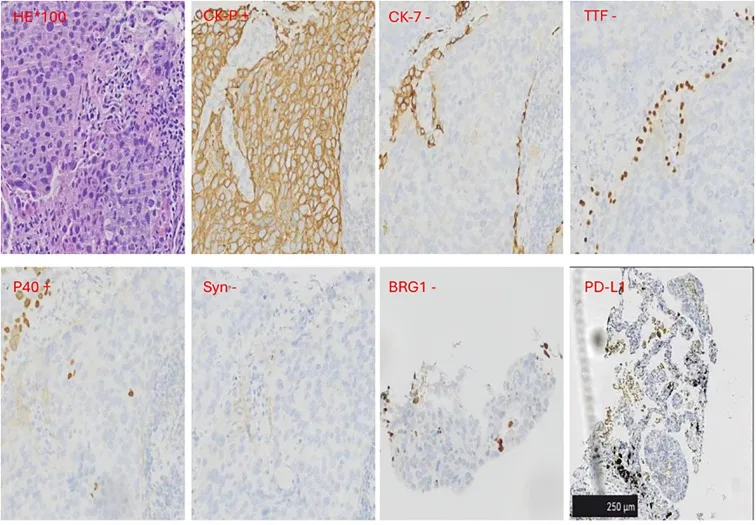
Metastatic lung squamous cell carcinoma: no recurrence after chemoimmunotherapy and pembrolizumab maintenance

Patient Info: Anonymized, Male, 60s | Stage IV

Biomarkers: EGFR exon 19 deletion; PD-L1 TPS 95%; TTF-1-negative; p40-positive

Metastatic Site: mediastinal lymph nodes; bilateral lung nodules

As of April 2025, PET/CT 3 years after treatment initiation showed no sign of recurrence after carboplatin, nab-paclitaxel, pembrolizumab, and 2 years of pembrolizumab monotherapy.

PubMed Central
OutcomeCancer-Free / NED
A patient, who was diagnosed with Stage IV Lung AdenocarcinomaLung Cancer

Metastatic lung adenocarcinoma: pembrolizumab response complicated by pulmonary arterial hypertension

Patient Info: Anonymized, Male, 70+ | Stage IV

Biomarkers: CK7-positive; TTF-1-positive; p40 focally positive; high tumor mutational burden; no targetable mutations identified

Metastatic Site: right axillary lymph node; right hilar lymph nodes;…

As of April 2025, the patient was tolerating single-agent pemetrexed without evidence of lung cancer progression, while pulmonary arterial hypertension symptoms had improved on riociguat and macitentan.

PubMed Central
OutcomeCare Ongoing
A patient, who was diagnosed with Stage IV Non-Small Cell Lung CancerLung Cancer

Stage 4 SMARCA4-deficient lung cancer: ongoing treatment response

Patient Info: Anonymized, Male, 50s | Stage IV

Biomarkers: SMARCA4-deficient lung cancer with BRG-1 loss, CK/CK7 positive, Ki-67 >40%. CEA

Metastatic Site: sigmoid colon, left adrenal gland

After colon metastasis surgery, continued radiotherapy, and later gemcitabine/nedaplatin/bevacizumab/camrelizumab for adrenal metastasis, the cancer showed a favorable response with no further recurrence or new metastasis reported.

PubMed Central
OutcomeResponding Well
A patient, who was diagnosed with Stage III Lung Squamous Cell CarcinomaLung Cancer

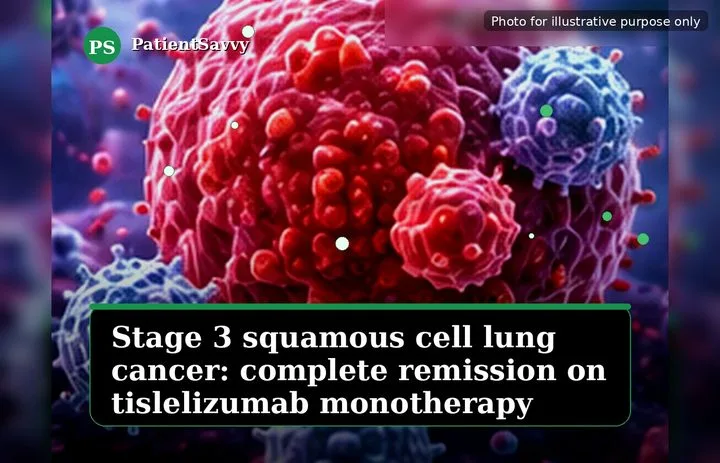
Stage 3 squamous cell lung cancer: complete remission on tislelizumab monotherapy

Patient Info: Anonymized, Male, 70+ | Stage III

Biomarkers: Squamous lung cancer markers: P40 positive, TTF-1/Napsin A negative, Ki-67 75%. PD-1/PD-L1 testing was not done.

As of April 2024, enhanced CT, tumor-marker decline, and clinical assessment supported complete remission by iRECIST after chemoimmunotherapy and tislelizumab monotherapy.

PubMed Central
OutcomeCancer-Free / NED
A patient, who was diagnosed with Stage IV Lung AdenocarcinomaLung Cancer

Severe Autoimmune Hemolytic Anemia After Pembrolizumab for Metastatic Lung Cancer

Patient Info: Anonymized, male, 60s | Stage IV

Biomarkers: PD-L1 70%

Metastatic Site: left adrenal gland, subdiaphragmatic region

He recovered clinically from the acute hemolytic anemia after intravenous immunoglobulin, high-dose steroids, and blood transfusions, then continued outpatient oncology follow-up.

PubMed Central
OutcomeNot reported
A patient, who was diagnosed with Stage IV Lung AdenocarcinomaLung Cancer

Metastatic lung adenocarcinoma: complete remission on nivolumab complicated by immune-mediated diabetes

Patient Info: Anonymized, Male, 50s | Stage IV

Biomarkers: Lung tumor: EGFR wild type, ALK rearrangement not detected. Immune-mediated diabetes: islet/GAD antibodies negative and C-peptide undetectable.

Metastatic Site: brain (cerebellum and occipital lobe); liver

As of March 2025, serial CT and MRI scans through October 2023 showed no evidence of oncologic disease after nivolumab, while immune-mediated diabetes was controlled with basal-bolus insulin.

PubMed Central
OutcomeCancer-Free / NED
A patient, who was diagnosed with Stage IV Small Cell Lung CancerLung Cancer

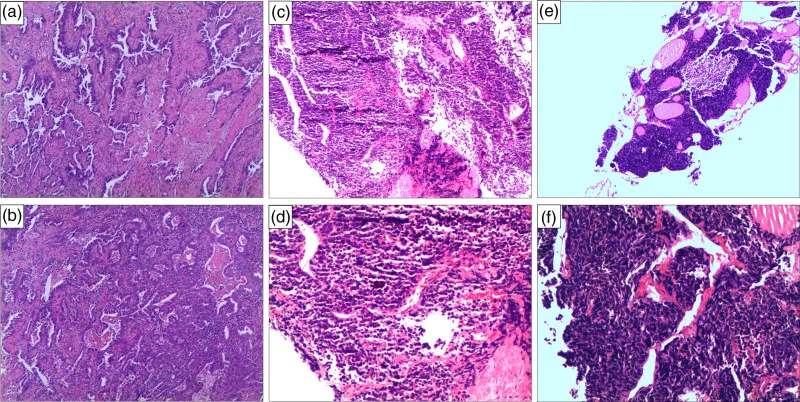
EGFR-Mutant Lung Adenocarcinoma That Transformed to Small Cell Lung Cancer

Patient Info: Anonymized, female, 40s | Stage IV

Biomarkers: EGFR exon 19 deletion

Metastatic Site: brain, adrenal gland, liver, thyroid

The cancer progressed after small-cell transformation with adrenal, thyroid, liver and brain involvement, and she died 52.7 months after the original diagnosis from disease progression and organ failure.

PubMed Central
OutcomeIn Memory
A patient, who was diagnosed with Stage IV Small Cell Lung CancerLung Cancer

EGFR-Mutant Lung Adenocarcinoma That Transformed to Small Cell Lung Cancer

Patient Info: Anonymized, female, 40s | Stage IV

Biomarkers: EGFR exon 19 deletion; acquired EGFR T790M mutation

Metastatic Site: liver

The cancer progressed after transformation to small cell lung cancer, and she died 49 months after the original diagnosis.

PubMed Central
OutcomeIn Memory
A patient, who was diagnosed with Stage IV Non-Small Cell Lung CancerLung Cancer

HER2 exon 20 metastatic lung adenocarcinoma with pathologic complete response after chemoimmunotherapy and surgery

Patient Info: Anonymized, Female, 40s | Stage IV

Biomarkers: HER2 exon 20 insertion lung adenocarcinoma with TP53 mutation, PD-L1 TPS 50%, and low TMB.

Metastatic Site: contralateral lung

Right lower lobectomy with radical lymphadenectomy in November 2023 showed pathologic complete response, and no additional therapy was offered after surgery.

PubMed Central
OutcomeCancer-Free / NED
A patient, who was diagnosed with Stage IV Lung AdenocarcinomaLung Cancer

Stage 4 lung adenocarcinoma with RET fusion responding to pralsetinib

Patient Info: Anonymized, Male, 60s | Stage IV

Biomarkers: RET fusion

Metastatic Site: pleura

As of March 2025, he had recovered from grade 3 Pneumocystis jirovecii pneumonia, restarted pralsetinib, and had no progressive disease or recurrence of adverse events over 13 months.

PubMed Central
OutcomeResponding Well
A patient, who was diagnosed with Stage IV Lung AdenocarcinomaLung Cancer

Stage 4 lung cancer: managing pembrolizumab-induced myasthenia gravis

Patient Info: Anonymized, Female, 70+ | Stage IV

Biomarkers: Anti-acetylcholine receptor antibody elevated; TSH elevated during immune-related adverse event workup; cancer biomarkers not reported

At 9 months after the immune-related myasthenia gravis presentation, lung cancer remained in complete response while she continued low-dose prednisolone, pyridostigmine, levothyroxine, and nighttime NIV.

PubMed Central
OutcomeCancer-Free / NED
A patient, who was diagnosed with Stage IV Small Cell Lung CancerLung Cancer

Stage 4 small cell lung cancer with paraneoplastic neurological syndrome

Patient Info: Anonymized, Female, 60s | Stage IV

Biomarkers: Paraneoplastic antibody panel positive for anti-Hu, anti-AMPH, anti-Ri

Metastatic Site: left axillary lymph nodes

Over 2 years of follow-up, CT showed stable complete response, tumor markers stayed normal, no new metastases appeared, and neurological symptoms did not worsen.

PubMed Central
OutcomeCancer-Free / NED
A patient, who was diagnosed with Stage IV Lung AdenocarcinomaLung Cancer

Fatal Multiorgan Failure After Pembrolizumab-Based Treatment for Metastatic Lung Cancer

Patient Info: Anonymized, female | Stage IV

She died less than 12 hours after hospital presentation with rapidly progressive multiorgan failure one week after the first pembrolizumab-based treatment cycle; immune-related toxicity was strongly suspected, although the rapid decline limited full evaluation.

PubMed Central
OutcomeIn Memory
A patient, who was diagnosed with Lung AdenocarcinomaLung Cancer

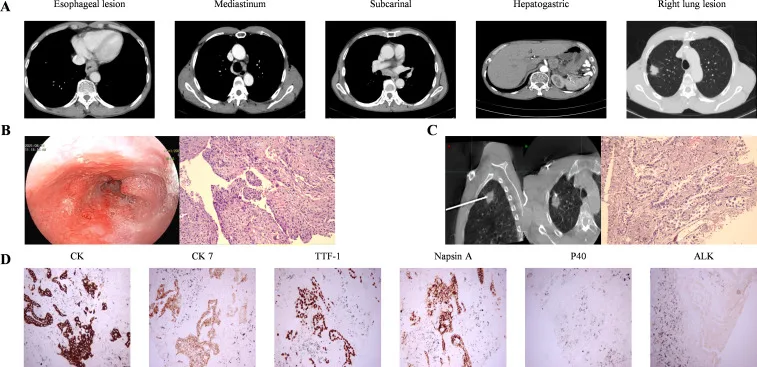
Treating Lung Adenocarcinoma Alongside a Separate Esophageal Cancer

Patient Info: Anonymized, male, 60s

Biomarkers: PD-L1 negative; ALK negative; no mutations detected on lung-cancer testing

By July 2024, the lung lesion remained in partial response and he was alive 36 months after the synchronous cancer diagnoses, eating well and gaining weight.

PubMed Central
OutcomeResponding Well
A patient, who was diagnosed with Stage IV Small Cell Lung CancerLung Cancer

ALK-Fusion Small Cell Lung Cancer Responding to ALK-Targeted Therapy

Patient Info: Anonymized, female, 40s | Stage IV

Biomarkers: EML4-ALK fusion

Metastatic Site: brain

After several earlier treatments stopped controlling the cancer, ALK-targeted iruplinalkib produced a partial response and was still controlling disease after more than 8 months.

PubMed Central
OutcomeResponding Well
Eugenia, who was diagnosed with Stage IV Non-Small Cell Lung CancerLung Cancer

Stage IV Non-Small Cell Lung Cancer: Eugenia's Patient Story

Patient Info: Eugenia Horan, Female, 40s | Stage IV

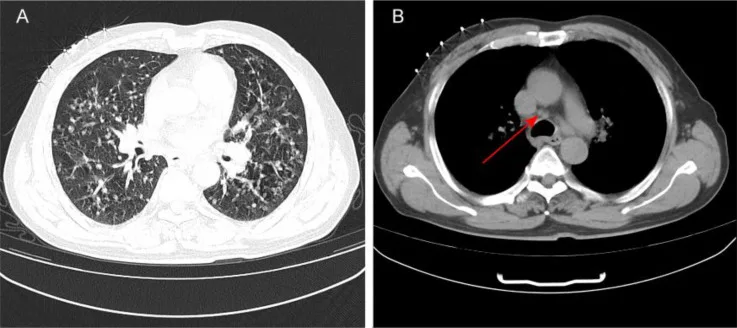
Eugenia became Stage IV while critically ill in the ICU and was later told hospice might be appropriate, but she started Keytruda on August 29, 2019 and was alive 5 years later. As of February 2025, she described that treatment as the medicine that saved her.

The Patient Story
OutcomeResponding Well
A patient, who was diagnosed with Stage IV Lung AdenocarcinomaLung Cancer

Metastatic Lung Adenocarcinoma With a Serious Immune-Therapy Pituitary Complication

Patient Info: Anonymized, male, 60s | Stage IV

Biomarkers: No detected EGFR, ALK, ROS1, RET, MET or HER2 alterations

Metastatic Site: brain, meninges, skull, bone, pituitary

The cancer had progressed to extensive brain, skull and bone involvement after several treatments. Steroid treatment improved the severe thirst, high urine output and other symptoms from immune-related hypophysitis.

PubMed Central
OutcomeSetback / Progression
A patient, who was diagnosed with Stage IV Lung Squamous Cell CarcinomaLung Cancer

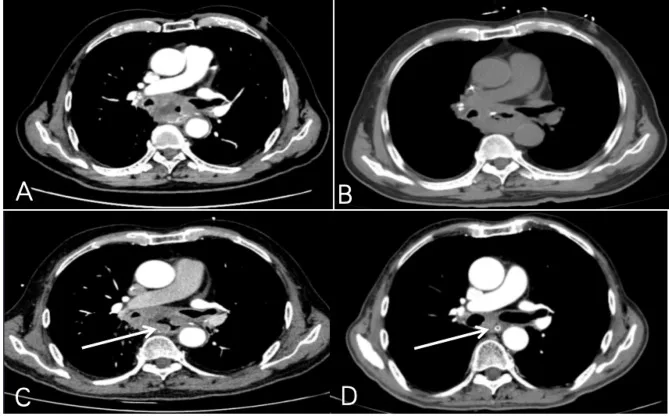
Stage IV Squamous Lung Cancer Complicated by an Esophageal-Mediastinal Fistula

Patient Info: Anonymized, male, 70+ | Stage IV

Metastatic Site: brain, bone

Four months after the fistula was treated conservatively, imaging showed the fistula had resolved and the lung tumor and metastatic hilar nodes had decreased despite no additional antitumor treatment during that interval.

PubMed Central
OutcomeResponding Well