Immunotherapy for Lung Cancer: 269 Real Stories

269 stories match lung cancer and immunotherapy. 224 of them mention chemotherapy.

A patient, who was diagnosed with Non-Small Cell Lung CancerLung Cancer

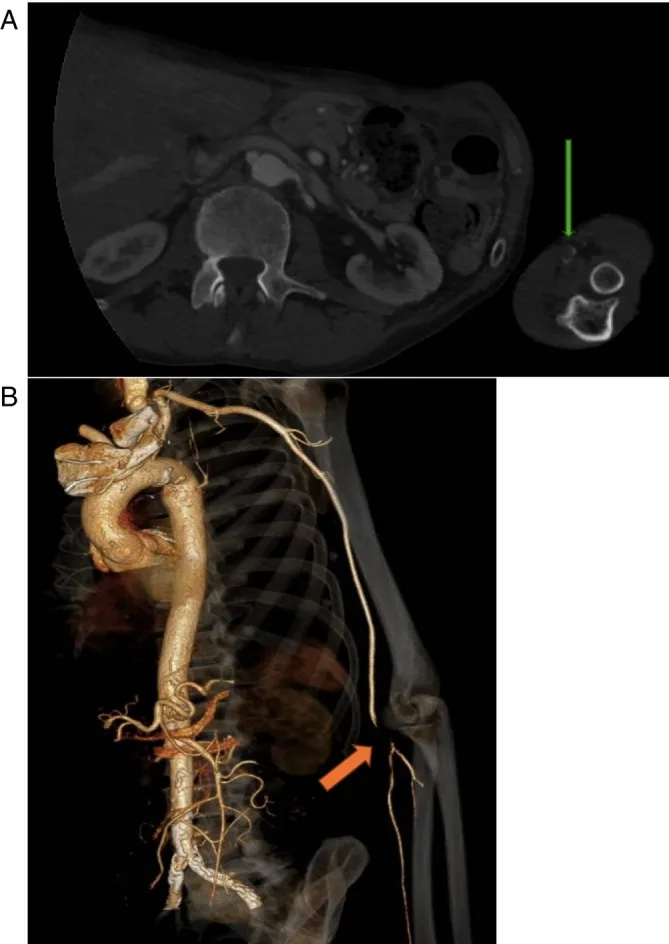
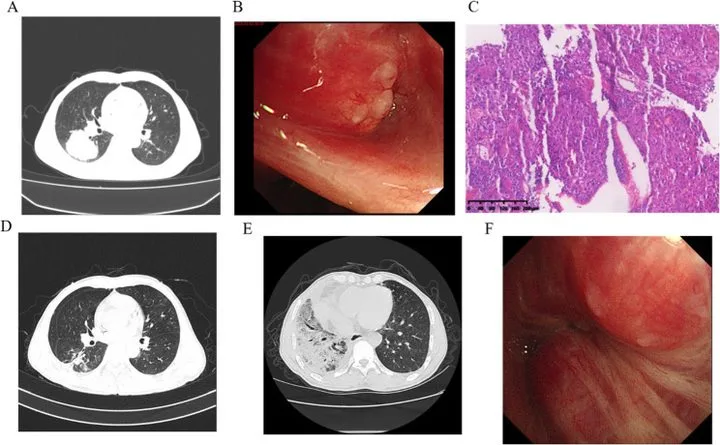
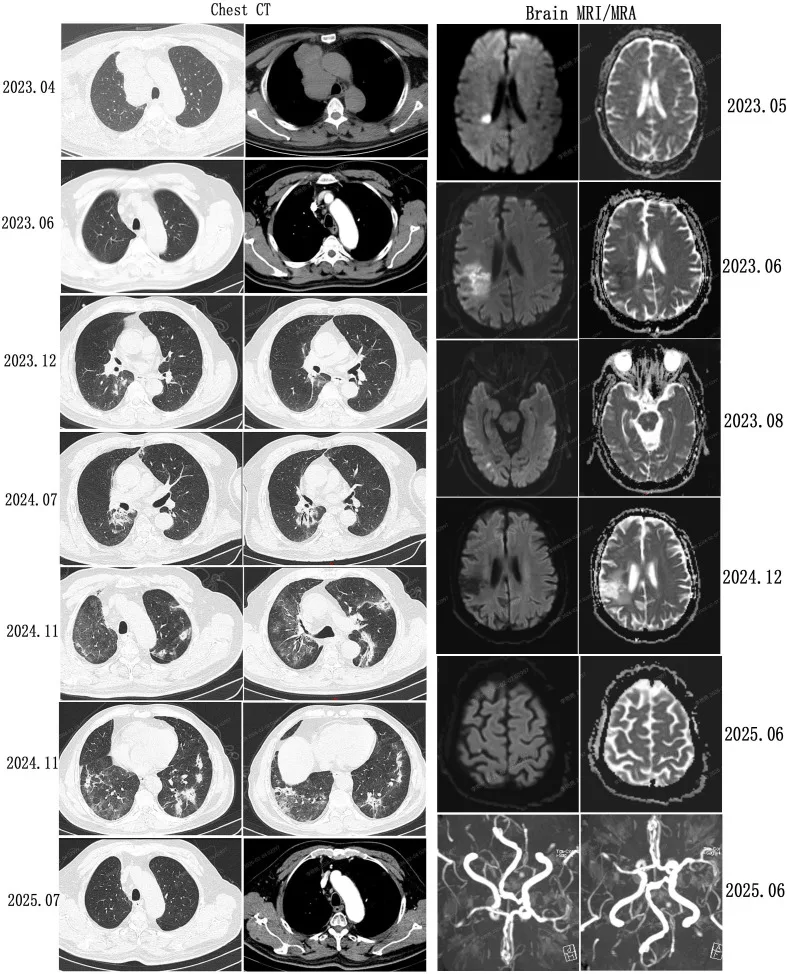
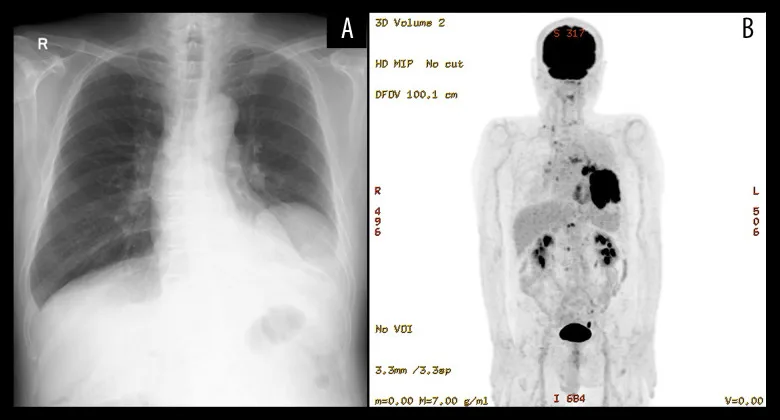
Recurrent squamous lung cancer with tumor emboli, acute limb ischemia, brain metastases, and death

Patient Info: Anonymized, Male, 60s | Stage Metastatic/Advanced

Biomarkers: p40-positive; TTF-1-negative; PD-L1 not expressed / no PD-L1 reported in raw case

Metastatic Site: brain/cerebral metastases; tumor emboli in upper and…

The patient developed recurrent acute limb ischemia from tumor emboli, then new cerebral metastases, and died from advanced disease 7 months after the bilateral lower-limb ischemia presentation.

PubMed Central
OutcomeIn Memory
A patient, who was diagnosed with Stage IV Lung Squamous Cell CarcinomaLung Cancer

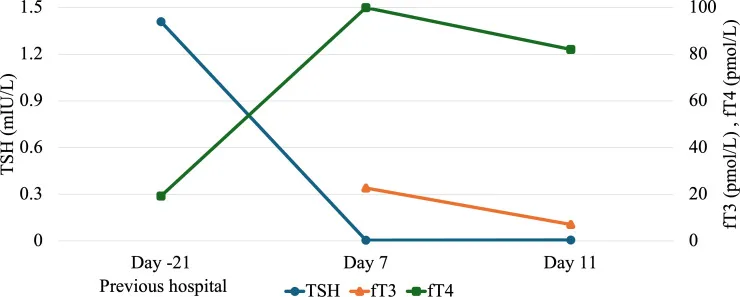
Stage IVA lung squamous cell carcinoma with immune-checkpoint-inhibitor-associated Graves thyroid storm

Patient Info: Anonymized, Male | Stage IV

Biomarkers: Cancer biomarkers not reported. Thyroid storm workup had TSAb/TRAb positivity consistent with Graves disease.

Metastatic Site: not specified in extracted case text

After thyroid storm improved with antithyroid therapy and supportive care, the patient was transferred for further lung-cancer treatment but died of progressive lung cancer about 2 months later.

PubMed Central
OutcomeIn Memory
Heidi, who was diagnosed with Stage III Non-Small Cell Lung CancerLung Cancer

Stage III Non-Small Cell Lung Cancer: Heidi's Survivor Story

Patient Info: Heidi N., Female, 50s | Stage III

Biomarkers: No targetable mutation identified

As of June 2026, Heidi was featured as a lung cancer advocate after treatment for inoperable Stage IIIA NSCLC; scans through January 2021 had shown no evidence of disease.

The Patient Story
OutcomeCancer-Free / NED
Roy, who was diagnosed with Stage II Lung AdenocarcinomaLung Cancer

Stage II KRAS Lung Adenocarcinoma: Roy's Survivor Story

Patient Info: Roy, Male, 50s | Stage II

Biomarkers: KRAS

As of May 2026, Roy described being cancer-free/in remission, back to flying professionally, and strong enough to complete his 5th marathon at the Boston Marathon.

The Patient Story
OutcomeCancer-Free / NED
A patient, who was diagnosed with Small Cell Lung CancerLung Cancer

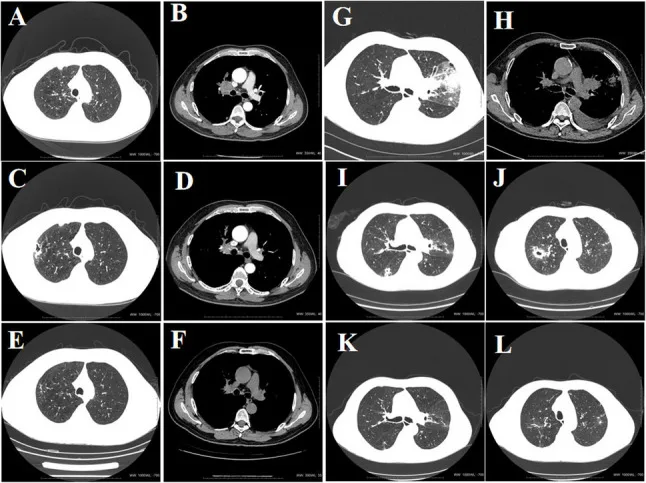
Stage IIIA small-cell lung cancer with anti-NMDAR encephalitis: initial complete response, recurrence, and death

Patient Info: Anonymized, Male, 60s

Biomarkers: CSF positive for anti-NMDAR antibodies; no tumor molecular biomarkers reported

The patient initially had rapid neurologic recovery and complete radiologic response after carboplatin, etoposide, and atezolizumab, but the primary lung lesion recurred 7 months later and he died 21 months after disease onset.

PubMed Central
OutcomeIn Memory
A patient, who was diagnosed with Stage IV Non-Small Cell Lung CancerLung Cancer

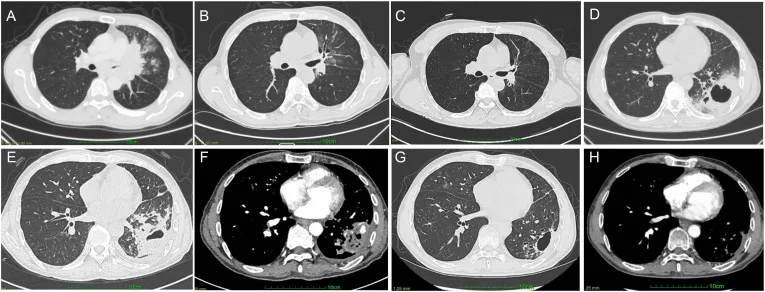
Stage IV squamous NSCLC: durable pembrolizumab response followed by invasive aspergillosis, marrow failure, and death

Patient Info: Anonymized, Male, 50s | Stage IV

Biomarkers: PD-L1 20%

Metastatic Site: bilateral lungs

After durable partial response to pembrolizumab-based therapy, he developed severe pulmonary infection, invasive pulmonary aspergillosis, progressive AA-like bone marrow failure with severe cytopenias, declined further treatment, and died at home in early 2025.

PubMed Central
OutcomeIn Memory
A patient, who was diagnosed with Stage IV Lung Squamous Cell CarcinomaLung Cancer

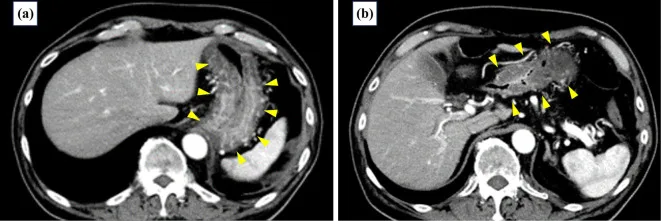
Stage IV squamous lung cancer with steroid-refractory immune-related gastritis after pembrolizumab

Patient Info: Anonymized, Male, 70+ | Stage IV

Biomarkers: Gastric biopsy during immune gastritis showed CD8-positive lymphocyte inflammation, no cancer

After about 2 years of carboplatin, pemetrexed, and pembrolizumab, lung cancer treatment was stopped because of tumor growth; the later immune-related gastritis improved after escalation to infliximab, while the cancer course remained a setback/progression story.

PubMed Central
OutcomeSetback / Progression
A patient, who was diagnosed with Stage IV Lung Squamous Cell CarcinomaLung Cancer

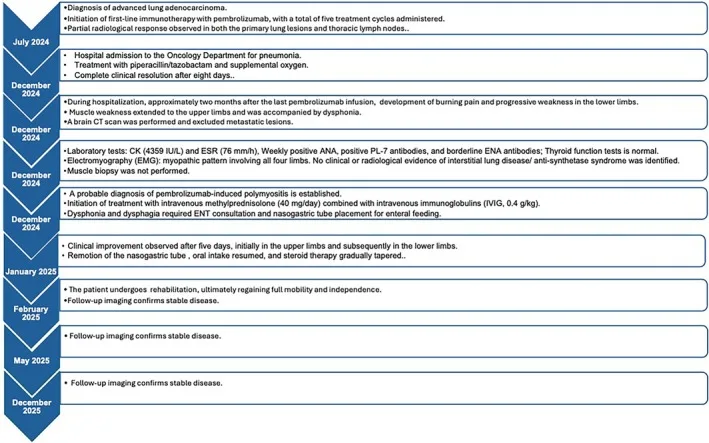
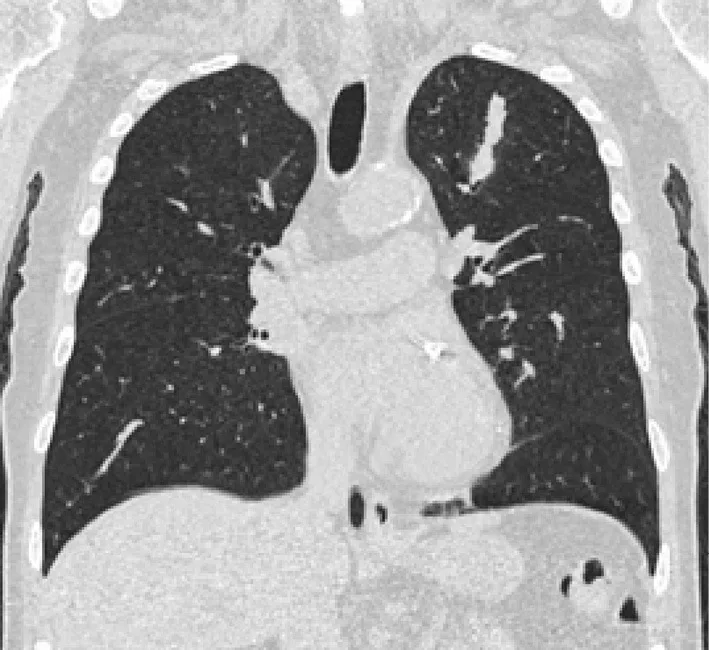
Stage IV lung cancer response followed by immune-related lung inflammation

Patient Info: Anonymized, Male, 70+ | Stage IV

Biomarkers: EGFR-negative; ALK-negative; ROS1-negative

Metastatic Site: pleura

After the lung inflammation improved, he did not resume tumor-directed chemotherapy, immunotherapy, or radiation and remained generally well.

PubMed Central
OutcomeLiving With Cancer
A patient, who was diagnosed with Stage III Lung AdenocarcinomaLung Cancer

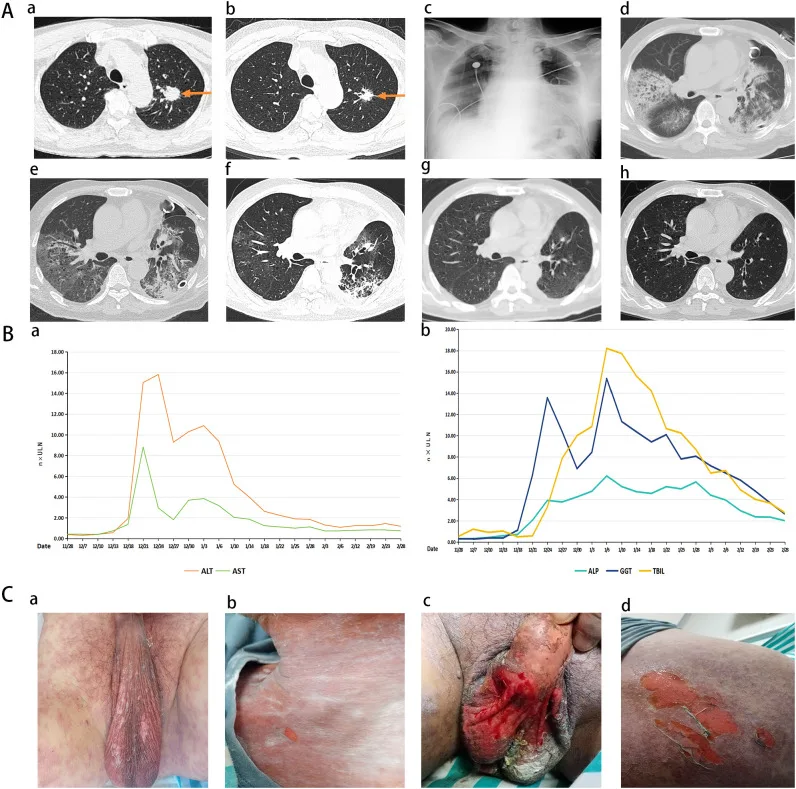
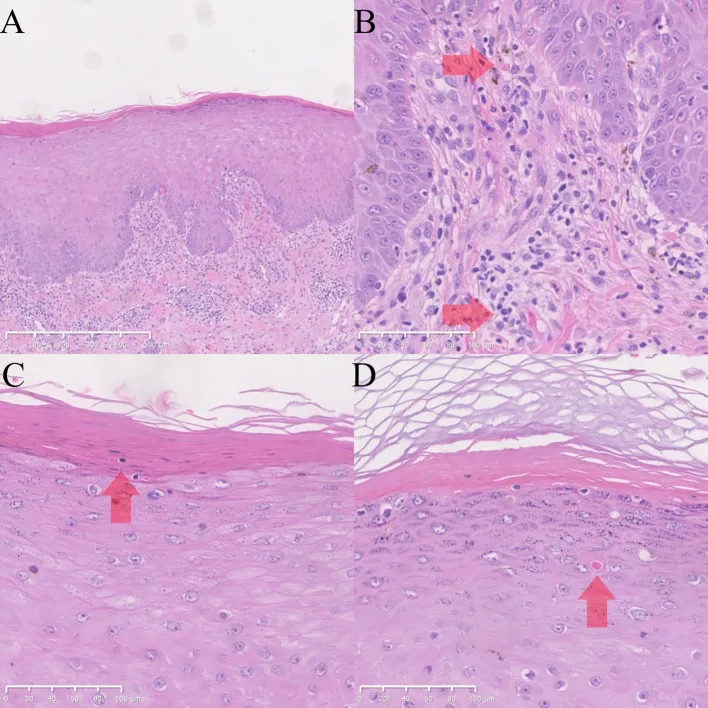
Stage IIIA lung adenocarcinoma: major pathological response after neoadjuvant immunochemotherapy, complicated by DILI/TEN

Patient Info: Anonymized, Male, 50s | Stage III

Biomarkers: No lung molecular biomarkers reported

At 23 months after thoracoscopic left upper lobectomy, he was clinically stable with no evidence of tumor recurrence; severe postoperative DILI/TEN had improved after stopping the offending drug and intensive supportive treatment.

PubMed Central
OutcomeCancer-Free / NED
A patient, who was diagnosed with Small Cell Lung CancerLung Cancer

Small-cell lung cancer: envafolimab response complicated by immune-related diabetes, pneumonitis, and later submandibular progression

Patient Info: Anonymized, Male, 60s | Stage Metastatic/Advanced

Biomarkers: ProGRP and NSE were elevated at diagnosis. Tumor molecular biomarkers were not reported; diabetes antibodies were negative.

Metastatic Site: left submandibular region / adjacent lymph nodes

After initial partial response on envafolimab, carboplatin, etoposide, and thoracic radiotherapy, he developed immune-related diabetes, pneumonitis, and progressive left submandibular metastatic disease requiring iodine-125 seeds and later anlotinib.

PubMed Central
OutcomeSetback / Progression
Clara, who was diagnosed with Stage IV Non-Small Cell Lung CancerLung Cancer

Stage IV ALK Non-Small Cell Lung Cancer: Clara's Patient Story

Patient Info: Clara, Female, Under 40 | Stage IV

Biomarkers: ALK-positive / ALK-rearranged after repeat Tempus testing

Metastatic Site: Pelvis; spleen

As of February 2026, ALK-targeted therapy had improved Clara’s symptoms enough that she no longer needed a walker or cane, and upcoming scans would determine whether pelvic tumor surgery remained an option.

The Patient Story
OutcomeResponding Well
A patient, who was diagnosed with Stage IV Lung AdenocarcinomaLung Cancer

Stage IVB lung adenocarcinoma with severe immune-related complications

Patient Info: Anonymized, Male, 70+ | Stage IV

Biomarkers: PD-L1 TPS 20%; BRAF mutation

Metastatic Site: left supraclavicular fossa, left axilla, right hilum,…

The patient had an initial partial response to ipilimumab/nivolumab but developed severe immune-related pneumonitis, thrombocytopenia, and aplastic anemia. Cytopenias recovered with eltrombopag, but lung cancer later relapsed with carcinomatous meningitis, and he died 20 months after diagnosis.

PubMed Central
OutcomeIn Memory
Jennifer, who was diagnosed with Stage IV Small Cell Lung CancerLung Cancer

Stage IV Small Cell Lung Cancer: Jennifer's Survivor Story

Patient Info: Jennifer Robertson, Female, 40s | Stage IV

Metastatic Site: Collar bones; shoulder blades; femur; pancreas;…

As of February 2026, Jennifer had shown no evidence of disease since August 2025 after tarlatamab-dlle and whole-brain radiation, while continuing tarlatamab infusions every other Monday and scans every 3 months.

MD Anderson
OutcomeCancer-Free / NED
A patient, who was diagnosed with Stage IV Lung AdenocarcinomaLung Cancer

BRAF-mutant stage IV lung adenocarcinoma complicated by immunotherapy-induced diabetes

Patient Info: Anonymized, Female, 60s | Stage IV

Biomarkers: BRAF mutation; GADA-positive during immune-related diabetes evaluation

Metastatic Site: left lower lung, pleural

The patient had Stage IV BRAF V600E-mutant lung adenocarcinoma treated with targeted therapy and later tislelizumab. Immunotherapy was suspended after hypoadrenocorticism and diabetic ketosis; she required ongoing insulin therapy, with persistently low C-peptide at 6-month follow-up.

PubMed Central
OutcomeCare Ongoing
A patient, who was diagnosed with Stage IV Lung Squamous Cell CarcinomaLung Cancer

Stage 4 lung cancer: large tumor managed with targeted care

Patient Info: Anonymized, Male, 70+ | Stage IV

Biomarkers: PD-L1 TPS <1%

Metastatic Site: contralateral lymph nodes, supraclavicular lymph…

The patient had a partial response to CheckMate 9LA despite PD-L1 TPS <1%, later progressed after 24 cycles of immunotherapy, received additional chemotherapy, and died in November 20XX+2.

PubMed Central
OutcomeIn Memory
A patient, who was diagnosed with Non-Small Cell Lung CancerLung Cancer

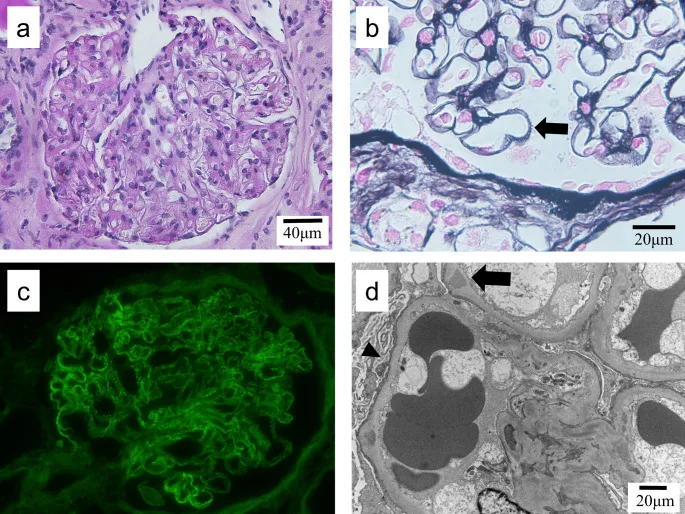
Kidney damage as a rare side effect of durvalumab immunotherapy

Patient Info: Anonymized, Male, 70+

The lung-cancer burden decreased during treatment. Durvalumab was stopped because of nephrotic syndrome, which achieved sustained complete remission with prednisolone.

PubMed Central
OutcomeResponding Well
A patient, who was diagnosed with Stage IV Non-Small Cell Lung CancerLung Cancer

Stage 4 lung cancer: persistent cough led to diagnosis

Patient Info: Anonymized, Male, 60s | Stage IV

Biomarkers: KRAS and TP53 ; PD-L1 TPS 95%. Other common lung drivers were not detected.

Metastatic Site: liver, left adrenal gland, lymph nodes, pleural…

After more than 2 years of disease control and partial response on antiangiogenic therapy plus sintilimab, the patient developed fulminant immune-checkpoint-inhibitor-induced type 1 diabetes with severe diabetic ketoacidosis, inflammatory crisis, sepsis, and died shortly after discharge against medical advice.

PubMed Central
OutcomeIn Memory
A patient, who was diagnosed with Stage IV Lung AdenocarcinomaLung Cancer

Lynch-associated lung and colorectal cancers responded to immunotherapy

Patient Info: Anonymized, Female, 50s | Stage IV

Biomarkers: dMMR/MSI-H pattern with MLH1/PMS2 loss and germline MLH1 mutation; KRAS and PTEN mutations; PD-L1 TPS 15%.

Metastatic Site: right paraspinal metastatic lesion from lung…

After starting iparomlimab plus tuvonralimab, pleural and pelvic disease improved, intestinal wall involvement decreased further after 5 cycles, the paraspinal lung metastasis remained stable, tumor markers stayed normal, and treatment continued.

PubMed Central
OutcomeResponding Well