Docetaxel for Lung Cancer: 25 Real Stories

25 stories match lung cancer and docetaxel. 17 of them mention targeted therapy.

A patient, who was diagnosed with Stage III Lung AdenocarcinomaLung Cancer

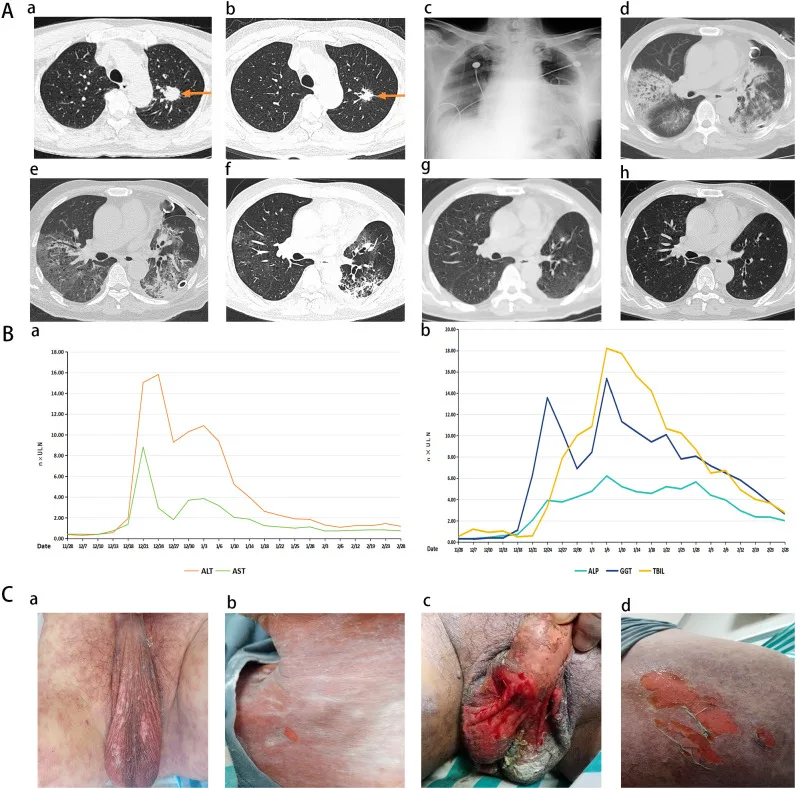
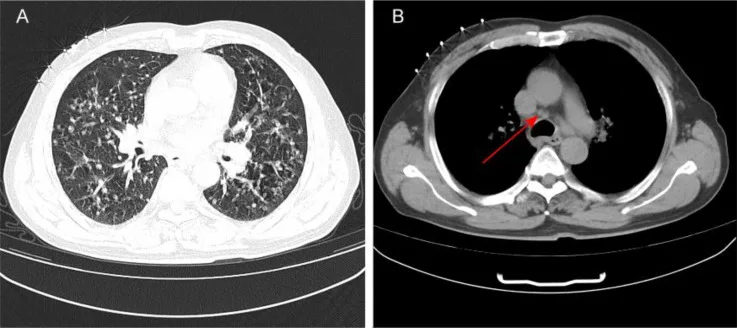
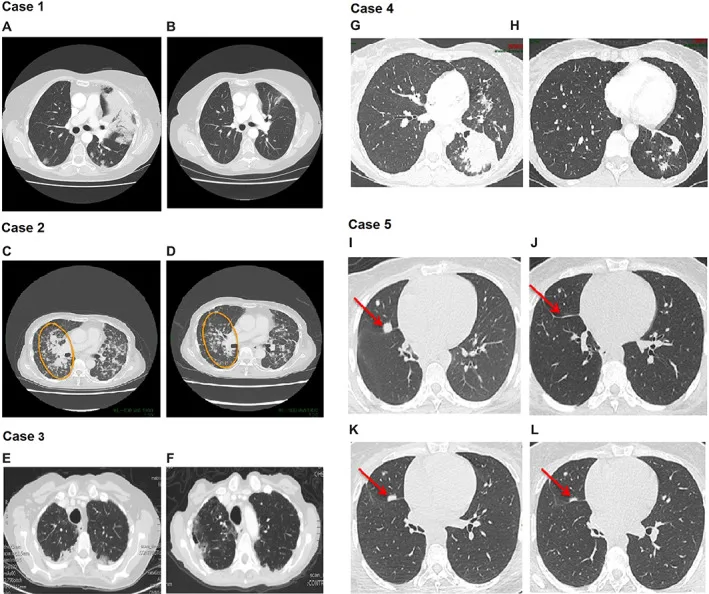
Stage IIIA lung adenocarcinoma: major pathological response after neoadjuvant immunochemotherapy, complicated by DILI/TEN

Patient Info: Anonymized, Male, 50s | Stage III

Biomarkers: No lung molecular biomarkers reported

At 23 months after thoracoscopic left upper lobectomy, he was clinically stable with no evidence of tumor recurrence; severe postoperative DILI/TEN had improved after stopping the offending drug and intensive supportive treatment.

PubMed Central
OutcomeCancer-Free / NED
A patient, who was diagnosed with Stage IV Non-Small Cell Lung CancerLung Cancer

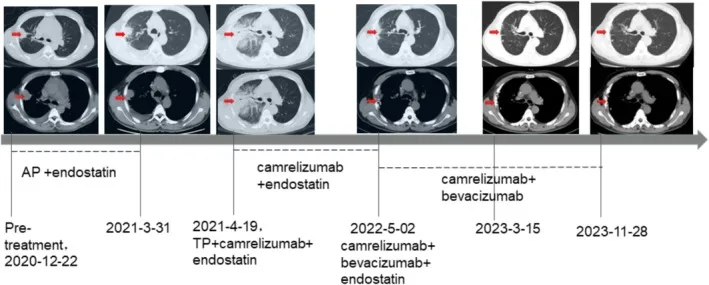
MET exon 14 skipping lung adenocarcinoma: sequential MET-TKI toxicity and ongoing chemotherapy

Patient Info: Anonymized, Male, 70+ | Stage IV

Biomarkers: MET exon 14 skipping mutation; EGFR negative; ALK negative; ROS1 negative; PD-L1 tumor proportion score 10%

Metastatic Site: pleura

The cancer recurred with pleural dissemination after surgery and adjuvant UFT. Sequential MET inhibitors and systemic therapies provided periods of disease control but were limited by ILD and non-ILD toxicities; at the report, he remained on carboplatin, pemetrexed, and bevacizumab.

PubMed Central
OutcomeLiving With Cancer
A patient, who was diagnosed with Stage IV Lung AdenocarcinomaLung Cancer

ALK-rearranged Stage IVA lung adenocarcinoma: partial response to pembrolizumab as eighth-line treatment

Patient Info: Anonymized, Male, 70+ | Stage IV

Biomarkers: ALK strongly positive by IHC 3+; ALK rearrangement confirmed by FISH; PD-L1 expression 95% by 22C3 immunostaining; CEA 2.3 ng/mL at diagnosis

Metastatic Site: brain

Nine months after pembrolizumab was started as eighth-line therapy, he maintained a partial response after prior progression on multiple ALK inhibitors and chemotherapies.

PubMed Central
OutcomeResponding Well
A patient, who was diagnosed with Stage IV Lung AdenocarcinomaLung Cancer

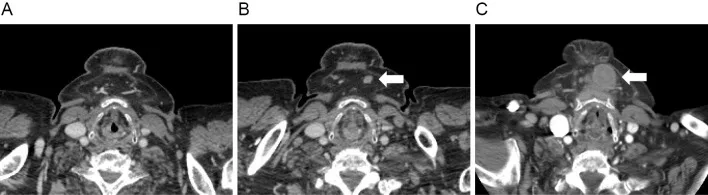
Metastatic Lung Adenocarcinoma With a Serious Immune-Therapy Pituitary Complication

Patient Info: Anonymized, male, 60s | Stage IV

Biomarkers: No detected EGFR, ALK, ROS1, RET, MET or HER2 alterations

Metastatic Site: brain, meninges, skull, bone, pituitary

The cancer had progressed to extensive brain, skull and bone involvement after several treatments. Steroid treatment improved the severe thirst, high urine output and other symptoms from immune-related hypophysitis.

PubMed Central
OutcomeSetback / Progression
A patient, who was diagnosed with Stage IV Lung AdenocarcinomaLung Cancer

Lung Adenocarcinoma With Immune-Related Abdominal Inflammation and Later Bone Progression

Patient Info: Anonymized, male | Stage IV

Biomarkers: PD-L1 30%; KRAS G13X mutation; EGFR/ALK/ROS1 negative

Metastatic Site: bone

After several periods of response or stability, lymph-node progression recurred and bone progression was documented in July 2024. Another treatment line was being planned.

PubMed Central
OutcomeSetback / Progression
A patient, who was diagnosed with Stage III Non-Small Cell Lung CancerLung Cancer

Stage 3 lung cancer: complete response to chemo and immunotherapy

Patient Info: Anonymized, Male, 70+ | Stage III

Biomarkers: Tumor markers were normal during mesorectal nodule workup; lung molecular biomarkers were not reported.

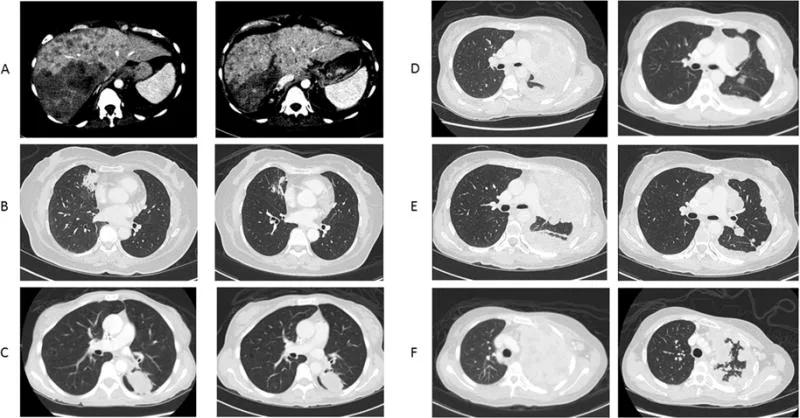
No radiologic NSCLC recurrence was detected during 16 months of follow-up after complete response to cisplatin/docetaxel chemoradiation plus 1 year of durvalumab; the suspicious mesorectal nodule proved to be a benign organized thrombus.

PubMed Central
OutcomeCancer-Free / NED
A patient, who was diagnosed with Stage IV Non-Small Cell Lung CancerLung Cancer

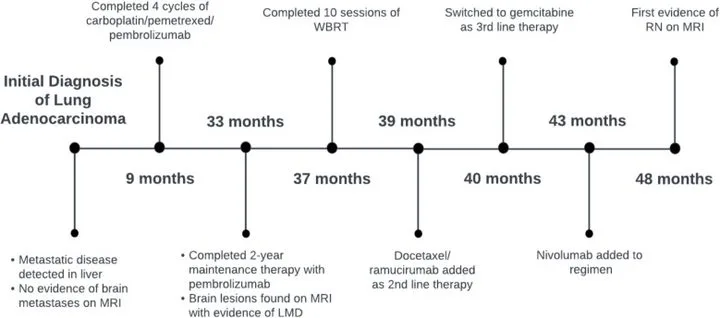
Brain radiation therapy complication (radionecrosis) potentially linked to combined chemo-immunotherapy

Patient Info: Anonymized, Female | Stage IV

Biomarkers: PD-L1 0%; tumour mutational burden 33 mutations/Mb; TP53 mutation at diagnosis; later ctDNA included KEAP1 and NOTCH3 alterations

Metastatic Site: brain; presumed leptomeningeal disease

She recovered completely from surgery for radiation necrosis, resumed cancer treatment and remained neurologically intact at 18 months. She was found deceased 9 months later; the cause of death was unknown.

PubMed Central
OutcomeIn Memory
A patient, who was diagnosed with Lung AdenocarcinomaLung Cancer

Metastatic NRG1-Fusion Lung Cancer Responding to Long-Term Afatinib

Patient Info: Anonymized, Female, 60s | Stage Metastatic/Advanced

Biomarkers: CD74-NRG1 fusion

Metastatic Site: lungs

As of February 2020, she remained on afatinib 30 mg daily with an ongoing partial response after 27 months.

PubMed Central
OutcomeResponding Well
A patient, who was diagnosed with Stage IV Lung AdenocarcinomaLung Cancer

Osimertinib Improved Spinal Cord Metastases in Long-Standing Lung Cancer

Patient Info: Anonymized, Male, 50s | Stage IV

Biomarkers: Initial surgical specimen: no detected EGFR mutation and ALK-negative. Later pleural-fluid tumor: acquired EGFR T790M mutation with no other detected EGFR mutation.

Metastatic Site: cervical and mediastinal lymph nodes; bone; brain;…

Osimertinib improved neurologic function and kept the lung cancer stable for 14 months; he later died from bacterial pneumonia.

PubMed Central
OutcomeIn Memory
A patient, who was diagnosed with Stage IV Lung CancerLung Cancer

Stage IV ERBB2-Mutated Lung Cancer With Extensive Bone Metastases

Patient Info: Anonymized, female, 60s | Stage IV

Biomarkers: ERBB2 exon 20 insertion. A PIK3CA mutation was later detected at progression and considered a possible resistance mechanism.

Metastatic Site: bone

After progression on pemetrexed following several earlier treatment lines, she transitioned to hospice care.

PubMed Central
OutcomeSetback / Progression
A patient, who was diagnosed with Stage IV Lung AdenocarcinomaLung Cancer

Stage IV ERBB2-Mutated Lung Adenocarcinoma With Brain Metastases and Multiple Targeted Therapies

Patient Info: Anonymized, female, Under 40 | Stage IV

Biomarkers: ERBB2 exon 20 insertion, exact sequence not specified. ERBB2 copy-number gain was identified during progression on afatinib.

Metastatic Site: brain, adrenal gland, liver

The final documented afatinib plus bevacizumab rechallenge produced a mixed response followed by liver progression after 3 months.

PubMed Central
OutcomeSetback / Progression
A patient, who was diagnosed with Stage IV Lung CancerLung Cancer

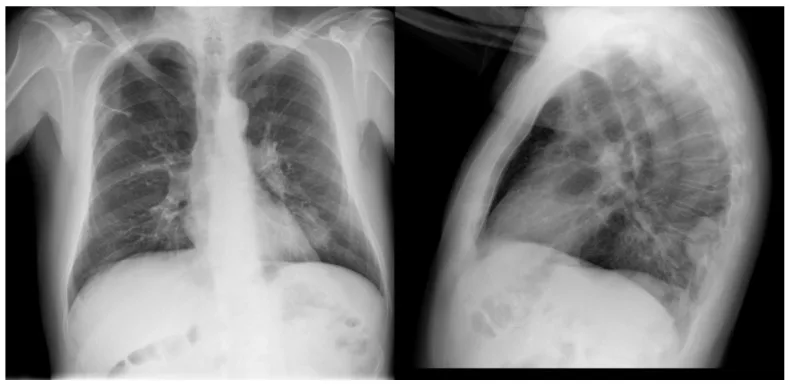
Stage IV EBV-positive lymphoepithelioma-like lung cancer with brain metastasis

Patient Info: Anonymized, Female, 50s | Stage IV

Biomarkers: EBV-positive by in-situ hybridization

Metastatic Site: brain, retroperitoneal/posterior mediastinal soft…

Remained well and disease-free 6 months after resection of the retroperitoneal/posterior mediastinal metastasis and 8 years after initial presentation.

PubMed Central
OutcomeCancer-Free / NED
A patient, who was diagnosed with Stage IV Non-Small Cell Lung CancerLung Cancer

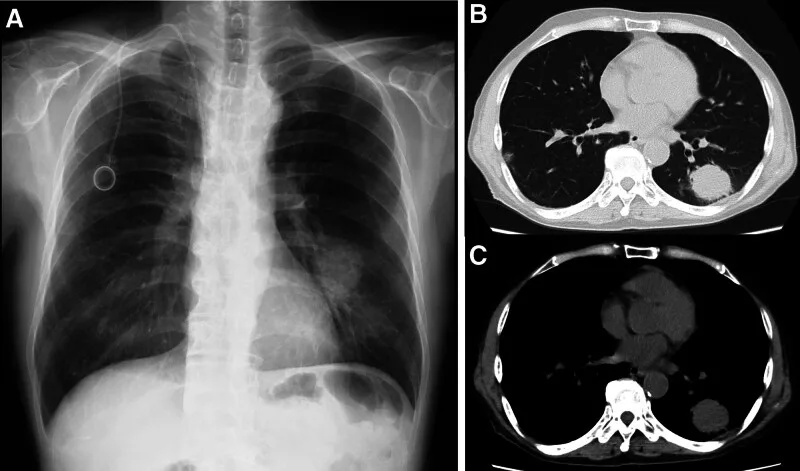
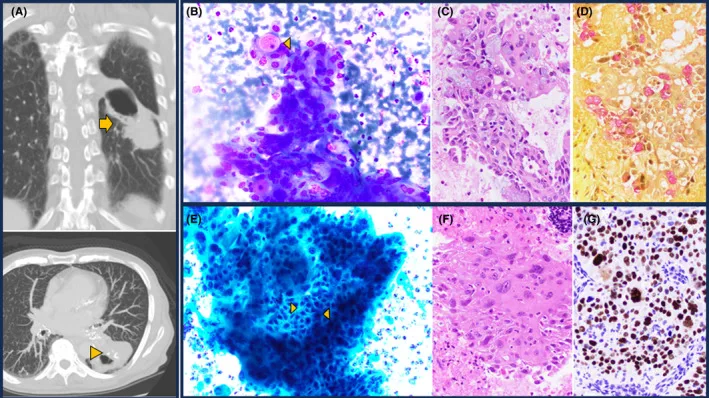
Stage IV lung adenocarcinoma: partial responses to cisplatin-docetaxel and erlotinib, complicated by fistula

Patient Info: Anonymized, Female, 60s | Stage IV

Biomarkers: Tumor genomic biomarkers not reported. EGFR testing result not reported; erlotinib was used as second-line therapy.

Metastatic Site: contralateral lung, pleura

Metastatic lung adenocarcinoma had partial response to chemotherapy and persistent partial response on erlotinib; after erlotinib was stopped for enterocutaneous fistula, she was alive and well without evidence of lung-cancer progression.

PubMed Central
OutcomeResponding Well