Hormone Therapy for Stage 4 Breast Cancer: 135 Real Stories

135 stories match breast cancer, stage 4 and hormone therapy. 103 of them mention surgery.

A patient, who was diagnosed with Stage IV Invasive Ductal CarcinomaBreast Cancer

Triple-positive breast cancer: complete response to targeted therapy

Patient Info: Anonymized, Female, 40s | Stage IV

Biomarkers: Triple-positive breast cancer; SBDS variants present; no detected TP53 variant on MyeloSeq.

Metastatic Site: liver

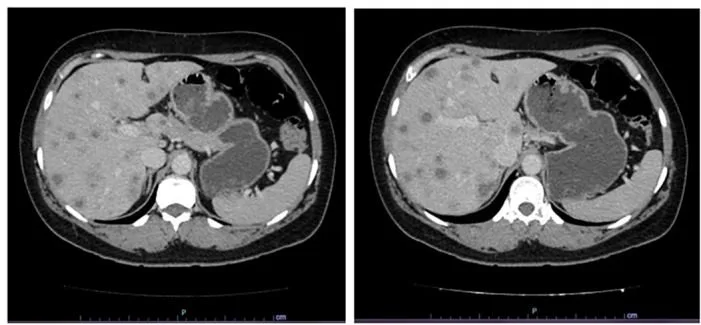
Stage IV triple-positive breast cancer with liver metastasis achieved complete response after paclitaxel, trastuzumab, pertuzumab, and G-CSF support; complete response was maintained for 18 months after treatment initiation while on maintenance HER2-directed and endocrine therapy.

PubMed Central
OutcomeCancer-Free / NED
Samantha, who was diagnosed with Stage IV Breast CancerBreast Cancer

Stage IV Breast Cancer: Samantha's Patient Story

Patient Info: Samantha, Female, Under 40 | Stage IV

Biomarkers: Hormone-positive breast cancer; specific receptor details not reported

Metastatic Site: bone: rib, spine, pelvis

As of July 2024, Samantha was living with Stage IV hormone-positive breast cancer with bone metastases. Current treatment was working in most areas, but a breast tumor continued to grow and was surgically removed; ongoing treatment and 3-month scans were reported.

YouTube — The Patient Story
OutcomeLiving With Cancer
A patient, who was diagnosed with Stage IV Invasive Ductal CarcinomaBreast Cancer

HR-positive HER2-negative metastatic breast cancer: bone metastases managed with sequential endocrine therapy

Patient Info: Anonymized, Female, 50s | Stage IV

Biomarkers: ER 90%+, PR 80%+, HER2-. CA 15-3 was tracked during treatment.

Metastatic Site: skull base; spine; sternum; ribs; left iliac bone;…

Metastatic HR-positive, HER2-negative breast cancer remained under active management; after earlier progression, palbociclib plus fulvestrant and zoledronic acid produced stable/remission findings on PET/CT at 3 months and again 1 year later, with continued 3-month follow-up recommended.

PubMed Central
OutcomeLiving With Cancer
A patient, who was diagnosed with Stage IV Invasive Ductal CarcinomaBreast Cancer

Stage 4 luminal A breast cancer: tumor regression on hormone therapy

Patient Info: Anonymized, Female, 40s | Stage IV

Biomarkers: ER-positive; PR-positive; HER2-negative

Metastatic Site: skin, soft tissue, lungs

Metastatic Luminal A breast cancer involving skin/soft tissue and lungs showed regressing tumors and stable lung metastasis after 3 months of anti-hormone therapy plus capecitabine; longer-term control was not reported.

PubMed Central
OutcomeLiving With Cancer
A patient, who was diagnosed with Stage IV Invasive Ductal CarcinomaBreast Cancer

BRCA2-mutant metastatic breast cancer: complete response with rucaparib maintenance

Patient Info: Anonymized, Female, Under 40 | Stage IV

Biomarkers: Germline BRCA2 mutation; somatic BRCA2 mutation; HER2 amplification not seen by FISH; grade III IDC

Metastatic Site: bone

She maintained a complete response for 2 years on rucaparib, letrozole, and zoledronic acid after upfront metastatic BRCA2-mutated breast cancer involving bone, axillary nodes, and right-breast nodules.

PubMed Central
OutcomeCancer-Free / NED
Melissa, who was diagnosed with Stage IV Invasive Lobular CarcinomaBreast Cancer

Stage IV Invasive Lobular Carcinoma: Melissa's Patient Story

Patient Info: Melissa Adams, Female | Stage IV

Melissa’s breast cancer progressed after maintenance hormone therapy and was reassigned as Stage IV. She describes living with incurable disease while focusing on keeping the cancer at bay and staying engaged with family, church, and advocacy.

AACR
OutcomeLiving With Cancer
A patient, who was diagnosed with Stage IV Invasive Lobular CarcinomaBreast Cancer

Stage 4 lobular breast cancer: bone therapy switch to denosumab

Patient Info: Anonymized, Female, 40s | Stage IV

Biomarkers: Not reported for breast cancer; CRP 21 mg/dL and ESR 27 mm/hr were elevated during orbital inflammation workup

Metastatic Site: bone

As of April 2024, zoledronate-associated ocular inflammation resolved within 2.5 weeks, vision returned to 20/20 after about 3 weeks, and bone-support treatment was changed to denosumab; breast-cancer response was not reported.

PubMed Central
OutcomeCare Ongoing
A patient, who was diagnosed with Stage IV Invasive Lobular CarcinomaBreast Cancer

Invasive lobular breast cancer with isolated scalp metastasis: excision and endocrine therapy

Patient Info: Anonymized, Female, 50s | Stage IV

Biomarkers: Original breast tumor: ER-positive; PR-positive; scalp metastasis: CK7-positive; ER-positive; GCDFP-15 partially positive

Metastatic Site: scalp/skin

As of April 2024, she had no signs of recurrence in the breast or scalp and no distant metastasis after excision of the isolated scalp metastasis while continuing anastrozole.

PubMed Central
OutcomeCancer-Free / NED
A patient, who was diagnosed with Stage IV Breast CancerBreast Cancer

Metastatic hormone receptor-positive breast cancer with paraneoplastic eosinophilic fasciitis

Patient Info: Anonymized, Female, 70+ | Stage IV

Biomarkers: ER-positive; PR-positive; eosinophilia during paraneoplastic eosinophilic fasciitis flare

Metastatic Site: pelvis

As of February 2024, paraneoplastic eosinophilic fasciitis had remitted after prednisone plus systemic breast-cancer therapy, and 6-month follow-up showed no further skin recurrence or cancer progression.

PubMed Central
OutcomeResponding Well
Dena, who was diagnosed with Stage IV Breast CancerBreast Cancer

Stage IV BRCA Breast Cancer: Dena's Patient Story

Patient Info: Dena Ofengeim, Under 40 | Stage IV

Biomarkers: Hormone receptor-positive; BRCA mutation

Metastatic Site: spine

Dena improved rapidly after treatment, regained her mobility, returned to an active life, and remained on therapy for metastatic breast cancer.

Dana-Farber
OutcomeResponding Well
A patient, who was diagnosed with Stage IV Invasive Ductal CarcinomaBreast Cancer

Male breast cancer in both breasts linked to Klinefelter syndrome, initially missed

Patient Info: Anonymized, Male | Stage IV

Biomarkers: ER-positive; PR-positive; HER2-negative; Klinefelter syndrome

Metastatic Site: spine / bone

With advanced metastatic disease and an estimated prognosis of weeks or less, care focused on symptom relief under the palliative-care team.

PubMed Central
OutcomeEnd of Life / Hospice
A patient, who was diagnosed with Stage IV Breast CancerBreast Cancer

Metastatic breast cancer: three years in remission with T-DM1 (Kadcyla) treatment

Patient Info: Anonymized, Female | Stage IV

Biomarkers: HER2-positive; hormone receptor-positive

Metastatic Site: liver; spine / bone

T-DM1 produced a complete clinical and radiological response after 7 cycles, sustained for 41 months and 60 cycles while treatment continued.

PubMed Central
OutcomeComplete Response
A patient, who was diagnosed with Stage IV Breast CancerBreast Cancer

Metastatic breast cancer with a blood condition that mimicked multiple myeloma

Patient Info: Anonymized, Female | Stage IV

Biomarkers: Oestrogen receptor-positive

Metastatic Site: bone

Her pain came under control and the metastatic breast cancer remained stable for approximately 5 years. MGUS did not progress to myeloma, and she later died from causes unrelated to cancer.

PubMed Central
OutcomeIn Memory
Abigail, who was diagnosed with Stage IV Breast CancerBreast Cancer

Stage IV HR-Positive Breast Cancer: Abigail's Patient Story

Patient Info: Abigail Myers, female, Under 40 | Stage IV

Biomarkers: ER-positive, PR-positive, HER2-positive

Metastatic Site: bones, brain

Abigail continued living with Stage IV metastatic breast cancer after about 8 years of multiple treatment lines, including therapy for bone and brain metastases.

Dana-Farber
OutcomeLiving With Cancer
A patient, who was diagnosed with Stage IV Invasive Ductal CarcinomaBreast Cancer

Chemotherapy complication: methotrexate absorbed into the bloodstream after spinal injection

Patient Info: Anonymized, Female | Stage IV

Biomarkers: ER-positive; PR-positive; HER2-negative; Oncotype DX Recurrence Score 20

Metastatic Site: leptomeninges / central nervous system; brain

Five months after leptomeningeal carcinomatosis was recognised, she developed a new 2 cm brain lesion and neurological decline. Her family chose supportive care, and she died 10 days after transfer to inpatient hospice.

PubMed Central
OutcomeIn Memory
A patient, who was diagnosed with Stage IV Invasive Lobular CarcinomaBreast Cancer

Breast cancer that spread to the thymus gland

Patient Info: Anonymized, Female | Stage IV

Biomarkers: Oestrogen receptor-positive; progesterone receptor-positive; HER2-negative

Metastatic Site: thymus

She had a good response after 4 cycles of abemaciclib, anastrozole and goserelin and continued endocrine treatment with surveillance of the opposite breast.

PubMed Central
OutcomeResponding Well
A patient, who was diagnosed with Stage IV Breast CancerBreast Cancer

Rare breast cancer subtype that recurred years later in a more aggressive form

Patient Info: Anonymized, Female | Stage IV

Biomarkers: CD117 focally positive in the transformed component; high Ki-67; hormone-receptor status was unknown at the original diagnosis

Metastatic Site: lungs

One year after treatment for the late chest-wall recurrence, CT showed another local recurrence and metastatic nodules in both lungs. She chose to continue treatment elsewhere.

PubMed Central
OutcomeSetback / Progression
Anna, who was diagnosed with Stage IV Breast CancerBreast Cancer

Stage IV Breast Cancer: Anna's Patient Story

Patient Info: Anna, Female, 60s | Stage IV

As of 2023, Anna was living with Stage IV breast cancer and receiving treatment that included lumpectomy surgery, hormone therapy, and targeted therapy as her plan.

Our Cancer Stories
OutcomeLiving With Cancer
Aria, who was diagnosed with Stage IV Breast CancerBreast Cancer

Stage IV Breast Cancer: Aria's Patient Story

Patient Info: Aria, Female, 50s | Stage IV

As of 2023, Aria was living with Stage IV breast cancer and undergoing hormone therapy after choosing not to have recommended surgery.

Our Cancer Stories
OutcomeLiving With Cancer
Bethany, who was diagnosed with Stage IV Breast CancerBreast Cancer

Stage IV HR-Positive Breast Cancer: Bethany's Patient Story

Patient Info: Bethany, Female, Under 40 | Stage IV

Biomarkers: ER-positive / hormone-positive

Metastatic Site: Liver; bones; lymph nodes; stomach

As of December 2022, Bethany was living with Stage IV metastatic breast cancer after recurrence to the liver, bones, lymph nodes, and stomach, and was on lifelong maintenance treatment after disease shrinkage.

The Patient Story
OutcomeLiving With Cancer
Abigail, who was diagnosed with Stage IV Breast CancerBreast Cancer

Stage IV PIK3CA Breast Cancer: Abigail's Patient Story

Patient Info: Abigail, Female, Under 40 | Stage IV

Biomarkers: Hormone-positive breast cancer with PIK3CA mutation and germline ATM mutation; later PD-L1 somatic change reported. HER2 not stated.

Metastatic Site: Bone, including femurs, spine, and humeri; later liver

As of October 2022, Abigail was living with Stage IV hormone-positive metastatic breast cancer after years of treatment, bone-dominant disease that later involved the liver, targeted therapies, genomic testing, and advocacy around clinical trials and patient research participation.

The Patient Story
OutcomeLiving With Cancer
Fleur, who was diagnosed with Stage IV Breast CancerBreast Cancer

Stage IV Breast Cancer: Fleur's Patient Story

Patient Info: Fleur Profinet, Female, 40s | Stage IV

As of May 2022, Fleur was living with metastatic breast cancer; she said chemotherapy, targeted therapy, and hormone therapy had made her metastases “sleep,” while fatigue, pain, and mood changes continued.

YouTube (FR search)
OutcomeResponding Well
A patient, who was diagnosed with Stage IV Invasive Lobular CarcinomaBreast Cancer

Recurrent Lobular Breast Cancer Spread to the Opposite Armpit Lymph Node

Patient Info: Anonymized, Female, 60s | Stage IV

Biomarkers: ER-positive; PR-positive; HER2-negative

Metastatic Site: Contralateral right axillary lymph node

After surgery for the recurrence and removal of the opposite-side axillary nodes, the patient proceeded with adjuvant chemotherapy and remained in active treatment.

PubMed Central
OutcomeCare Ongoing
Carol, who was diagnosed with Stage IV Invasive Lobular CarcinomaBreast Cancer

Stage IV Invasive Lobular Carcinoma: Carol's Survivor Story

Patient Info: Carol, Female, 60s | Stage IV

Metastatic Site: Bone

Carol had de novo Stage IV breast cancer with bone metastases, achieved complete remission after chemotherapy, stayed on daily Letrozole for 10 years, then returned to NED/no active disease after Kisqali and Faslodex for bone progression.

Lobular Breast Cancer Alliance
OutcomeCancer-Free / NED